Source Comfortable Reading Glasses for Office, Study, and Leisure
Explore 30 options for Comfortable Reading Glasses featuring PC and metal frames with ellipse, square, and rectangular shapes. Compare diopters from +1.00 to +3.50, lens materials like AC, and customization options for general usage and eye protection decoration.
Key considerations
Products List


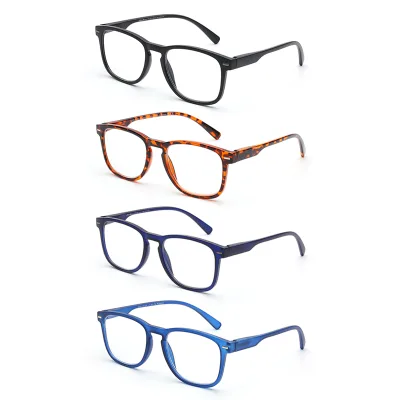


High Quality Folding Reading Glasses with Fashionable Style Passed FDA, CE,
$0.50 - $1.50
MOQ: 1200 Pieces




Comprehensive Sourcing Guide
Comfortable Reading Glasses Sourcing Guide
The global market for Comfortable Reading Glasses centers on optical aids designed for near-vision tasks, ranging from general reading to specialized optical corrections. Buyers must distinguish between fashion-forward styles and functional eyewear, as the supplied data indicates a wide spectrum of frame shapes including ellipse, square, and rectangular designs. These variations directly influence the fit and comfort profile for different face shapes, particularly oval faces which are explicitly noted as suitable for specific models.
Procurement strategies should prioritize the balance between aesthetic customization and optical utility. The observed product attributes reveal that frames are available in diverse colors and materials, such as PC and copper alloy, allowing for tailored branding. However, the core requirement remains the diopter range, which spans from +1.00d to +4.00d, ensuring that suppliers can meet the specific visual needs of end-users without compromising the structural integrity of the frame during daily wear.
Product Scope and Observed Listing Signals
Buyers analyzing the current market landscape will observe a significant variance in minimum order quantities, ranging from single units to 1,200 pieces. This wide MOQ spectrum suggests that the supply chain accommodates both small-batch testing and large-scale distribution, requiring buyers to align their inventory strategy with the specific supplier's production capacity. The observed price range of 0.5 to 5.5 USD indicates a highly competitive market where volume discounts and material choices heavily influence the final unit cost.
The product listings demonstrate a strong emphasis on customization, with frame colors and styles available in extensive palettes including silver, black, and various fashion hues. This flexibility allows retailers to curate collections that match specific brand identities or seasonal trends. However, the presence of multiple model numbers like A12302 and LS883788 confirms that buyers must verify the exact specifications of each SKU, as frame materials and nose support types vary significantly between different product codes within the same category.
Technical Specifications to Verify
A critical verification step involves confirming the nose support mechanism, as the data shows a split between one-piece and non-integrated designs. The choice between these mechanisms directly impacts the long-term comfort and stability of the glasses on the wearer's face. Buyers should request physical samples to test the pressure distribution and ensure the selected design aligns with the ergonomic requirements of their target demographic, particularly for extended reading sessions.
Lens material and prescription accuracy are equally vital technical parameters that require strict validation. The supplied facts list AC as a lens material, while other entries suggest metal and plastic frame combinations. Procurement teams must verify that the lens material meets the intended optical clarity standards and that the available diopter levels, ranging from +100 to +350, are accurately calibrated. Additionally, the single-focal lens type must be confirmed to ensure it matches the specific visual correction needs of the intended user base.
Compliance and Safety Documentation
Regulatory compliance is a non-negotiable aspect of sourcing optical products, with several certifications explicitly mentioned in the product data. Buyers must ensure that suppliers can provide valid documentation for CE, BSCI, Walmart, ISO9001, and ISO13185 standards. These certifications indicate adherence to international quality management systems and safety protocols, which are essential for entering regulated markets and maintaining brand reputation.
Safety standards regarding lens protection must also be rigorously checked, as the data references CE/FDA and UV400 ratings. While these claims suggest a baseline of eye protection, buyers should verify the specific test reports to confirm that the lenses actually block harmful ultraviolet radiation as claimed. The absence of specific test data in the general listing means that procurement contracts must explicitly require third-party verification of these safety claims before any large-scale order is released.
Cost Drivers and Commercial Terms
The commercial structure of this market is heavily influenced by the supply ability and packaging configurations offered by manufacturers. With a stated supply capacity of 200,000 pieces per month, suppliers can handle large orders, but the packaging details, such as 300 pieces per carton, dictate the logistics and storage requirements for the buyer. Understanding these volume constraints is essential for calculating landed costs and optimizing shipping efficiency.
Sample availability and lead times are key factors in the initial procurement phase, with sample times ranging from 1 to 7 days. This rapid turnaround allows buyers to quickly validate product quality and design before committing to bulk orders. However, the final cost will also depend on the customization level, as the data indicates that frame colors and styles can be tailored to customer requirements, which may incur additional tooling or setup fees not reflected in the base price range.
Supplier Qualification and Quality Control
Quality assurance processes are highlighted by claims of 100% QC and perfect after-sales service, yet these assertions require independent verification. Buyers should audit the supplier's quality control protocols to ensure that every unit undergoes rigorous inspection before packaging. The mention of specific packaging details, such as 12 pieces per inner box, suggests a structured approach to handling, but the actual defect rates must be confirmed through pre-shipment inspections.
Supplier location and origin play a significant role in the reliability of the supply chain, with products originating from Wenzhou and Zhejiang, China. These regions are known for their manufacturing clusters, but buyers must assess the specific factory's track record and capacity. The availability of samples and the ability to customize products indicate a flexible manufacturing environment, but the consistency of the final product quality across different batches remains a critical factor for long-term partnership success.
Long-Term Procurement Checks
Sustainable sourcing requires ongoing monitoring of supplier performance and product consistency over time. Buyers should establish clear metrics for defect rates and delivery reliability, ensuring that the supplier maintains the high standards initially observed in the sample phase. Regular audits of the production line and quality control processes will help prevent drift in product specifications and ensure that the glasses remain comfortable and durable for end-users.
Market trends and consumer preferences for reading glasses are dynamic, necessitating a flexible procurement strategy. The wide range of available styles, from retro designs to slim fashion frames, suggests that buyers must stay attuned to changing aesthetic demands. Maintaining a strong relationship with suppliers who offer customization and have a robust supply ability will enable buyers to adapt quickly to new trends while ensuring a steady flow of high-quality, Comfortable Reading Glasses for their customers.
FAQs
What frame materials are available for Comfortable Reading Glasses?
Comfortable Reading Glasses are typically crafted from PC plastic or a combination of metal and plastic frames. Some models utilize copper alloy for metallic components, offering durability and a lightweight feel. These materials ensure the glasses remain comfortable for extended wear while maintaining a fashionable and slim aesthetic suitable for general use.
Can I customize the frame color for my order?
Yes, customization is available for frame colors. Buyers can choose from a wide range of options including silver, black, clear, light blue, and various other shades. This flexibility allows businesses to tailor products to specific market preferences or branding requirements, ensuring the final product aligns with their desired aesthetic and customer expectations.
What certifications do these reading glasses hold?
These reading glasses hold several key certifications including CE, BSCI, Walmart, ISO9001, and ISO13185. Additionally, the lenses meet CE, FDA, and UV400 standards. These certifications ensure that the products comply with international quality and safety regulations, providing assurance to buyers regarding the reliability and safety of the eyewear for global distribution.
What is the typical supply capacity for these glasses?
The typical supply capacity is 200,000 pieces per month. This high production volume ensures that large orders can be fulfilled efficiently without significant delays. The robust supply chain supports bulk purchasing needs, making it suitable for retailers and distributors requiring consistent inventory levels to meet market demand for Comfortable Reading Glasses.
What diopter strengths are available for reading glasses?
Available diopter strengths include 1.00D, 1.50D, 2.00D, 2.50D, 3.00D, 3.50D, and 4.00D. These options cover a broad range of vision correction needs, allowing buyers to stock a variety of strengths. This range ensures that the product line can cater to different customer requirements for single-focal lens reading glasses.
How are the glasses packaged for shipping?
The glasses are packaged with 1 piece per polybag, 12 pieces per inner box, and 300 pieces per carton. This standardized packaging ensures safe transport and easy inventory management. Custom packaging requirements can also be accommodated, providing flexibility for buyers who need specific labeling or packaging configurations for their retail channels or distribution networks.