Find Comfortable Summer Baby Sandals for play, travel, and daily wear
Source 30 listings of Comfortable Summer Baby Sandals with varying features like anti-slip soles and hook-and-loop closures. Buyers can compare prices, MOQs, and materials to find suitable options for infants and toddlers.
Key considerations
Products List


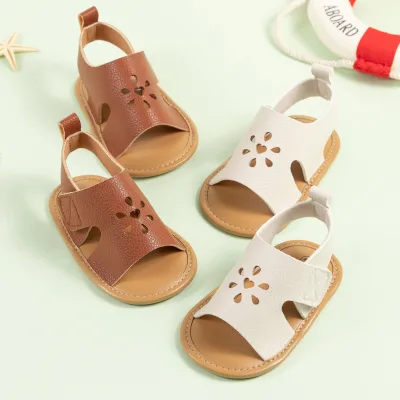
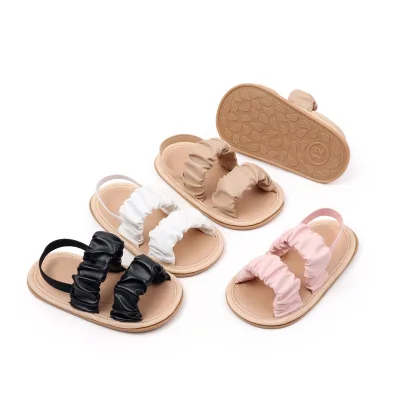
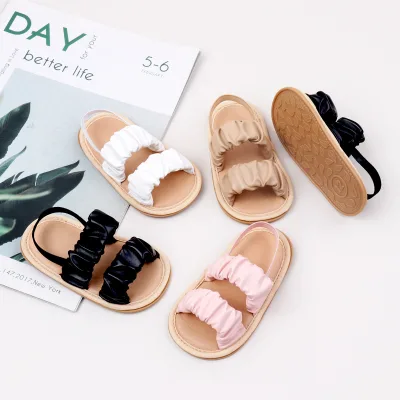
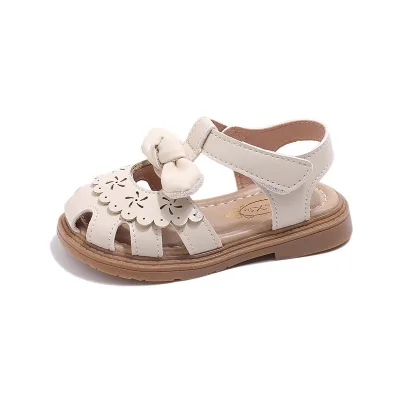
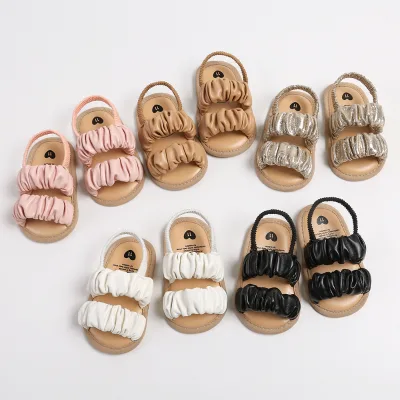
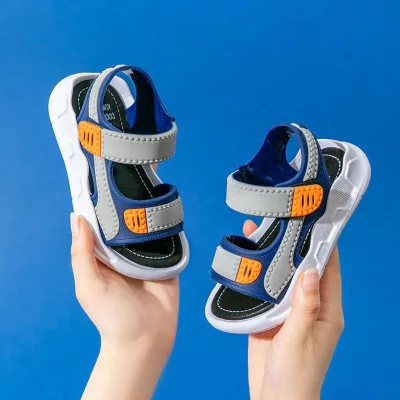
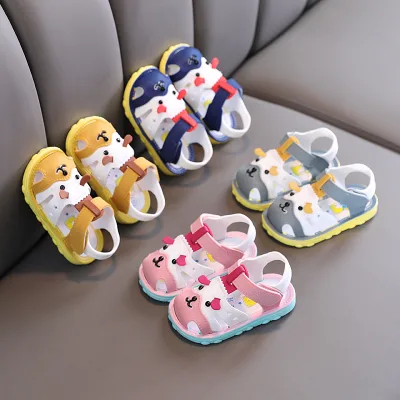
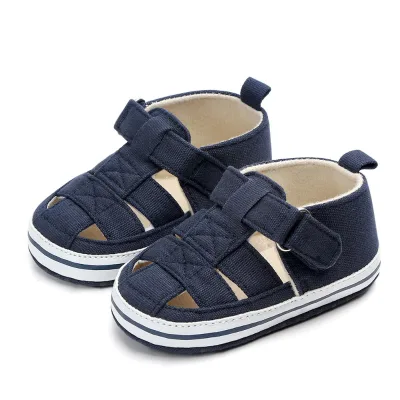


2023 New Design Customized Summer Kids Baby Home Slippers Children Slide Sandals
$1.50 - $3.50
MOQ: 1000 Pairs
Comprehensive Sourcing Guide
Strategic Sourcing Guide for Comfortable Summer Baby Sandals
Understanding Product Specifications and Material Composition
When sourcing Comfortable Summer Baby Sandals, the primary objective is to identify products that balance breathability, safety, and durability. The market offers a diverse range of configurations, but successful procurement relies on verifying specific material attributes against the needs of infant feet. A critical observation in the current supply landscape is the variation in lining materials. While some listings specify PU (Polyurethane) as the lining material, others indicate a broader range including leather, mesh, or fabric. For summer conditions, mesh or fabric linings are often preferred for their superior breathability, which helps prevent moisture buildup and skin irritation. However, PU remains a viable option if the buyer prioritizes ease of cleaning and water resistance, provided the product is explicitly noted as not waterproof to avoid trapping heat.
The insole material is another decisive factor for comfort. The supply data reveals the presence of both Rubber and TPR (Thermoplastic Rubber) insoles. TPR is frequently favored in the baby footwear sector due to its flexibility and shock-absorbing properties, which are essential for developing feet. Rubber insoles offer high durability and traction but may be slightly stiffer. Buyers must verify which material is used in the specific model they intend to purchase, as this directly impacts the "soft" feel often advertised in product features. Furthermore, the outsole material varies significantly; while some listings mention Cotton Fabric, others indicate TRR or similar compounds. For summer sandals, the outsole must provide adequate grip without being too heavy. The "Anti-Slip" feature is a common attribute observed in listings, suggesting that traction is a standard expectation for this category, but the specific compound used should be confirmed to ensure it meets safety standards for slippery surfaces.
Design Features and Seasonal Suitability
The design of summer baby sandals must align with the specific season of use. The available product data explicitly categorizes items for "Summer" and "Spring/Autumn," indicating that manufacturers tailor designs to temperature variations. For summer procurement, the "Peep Toe" style is a notable design element found in the market. This style allows for airflow while maintaining a secure fit, making it ideal for hot weather. Additionally, the "Flat" and "Low Heel" heel heights are standard for baby footwear, ensuring stability and preventing falls. The "Hook & Loop" or "Magic Tape" closure systems are prevalent in the listings, offering a practical solution for parents who need to adjust the fit quickly and securely.
Color and pattern also play a role in the selection process. The observed market includes options in "Blue" and "Beige," with "Cartoon" patterns being a popular choice for baby footwear. These aesthetic elements are not merely decorative; they often indicate the target demographic, such as "Baby Boy" or "Unisex" categories. When sourcing, buyers should ensure that the colorfastness of the dyes and the durability of the printed patterns are verified, as baby products are subject to frequent washing and exposure to sunlight. The "Closed Form" aspect of some designs, combined with the "Peep Toe" style, suggests a hybrid approach that offers protection while allowing ventilation. It is crucial to distinguish between models intended for pure summer use and those designed for transitional seasons, as the latter may have thicker linings or different sole compositions that could cause overheating in peak summer months.
Cost Drivers and Pricing Structures
The pricing landscape for baby sandals is influenced by several variables, including material quality, customization options, and order volume. The observed price range in the market spans from $0.59 to $7.30 USD, with specific models listed at $3.05, $4.50, $4.90, and $3.45. This wide variance suggests that price is heavily dependent on the complexity of the design and the quality of the materials used. For instance, models with TPR insoles and advanced anti-slip features may command higher prices compared to those with basic rubber insoles. Customization is a significant cost driver; the availability of customization options allows buyers to tailor products to their brand requirements, but this often incurs additional costs or requires higher minimum order quantities (MOQs).
MOQs vary widely, ranging from 30 pairs per size to 1000 pairs, with specific listings showing quantities like 600, 1200, 1800, and 800 pairs. The MOQ structure is directly linked to the production model and the supplier's capacity. Smaller MOQs, such as 30 pairs per size, are advantageous for buyers testing the market or launching new designs, while larger quantities are necessary for established brands seeking economies of scale. The packing configuration, such as 60 pairs per carton or polybag plus carton, also affects the logistics cost. Buyers must calculate the total landed cost, including shipping, which is influenced by the shipment method (Sea, Air, or Train) and the volume of the order. Understanding these cost drivers is essential for negotiating favorable terms and ensuring that the final product remains competitive in the target market.
Compliance, Testing, and Safety Standards
Safety and compliance are non-negotiable aspects of sourcing baby footwear. The supply data indicates that products undergo "Physical & Chemical" testing, a critical requirement for ensuring that materials are free from harmful substances. For baby products, this testing is particularly rigorous, as infants are more susceptible to chemical exposure. Buyers must verify that the supplier conducts these tests in accredited laboratories and provides detailed reports. While specific certification names are not universally listed in the general data, the mention of standards such as "0-2 years old" implies that the products are designed to meet age-specific safety requirements.
It is imperative for buyers to confirm that the products comply with the regulations of their target market, such as the CPSIA in the United States or the EN71 standards in Europe. The "Standard Export Carton" and "Polybag+Carton" packaging options suggest that suppliers are aware of international shipping requirements, but buyers should also check for specific labeling requirements regarding age groups and material composition. The "Anti-Slip" and "Soft" features mentioned in the product attributes are functional claims that must be substantiated through testing. Buyers should request sample test results to validate these claims, ensuring that the sandals provide the necessary traction and comfort without compromising safety. Additionally, the "Not Waterproof" attribute highlights a specific limitation that must be communicated to end-users to prevent misuse and potential safety hazards.
Supplier Evaluation and Production Capabilities
Evaluating suppliers requires a thorough assessment of their production capabilities, lead times, and quality control processes. The observed data indicates a mass production lead time of 30-45 days, with a sample lead time of 10 days. These timelines are critical for supply chain planning, especially for seasonal products like summer sandals where timing is crucial. Buyers should verify that the supplier can consistently meet these deadlines, as delays can result in missed sales opportunities. The origin of the products is listed as China, a major hub for footwear manufacturing, but buyers should assess the specific factory's reputation and capacity.
The "Unisex" and "Baby Boy" gender classifications suggest that suppliers have the flexibility to produce various styles, but buyers should confirm the supplier's ability to handle specific design requests. The "Standard Export Carton" and "Polybag+Carton" packing options indicate that the supplier is experienced in international logistics, but buyers should inspect the packing quality to ensure that products arrive in perfect condition. Supplier evaluation should also include a review of their quality control protocols. The presence of "Physical & Chemical" testing suggests a commitment to quality, but buyers should visit the factory or request third-party audit reports to verify these practices. Additionally, the "Customization" availability is a key differentiator, allowing buyers to create unique products, but it requires close collaboration with the supplier to ensure that design changes do not compromise quality or lead times.
Long-Term Procurement and Quality Assurance
Long-term procurement success depends on establishing a reliable partnership with suppliers who can deliver consistent quality and adapt to market changes. The "Summer" and "Spring/Autumn" seasonal classifications highlight the need for suppliers to have a robust production schedule that aligns with seasonal demand. Buyers should plan their orders well in advance to accommodate the 30-45 day mass production lead time and the 10-day sample lead time. Quality assurance should be an ongoing process, involving regular inspections and testing of samples from production batches.
The "Anti-Slip" and "Soft" features are key selling points that must be maintained over time. Buyers should implement a quality control plan that includes random sampling and testing of finished goods to ensure that these features remain consistent. The "Not Waterproof" attribute should be clearly communicated to retailers and consumers to manage expectations and prevent returns. Furthermore, the "Customization" option offers a strategic advantage for building a unique brand identity, but it requires careful management to avoid production errors. By focusing on these long-term considerations, buyers can build a sustainable supply chain that delivers high-quality, Comfortable Summer Baby Sandals while minimizing risks and maximizing profitability.
FAQs
What lining materials are available for these sandals?
The available lining materials include PU, leather, mesh, or fabric. While PU is common for easy cleaning, mesh or fabric options are preferred for summer breathability to prevent moisture buildup.
Which insole materials ensure comfort for baby feet?
Insoles are made from either rubber or TPR (Thermoplastic Rubber). TPR is often favored for its flexibility and shock absorption, while rubber offers high durability and traction for developing feet.
Can I customize the design and packaging of these sandals?
Yes, customization is available for design and packaging requirements. Buyers can tailor products to their brand needs, though this may influence the minimum order quantity and production timeline.
What is the typical mass production lead time for orders?
The mass production lead time ranges from 30 to 45 days. Sample lead times are shorter, typically taking 10 days, which is critical for planning seasonal summer inventory.
Which closure types are used for these baby sandals?
The sandals feature Hook & Loop or Magic Tape closure systems. These designs allow parents to adjust the fit quickly and securely, ensuring stability for active babies.
What are the minimum order quantities for different models?
MOQs vary by model, ranging from 30 pairs per size to 1000 pairs total. Specific listings show quantities like 600, 1200, or 1800 pairs depending on the product specification.
How are the sandals tested for safety and quality?
Products undergo physical and chemical testing to ensure safety. This verification is essential for baby footwear to confirm materials are free from harmful substances before reaching the market.