Source Commercial Can Openers for Home Kitchen Restaurant
Compare 30 Commercial Can Openers from verified suppliers. Options include stainless steel manual models, multifunctional designs, and custom packaging for home, kitchen, restaurant, and bar use.
Key considerations
Products List


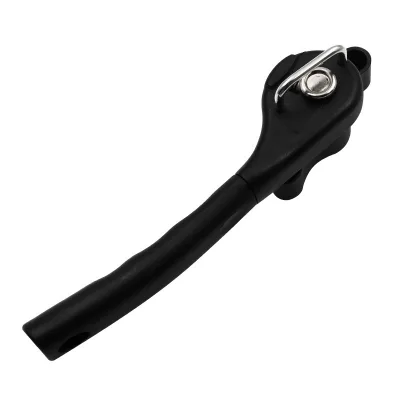


Can Opener, Metal Opener, Wine Opener, Beer Opener, Kitchen Opener, Promotion Opener
$0.20 - $0.30
MOQ: 500 Pieces


Manual Can Openers, Stainless Steel Opener with Ergonomic Designed Mi12243
$2.09 - $2.50
MOQ: 100 Pieces


Comprehensive Sourcing Guide
Strategic Sourcing Guide for Commercial Can Openers
Understanding Product Variants and Technical Specifications
The commercial can opener market presents a diverse array of equipment designed to meet varying operational demands, from high-volume restaurant kitchens to institutional cafeterias. When initiating a procurement strategy, the primary distinction lies in the mechanical configuration and intended application. The supplied product data indicates a prevalence of manual stainless steel models, which are often categorized by specific industry standards such as the #2 44cm specification. This standard typically refers to the cutting mechanism size and the overall length of the lever, ensuring compatibility with standard commercial can sizes.
Buyers must differentiate between single-purpose manual openers and multifunctional units. The data reveals models featuring magnetic properties and keychain attachments, suggesting a design focus on portability and user retention in casual or bar settings. Conversely, heavy-duty commercial units often prioritize durability over aesthetic features like shape or color. The material composition is a critical technical specification; the majority of observed listings utilize stainless steel, a choice driven by the need for corrosion resistance in humid kitchen environments and ease of sanitation. Some entries also list "Metal" as a generic material, which requires further clarification to ensure the specific alloy grade meets food safety requirements.
The physical dimensions of the unit are equally significant. While some models are standardized at 13 inches, others offer customized sizing to fit specific ergonomic requirements or storage constraints. The "Rabbit" shape mentioned in the data refers to a specific lever design that provides mechanical advantage, reducing the force required by the operator. For commercial buyers, the choice between a simple T-shape design and a more complex rabbit-style mechanism depends on the volume of cans to be opened daily and the physical capabilities of the staff.
Compliance, Certification, and Safety Standards
In the commercial sector, adherence to safety and quality standards is non-negotiable. Procurement teams must verify that suppliers can provide documentation confirming compliance with relevant international and regional standards. The available data points to several specific certifications, including CE, SGS, GEM, and RoHS. These certifications indicate that the product meets European safety requirements, has undergone third-party quality inspection, and complies with restrictions on hazardous substances.
However, the presence of these certifications in a general listing does not guarantee that every unit in a specific order batch meets these standards. Buyers must explicitly request current test reports and certificates of conformity for the specific model being purchased. For instance, while "CE" is listed, the buyer should confirm the specific directive under which the product is certified, such as the Machinery Directive or Low Voltage Directive, depending on the electrical components if any are present. Similarly, "SGS" and "GEM" represent third-party verification, but the scope of the inspection must be defined.
Food safety is paramount for kitchen equipment. While the data mentions "Best" quality, this is a subjective claim. Buyers should verify that the stainless steel used complies with food-grade standards, such as 304 or 316 grade, which are resistant to rust and chemical leaching. The "RoHS" certification is particularly relevant for any electronic components or coatings used in the manufacturing process, ensuring that lead and other heavy metals are not present in hazardous quantities.
Cost Drivers and Pricing Structures
The pricing landscape for Commercial Can Openers is influenced by several variable factors, resulting in a wide observed range from $0.05 to $32.50 USD. This disparity is not merely a reflection of brand value but is driven by material costs, manufacturing complexity, and order volume. The lower end of the price spectrum typically corresponds to basic manual models with minimal features, such as simple T-shape designs or those packaged in basic plastic bags. These units often have lower material specifications and less rigorous quality control processes.
Conversely, the higher price points are associated with units featuring advanced materials, such as high-grade stainless steel, specialized ergonomic designs, or multifunctional capabilities like integrated bottle openers or magnetic features. The cost also escalates with the level of customization required. The data indicates that "Customization" is available, including logo printing and color options. These value-added services incur additional tooling and setup costs, which are passed on to the buyer.
Order volume is a primary driver of unit cost. The observed Minimum Order Quantity (MOQ) ranges from 10 to 3,000 units, with a specific mention of 100 PCS and 500 PCS as common thresholds. Buyers purchasing smaller quantities may face a higher per-unit cost due to the fixed costs of production setup and logistics. To optimize costs, procurement teams should aim to consolidate orders to meet the lower MOQ tiers while avoiding excessive inventory that ties up capital. Additionally, packaging requirements, such as moving from simple plastic bags to custom cartons or branded boxes, will significantly impact the final landed cost.
Typical Applications and Usage Scenarios
Commercial Can Openers serve a wide range of environments, each with distinct operational requirements. The data highlights usage in "Home Kitchen," "Restaurant," "Bar," and "Hospitality" settings. In a high-volume restaurant or institutional kitchen, the primary requirement is speed and durability. Manual openers with the #2 44cm standard and robust stainless steel construction are ideal for these environments, as they can withstand continuous use without mechanical failure.
Bars and hospitality venues often utilize multifunctional openers that combine can opening with bottle opening capabilities. The data mentions "Beverage Bottle Openers" and "Beer Bottles" as specific use cases, indicating that some units are designed to handle multiple types of packaging. These units often feature a "Rabbit" shape or a "T Shape" design that allows for quick switching between tasks. The inclusion of a keychain feature in some models suggests utility in mobile or outdoor catering scenarios where equipment needs to be easily transported.
For institutional settings like schools or hospitals, the focus shifts to safety and ease of cleaning. Units with smooth surfaces and no crevices where food particles can accumulate are preferred. The "Wall Mounted Bottle Opener" model listed in the data is particularly relevant for commercial bars or break rooms where space optimization is critical. These units are designed to be fixed to a surface, reducing clutter and preventing loss. Buyers must match the specific application to the product features; a basic manual opener may suffice for a small cafe, while a large catering operation might require a fleet of heavy-duty, standardized units.
Supplier Evaluation and Sourcing Criteria
Selecting the right supplier is a critical step in the procurement process. The data indicates that the majority of products originate from China, with specific manufacturing hubs in Fenghua, Jiangmen, and Guangdong. While these regions are known for metalware manufacturing, buyers must conduct due diligence to ensure the supplier has the capacity to meet commercial quality standards.
Key evaluation criteria include the supplier's ability to provide customization services, as indicated by the "Logo: Customized" and "OEM: Yes" attributes. A capable supplier should be able to handle logo printing, color customization, and packaging requirements without compromising the structural integrity of the product. The "More details: Please contact us" attribute suggests that many listings are generic and require direct communication to finalize specifications. Buyers should prioritize suppliers who are responsive and willing to provide detailed technical specifications and samples.
The MOQ requirements vary significantly, ranging from 10 to 3,000 units. Suppliers with lower MOQs may be more suitable for startups or businesses testing new product lines, while those with higher MOQs may offer better economies of scale for established enterprises. Buyers should also verify the supplier's quality control processes, looking for evidence of consistent production standards and the ability to provide the certifications mentioned earlier, such as CE and SGS.
Quality Control and Long-Term Procurement Considerations
Ensuring long-term value requires a rigorous quality control (QC) strategy. The observed product attributes, such as "Stainless Steel" and "Metal," must be verified through physical inspection or third-party testing. Buyers should request samples to test the cutting mechanism, the sharpness of the blade, and the durability of the handle. The "Customized" standard mentioned in the data implies that specifications can vary, making sample verification essential before placing a bulk order.
Packaging is another critical aspect of quality control. The data lists various packaging options, including "One Piece Into One Box," "Plastic Bags / Cartons," and "PP Bag and White Box." The choice of packaging affects the product's protection during transit and its presentation to the end-user. For commercial buyers, durable packaging that prevents damage and maintains the product's appearance is vital. The "Carton" option is generally preferred for bulk shipments to ensure stability and protection.
Long-term procurement considerations include the availability of spare parts and the supplier's ability to maintain consistent quality over time. While the data does not explicitly mention spare parts, buyers should inquire about the availability of replacement blades or handles, especially for high-volume operations. Additionally, the "Age: New" attribute confirms that the products are current, but buyers should ensure that the supplier has a stable supply chain to avoid disruptions. Establishing a long-term relationship with a supplier who can consistently meet the #2 44cm standard and other technical requirements will ensure operational continuity and cost efficiency.
Comparative Analysis of Product Attributes
To facilitate decision-making, the following table summarizes the key attributes observed in the commercial can opener market, highlighting the variations that buyers must navigate.
| Attribute Category | Observed Variations | Procurement Consideration |
|---|---|---|
| Material | Stainless Steel, Metal | Verify food-grade alloy (e.g., 304/316) for corrosion resistance. |
| Standard/Size | #2 44cm, 13inch, Customized | Match size to can types; verify standard compatibility. |
| Design Type | Rabbit, T Shape, Wall Mounted | Select based on ergonomics and space constraints. |
| Features | Magnetic, Keychain, Multifunctional | Assess necessity for specific use cases (e.g., bars vs. kitchens). |
| Packaging | Box, Plastic Bag, PP Bag, Carton | Choose based on shipping volume and branding needs. |
| Certifications | CE, SGS, GEM, RoHS | Request valid certificates for specific batches. |
| MOQ | 10, 100, 500, 3000 | Align order volume with budget and storage capacity. |
| Origin | China (Fenghua, Jiangmen, Guangdong) | Verify supplier capacity and logistics capabilities. |
This comparative overview underscores the importance of detailed specification matching. The wide range of options allows for tailored procurement but requires careful evaluation to ensure the selected product meets the specific operational needs of the commercial environment. By focusing on material quality, certification validity, and supplier reliability, buyers can secure a supply chain that supports efficient and safe operations.
FAQs
What materials are used for Commercial Can Openers?
Most Commercial Can Openers are constructed from stainless steel to ensure corrosion resistance and ease of sanitation. Some listings also specify generic metal, which requires verification to confirm the specific alloy grade meets food safety standards for your kitchen environment.
Which standards do these openers typically meet?
Products often comply with international certifications such as CE, SGS, GEM, and RoHS to ensure safety and quality. Buyers must explicitly request current test reports for the specific model to confirm compliance with relevant directives and food-grade requirements.
Can I customize the logo and packaging?
Yes, customization is available for logos, colors, and packaging requirements like cartons or plastic bags. Suppliers can handle these value-added services, though they may incur additional tooling costs and require direct communication to finalize specific design details.
What is the typical minimum order quantity?
Minimum order quantities range from 10 to 3,000 units, with common thresholds at 100 or 500 pieces. Lower MOQs suit startups testing new lines, while higher volumes offer better economies of scale for established enterprises purchasing bulk inventory.
Where are these commercial openers manufactured?
The majority of products originate from China, with specific manufacturing hubs located in Fenghua, Jiangmen, and Guangdong. Buyers should conduct due diligence on these regional suppliers to ensure they meet commercial quality standards and have the capacity for customization.
How do pricing factors affect the final cost?
Prices range from $0.05 to $32.50 based on material quality, complexity, and order volume. Higher costs are associated with advanced features like magnetic properties or high-grade stainless steel, while basic models with minimal packaging remain at the lower end of the spectrum.