Source Commercial Dumpling Maker for Restaurants, Hotels, and Catering
Find and compare 30 Commercial Dumpling Maker options for restaurants, hotels, and catering operations. Evaluate specifications such as capacity, voltage, and automation levels to select the right equipment for your food production needs.
Key considerations
Products List


$248.00 - $268.00
MOQ: 1 Pieces

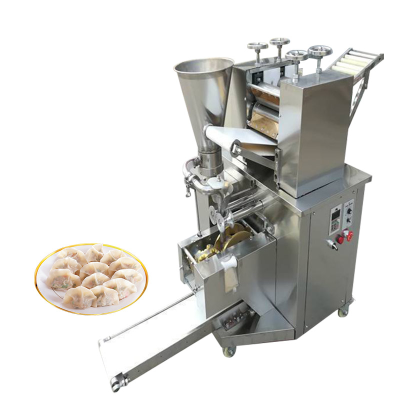


Dumpling Equipment Food Machinery Kitchen Equipment Commercial Restaurant Dumpling Machine
$13100.00 - $13500.00
MOQ: 1 Pieces

Dumpling Machine Sumai Making Equipment Food Machinery Dumpling Maker Kitchen Equipment
$13100.00 - $13500.00
MOQ: 1 Pieces


High Quality Dumpling Making Machine Semi-Auto Tabletop Dumpling Machine
$4900.00 - $5000.00
MOQ: 1 Pieces

Hot sale Commercial Dumpling Maker machine for Efficient Snack Production
$630.00 - $650.00
MOQ: 1 Sets


Commercial Dumpling Machine Dumpling Maker Gyoza Making Machine on Sale
$810.00 - $2400.00
MOQ: 1 Sets
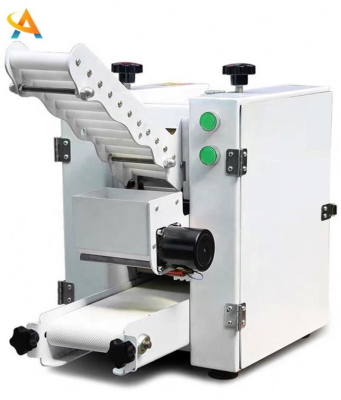

High Production Small Dumpling Making Machine Dumpling Maker Machine
$1500.00 - $3500.00
MOQ: 1 Pieces


Manual Dumpling Machine Dumpling Making Machine Price Dumpling Maker Machine
$2560.00 - $3600.00
MOQ: 1 Sets

Dumpling Machine Automatic Dumpling Machine for Home Small Dumpling Machine
$2560.00 - $3600.00
MOQ: 1 Sets


Comprehensive Sourcing Guide
Commercial Dumpling Maker Sourcing Guide
Selecting the right Commercial Dumpling Maker requires a careful balance between production volume, product variety, and operational efficiency. Buyers must first determine whether their facility needs a high-speed automatic line for mass production or a semi-automatic unit for smaller batches and diverse shapes. The market offers a spectrum of machinery, from compact units capable of handling specific weights to large-scale systems designed for continuous operation in industrial settings. Understanding these distinctions is critical before engaging with suppliers, as the wrong choice can lead to bottlenecks or underutilized capacity.
This guide provides evidence-based procurement advice for sourcing commercial dumpling makers, focusing on verified technical specifications, compliance requirements, and commercial terms. By analyzing observed listing signals and standard industry practices, buyers can navigate the complex landscape of food processing equipment with confidence. The following sections detail the key factors that influence purchasing decisions, ensuring that the selected machinery aligns with both current operational needs and future scalability goals.
Product Scope and Observed Listing Signals
The Commercial Dumpling Maker market exhibits significant variation in product capabilities, as evidenced by observed listing signals. Listings indicate a wide price range, typically spanning from $11 to $14,500 USD, which reflects the disparity between basic manual or semi-automatic units and fully automated industrial systems. Similarly, the Minimum Order Quantity (MOQ) ranges from 1 to 2,000 pieces, suggesting that suppliers cater to both individual restaurant owners and large-scale manufacturing plants. Buyers should interpret these ranges as indicators of market diversity rather than fixed benchmarks, as specific configurations can drastically alter pricing and order requirements.
Observed product attributes reveal a strong focus on versatility and customization. Many machines are designed to handle multiple product types, including dumplings, samosas, and empanadas, with adjustable configurations for product weights ranging from 10-33 grams. Some models offer capacities of 30-60 pieces per minute, while others claim higher hourly outputs, such as 0-20,000 pieces per hour. These variations highlight the importance of matching machine specifications to specific production targets. Buyers must verify these claims against their actual throughput needs, as advertised capacities often assume ideal operating conditions and specific dough consistency.
Technical Specifications to Verify
When evaluating technical specifications, voltage and power requirements are primary considerations for integration into existing facility infrastructure. Common voltage ratings observed in the market include 220V, 220V~380V, and 220V/110V, with power consumption ranging from 500W to 1.75kW. Buyers must ensure that their electrical systems can support these loads, particularly for automatic models that may require three-phase power. Additionally, the automatic grade of the machine, whether semi-automatic or fully automatic, dictates the level of labor input required. Semi-automatic units often require manual feeding or monitoring, while automatic models integrate motor-driven processes for continuous operation.
Physical dimensions and weight are crucial for facility planning and logistics. Observed machine dimensions vary significantly, with some models measuring 148014401290mm and others 17607601300mm. Machine weights also differ, ranging from 110kg to 550kg, which impacts floor loading requirements and installation complexity. Buyers should verify the material composition, with stainless steel being a common standard for food-contact surfaces due to its durability and ease of cleaning. Furthermore, core components such as motors should be assessed for quality and reliability, as they are central to the machine's operational longevity and performance consistency.
Compliance and Safety Documentation
Compliance with international standards is essential for ensuring the safety and reliability of commercial food processing equipment. Certifications such as CE and ISO are frequently cited in product listings, indicating adherence to specific safety and quality management principles. Buyers should request valid certification documents to verify that the machinery meets the regulatory requirements of their target market. While ISO 9001, ISO 14001, and ISO 45001 are recognized standards for quality, environmental, and occupational health management, buyers must confirm whether these apply to the manufacturer or the specific product model.
Safety features and operational protocols are another critical aspect of compliance. Machines must be designed to prevent accidents during operation, with appropriate guards and emergency stop mechanisms. Buyers should inquire about the warranty terms, which typically range from one year, to understand the supplier's commitment to product quality. Additionally, the marketing type of the product, whether classified as an ordinary or new product, may influence the availability of updated safety features. Ensuring that the equipment complies with local food safety regulations is paramount, and buyers should consult with local authorities to identify any specific requirements for commercial kitchen equipment.
Cost Drivers and Commercial Terms
Several factors influence the total cost of ownership for commercial dumpling makers, including customization options, packaging, and shipping methods. Customization is often available, allowing buyers to tailor machines to specific product shapes or sizes, but this may incur additional costs and longer lead times. Packaging methods, such as wooden packing, wooden boxes, or standard export packing, affect both the protection of the equipment during transit and the associated shipping expenses. Buyers should clarify these details in their quotations to avoid unexpected charges.
Commercial terms such as OEM acceptance and warranty coverage play a significant role in the procurement decision. Suppliers that accept OEM orders may offer more flexibility in branding and design, which can be beneficial for large buyers. Warranty terms, typically lasting one year, provide a safety net against manufacturing defects, but buyers should verify the scope of coverage and the availability of spare parts. Additionally, the origin of the product, often listed as China or Shanghai, can impact shipping costs and delivery times. Buyers should negotiate clear terms regarding payment methods, delivery schedules, and after-sales support to mitigate financial risks.
Supplier Qualification and Quality Control
Supplier qualification is a critical step in ensuring the reliability of the purchased equipment. Buyers should assess the supplier's production capabilities, quality control processes, and track record in the industry. Factories that produce automatic and semi-automatic machines should have robust quality assurance systems in place to ensure consistency in product performance. Buyers can request factory audits or third-party inspections to verify these claims, particularly for high-value automatic models.
Quality control measures should extend to the raw materials and components used in the machine's construction. Stainless steel components should meet specific grade standards to resist corrosion and withstand frequent cleaning. Motors and other core components should be sourced from reputable manufacturers to ensure durability. Buyers should also inquire about the testing procedures conducted before shipment, such as load tests and safety checks. Establishing a clear communication channel with the supplier for technical support and troubleshooting is essential for maintaining operational efficiency over the long term.
Long-Term Procurement Checks
Long-term procurement success depends on the ability to adapt to changing market demands and technological advancements. Buyers should regularly review their production needs and compare them with the capabilities of their existing equipment. As product varieties expand, the flexibility of the dumpling maker to handle different shapes and sizes becomes increasingly important. Suppliers that offer continuous product updates and customization services can help buyers stay competitive in the market.
Maintenance and spare parts availability are key factors in minimizing downtime and extending the lifespan of the equipment. Buyers should establish a preventive maintenance schedule and ensure that they have access to genuine spare parts. Building a strong relationship with the supplier can facilitate faster response times for technical issues and repairs. Additionally, staying informed about industry trends and new technologies can help buyers make informed decisions about future upgrades or replacements. By focusing on these long-term considerations, buyers can maximize the return on their investment in commercial dumpling makers.
FAQs
What is the production capacity of the Commercial Dumpling Maker?
The machine capacity ranges from 30 to 60 pieces per minute or up to 20,000 pieces per hour depending on the specific model. This variation allows buyers to select a unit that matches their specific production volume requirements for restaurants or larger facilities.
Can the Commercial Dumpling Maker be customized for different products?
Yes, customization is available for various applications including dumplings, samosas, and empanadas. Buyers can choose between semi-automatic and automatic grades to suit their operational needs while ensuring the machine handles different dough weights and shapes effectively.
What certifications do the Commercial Dumpling Maker machines hold?
The machines hold CE and ISO certifications to ensure safety and quality standards. These certifications indicate that the equipment meets international requirements for electrical safety and management systems, providing assurance for commercial kitchen environments.
What is the minimum order quantity for purchasing a dumpling maker?
The minimum order quantity can be as low as one piece for certain models. However, some listings indicate an MOQ of up to 2000 units, so buyers should verify the specific supplier requirements before placing an order for their facility.
How much does the Commercial Dumpling Maker weigh?
Machine weights vary significantly, ranging from 110 kg to 550 kg depending on the model and configuration. Heavier units like the 550 kg model often feature robust stainless steel construction for high-volume industrial applications.
What voltage is required to operate the Commercial Dumpling Maker?
The machines typically operate on 220V, with some models supporting a range of 220V to 380V. This flexibility allows the equipment to be installed in various regions with different electrical standards without requiring complex voltage conversion systems.
What is the warranty period for the Commercial Dumpling Maker?
A standard warranty of one year is provided for the Commercial Dumpling Maker machines. This coverage ensures that buyers receive support for core components like the motor, protecting their investment against manufacturing defects during the initial operational period.