Source Commercial Electric Elliptical Machine for Gyms
Find a Commercial Electric Elliptical Machine for fitness centers, home gyms, and rehabilitation clinics. Compare 30 models with varying resistance gears, display types, and certifications to find the right equipment for your facility; compare the available evidence and request quotations based on your requirements.
Key considerations
Products List

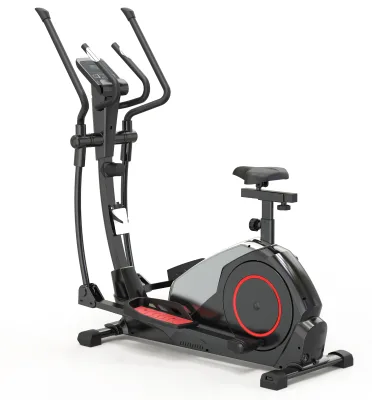
Commercial Multifunctional Fitness Equipment with Electric Elliptical Machine
$984.00 - $1176.00
MOQ: 5 Pieces


Commercial Multifunctional Fitness Equipment with Elliptical Machines for Gym
$889.00 - $1075.00
MOQ: 5 Pieces

Commercial Professional Fitness Equipment with Elliptical Machine for Gym
$523.00 - $615.00
MOQ: 5 Pieces

2026 Commercial Multifunctional Fitness Equipment with Elliptical Machines
$889.00 - $1075.00
MOQ: 5 Pieces



Comprehensive Sourcing Guide
Commercial Electric Elliptical Machine Sourcing Guide
Procuring commercial electric elliptical machines requires distinguishing between general fitness equipment and units designed for high-traffic gym environments. The observed market data indicates a diverse range of models, from the SW-8650D to the EG-9015 series, each tailored for specific operational needs. Buyers must carefully evaluate whether a unit is intended for a commercial gym center or a lighter-duty setting, as the structural integrity and component durability vary significantly between these categories.
The product listings reveal distinct variations in key attributes such as resistance gear counts, which range from 8 to 32 gears across different models. This variance directly impacts the smoothness of the workout and the machine's ability to handle continuous use by multiple users daily. Sourcing decisions should prioritize models with higher gear counts and robust flywheels, such as the 12 kg option noted in specific listings, to ensure longevity and user satisfaction in a professional setting.
Product Scope and Observed Listing Signals
Buyers should analyze the physical dimensions and packaging specifications to determine logistics feasibility for their facility. The observed data shows packing sizes ranging from compact 0.35 cubic meters to larger units measuring 2120730830mm, with some models requiring wooden boxes while others use standard cartons. Understanding these spatial requirements is critical for warehouse planning and final installation, as the footprint of the machine, such as the 20806201680mm standard, dictates floor space allocation.
Customization options are a significant signal of supplier flexibility, with many listings offering customized logos and optional color schemes. This capability allows gym operators to align equipment aesthetics with their brand identity, a crucial factor for commercial establishments. However, buyers must verify if these customizations affect the lead time or minimum order quantities, as some suppliers may have specific thresholds for personalized branding requests.
Technical Specifications to Verify
The resistance mechanism is a primary technical differentiator, with observed models featuring gear counts of 8, 16, and 32. A higher gear count generally correlates with smoother motion and better load distribution, which is essential for commercial-grade ellipticals. Procurement teams must verify the specific flywheel weight, such as the 12 kg option available in certain models, as this directly influences the inertia and the quality of the pedaling experience for users of varying fitness levels.
Display and monitoring capabilities are equally vital for user engagement and workout tracking. The data highlights units equipped with 5-inch LCD screens and heart rate display ranges spanning 50 to 256 beats per minute. Buyers should confirm that the speed display range, observed up to 99.99, is accurate and that the interface is intuitive for gym staff and members. Ensuring these electronic components are robust and resistant to heavy daily use is a key verification step before finalizing a purchase.
Compliance and Safety Documentation
Safety certifications are non-negotiable for commercial equipment, and the observed listings frequently cite CE and ISO standards. Some suppliers provide additional RoHS certification, indicating compliance with restrictions on hazardous substances, which is increasingly important for international procurement. Buyers must request valid certification documents for each specific model to ensure that the equipment meets the regulatory requirements of their local jurisdiction and insurance providers.
Product standards often include specific dimensional references that may be confused with physical sizes, such as the 20506601800mm or 2200×750×1620mm figures found in the data. These numbers likely represent specific compliance benchmarks or internal model codes rather than external dimensions. Procurement teams must clarify these figures with the supplier to avoid confusion, ensuring that the actual product dimensions align with the facility's spatial constraints and safety clearance requirements.
Cost Drivers and Commercial Terms
Pricing in the commercial elliptical market is influenced by the complexity of the resistance system and the quality of the frame construction. The observed price range spans from 1 to 2999 USD, reflecting a wide spectrum of product tiers from basic to high-end commercial units. Buyers should correlate the price point with the observed specifications, such as the number of resistance gears and the inclusion of advanced display features, to ensure they are paying for genuine commercial-grade durability rather than consumer-grade components.
Minimum Order Quantities (MOQ) and packaging types are critical commercial terms that affect the total cost of ownership. The data indicates an MOQ of 5 sets for certain models, which may require buyers to coordinate bulk purchases or negotiate with other facilities. Additionally, the choice between plywood boxes, wooden boxes, and standard cartons impacts shipping costs and the risk of damage during transit, necessitating a careful review of the packing specifications before finalizing the order.
Supplier Qualification and Quality Control
Origin and manufacturing location play a significant role in supply chain reliability, with the observed data pointing to suppliers based in China, specifically Shandong. Buyers should verify the specific factory capabilities and production history of the supplier to ensure they can consistently meet the high standards required for commercial equipment. Understanding the geographic concentration of manufacturers can also help in assessing the logistics network and potential lead times for delivery.
Quality control processes must be rigorously defined, particularly regarding the warranty and build quality. The observed warranty period of 1 year suggests a baseline expectation for product reliability, but buyers should negotiate extended terms for commercial applications where downtime is costly. It is essential to establish clear protocols for handling defects, ensuring that the supplier provides timely support for any mechanical or electronic failures that may arise during the warranty period.
Long-Term Procurement Checks
Maintenance requirements and spare parts availability are critical for the long-term viability of commercial elliptical machines. Buyers should inquire about the availability of replacement parts for high-wear components like resistance gears and flywheels, as these are subject to constant stress in a gym environment. A supplier that maintains a robust inventory of spare parts ensures that the equipment can remain operational with minimal downtime, protecting the investment over its intended lifespan.
The adaptability of the equipment to future needs is another long-term consideration, especially regarding customization and upgrade potential. While current listings offer customized logos and optional colors, buyers should assess whether the machine's software or hardware can be upgraded as technology evolves. Ensuring that the elliptical machine can grow with the facility's needs will prevent premature obsolescence and maximize the return on investment for the gym center.
FAQs
What certifications do commercial electric elliptical machines have?
Commercial electric elliptical machines typically hold CE and ISO certifications to ensure safety and quality standards. Some models also include RoHS certification for environmental compliance. These credentials verify that the equipment meets international regulatory requirements for gym centers and commercial use, providing assurance for buyers sourcing from China.
How many resistance gears are available in these machines?
Resistance gear options vary by model, with common configurations including 8, 16, or 32 gears. Higher-end units like the Ypoo E7 PRO offer 32 gears for precise intensity control. Buyers should check specific product specifications to determine the exact resistance levels suitable for their commercial gym center requirements.
Can I customize the logo on commercial elliptical machines?
Yes, customized logo availability is a standard option for many commercial elliptical machines. Buyers can request branding to match their gym center identity. This customization service allows for professional presentation in commercial settings. Please confirm specific logo requirements with the supplier during the ordering process to ensure accurate application.
What is the typical packaging for these elliptical machines?
Packaging options include plywood boxes, cartons, and wooden boxes depending on the model. For instance, some units use carton packaging while others require wooden boxes for protection. The packing size varies, such as 0.35 cubic meters or specific dimensions like 2120*730*830mm, ensuring safe transit from the origin in China.
What is the minimum order quantity for these machines?
The minimum order quantity is typically 5 sets for commercial electric elliptical machines. This MOQ applies to many standard models available from suppliers. Buyers should verify the specific MOQ for their chosen model, as some items may have different requirements. This threshold helps streamline production and logistics for commercial orders.
What is the warranty period for commercial elliptical trainers?
A standard warranty of 1 year is commonly provided for commercial elliptical machines. This coverage protects against manufacturing defects and ensures reliability in high-traffic gym environments. Buyers should review the specific warranty terms for each model, as conditions may vary. This support helps maintain equipment performance and reduces long-term operational risks.