Source Commercial Laptop Control Aroma Diffuser for Hotels, Homes, Offices
Source 30 commercial laptop control aroma diffusers with electric power and customizable features. Buyers can compare models like VS3600A and Vf301A for hotel, home, and office use, noting oil capacities and noise levels under 45dba; compare the available evidence and request quotations based on your requirements.
Updated
Key considerations
Products List


Commercial Factory Price Intelligent WiFi Function Aroma Scent Diffuser
$109.00 - $130.00
MOQ: 100 Pieces


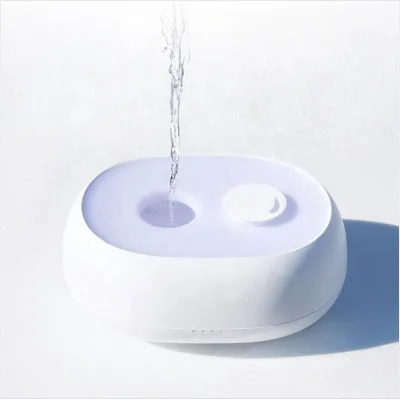
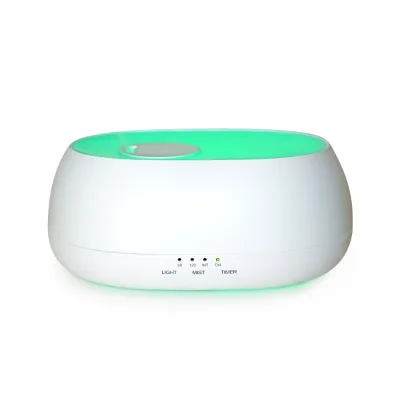

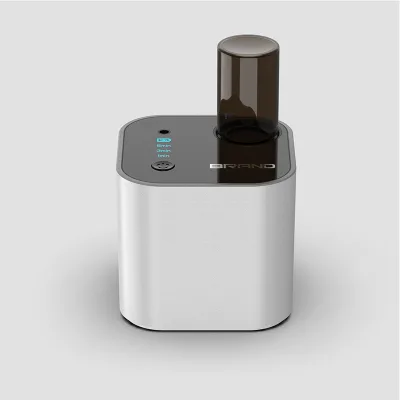
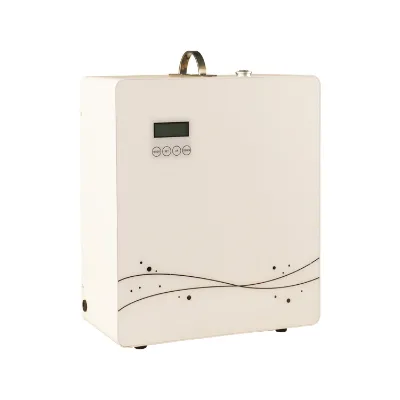
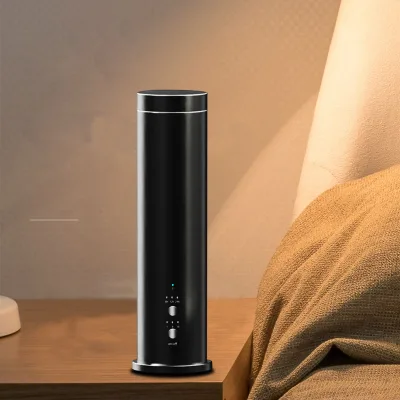
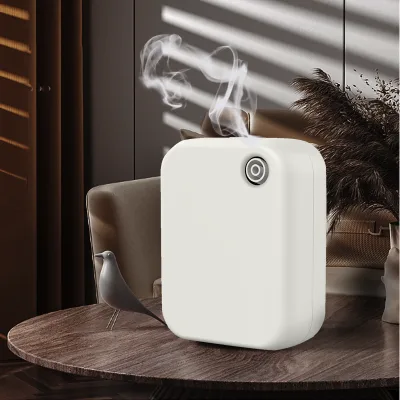
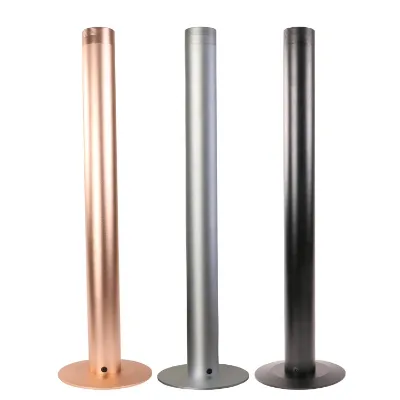
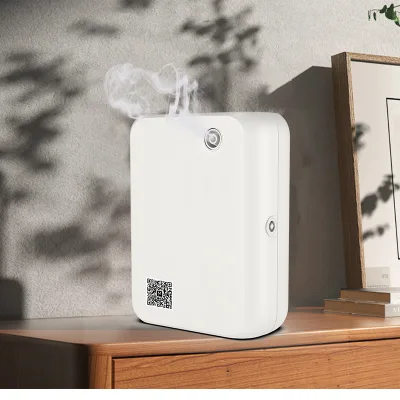
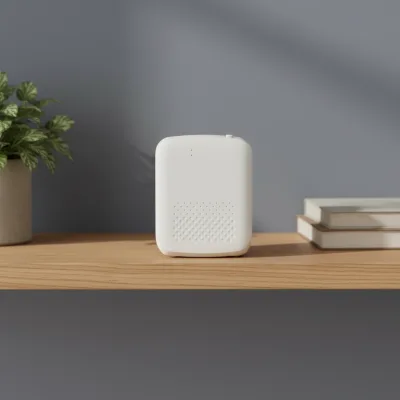
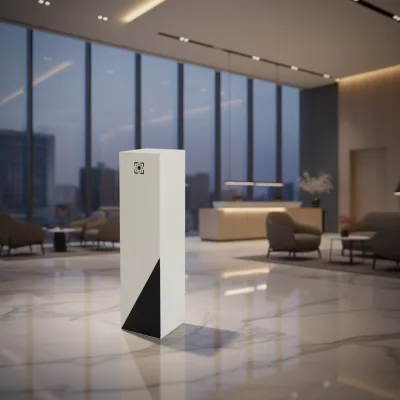
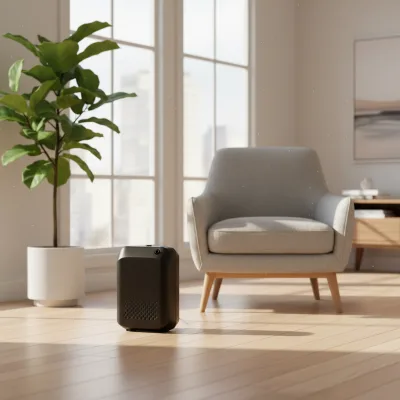
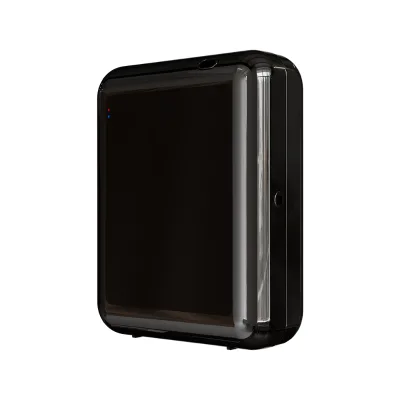


Comprehensive Sourcing Guide
Commercial Laptop Control Aroma Diffuser Sourcing Guide
Sourcing commercial-grade aroma diffusers requires a careful balance between aesthetic integration and functional reliability, particularly when targeting high-traffic environments like hotels and hospitality venues. The market offers a variety of tabletop and portable units designed to enhance ambient scent profiles without disrupting the visual harmony of a space. Buyers must prioritize devices that offer precise control mechanisms, ensuring consistent fragrance distribution while maintaining low operational noise levels. This guide outlines the critical technical and commercial factors necessary for selecting the right equipment for commercial deployment.
The procurement process involves evaluating multiple product attributes, from power supply modes to oil consumption rates, to ensure alignment with specific venue requirements. With observed price ranges varying significantly, buyers need to understand the cost drivers behind features like intelligent time control, Bluetooth connectivity, and custom branding options. This document provides a structured approach to verifying specifications, assessing supplier qualifications, and establishing long-term maintenance protocols for commercial aroma diffusion systems.
Product Scope and Observed Listing Signals
The current market landscape for commercial aroma diffusers includes a diverse range of models, such as the VS3600A, Vs1300abw, Vf301A, and Vf130r, each catering to different spatial and operational needs. These devices are primarily designed for hotel and home usage, featuring tabletop or portable installations that allow for flexible placement in lobbies, guest rooms, or private suites. The observed product count of thirty listings indicates a competitive market with varying levels of customization, including acrylic panel pattern customization and logo printing services, which are essential for brand consistency in commercial settings.
Key operational signals include the availability of electric power types, with some models utilizing DC adapters for safer, low-voltage operation. Noise levels are a critical differentiator, with observed specifications ranging from under 25 dBA to under 45 dBA, ensuring that the devices do not disturb guests in quiet environments. Additionally, the presence of timing functions and intelligent control modes, such as WiFi and Bluetooth connectivity, allows for remote management and scheduling, which is vital for efficient facility management in large commercial properties.
Technical Specifications to Verify
When evaluating technical specifications, buyers must verify the power supply requirements and energy efficiency of each unit. Observed data indicates a range of voltage inputs, including 12V and 5V DC, with power consumption varying from 1.5W to 6W. It is crucial to confirm the compatibility of these power sources with existing infrastructure, especially for wall-mounted or desktop installations. The net weight of units, such as the 0.85kg Vf301A, also impacts installation flexibility, allowing for easy relocation or adjustment as needed in dynamic commercial environments.
Oil capacity and consumption rates are equally important for operational planning. Models like the Vf130r feature a 120ml oil bottle capacity with a consumption rate of 0.5-0.6ml/hr, while others may support larger capacities up to 5L or specific bottle sizes like 150ml. Buyers should calculate the coverage area, which ranges from 50m² to 300m³, to ensure adequate scent distribution for the intended space. Verifying the product dimensions, such as 14063160mm or 10615788mm, ensures that the diffusers fit seamlessly into the designated installation areas without obstructing traffic or aesthetics.
Compliance and Safety Documentation
Safety compliance is paramount when deploying electrical devices in commercial spaces, particularly those operating on low-voltage DC power. Buyers must request documentation confirming that the diffusers meet relevant electrical safety standards for the target market, including certifications for low voltage operation and material safety. The use of materials like metal and PP (polypropylene) should be verified for durability and resistance to wear, ensuring that the devices can withstand frequent handling and cleaning in high-traffic hotel environments.
Additionally, noise emission levels must be documented to ensure compliance with hospitality industry standards for quiet operation. Specifications indicating noise levels below 25 dBA or 45 dBA should be supported by independent test reports or manufacturer declarations. Buyers should also verify the warranty terms, typically offering one year of coverage, and confirm the availability of aftersales services, such as free repairs, to mitigate the risk of downtime and ensure long-term operational reliability for the commercial facility.
Cost Drivers and Commercial Terms
The cost of commercial aroma diffusers is influenced by several factors, including the complexity of control systems, material quality, and customization options. Models with intelligent time control, Bluetooth, and WiFi capabilities generally command higher prices due to the added technology and connectivity features. Customization services, such as acrylic panel pattern customization and logo printing, also contribute to the final cost, as they require additional manufacturing steps and design resources to meet specific brand requirements.
Minimum Order Quantities (MOQ) and pricing structures vary across suppliers, with observed MOQs ranging from 1 to 500 units. Buyers should negotiate bulk pricing tiers to optimize costs for large-scale deployments, while also considering the total cost of ownership, including oil consumption and maintenance. The observed price range of $5.23 to $165.9 USD reflects the diversity in features and build quality, so buyers must align their budget with the specific performance and aesthetic needs of their commercial project.
Supplier Qualification and Quality Control
Selecting a reliable supplier involves verifying their manufacturing capabilities and quality control processes. Buyers should inquire about the supplier’s experience in producing commercial-grade diffusers and their ability to handle custom orders, including logo printing and packaging customization. The origin of the products, typically China, should be assessed for logistical efficiency and supply chain stability, ensuring timely delivery for large orders. Suppliers with a track record of providing consistent product specifications and reliable aftersales support are preferred for long-term partnerships.
Quality control measures should include regular inspections of critical components, such as the oil bottle capacity, power supply modules, and control interfaces. Buyers should request samples to verify the actual noise levels, oil consumption rates, and connectivity functionality before placing bulk orders. Establishing clear communication channels for technical support and warranty claims is essential, as is confirming the supplier’s ability to provide replacement parts and maintenance services to ensure the longevity of the installed diffusers.
Long-Term Procurement Checks
Long-term procurement success depends on establishing robust maintenance and monitoring protocols for the installed diffusers. Buyers should develop a schedule for regular oil refilling and cleaning to prevent clogging and ensure consistent scent output. Monitoring oil consumption rates and comparing them against observed specifications, such as 1.4ml/hr or 2-2.2ml/hr, helps in predicting supply needs and optimizing inventory management. Regular checks of the power supply and connectivity modules ensure that the devices remain operational and responsive to remote control commands.
Furthermore, buyers should periodically review supplier performance and product reliability to identify any emerging issues or improvements. Maintaining a relationship with the supplier for potential upgrades or replacements is crucial, especially as technology evolves and new features become available. By staying informed about product updates and maintaining open lines of communication, buyers can ensure that their commercial aroma diffusion systems continue to meet the evolving needs of their hospitality or commercial environment.
FAQs
What power options are available for commercial laptop control aroma diffusers?
These diffusers typically use electric power with DC adapter inputs. Common specifications include 12V or 5V voltage ratings with low wattage consumption. Some models support intelligent time control via Bluetooth or WiFi connectivity. This allows for precise scheduling and remote management without requiring high-energy AC outlets, making them suitable for desktop or wall-mounted installations in various settings.
How much essential oil do these diffusers hold?
Oil capacity varies by model, ranging from small 120ml to 200ml bottles. Some larger units offer 1L or 5L oil capacity options for extended operation. The specific volume depends on the product size and intended usage environment. Buyers should check the individual model specifications to ensure the tank size meets their continuous diffusion needs and coverage area requirements.
Can these diffusers be customized for branding purposes?
Yes, customization is available for many commercial units. Buyers can request acrylic panel pattern customization to match brand aesthetics. Additionally, logo printing services are often provided to display corporate identity. These options allow businesses to integrate the diffuser seamlessly into their interior design while maintaining a professional appearance in hotels, homes, or office spaces.
What is the noise level of these aroma diffusers?
These devices are designed for quiet operation, with noise levels typically below 45 dBA. Some advanced models achieve even lower noise levels, under 25 dBA, ensuring minimal disruption. This low decibel rating makes them ideal for use in hotels, bedrooms, or offices where silence is preferred. The quiet performance supports a relaxing atmosphere without audible mechanical interference during diffusion cycles.
What warranty and after-sales support are provided?
Standard warranty coverage is typically one year for these commercial units. After-sales services often include free repairments to ensure long-term functionality. Buyers can rely on manufacturer support for technical issues or maintenance needs. This support structure helps businesses maintain consistent aroma diffusion operations with minimal downtime, ensuring reliable performance in hospitality or commercial environments over the product lifecycle.
Which materials are used in constructing these diffusers?
Manufacturers commonly use durable materials such as metal and PP plastic for construction. These materials provide structural integrity and resistance to wear in commercial settings. The choice of material often depends on the specific model design and aesthetic requirements. Buyers should verify the material composition for each model to ensure compatibility with their installation environment and durability expectations.