App Controlled Solar Collector Suppliers and Manufacturers
Source App Controlled Solar Collector options from 25 verified suppliers in China. Compare lead times, MOQs, certifications like CE and ISO, and pricing to find the right partner. Contact suppliers directly to request quotes and verify production capabilities; review the available evidence before requesting comparable quotations from suitable candidates.
Updated
Suppliers List

Jiangsu Imposol New Energy Co., Ltd.
- Verified by SGS
- Trading Company,Manufacturer/Factory,Individuals/Soho,Other
- China Jiangsu
- Lead time15 days
- Avg. response≤ 9h
Main productsSolar Water Heater, Solar Collector, Solar Heating, Air to Water Heat Pump, Solar Hot Heater, Swimming Pool Heat Pumps, Solar Water Tank, Solar Vacuum Tube, Solar Flat Panel Collector, Hot Water Heat Pumps
Main marketsSouth America,Eastern Europe,Mid East,North America,Southeast Asia,Eastern Asia,Oceania,Western Europe,Africa
Qingdao Dingyejunhong Solar Energy Technology Co., Ltd.
- Trading Company
- Shandng, China
- Lead time15 days
- Avg. response≤ 2h
Main productssolar system,Mono solar panel,inverter,battery,photothemal metal tube
Main marketsDomestic Market(70.00%), North America(13.00%), Western Europe(7.00%), South America(5.00%), Northern Europe(5.00%)
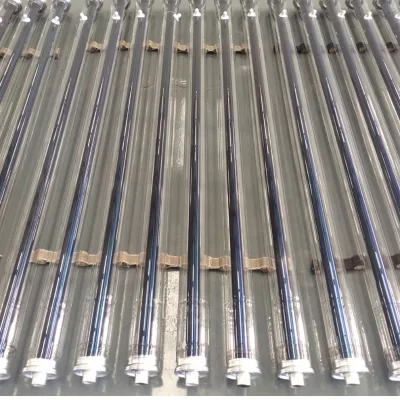
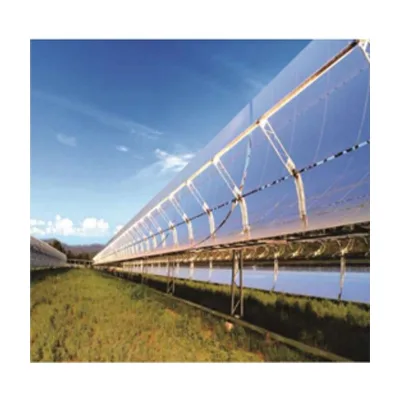
Solar Collector Two Side Tubes Solar Water Heater
$529.60 - $560.00
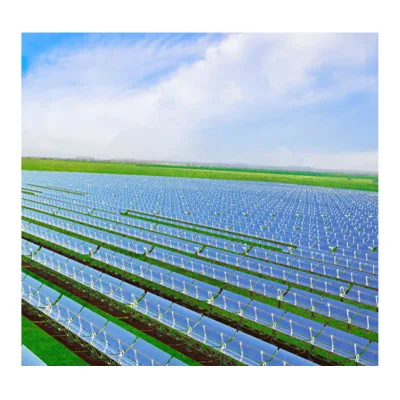
Jiangsu Sunrain Solar Energy Co., Ltd.
- Manufacturer, Trading Company
- Lead time旺季: "1 - 100":15,"> 100":"To be negotiated", 淡季: "1 - 100":15,"> 100":"To be negotiated"
- Avg. response≤ 2h
Main productsSolar Water Heater, Solar Collector, Heat Pump, Energy Storage Battery, Solar air Conditioner
$300.00
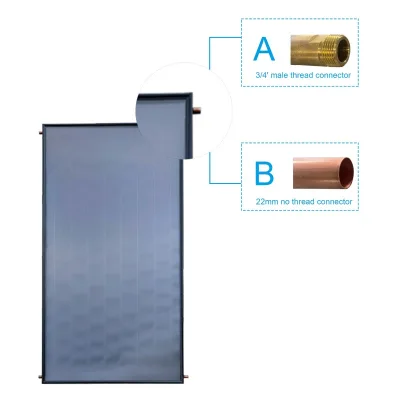
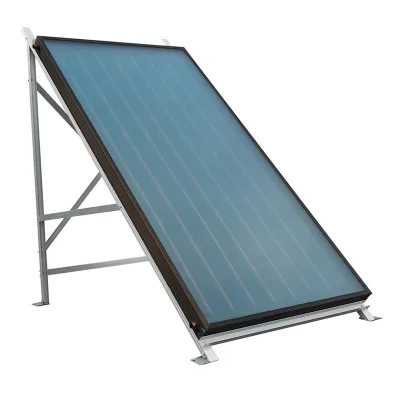
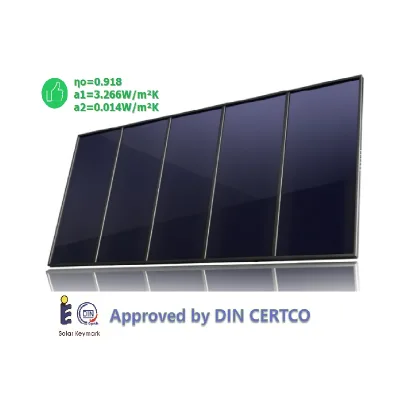

Haining Qiruite Photoelectric Co., Ltd.
- Verified by BV
- Combined
- China Zhejiang
- Lead time30 days
- Avg. response≤ 3h
Main productsSolar Water Heater, Solar Collector, Pressurized Solar Water Heater, Solar Light, Solar Water Heater Accessory, Solar Hot Water Project, Solar Heater, Solar Hot Water, Solar Boiler, Vacuum Tube Solar Water Heater
Main marketsSouth America,Africa,Southeast Asia/ Mideast,Europe,Australia,North America

Solar Panel Collector System Pressurized Solar Collector with Heat Pipe
$90.00 - $460.00
MOQ: 1 Pieces

Thermodynamic Solar Pool Collector Pressurized Solar Collector with Solar Keymark
$90.00 - $460.00
MOQ: 1 Pieces


Jiaxing Jinyi Solar Energy Technology Co., Ltd.
- Manufacturer
- Zhejiang, China
- Lead time15 days
- Avg. response≤ 9h
Main productsSolar Water Heater (Export Only)
Main marketsSouth America(29.80%), Southern Europe(17.00%), South Asia(12.80%), Eastern Europe(12.80%), Africa(8.50%), Western Europe(8.10%), Southeast Asia(3.80%), Central America(3.40%), Mid East(1.30%), North America(1.30%), Northern Europe(0.50%), Eastern Asia(0.40%), Oceania(0.30%)
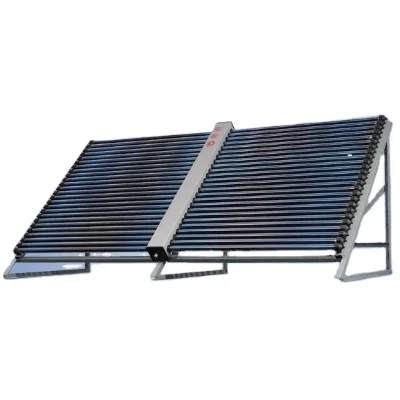
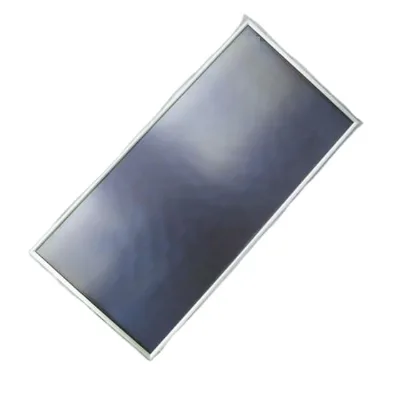
Blue Titanium Flat Plate Solar Collector for Solar Water Heater
$119.00 - $180.00
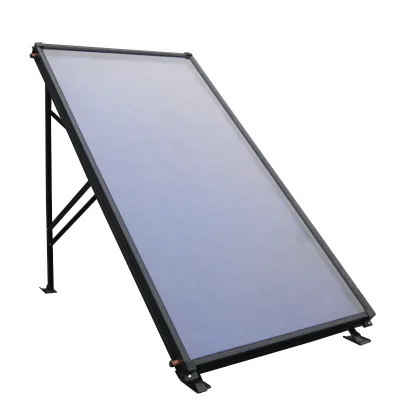
Solar Panel Flat Plate Collector for 150L Solar Water Heater
$129.00 - $299.00
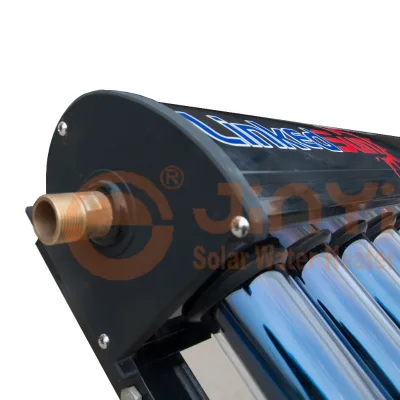
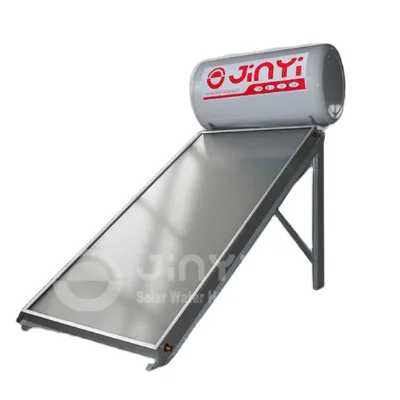
Jinyi High Effciency JMC Model Heat Pipe Heating Solar Collector
$125.30 - $409.60
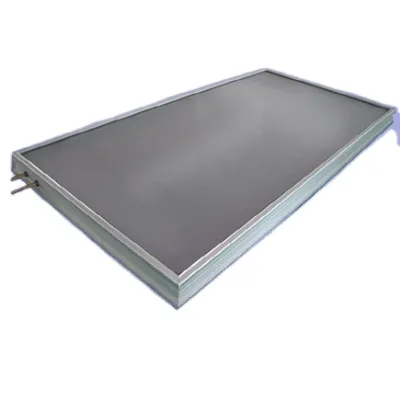
High Quality Tempered Glass Flat Plate Solar Collector with Frame
$140.00 - $180.00
Zhejiang Jiadele Technology Co., Ltd.
- Verified by TüVRheinland
- Manufacturer, Trading Company
- Lead time15 days
- Avg. response≤ 3h
Main productsSolar Water Heater, Solar Collector, Air To Water Heat Pump
Main marketsWestern Europe(70%), South America(10%), Southeast Asia(10%)
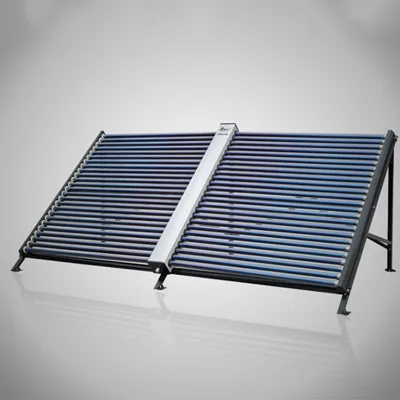
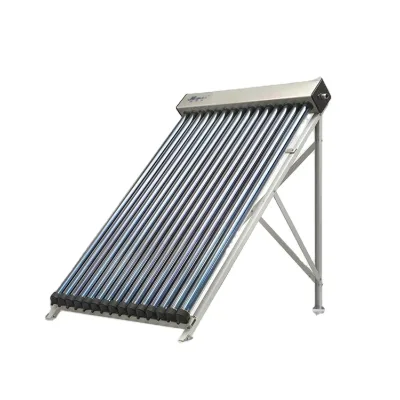
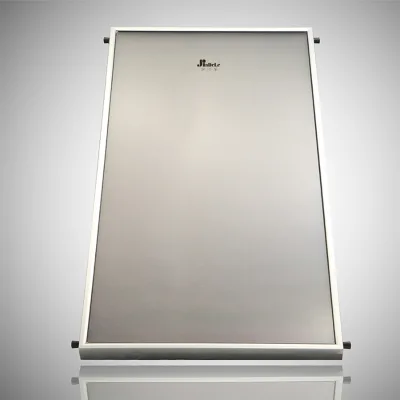
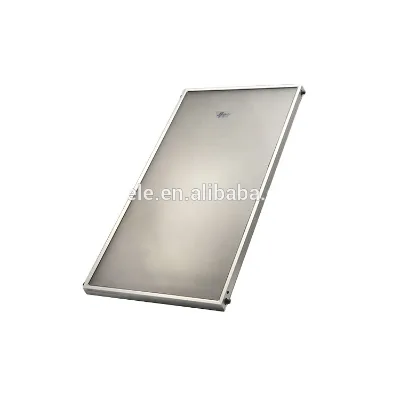
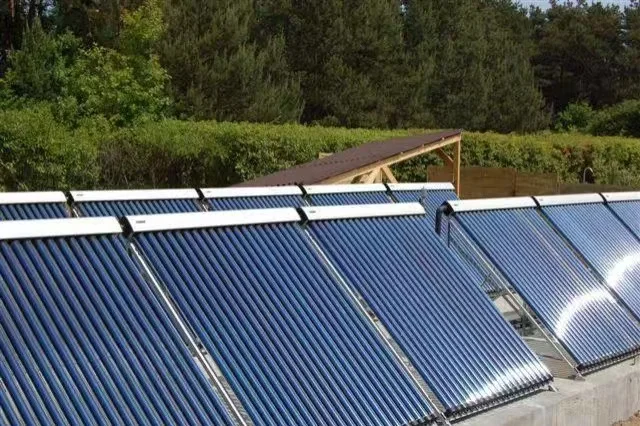
JIADELE Hot Selling Solar Panel Collector With Split Pressure Tank 316L Solar Collector Panel
$114.00 - $146.00
MOQ: 100 Minimum
Zhejiang Handa New Energy Co., Ltd.
- Trading Company
- Zhejiang, China
- Lead time10 days
- Avg. response≤ 2h
Main productsSolar water heater,solar collector,Solar water heater accessories,Solar water heater production equipment,solar vacuum tube
Main marketsNorth America(25.00%), South America(17.00%), Eastern Europe(16.00%), Southeast Asia(15.00%), Africa(9.00%), Domestic Market(2.00%), South Asia(2.00%), Southern Europe(2.00%), Northern Europe(2.00%), Central America(2.00%), Western Europe(2.00%), Eastern Asia(2.00%), Mid East(2.00%), Oceania(2.00%)
Haining Sunfull Technology Co., Ltd.
- Manufacturer, Trading Company
- Zhejiang, China
- Lead time10 days
- Avg. response≤ 11h
Main productsSolar Water Heater,Solar Water Heater Accessory
Main marketsNorth America(70.00%), South America(10.00%), South Asia(5.00%), Africa(5.00%), Domestic Market(5.00%), Mid East(5.00%)

Inlight New Energy (Zhejiang) Co., Ltd.
- Verified by BV
- Combined
- China Zhejiang
- Lead time30 days
- Avg. response≤ 4h
Main productsSolar Water Heater, Solar Collector, Solar Geyser, Non-Pressurized Solar Water Heater, Cooper Coil Solar Water Heater, Heat Pipe Solar Water Heater, Heat Pipe Solar Collector, Glass Tube Solar Collector, Flat Plate Solar Collector, Solar Glass Tube
Main marketsSouth America,Africa,Southeast Asia/ Mideast,East Asia(Japan/ South Korea),Europe,Australia,North America
Zhejiang Kesun New Energy Co., Ltd.
- Verified by TüVRheinland
- Manufacturer, Trading Company
- Lead time15 days
- Avg. response≤ 4h
Main productsSolar Heater, Photovoltaic Water Heater, PVT Solar Panel
Main marketsNorth America(80%), South America(5%), Africa(5%)
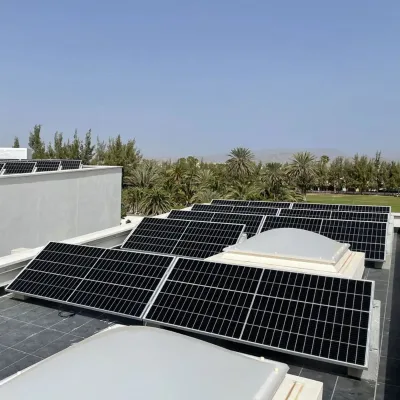
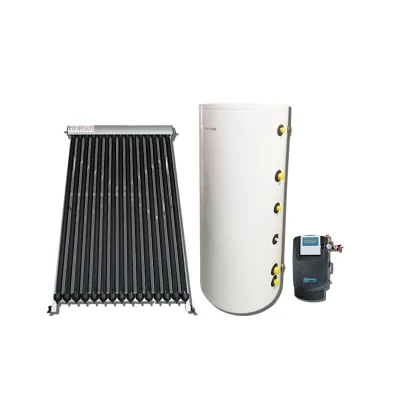
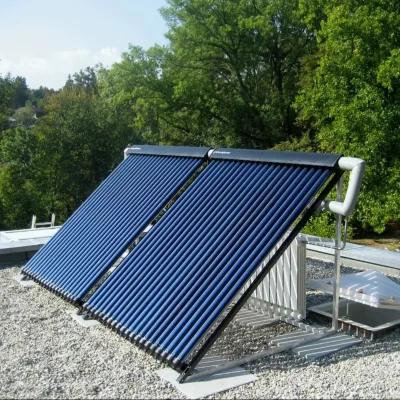
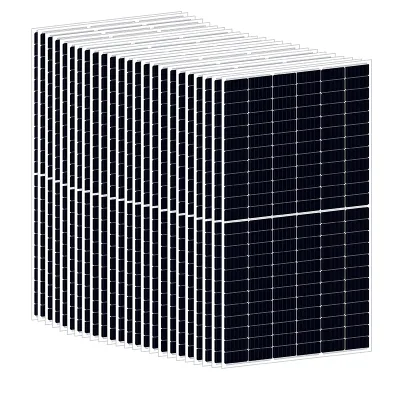
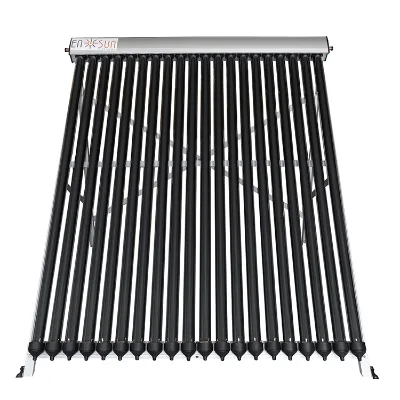
ENSUN Solar Thermal Collector Solar Projects OEM Service Available Solar Collector for Hot Water
$184.6854 - $410.4101
MOQ: 2 sets
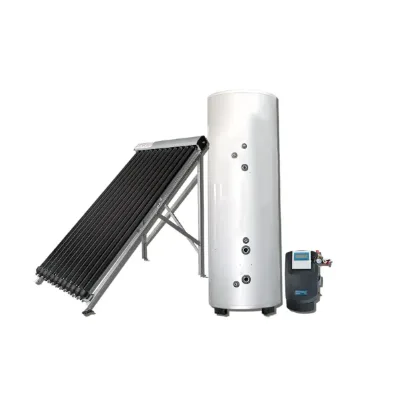
Guangzhou Sst Heating Energy Co., Ltd.
- Verified by SGS Group
- Manufacturer, Trading Company
- Lead time15 days
- Avg. response≤ 1h
Main productsWater Tank, tainless Steel Welding Products
Main marketsDomestic Market(30%), North America(10%), Eastern Europe(10%)
Shenzhen Poolmax Pool Equipment Co., Ltd.
- Verified by SGS Group
- Manufacturer, Trading Company
- Lead time10 days
- Avg. response≤ 4h
Main productsAutomatic Pool Cover System, Saltwater Chlorinator, Solar Shower, Solar Pool Heating Panel, Automatic Pool Cleaner
Main marketsOceania(30%), Western Europe(26%), Domestic Market(20%)
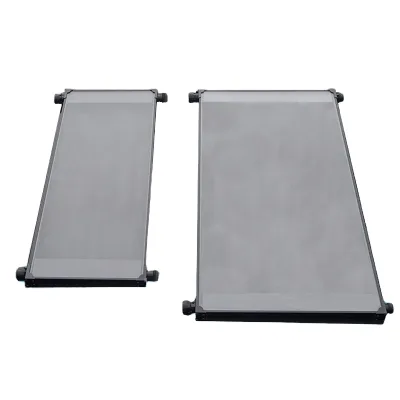
Solar Energy Collector for Pool with Vacuum Tube Heat Pipe
$307.00 - $338.00
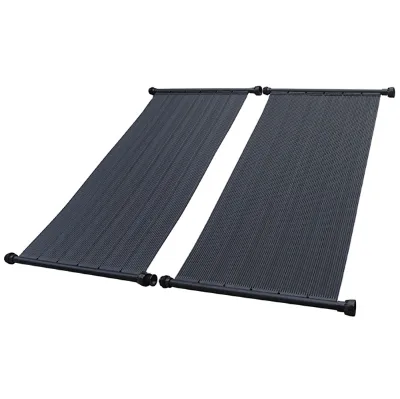
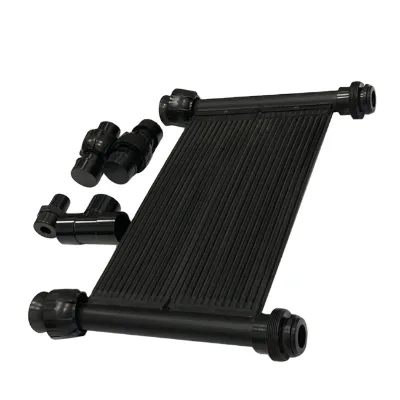
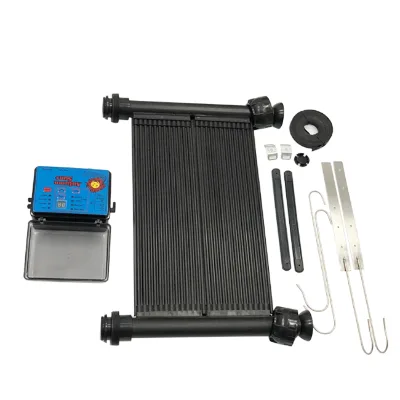
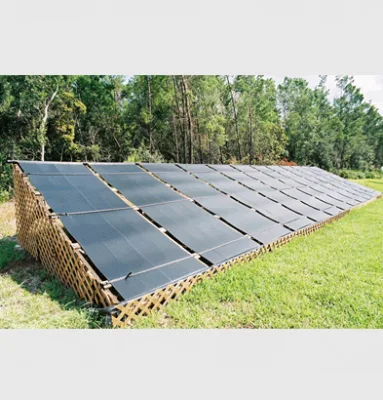
Ground Installation DIY Installation Plastic Solar Heating Collector Pool Water
$92.00 - $135.00
MOQ: 2 square
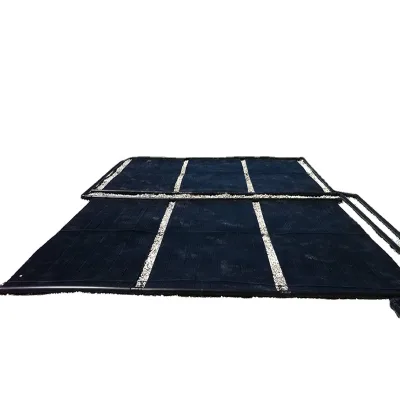
Factory Hard Roof Top Swimming Pool Solar Collector Water Heater
$99.00 - $125.00
$101.7861 - $107.9549
MOQ: 1 square

Haining Vod Solar Energy Industry Co., Ltd.
- Verified by TUVRHEINLAND
- Trading Company,Manufacturer/Factory
- China Zhejiang
- Lead time23 days
- Avg. response≤ 8h
Main productsSolar Energy, Solar Water Heater, Solar Hot Water Heater, Solar Energy Water Heater, Solar Panel, Solar Collector, Solar Light, Solar Car, Heat Exchanger, Workstation
Main marketsSouth America,Eastern Europe,Mid East,North America,Southeast Asia,Eastern Asia,Oceania,Western Europe,Africa

Lebria(haining)new Energy Co., Ltd.
- Manufacturer, Trading Company
- Zhejiang, China
- Lead time15 days
- Avg. response≤ 4h
Main productssolar vacuum tube,solar water heater,high pressure vaccum tube,accessoires of solar water heater,aluminum fin
Main marketsNorth America(70.00%), South America(20.00%), Eastern Europe(10.00%)
- Manufacturer, Trading Company
- Lead time旺季: "1 - 50":20,"51 - 100":30,"> 100":"To be negotiated", 淡季: "1 - 50":20,"51 - 100":30,"> 100":"To be negotiated"
- Avg. response≤ 3h
Main productsSolar Thermal, Solar Photovoltaic, Heat Pump, Energy Storage System, Mosaic Tile
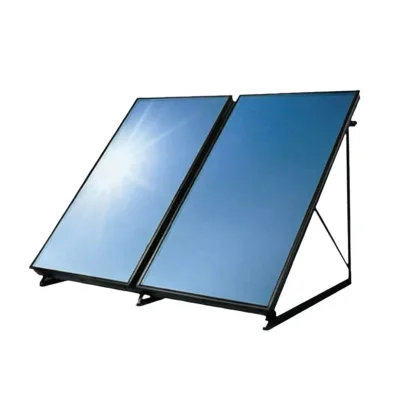
$93.3014 - $109.8888
MOQ: 5 sets
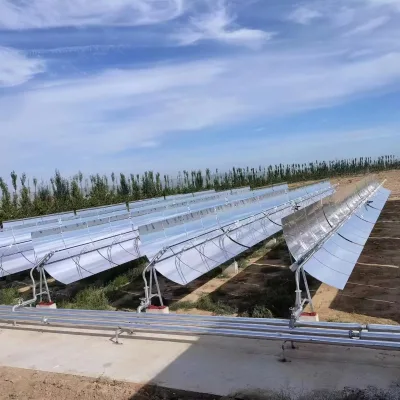
$2412.4137 - $4427.2102
MOQ: 1 sets
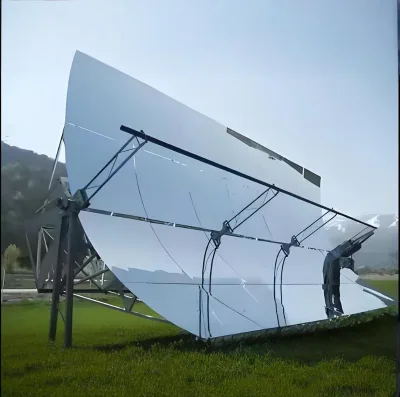

Jiangsu Obuy New Energy Development Co., Ltd.
- Verified by BV
- Trading Company,Manufacturer/Factory
- China Jiangsu
- Lead time15 days
- Avg. response≤ 4h
Main productsSolar Water Heater, Heat Pump, Hot Water System, Solar Collector System, Heat Pump Water Heating, Solar Thermal Combined with Heat Pump, Water Tank, Vaacuum Tube Solar Collector, Flat Plate Solar Collector, Solar Collector
Main marketsSouth America,Eastern Europe,Mid East,North America,Southeast Asia,Eastern Asia,Oceania,Western Europe,Africa
Haining Jinneng Water Heater Co., Ltd.
- Verified by TüVRheinland
- Manufacturer, Trading Company
- Lead time8 days
- Avg. response≤ 1h
Main productsSolar Water Heater, Buffer Water Tank, Electric Water Heater, Heat Pump Water Heater
Main marketsDomestic Market(50%), Western Europe(15%), South America(10%)

HAINING YANGYANG TRADE CO., LTD.
- Trading Company,Manufacturer/Factory
- China Zhejiang
- Lead time23 days
- Avg. response≤ 11h
Main productsSolar Water Heater, Solar Collector, Flat Plate Solar Water Heater, Solar Water Heater Accessories, Solar Water Heater Production Line, Pvt Solar Collector, Heat Pump for Domestic and Project Usage, Construction Machinery, Package Straps, PVC/Silicone Bracelets
Main marketsSouth America,Eastern Europe,Mid East,North America,Southeast Asia,Eastern Asia,Oceania,Western Europe,Africa

Jiaxing Yingan New Material Co., Ltd
- Verified by SGS
- Trading Company,Manufacturer/Factory
- China Zhejiang
- Lead time23 days
- Avg. response≤ 1h
Main productsSolar Water Heater, Wire Harness
Main marketsMid East,Southeast Asia,Western Europe,Africa

Solar Electric Dual Power Solar Water Heater Collector for Outdoor Project
$70.00 - $150.00
MOQ: 10 Sets

Multi Angle Adjustable Solar Water Heater Collector for Sloped Roof Buildings
$70.00 - $150.00
MOQ: 10 Sets

10 Years Warranty Solar Water Heater Collector for Factory Hot Water System
$70.00 - $150.00
MOQ: 10 Sets
- Trading Company
- Zhejiang, China
- Lead time30 days
- Avg. response≤ 1h
Main productsCoating machine,Grinder Machine,Filling Machine,Oil Press Machine,Label Machine
Main marketsSouthern Europe(10.00%), Western Europe(10.00%), Eastern Asia(10.00%), Mid East(10.00%), Africa(10.00%), Southeast Asia(10.00%), Eastern Europe(10.00%), South America(10.00%), North America(10.00%), South Asia(5.00%), Northern Europe(5.00%)
Zhejiang Jiajiare New Energy Co., Ltd.
- Manufacturer, Trading Company
- Zhejiang, China
- Lead time15 days
- Avg. response≤ 12h
Main productsSolar Water Heater,Solar Water Heater Accessories,Pellet Stove,Patio Heater,pellet heater
Main marketsSouth America(40.00%), Domestic Market(20.00%), Western Europe(15.00%), South Asia(5.00%), Eastern Asia(5.00%), Africa(5.00%), Mid East(5.00%), Southeast Asia(5.00%)

- Manufacturer/Factory
- China Tianjin
- Lead time15 days
- Avg. response≤ 1h
Main productsParabolic Trough, Solar Controller, Receiver Tube, Solar Water Heater, Tower Heliostat, Solar Collector, Solar Inverter, Solar Pump, Quartz Tube, Heat Pump
Main marketsSouth America,Eastern Europe,Mid East,North America,Southeast Asia,Eastern Asia,Oceania,Western Europe,Africa

Solar Work Station 1500W Built-in Pump Control Water Tank and Collector
$329.00 - $429.00
MOQ: 100 Sets

Concentrated Solar Thermal (CST) Solar Collector with Sun Tracker for Large Scale Power Plants
$16300.00 - $23600.00
MOQ: 2 Sets

Aperture Area 15.3m2 Csp Solar Trough Collector with Gearbox and Motor
$3290.00 - $4990.00
MOQ: 2 Sets

Two Axis Heliostat Collector with Reflector, Motor, Tracker in Solar Power Plants
$315.00 - $395.00
MOQ: 36 Square Meters

Three Square Meters Flat Panel Solar Collector for Split and Central Hot Water
$119.00 - $149.00
MOQ: 20 Pieces
Zhejiang Linyan New Energy Co., Ltd.
- Verified by TüVRheinland
- Manufacturer, Trading Company
- Lead time15 days
- Avg. response≤ 2h
Main productsSolar Water Heaters, Heat Pipe Solar Collectors, Hot Water Storage Tanks, Flat Plate Solar Collectors, Solar Hot Water Tanks
Main marketsNorth America(46%), Eastern Europe(12%), Africa(11%)
Haining Futesi New Energy Co., Ltd.
- Verified by TüVRheinland
- Manufacturer, Trading Company
- Lead time0 days
- Avg. response≤ 4h
Main productsSolar Water Heaters, Heat Pump Water Heater, Solar Collector, Water Tank
Main marketsDomestic Market(51%), South America(15%), South Asia(11%)

- Trading Company
- Shandong, China
- Lead time28 days
- Avg. response≤ 3h
Main productsClear Float Glass,Low Iron Glass,Tinted Glass,Reflective Glass,Laminated Glass
Main marketsSouth America(70.00%), North America(10.00%), Oceania(10.00%), Africa(5.00%), Southern Europe(5.00%)
$3.9997 - $4.3577
MOQ: 1 square
$3.9997 - $4.3577
MOQ: 1 square


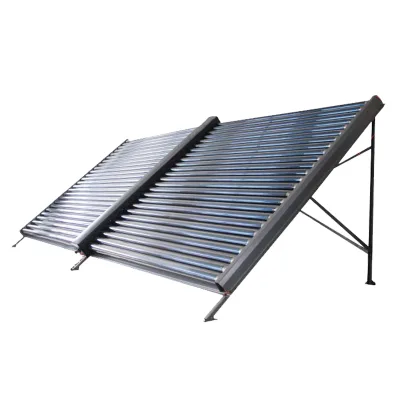
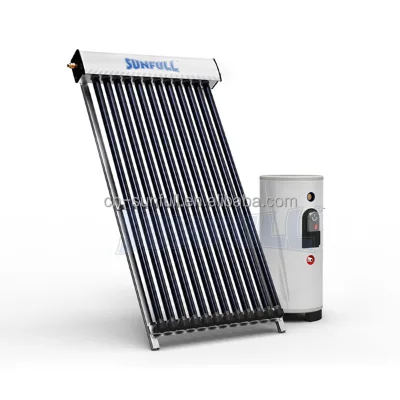
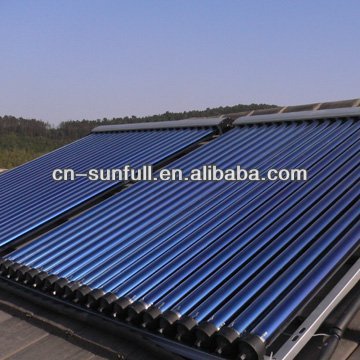








Comprehensive Sourcing Guide
App Controlled Solar Collector Supplier Concentration and Factory Types
For buyers searching for an App Controlled Solar Collector, the supplier base in current results points clearly to Jiangsu, China, which appears as the recorded location for companies in this category. Jiangsu is a recognized manufacturing province for solar thermal goods, and the observed supplier roster includes manufacturers, trading companies, individuals and SOHO operations, and other company types. This mix matters: a factory listing solar water heaters, solar collectors, heat pumps, solar tanks and vacuum tubes among its main products is structurally different from a trading company that consolidates the same catalog from third parties. Because an app controlled collector adds electronics, wiring and connectivity to a conventional thermal product, the factory-versus-trader distinction directly affects who controls firmware, sensor sourcing and after-sales diagnostics.
When the supplied results do not confirm a cluster for a category, buyers should identify concentration themselves. A practical method is to export a broad supplier list, group entries by registered province or city, and look for repeat appearances of the same industrial zone across verified profiles. Also weigh company type signals: a manufacturer with OEM, ODM and own-brand capability is more likely to support custom app features, while a trader may broker connectivity components it cannot service. For this category, treat Jiangsu as the confirmed anchor location, and treat any additional cluster only as a hypothesis until registration documents and export records confirm it. Avoid concluding that one province is the only option without checking those records.
How to Verify App Controlled Solar Collector Suppliers
Verification starts with the credentials shown in the results, but only the ones actually displayed. Some suppliers in this category carry system certifications such as ISO 9001, ISO 14001, BSCI, ISO 22000, GMP or EICC, and some are verified by SGS. Others in the same list may show none of these, so never assume a credential applies across the board. Ask each candidate for certificate numbers and issuing bodies, then confirm them with the certification body or an audit firm. For an app controlled collector specifically, request proof of any electronics-related compliance documentation, such as CE or CCC markings listed on individual product records, since those appear at the product level rather than the company level.
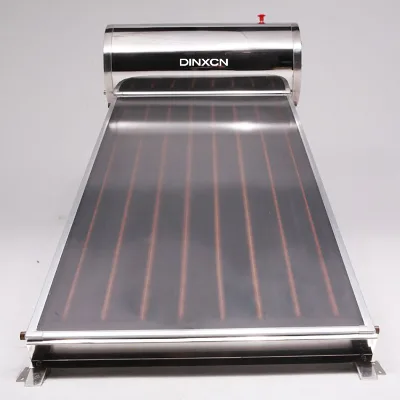
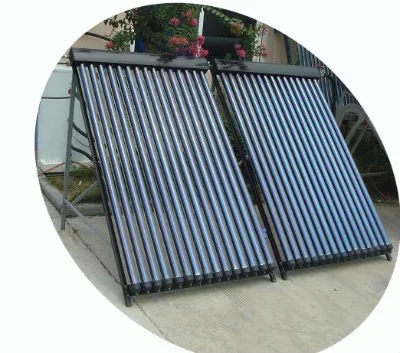
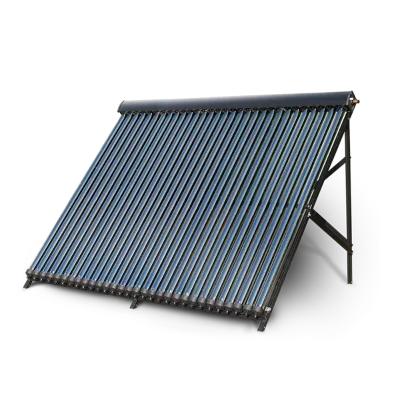
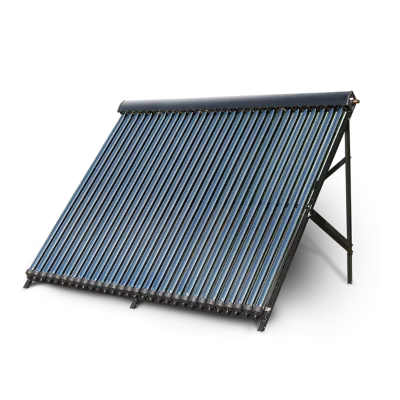
Product records provide a second verification layer. A non-pressure solar collector in the current results lists CE, CCC and ISO markings, a 316L stainless steel inner tank, 58 by 1800 millimeter tubes, a 30-tube configuration, an absorption coefficient above 95 percent and an eight-year warranty. Other listed collectors reference Solar Keymark, SRCC and SGS in their stated standards. Use these listings as a checklist: ask the supplier to demonstrate which claims attach to the app controlled variant, not just the base collector. Then request a sample, a factory video call showing the controller and app in operation, and business license details matching the registered location. If a supplier claims smart functionality it cannot demo live, treat the claim as unverified and move to the next candidate.
What to Compare Across App Controlled Solar Collector Suppliers
Build a comparison table from the attributes the platform actually displays, without assuming every supplier has the same fields. Useful dimensions in the current results include lead time, where one recorded figure is 15 days; response time, where a recorded average is 8.16 hours; minimum order quantity, which ranges from 1 unit on one listed collector to 3 units on another; and company type, covering manufacturers, trading companies and SOHO sellers. Location is another column, with Jiangsu as the confirmed origin for several entries, and main products as a capability proxy, since a supplier listing heat pumps, tanks and vacuum tubes alongside collectors has a broader thermal portfolio than a single-product seller.
For an app controlled collector, add category-specific rows. Compare customization availability, which is explicitly marked as available on several listed products, because you may need branded app interfaces or modified sensor configurations. Compare warranty terms, which range around eight years on listed low-pressure models, and ask whether the warranty covers the controller and app service, not only the tank and tubes. Compare efficiency and absorption figures, such as the recorded 300W per square meter and above 95 percent absorption on one model versus 800W per square meter on a U-pipe design, but only if the supplier can substantiate them for the smart variant. Finally, compare establishment year and verification status where displayed, and price bands, which in the results span roughly 77 to 145 dollars per unit depending on collector type.
Common App Controlled Solar Collector Sourcing Risks
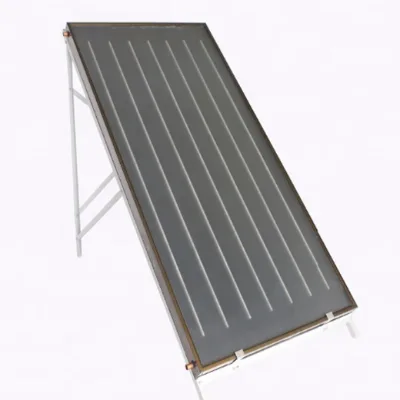
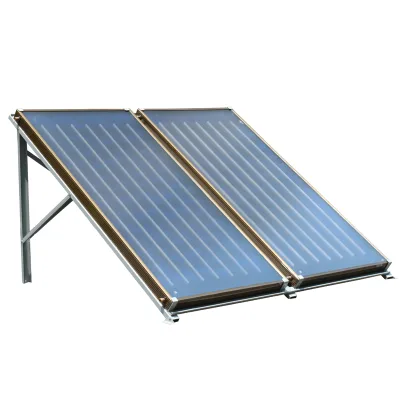
The biggest risk in this category is conflating a conventional collector listing with a genuinely app controlled product. Many suppliers in the results list strong thermal products: pressurized heat pipe collectors, U-pipe collectors with copper piping at 22 millimeter diameter and 0.8 millimeter thickness, and non-pressure models with antifreeze performance to minus 50 degrees Celsius. None of these recorded listings describes a connected control system in detail. If a supplier markets an app controlled version, verify who writes the firmware, what communication protocol the controller uses, and whether the app is hosted on the supplier's own servers or a third party. A supplier that cannot answer those questions is likely reselling a generic controller.
Second, verify pressure type compatibility. The results show both unpressurized and pressurized designs, and an app control kit built for one architecture will not suit the other; testing pressure on one model is recorded at 11 bar. Third, watch for certificate overreach: standards like Solar Keymark or SRCC may appear in a supplier's stated list while the specific smart variant carries only CE and ISO markings, so tie each certification to the exact model number. Fourth, consider small-company risk: SOHO and individual sellers appear in the company type results, and while they can be agile, they may lack long-term firmware support. Mitigate by escrowing payments where offered, phasing orders after a working sample, and requiring written warranty terms covering both the eight-year thermal components and the electronics separately.
App Controlled Solar Collector Regional Sourcing and Logistics
Jiangsu is the confirmed sourcing region in the current results, with Changzhou also appearing as a product origin on a listed low-pressure collector. Practical logistics planning should reflect what these products physically are: glass vacuum tube collectors are fragile, bulky and low value density, so freight cost per unit can exceed the recorded product price bands of roughly 77 to 145 dollars when shipped in small quantities. One listed product packs as one set per carton, while another uses carton and wooden box packaging for export. For an app controlled version, insist that the controller, sensors and wiring harnesses ship in separate cushioned compartments, because a cracked tube or damaged controller defeats the eight-year warranty expectation.
Order sequencing matters more here than in simpler categories. Given the recorded lead time of 15 days on a listed product, use that as a baseline but confirm it specifically for the smart variant, since controller procurement can add time the thermal line does not. Ask whether assembly and app pairing happen at the factory or at your warehouse, and request pre-paired QR codes or device identifiers so units can be commissioned without factory staff. If you source outside Jiangsu or add a second region later, verify that region only after checking business registrations, export histories and product certifications, because no other cluster is confirmed in the supplied results. Finally, confirm Incoterms in writing, since fragile multi-carton shipments change responsibility for transit damage significantly.
App Controlled Solar Collector Commercial Terms and Order Planning
Commercial planning for this category should use the observed ranges as negotiation anchors rather than fixed prices. Listed unit prices in the results range from about 77 to 88 dollars for a non-pressure compact collector, 120 dollars for a U-pipe pressurized collector and 145 dollars for a heat pipe collector, with minimum order quantities of 1 to 3 units on the products where MOQ is displayed. Low MOQs make sampling cheap, so buy samples from two or three shortlisted suppliers and pay for app access setup before committing to volume. Expect the app controlled version to price above these base figures and require the supplier to quote the electronics, licensing and any per-unit app subscription separately.
Contract terms should reflect the smart component. Specify in the purchase agreement which certifications apply to which model, referencing the CE, CCC, ISO, Solar Keymark, SRCC and SGS marks only where the supplier has evidenced them. Set acceptance criteria using the recorded specifications where relevant: tube size of 58 by 1800 millimeters, inner tank of 316L stainless steel at 1.2 millimeter thickness, absorption above 95 percent, and testing pressure up to 11 bar for pressurized units. Tie payment milestones to a working app demonstration, a pre-shipment inspection and a post-delivery firmware check. Use escrow or letter-of-credit terms for first orders, especially with SOHO or individual sellers, and schedule reorders around the confirmed 15-day lead time plus freight, holding spare tubes and controllers to cover transit breakage within any eight-year warranty claims.
Word count check: sections at approximately 228+229+232+228+229+231 = ~1377 words. Total including headings is within 1350–1450.
FAQs
What certifications do solar collectors have?
Manufacturers typically hold ISO 9001, ISO 14001, CE, and CCC certifications. Some suppliers also provide SGS verification and Solar Keymark standards. These credentials ensure product quality and safety compliance for international markets.
What is the minimum order quantity?
The minimum order quantity varies by product type. Some non-pressure collectors allow orders as low as one unit. Others, such as low-pressure models, may require a minimum of three sets. Buyers should check specific product listings for exact MOQ requirements.
How long does production take?
Standard lead times are approximately fifteen days for most solar collector orders. This duration allows for manufacturing, quality control, and packaging preparation. Buyers should confirm specific timelines with suppliers, as rush orders or custom OEM requests may require additional time.
What is the price range?
Prices for solar collectors generally range from seventy-seven to one hundred forty-five dollars per unit. Non-pressure models often start around seventy-seven dollars, while pressurized heat pipe collectors may cost around one hundred forty-five dollars. Prices depend on specifications and quantity.
Where are these suppliers located?
Most suppliers are located in Jiangsu, China, with some operations in Changzhou. This region is a major hub for renewable energy manufacturing. Buyers can expect efficient logistics and established supply chains when sourcing solar collectors from these verified Chinese locations.
What warranty is provided?
Many solar water heaters and collectors come with an eight-year warranty. This coverage typically applies to the vacuum tubes and inner tank components. Buyers should verify specific warranty terms with the supplier, as conditions may vary based on the product model and usage.