Source Commercial Outdoor Amusement Ride for Parks, Malls, and Schools
Find 30 Commercial Outdoor Amusement Ride options for parks, shopping malls, and kindergartens. Compare models like carousels and kiddie rides with varying capacities, voltages, and certifications to suit your venue needs.
Key considerations
Products List


Commercial Theme Amusement Park European Plastic Rides Amusement Outdoor Playground Equipment
$1290.00 - $1500.00
MOQ: 1 Pieces


Factory Direct Outdoor Playground Equipment Amusement Rides Premium Outdoor Playground Equipment
$4200.00 - $5000.00
MOQ: 1 Pieces


Indoor Outdoor Carnival Rides Amusement Park Playground Equipment
$99.00 - $299.00
MOQ: 10 Square Meters
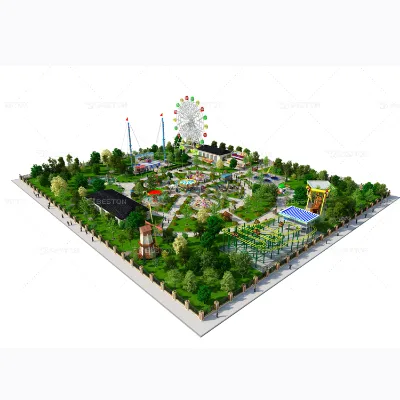
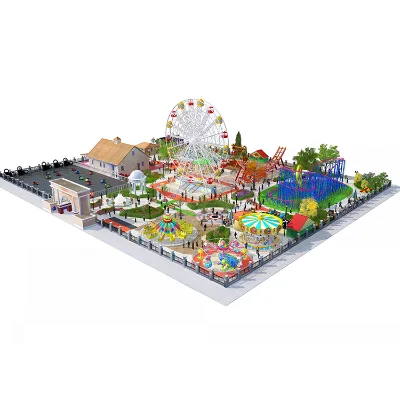
Commercial Profitable Theme Park Rides Amusement Park Equipment Solution
$143000.00 - $180000.00
MOQ: 1 Minimum
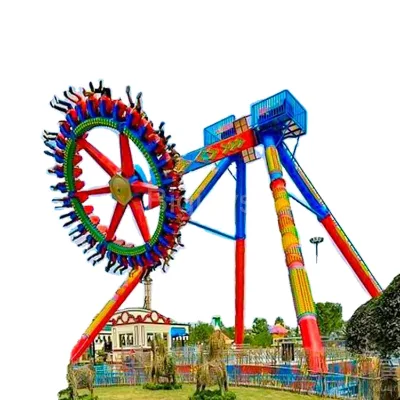


Indoor Amusement Theme Park Rides Equipment Indoor Commercial Kids Playground Indoor Playground Set
$55.00 - $78.00
MOQ: 50 Square Meters
Comprehensive Sourcing Guide
Strategic Sourcing Guide for Commercial Outdoor Amusement Rides
Procuring commercial outdoor amusement rides requires a rigorous approach that balances technical performance, regulatory compliance, and long-term operational viability. The market for these attractions is vast, ranging from small-scale kiddie rides to large, multi-seat carousels designed for high-volume public spaces. Buyers must navigate a complex landscape where product attributes vary significantly between manufacturers. This guide provides a structured framework for evaluating potential suppliers and selecting equipment that meets specific operational needs while adhering to safety and quality standards.
Technical Specifications and Operational Parameters
The first step in sourcing is defining the precise technical requirements of the intended installation. Commercial rides are not one-size-fits-all solutions; they are engineered for specific environments and user demographics. A critical observation in the current market is the diversity in power requirements. Some units operate on standard household voltages such as 110V-240V, making them suitable for locations with flexible electrical infrastructure. Others, particularly larger commercial models, require industrial-grade power supplies like 380V/220V. Buyers must verify the voltage compatibility of the site before finalizing a purchase to avoid costly retrofitting.
Capacity and load limits are equally vital. Data indicates that ride capacities can range from small units handling 5 passengers to large carousels designed for 16 to 32 persons. The structural integrity of the ride must support the maximum load, which varies from 80kg to over 500kg depending on the model. For instance, specific models are rated for a maximum capacity of 100-500kg, while others are engineered for heavier loads exceeding 500kg. Understanding these thresholds is essential for ensuring the safety of all passengers, including both children and adults, as some units are explicitly designed for a broad age range of 3 to 18 years, while others target the 4-12 years demographic.
Physical dimensions also dictate placement feasibility. The market offers rides with standardized sizes (S/M/L) as well as fully customized dimensions. A typical large carousel might have a diameter of 5.5 meters, whereas smaller kiddie rides may be compact enough for indoor malls. The seating configuration is another variable, with options ranging from single seats to multi-seat arrangements. Buyers should confirm the exact size and seat count against their available floor space and the expected foot traffic of the location.
Compliance and Certification Verification
Safety is the paramount concern in the amusement ride industry, and compliance with international standards is non-negotiable. The most frequently observed certification in the current market is the CE mark, which indicates conformity with health, safety, and environmental protection standards for products sold within the European Economic Area. Many suppliers list their products as having CE certification, and some provide specific documentation such as CE Certificates. Additionally, third-party verification from organizations like SGS is sometimes present, offering an extra layer of assurance regarding material safety and structural integrity.
When evaluating a supplier, buyers must demand proof of these certifications rather than accepting them as mere marketing claims. The standards referenced in the industry often include EN14960, which governs the safety of amusement rides and amusement devices. While specific test results for every model may not be publicly available, the presence of a valid CE certificate implies that the manufacturer has undergone the necessary conformity assessment procedures. It is crucial to verify that the certification covers the specific model being purchased, as certifications are often model-specific. Furthermore, buyers should check if the manufacturer adheres to ISO 9001 for quality management systems, although this is a background standard that should be confirmed through direct inquiry rather than assumed.
Cost Drivers and Financial Considerations
The pricing structure for commercial amusement rides is highly variable, influenced by a multitude of factors including size, complexity, customization, and material quality. The observed price range in the market is extensive, spanning from approximately $55 to $610,000. This wide disparity reflects the difference between small, entry-level kiddie rides and large, luxury carousels with advanced features.
Several key drivers influence the final cost. Customization is a significant factor; many suppliers offer tailored solutions, allowing buyers to specify colors, themes, and even the type of animal figures (such as mice, bears, cats, or dogs) to match their brand or venue aesthetic. This level of customization typically commands a premium over standard off-the-shelf models. The material composition also plays a role; high-quality plush materials and durable structural components increase the cost but enhance the longevity and appeal of the ride.
Additionally, the warranty period is a critical component of the total cost of ownership. While some basic models may come with a 12-month warranty, more robust commercial units often include coverage for up to three years. A longer warranty period often correlates with higher initial investment but reduces long-term maintenance risks. Buyers should also consider the packaging requirements, as specialized shipping methods like wooden boxes or bubble foam with stretch films and wood frames add to the logistical costs.
Typical Applications and Venue Suitability
Commercial outdoor amusement rides are versatile assets that can be deployed in a wide array of settings. The primary applications include amusement parks, shopping malls, supermarkets, and kindergartens. The specific design of the ride often dictates its suitability for a particular venue. For example, rides with a "Luxury Carousel" designation and 16 seats are ideal for high-traffic commercial areas like shopping malls where they can serve as a central attraction. Smaller, themed rides featuring animals like bears or dogs are well-suited for kindergartens or smaller community parks where the target audience is young children.
The intended usage environment—whether indoor or outdoor—also influences the selection. Some units are explicitly designed for outdoor use, requiring weather-resistant materials and robust electrical systems. Others are versatile enough to function in both indoor and outdoor settings. The power consumption is another consideration for venue managers; a typical ride might consume around 3kw of power, which must be factored into the venue's energy budget. The music system is another customizable feature, with options available for any language, allowing operators to tailor the auditory experience to the local demographic.
Supplier Evaluation and Procurement Terms
Selecting the right supplier involves more than just comparing product catalogs; it requires a thorough evaluation of the supplier's capabilities and business terms. One of the most critical factors is the Minimum Order Quantity (MOQ). The market shows a wide range, with some suppliers offering an MOQ of just 1 piece, while others may require orders of up to 50 units. For buyers looking to test the market or equip a single location, a low MOQ is advantageous. However, for large-scale deployments, a higher MOQ might be necessary to achieve economies of scale.
Payment terms are another area requiring careful negotiation. Standard payment methods in the industry include T/T (Telegraphic Transfer) and Western Union. Buyers should ensure that the payment schedule aligns with their cash flow and risk management strategies. Delivery times are also variable and often depend on the order quantity. While some suppliers may have standard lead times, others indicate that delivery is dependent on the specific volume of the order. Buyers should clarify these timelines early in the procurement process to avoid delays in project completion.
The origin of the product is another consideration. Many commercial rides are manufactured in China, and buyers should verify the specific production location to ensure quality control standards are met. The packaging method, such as wooden boxes or bubble foam, is also indicative of the supplier's attention to detail during shipping. A supplier that invests in robust packaging demonstrates a commitment to protecting the product during transit, which is crucial for large, delicate machinery.
Quality Control and Long-Term Maintenance
Ensuring the long-term reliability of an amusement ride requires a proactive approach to quality control and maintenance. The condition of the product upon delivery is a primary indicator of quality; all listed products in the current market are described as "New," but buyers must verify this through pre-shipment inspections or third-party quality audits. The warranty period serves as a baseline for expected performance, with options ranging from 12 months to 3 years. A longer warranty suggests that the manufacturer has confidence in the durability of their product.
Battery durability is a specific technical aspect that impacts operational efficiency. Some models boast battery life of 220-240 minutes, which is a significant factor for rides that operate on battery power. Buyers should assess whether this duration meets the operational needs of their venue, especially during peak hours. Regular maintenance is essential to extend the lifespan of the ride and ensure continued safety. The availability of spare parts and the manufacturer's support for repairs are critical components of the long-term procurement strategy.
Furthermore, the customization options available allow for future-proofing the investment. If a venue decides to change its theme or expand its offerings, a supplier that accepts OEM (Original Equipment Manufacturer) orders and offers customization can adapt the ride to new requirements. This flexibility ensures that the initial investment remains relevant and valuable over time.
Conclusion
Sourcing commercial outdoor amusement rides is a multifaceted process that demands attention to technical specifications, regulatory compliance, and supplier reliability. By carefully evaluating the power requirements, capacity limits, and physical dimensions, buyers can select rides that fit their specific operational needs. Verifying certifications like CE and SGS ensures that the equipment meets safety standards, while understanding the cost drivers helps in budgeting effectively. Whether the goal is to install a luxury carousel in a shopping mall or a themed kiddie ride in a kindergarten, a disciplined approach to procurement will lead to successful outcomes. Buyers should prioritize suppliers who offer transparent terms, robust warranties, and high-quality packaging to ensure a smooth acquisition and long-term operational success.
FAQs
What certifications do commercial outdoor amusement rides have?
Most units carry CE certification, with some models also holding SGS certificates. Buyers must verify that the specific model has valid documentation, as certifications are often model-specific and required for safety compliance in international markets.
Which capacity ranges are available for these rides?
Capacities vary significantly, with some units handling 5 passengers while larger carousels support 16 to 32 persons. Structural load limits range from 80kg to over 500kg depending on the specific model and design intended for the venue.
Can I customize the size and animal figures on the ride?
Customization is available for dimensions, colors, and animal themes like mice, bears, or dogs. Buyers can specify S/M/L sizes or request fully customized dimensions to match their venue's space and aesthetic requirements.
What is the typical warranty period for these products?
Warranty periods range from 12 months for basic models up to 3 years for robust commercial units. A longer warranty often correlates with higher initial investment but provides better coverage for long-term maintenance risks and operational reliability.
How does the voltage requirement affect installation?
Power requirements vary, with some units operating on 110V-240V and others requiring industrial 380V/220V supplies. Buyers must verify site voltage compatibility before purchase to avoid costly electrical retrofitting and ensure safe operation.
What are the minimum order quantities for purchasing?
MOQs range from 1 piece for single units to 50 units for larger orders. Suppliers offering low MOQs are ideal for testing markets or equipping single locations, while higher volumes may be necessary for large-scale deployments.