Source Commercial Standing Laser Slimming Machine for Salons, Spas, Clinics
Find 30 Commercial Standing Laser Slimming Machine options featuring 532nm and 635nm wavelengths, air cooling, and CE ISO certifications. Compare specifications from manufacturers in China for salon and home applications with customizable handles and warranty support.
Key considerations
Products List
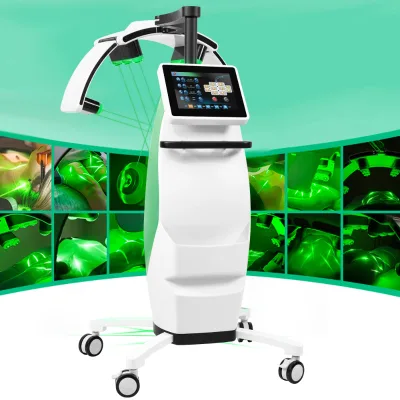


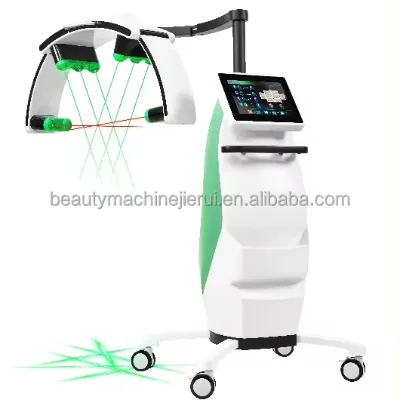


Cold Source Laser Slimming Machine Reduce Cellulite Weight Loss Machines
$2599.00 - $3999.00
MOQ: 1 Pieces

635nm Wavelength 6D Laser Fat Reduction Slimming Machine for Beauty Salon
$699.00 - $3100.00
MOQ: 1 Pieces

6D Laser Shape Slimming Machine 635nm Laser for Fat Reduction Price for Sale
$1800.00 - $3000.00
MOQ: 1 Pieces


Weight Loss Slimming/Slimming Machine/Slimming/Body Slimming Machine/Weight Loss Machine
$2600.00 - $4600.00
MOQ: 1 Pieces


EMS Slimming Machine Weight Loss Machine Cryolipolysis Slimming Machine
$2950.00 - $3450.00
MOQ: 1 Pieces


Comprehensive Sourcing Guide
Strategic Sourcing Guide for Commercial Standing Laser Slimming Machines
Understanding the Technical Architecture of Standing Laser Systems
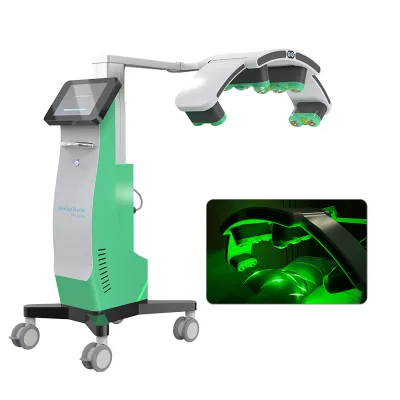
When evaluating commercial standing laser slimming machines, the primary distinction lies in the underlying technology and the physical configuration of the unit. The market offers devices that operate on the principle of laser emission, specifically utilizing wavelengths such as 532nm for green light and 635nm for red light. These specific wavelengths are critical for targeting adipose tissue and stimulating cellular metabolism without causing thermal damage to the epidermis. The physical form factor is equally important; the "standing" designation indicates a unit designed for upright operation, often featuring a single package size of approximately 112x62x70 cm. This substantial footprint suggests a robust internal structure, typically constructed from a combination of ABS plastic and stainless steel to ensure durability in high-traffic salon environments.
The cooling system is a vital component of the technical architecture. High-performance units often employ an air-cooled system to manage the thermal load generated during operation, ensuring the laser diodes remain within safe operating parameters. The interface for the operator is another key technical specification. Modern commercial units are frequently equipped with a 10.4-inch touch color screen, which allows for intuitive control over treatment parameters, including power levels, duration, and mode selection. While some listings indicate a "portable" nature, the physical weight of these units, often reaching a single gross weight of 68.000 kg, necessitates a stable base and wheels for mobility rather than true portability. Buyers must verify whether the specific model they are sourcing aligns with the intended workflow, as the distinction between a truly portable hand-held device and a standing floor unit significantly impacts installation requirements and space planning.
Compliance and Certification Verification Protocols
Navigating the regulatory landscape for medical and beauty equipment requires rigorous verification of certifications. In the context of commercial standing laser slimming machines, the presence of CE and ISO certifications is a baseline expectation for products originating from major manufacturing hubs. Specific product data indicates that certain models carry the "CE ISO" designation, suggesting compliance with European safety standards and international quality management systems. However, buyers must not assume that all listed products possess these credentials without explicit verification on the specific invoice or certificate of conformity.
Beyond general safety certifications, regional regulatory bodies often mandate specific approvals. For instance, products intended for the Chinese market or those manufactured there may list "Cfda" (China Food and Drug Administration) approval and a "Prc Import & Export License" as critical compliance documents. These documents are essential for legal importation and operation within specific jurisdictions. Additionally, electrical standards must be strictly adhered to; the operating voltage and frequency are typically standardized to AC110V/220V at 50-60Hz. Buyers must confirm that the specific unit's power standard matches the electrical infrastructure of their facility to prevent equipment failure or safety hazards.
It is also crucial to distinguish between general safety marks and specific medical device certifications. While some background knowledge suggests the existence of FSC or RoHS standards, these are not explicitly confirmed in the primary product data for these specific laser units. Therefore, procurement teams should request direct evidence of compliance for any claimed standard rather than relying on general industry assumptions. The verification process should include checking the validity of the "Prc Import & Export License" and ensuring that the CE marking corresponds to the specific model number, such as "XM-689" or "KM-L-U100," to avoid purchasing non-compliant or counterfeit equipment.
Cost Drivers and Pricing Structure Analysis
The pricing structure for commercial standing laser slimming machines is influenced by a complex interplay of factors, including technology complexity, build quality, and included accessories. The observed market price range spans from $1 to $15,000, a variance that reflects the difference between basic entry-level units and advanced, multi-functional systems. A unit priced at the lower end of this spectrum may offer a single laser wavelength and basic functionality, whereas a high-end model could integrate multiple technologies, such as RF (Radio Frequency), vacuum, and ultrasonic cavitation, alongside the laser component.
The "Type" of the machine is a significant cost driver. While the core keyword focuses on laser systems, the market often blends technologies. For example, a "RF Fat Vacuum Ultrasonic Cavitation Body Slimming" machine represents a convergence of multiple energy sources, which naturally commands a higher price point than a standalone laser device. The inclusion of specialized handles, such as a set of four handpieces, also adds to the cost. Furthermore, the packaging method influences the final price; units shipped in a "Flight Case" or "Aluminum Case" often carry a premium compared to those in standard cardboard or simple aluminum alloy packaging, as these provide superior protection during international shipping.
Minimum Order Quantity (MOQ) is another critical financial consideration. The observed MOQ range for these products is between 1 and 20 units. Buyers seeking to equip a single salon may find suppliers willing to sell a single item, while those looking to franchise or equip multiple locations might negotiate better pricing by meeting a higher MOQ threshold. The "Selling Units" attribute, often listed as "Single item," indicates that the price quoted is typically for one complete machine, though bulk discounts may apply. Buyers should also factor in the cost of customization, as "Customization: Available" suggests that branding or specific feature modifications may incur additional charges.
Typical Applications and Operational Workflows
The primary application for commercial standing laser slimming machines is within professional beauty salons and aesthetic clinics. The "Application" field explicitly lists "Salon" as the target environment, indicating that these devices are designed to withstand the demands of daily commercial use. The standing configuration allows for a dedicated treatment station where clients can sit comfortably while the operator manages the procedure. The 10.4-inch touch color screen facilitates a user-friendly experience, enabling operators to quickly select protocols for body shaping and fat reduction.
While the primary market is commercial, some product data suggests applications extending to "Home" use, particularly for devices that combine RF and laser technologies. However, the substantial weight and size of standing units (e.g., 68 kg gross weight) make them less suitable for typical residential settings compared to smaller, portable hand-held devices. The "Theory" of operation, whether Laser or RF, dictates the specific treatment protocols. Laser-based systems are often used for non-invasive fat reduction and skin tightening, while RF-based systems focus on collagen stimulation and deep tissue heating.
The operational workflow is streamlined by the inclusion of multiple handpieces. A system with four handpieces allows the operator to address different body areas or utilize different treatment modalities without changing the entire unit. The "Function" is broadly categorized as "Body Shaping," which encompasses a variety of aesthetic goals including contouring, cellulite reduction, and skin firming. The "Cooling System" ensures that the machine can run for extended periods without overheating, which is essential for maintaining high throughput in a busy salon environment. Buyers should assess whether the specific model's workflow aligns with their service menu and staff training capabilities.
Supplier Evaluation and Service Capabilities
Selecting a reliable supplier for commercial laser equipment requires a thorough evaluation of their service capabilities and production background. The product data highlights that many suppliers offer "OEM&ODM: Professional Design and Production" services, indicating a capacity to customize products for specific brand requirements. This is a valuable attribute for buyers looking to white-label equipment or integrate specific features into their existing product lines. The "Services" attribute, listed as "OEM/ODM," further confirms that suppliers are equipped to handle bespoke manufacturing requests.
The "Warranty" terms are a critical metric for supplier reliability. A standard warranty of "1 Year" is commonly observed, with some suppliers offering extended support such as "Technology Supports Forever." This distinction is important for long-term operational stability; a supplier that provides lifetime technical support demonstrates confidence in their product's longevity and is better equipped to assist with troubleshooting and software updates. The "Customization" availability also suggests a flexible supply chain capable of adapting to specific market needs.
Buyers should also investigate the "Place of Origin" to understand the manufacturing ecosystem. While "China" is the general origin, specific cities like "Weifang" and "Beijing" are mentioned, indicating a concentration of manufacturing expertise in these regions. Understanding the specific origin can help in assessing the logistical lead times and the potential for on-site quality audits. The "Product Name" and "Model Number" (e.g., "FG660H-006", "VS++") serve as unique identifiers for due diligence, allowing buyers to cross-reference the supplier's claims with independent market data or industry reviews.
Quality Control and Long-Term Procurement Considerations
Ensuring the quality of commercial standing laser slimming machines involves a multi-layered approach to quality control. The material composition, specifically "ABS & Stainless Steel," provides a baseline for durability, but buyers must verify the thickness and grade of these materials to ensure they can withstand daily commercial use. The "Single package size" and "Single gross weight" are physical indicators of the internal component density; a heavier unit often implies higher-quality internal components, such as more powerful laser diodes or robust cooling systems.
Long-term procurement considerations extend beyond the initial purchase price to include maintenance, spare parts availability, and software support. The "Warranty" period of "1 Year" is a standard starting point, but buyers should negotiate for extended coverage or service level agreements that include on-site repairs. The "Technology Supports Forever" claim, if verified, represents a significant advantage for long-term ownership, reducing the risk of obsolescence. Additionally, the "Certification" status must be maintained; as regulations evolve, the supplier must be able to provide updated documentation to ensure continued compliance.
The "Standard" of the product, such as "CE" or "AC110V/220V 50-60Hz," must be compatible with the buyer's local infrastructure. Mismatched standards can lead to costly modifications or equipment failure. Buyers should also consider the "Prod Packing" method; an "Aluminum Case" or "Flight Case" offers superior protection during transit, reducing the risk of damage before the machine even reaches the salon. Finally, the "Theory" of operation, whether Laser or RF, should be matched with the specific clinical needs of the facility to ensure the investment yields the desired aesthetic results.
Comparative Analysis of Product Configurations
To assist buyers in making informed decisions, the following table summarizes key configuration differences observed in the market data. This comparison highlights the variance in technology, packaging, and origin that influences the procurement strategy.
| Feature Category | Configuration A (Laser Focus) | Configuration B (Multi-Technology) | Configuration C (RF Focus) |
|---|---|---|---|
| Primary Theory | Laser (532nm/635nm) | Laser + RF + Vacuum + Cavitation | RF (Radio Frequency) |
| Model Examples | XM-689, laser shapeA | KM-L-U100, VS++ | KM-L-U900 |
| Screen Interface | 10.4 inch Touch Colour Screen | 10.4 inch Touch Colour Screen | Not Specified |
| Handpieces | Not Specified | 4 Handpieces | Not Specified |
| Packaging | Aluminum Case / Alloy Case | Flight Case | Aluminum Alloy |
| Origin | China (Weifang/Beijing) | China | China |
| Warranty | 1 Year | 1 Year | 1 Year |
| Application | Salon | Salon, Home | Salon, Home |
This table illustrates that while the core function of slimming remains consistent, the integration of multiple technologies and the robustness of the packaging vary significantly. Buyers should prioritize the configuration that best matches their specific service offerings and budget constraints. The presence of a 10.4-inch screen in multiple configurations suggests a trend toward user-friendly interfaces, while the variation in handpiece counts indicates flexibility in treatment protocols.
Final Procurement Recommendations
In conclusion, sourcing a Commercial Standing Laser Slimming Machine requires a balanced approach that weighs technical specifications against compliance requirements and supplier reliability. The market offers a diverse range of options, from single-wavelength laser units to complex multi-modal systems. Buyers must verify certifications like CE and ISO, confirm electrical standards, and ensure that the warranty and support terms align with their long-term operational goals. By carefully evaluating the material quality, packaging, and origin of the equipment, procurement teams can secure high-quality assets that deliver consistent results in a professional salon environment. The observed price range and MOQ flexibility provide opportunities for both single-unit purchases and bulk acquisitions, allowing buyers to tailor their procurement strategy to their specific business scale.
FAQs
What certifications do commercial standing laser slimming machines typically have?
These machines typically carry CE and ISO certifications, with some models also listing Cfda approval and Prc Import & Export License. Buyers must verify that the specific model number matches the provided certificate to ensure compliance with regional safety standards before purchase.
How does the cooling system affect the operation of these standing units?
High-performance units often employ an air-cooled system to manage thermal loads and protect laser diodes during extended use. This feature is essential for maintaining safe operating parameters in high-traffic salon environments where continuous operation is required for multiple clients daily.
Which wavelengths are commonly used in these commercial laser slimming devices?
Common specifications include 532nm green light and 635nm red light wavelengths designed to target adipose tissue without epidermal damage. These specific wavelengths are critical for stimulating cellular metabolism and ensuring effective non-invasive fat reduction treatments in professional settings.
Can buyers customize the appearance or features of these machines?
Yes, customization is available for many models, allowing for branding or specific feature modifications through OEM and ODM services. Professional design and production capabilities enable suppliers to adapt the product to meet unique brand requirements or specific market demands.
What is the typical warranty period for these commercial standing laser machines?
A standard warranty of 1 year is commonly observed, though some suppliers offer technology support forever. This distinction is important for long-term operational stability, as lifetime technical support indicates confidence in the product's longevity and readiness to assist with troubleshooting.
How heavy are these standing units and are they portable?
Single gross weight often reaches 68 kg, making them substantial units that require wheels for mobility rather than true portability. While some listings mention portable features, the physical weight necessitates a stable base and indicates they are designed for dedicated salon stations.
What materials are used to construct the body of these machines?
The body is typically constructed from a combination of ABS plastic and stainless steel to ensure durability in high-traffic environments. This material choice provides the robust internal structure needed to withstand daily commercial use while maintaining a professional aesthetic for salon settings.