Source Commercial Sugarcane Ginger Juicer for Hotels Schools Parks
Find 30 Commercial Sugarcane Ginger Juicer models with varying power, voltage, and capacity options. Buyers can compare specifications like roller count, port sizes, and certifications to select the right machine for hotels, schools, or parks.
Key considerations
Products List

Sugarcane Juice Commercial Sugarcane Juicer Automatic Electric Juicer
$2100.00 - $2300.00
MOQ: 1 Pieces

Sugarcane Juicer Machine Commercial Commercial Sugarcane Juice Extractor
$2100.00 - $2300.00
MOQ: 1 Pieces


Commercial Sugarcane Juicer Lemon Juice Extractor Juce Making Machine Fruit Juicer
$200.00 - $800.00
MOQ: 1 Pieces


Electric Fruit Juice Extractor Sugarcane Juicer Machine Juicer Extractor Machine
$200.00 - $800.00
MOQ: 1 Pieces


Commercial Juicer Extractor Juicer Sugarcane Juice Processing Machine
$1560.00 - $3570.00
MOQ: 1 Pieces
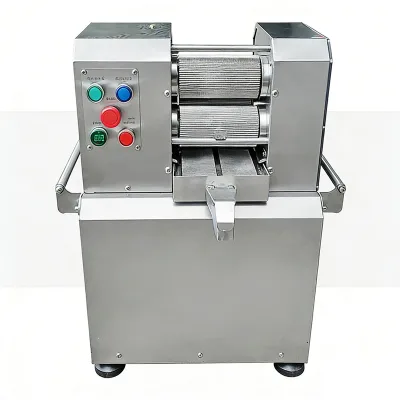


Automatic Commercial Electric Sugarcane Juicer Sugarcane Crusher Sugarcane Juicer
$350.00 - $450.00
MOQ: 5 Pieces



Comprehensive Sourcing Guide
Commercial Sugarcane Ginger Juicer Sourcing Guide
Sourcing a commercial sugarcane and ginger juicer requires a careful balance between mechanical robustness and operational efficiency. These machines are engineered to handle fibrous, high-moisture produce that can quickly wear down standard extraction equipment. Buyers must prioritize models with heavy-duty rollers and precise gap adjustments to maximize juice yield while minimizing pulp waste. The decision between manual, electric, or semi-automatic units often hinges on the expected daily volume and the physical labor capacity of the staff. Understanding the specific mechanical requirements ensures that the selected equipment aligns with both production targets and budget constraints.
The market offers a diverse range of configurations, from compact countertop units to large industrial presses. Observed listings indicate a wide price spectrum, ranging from approximately $20 to $4,500, reflecting significant variations in power, capacity, and build quality. Minimum order quantities (MOQ) are generally low, typically between 1 and 10 units, which facilitates testing for small businesses or pilot programs. However, the lowest price point often correlates with manual operation or lower power ratings, which may not suffice for high-volume commercial environments. Procurement teams must evaluate the total cost of ownership, including energy consumption and maintenance, rather than focusing solely on the initial purchase price.
Product Scope and Observed Listing Signals
The product scope for commercial sugarcane and ginger juicers encompasses a variety of mechanical designs tailored to different processing needs. Listings frequently highlight compatibility with sugarcane, a primary application for these machines, though many are also suitable for ginger and other root vegetables. The observed data shows models with varying power sources, including manual, electric, and hybrid systems. For instance, some units operate on 220V or 380V electrical systems with power ratings ranging from 0.75KW to 7.5KW. This variance allows buyers to select equipment that matches their facility’s electrical infrastructure, ensuring seamless integration without requiring extensive upgrades.
Observed specifications reveal distinct physical dimensions and packaging standards that impact logistics and installation. Models such as the SJ-1T, JY-50, and CQ-2T/h exhibit different footprints, with standard dimensions ranging from compact sizes like 800410490mm to larger industrial units measuring up to 1360/1400/960mm. Packaging is commonly described as wooden crates, cases, or boxes, which suggests a need for careful handling during transit to prevent damage to the rollers and blades. Buyers should verify the exact weight and dimensions of the specific model they intend to purchase, as heavier units, such as those weighing around 700kg, require specialized lifting equipment and reinforced flooring for installation.
Technical Specifications to Verify
When evaluating technical specifications, the number and size of rollers are critical indicators of extraction efficiency. Many commercial models feature three rollers with diameters around 200mm, designed to crush sugarcane stalks progressively. The feed port size, often observed at 220mm, and discharge port size, around 240mm, dictate the maximum diameter of the produce that can be processed. Buyers must ensure that the machine’s intake dimensions align with the typical size of their raw materials to avoid jams or inefficient processing. Additionally, the procedure type, such as grinding mode, influences the texture of the pulp and the clarity of the extracted juice, which is vital for maintaining product quality in beverages.
Power and voltage compatibility are essential technical factors that must be verified before purchase. While some units operate on standard 220V single-phase power, high-capacity models may require 380V three-phase power to deliver the necessary torque for crushing dense fibers. Power ratings vary significantly, with some units consuming as little as 0.75KW and others requiring up to 7.5KW. Buyers should confirm the electrical requirements of their facility and ensure that the chosen machine does not overload existing circuits. Furthermore, the material of the blades, often stainless steel, is crucial for hygiene and durability, as it resists corrosion and maintains sharpness during continuous operation.
Compliance and Safety Documentation
Compliance with safety and quality standards is non-negotiable for commercial food processing equipment. Buyers should verify that the supplier provides relevant certifications, such as CE or GS marks, which indicate adherence to European or German safety regulations. These certifications ensure that the machine’s electrical components, moving parts, and structural integrity meet rigorous safety benchmarks. Documentation should include detailed user manuals, electrical schematics, and maintenance guides that outline proper operating procedures and troubleshooting steps. Having comprehensive documentation reduces the risk of operational errors and ensures that staff are trained correctly on safe usage.
Quality control processes during manufacturing also play a significant role in ensuring long-term reliability. Some suppliers offer video outgoing inspections, providing visual proof of the machine’s condition before shipment. This transparency allows buyers to verify that the equipment is free from defects, such as misaligned rollers or damaged blades, before it leaves the factory. Additionally, warranties, typically lasting one year, offer protection against manufacturing defects. Buyers should clarify the terms of the warranty, including coverage for core components like the pressure vessel, and understand the process for claiming repairs or replacements.
Cost Drivers and Commercial Terms
Several factors influence the final cost of a commercial sugarcane and ginger juicer, with power output and build quality being primary drivers. High-power units with robust stainless steel construction and advanced roller mechanisms command higher prices due to increased material and manufacturing costs. Conversely, manual or low-power electric models are more affordable but may require more labor and time to process the same volume of produce. Buyers should assess their production volume requirements to determine the appropriate power level, avoiding the overpayment for excessive capacity or the underinvestment in insufficient machinery.
Commercial terms, including shipping, packaging, and after-sales support, also impact the total procurement cost. Packaging in wooden crates or cases adds to the shipping weight and volume, potentially increasing freight charges. Buyers should negotiate clear terms regarding delivery responsibilities and insurance coverage during transit. After-sales service, such as the provision of free spare parts, can significantly reduce long-term maintenance costs. It is advisable to inquire about the availability and pricing of replacement parts, such as blades and rollers, to ensure that the machine can be maintained efficiently over its lifespan.
Supplier Qualification and Quality Control
Supplier qualification is a critical step in mitigating procurement risks. Buyers should verify the supplier’s location and origin, as many manufacturers are based in regions like Henan or Changzhou in China, which are known for industrial machinery production. Assessing the supplier’s reputation, years in business, and customer reviews can provide insights into their reliability and product quality. Requesting references from previous clients or visiting the factory, if feasible, can further validate the supplier’s capabilities and manufacturing standards. A qualified supplier should demonstrate transparency in their operations and a commitment to delivering high-quality equipment.
Quality control measures implemented by the supplier directly affect the performance and durability of the juicer. Buyers should inquire about the testing procedures used before shipment, such as load testing or electrical safety checks. Suppliers that provide video outgoing inspections offer an additional layer of assurance, allowing buyers to visually confirm the machine’s condition. Additionally, understanding the supplier’s quality management systems, such as ISO certifications, can indicate a structured approach to maintaining consistent product quality. Establishing a clear communication channel with the supplier ensures that any issues can be addressed promptly and effectively.
Long-Term Procurement Checks
Long-term procurement success depends on the availability of spare parts and the quality of after-sales support. Buyers should confirm the supplier’s policy on providing spare parts, such as blades, rollers, and electrical components, and the expected lead times for delivery. A reliable supplier should maintain an inventory of common parts to minimize downtime in case of wear or failure. Additionally, understanding the warranty terms and the process for claiming repairs is essential for managing long-term maintenance costs. Buyers should also consider the availability of technical support, such as remote troubleshooting or on-site service, to ensure continuous operation.
Regular maintenance and operational training are vital for extending the lifespan of the juicer. Buyers should develop a maintenance schedule that includes cleaning, lubrication, and inspection of critical components. Training staff on proper operating procedures can prevent misuse and reduce the risk of damage to the machine. Monitoring performance metrics, such as juice yield and energy consumption, can help identify potential issues early. By establishing a proactive maintenance strategy and maintaining a strong relationship with the supplier, buyers can ensure that their commercial sugarcane and ginger juicer remains a reliable and efficient asset for years to come.
FAQs
What is the voltage requirement for the sugarcane juicer?
The machine operates on 380V or 220V depending on the specific model selected. Some units like the SJ-1T require 380V, while others support 220V. Buyers must verify the voltage specification before installation to ensure compatibility with their local power supply.
Can the sugarcane machine be customized for specific needs?
Yes, customization is available for this Commercial Sugarcane Ginger Juicer. The product attributes explicitly state that customization options exist, allowing buyers to tailor the machine to their specific production requirements or facility constraints.
Which certification does the sugarcane juicer hold?
The machine holds CE and GS certifications as verified by the product facts. These standards indicate compliance with specific safety and quality requirements, ensuring the equipment meets regulatory expectations for commercial food processing applications in various markets.
How is the sugarcane juicer packed for shipping?
The equipment is packed in wooden crates, wooden cases, or wooden boxes depending on the model. This robust packaging method protects the machinery during transit and ensures it arrives in optimal condition for immediate setup and operation at the buyer's facility.
What is the power consumption of the sugarcane juicer?
Power ratings vary by model, with options including 0.75KW, 1.5KW, and 7.5KW. The specific power consumption depends on the selected model, such as the SJ-1T or CQ-2T/h, so buyers should check the technical specifications for their chosen unit.
Where is the sugarcane juicer manufactured?
The machines originate from China, with specific manufacturing locations including Henan and Changzhou. This information helps buyers understand the supply chain and logistics involved when sourcing these commercial juicers for their business operations.