Source Wig Adhesive Tape for Lace Wigs, Toupees, and Frontals
Find and compare 30 Wig Adhesive Tape options for lace wigs, toupees, and hair extensions. Evaluate transparent and blue variants with medical-grade or double-sided adhesive properties for secure, clean removal.
Key considerations
Products List


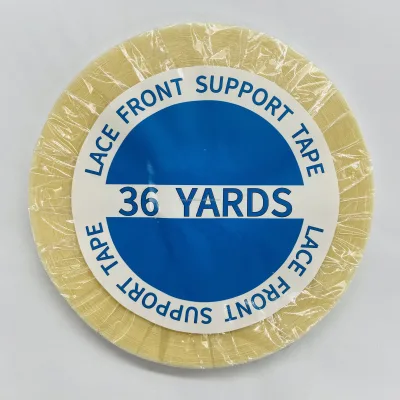
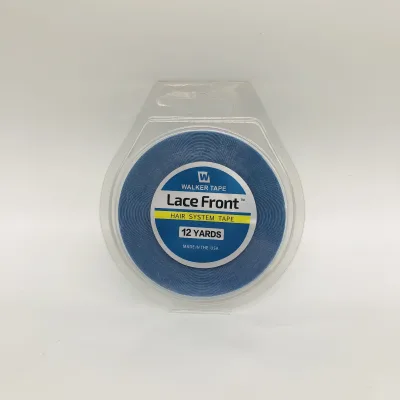

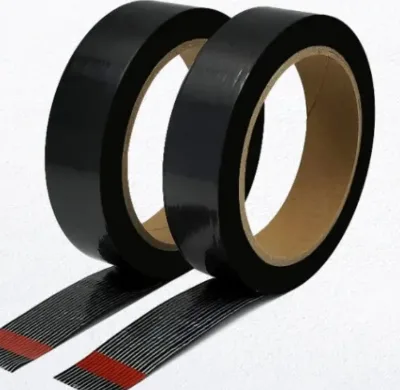
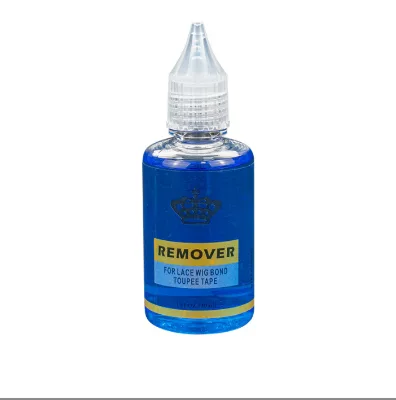
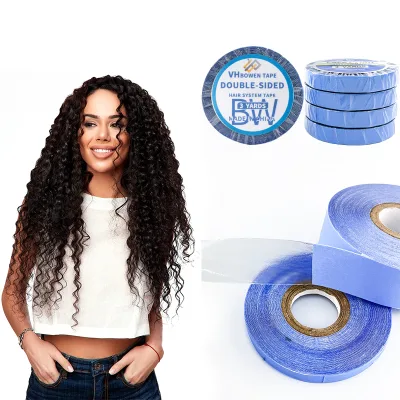
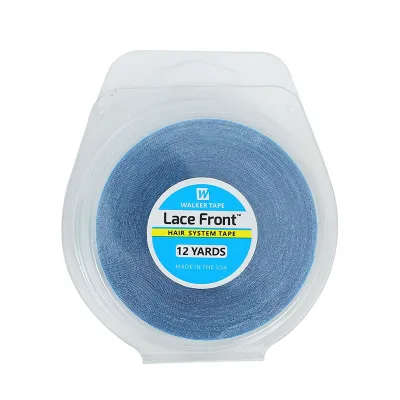


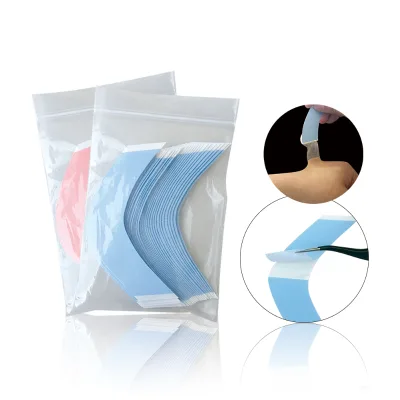



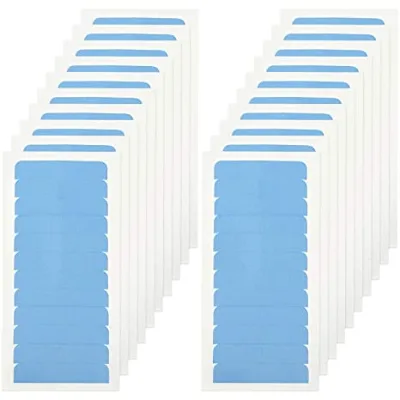
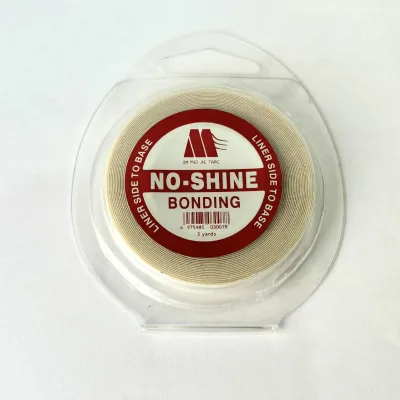
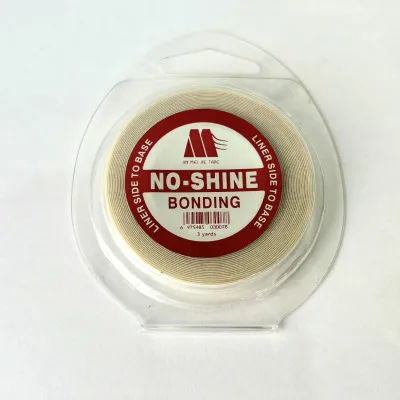
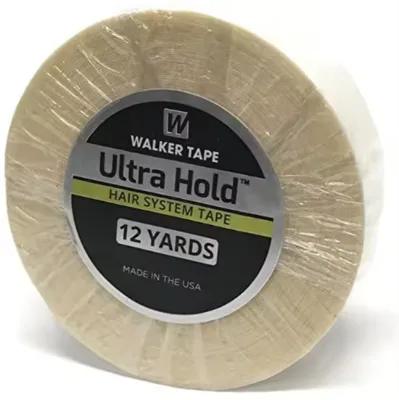

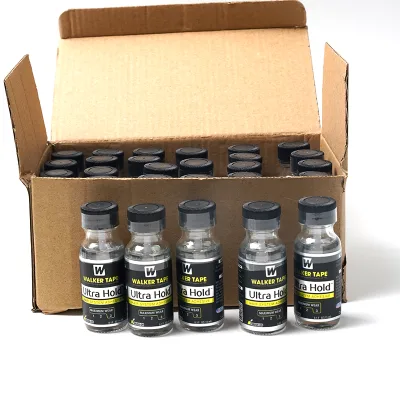
Comprehensive Sourcing Guide
Wig Adhesive Tape Sourcing Guide
The global market for Wig Adhesive Tape has expanded significantly to support the growing demand for secure, natural-looking hair extensions and medical-grade hair systems. Sourcing professionals must navigate a diverse landscape where products range from general commercial adhesives to specialized medical-grade tapes designed for lace wigs, frontals, and toupees. The core of this procurement strategy lies in distinguishing between general-purpose adhesive tapes and those engineered specifically for delicate skin contact and long-term wear. Buyers should prioritize suppliers who explicitly define their product's intended use, such as applications for human hair wefts or lace frontals, to ensure the adhesive meets the specific mechanical and chemical requirements of the end-user.
Procurement decisions for Wig Adhesive Tape require a careful balance between performance characteristics and commercial flexibility. The observed market data indicates a wide variance in product specifications, with materials ranging from PU and PVC to specialized medical glues, each offering different levels of hold, flexibility, and skin compatibility. A successful sourcing strategy involves verifying that the selected tape aligns with the specific application, whether it is for home use or professional salon environments, and confirming that the adhesive properties, such as clean removal without sticky residue, are consistent with the supplier's claims. This initial alignment prevents costly mismatches between the product's capabilities and the wearer's needs.
Product Scope and Observed Listing Signals
The product scope for Wig Adhesive Tape encompasses a variety of forms, including rolls, moon-shaped cuts, and pre-packaged units, each tailored to different application methods and user preferences. Listings frequently highlight specific physical attributes such as color, with blue and transparent options being common, as well as specialized shapes like moon-shaped tape designed for precise placement on lace fronts. Buyers must scrutinize these visual and structural details to ensure the product matches the aesthetic and functional requirements of their inventory, as the physical form of the tape directly impacts the ease of application and the final look of the hair system.
Commercial signals in the market reveal significant variability in packaging and shipping logistics, which can influence total landed costs and delivery timelines. Observed data shows that products are often packed in PE bags, boxes, or single packs with labels, with standard quantities ranging from 36 pieces per pack to 40 pieces per box. Shipping methods typically include major carriers like DHL, FedEx, and UPS, with lead times generally falling between 7 to 14 days from the point of origin in China. Procurement teams should evaluate these logistical parameters alongside the product specifications to determine the most efficient supply chain configuration for their specific volume needs.
Technical Specifications to Verify
Technical verification begins with a rigorous assessment of the adhesive material and its viscosity grade, as these factors dictate the bond strength and longevity of the tape. The market offers tapes with varying material compositions, including PU and PVC, alongside specific viscosity grades such as 5A, which may indicate a particular level of tackiness or flow. Buyers must confirm that the selected material is compatible with the intended hair system, whether it is a lace wig, lace frontal, or toupee, and ensure that the adhesive provides the necessary hold without causing damage to the delicate lace or the wearer's skin during removal.
Performance characteristics such as water resistance, heat resistance, and the ability to leave no sticky residue upon removal are critical technical differentiators that must be validated before bulk ordering. High-quality Wig Adhesive Tape is expected to withstand environmental factors like humidity and heat while maintaining its integrity, ensuring that the hair system remains secure during daily activities. Additionally, the storage conditions specified by the supplier, such as keeping the product in a cool, dry place away from high temperatures, must be clearly understood and communicated to the end-user to preserve the adhesive's efficacy over time.
Compliance and Safety Documentation
Compliance and safety documentation are paramount when sourcing adhesives intended for direct skin contact, particularly for medical-grade applications involving hair systems. While some listings mention certifications such as ISO, buyers must verify the specific scope of these certifications to ensure they cover the relevant safety standards for medical adhesives and cosmetic products. It is essential to request detailed safety data sheets (SDS) and proof of compliance with regional regulations to mitigate the risk of allergic reactions or skin irritation, which are common concerns for users of wig adhesives.
The safety profile of the adhesive also extends to its removal process, where the absence of sticky residue is a key indicator of product quality and user safety. Products claiming "clean removal" must be substantiated through independent testing or verified supplier claims, as residual adhesive can damage both the hair system and the wearer's skin. Procurement teams should prioritize suppliers who provide clear evidence of their product's non-toxic nature and ability to be removed safely, ensuring that the final product meets the high safety expectations of the beauty and medical industries.
Cost Drivers and Commercial Terms
Cost drivers in the Wig Adhesive Tape market are heavily influenced by the complexity of the product, including the type of adhesive, the shape of the tape, and the level of customization available. Products with specialized features such as moon-shaped cuts or medical-grade formulations often command higher prices compared to standard rolls, and the observed price range of $0.02 to $52 reflects this diversity in product value. Buyers should analyze the cost per unit in relation to the specific features and performance claims to determine the true value proposition, rather than focusing solely on the lowest listed price.
Commercial terms, including minimum order quantities (MOQ) and payment methods, vary significantly across suppliers and can impact the feasibility of the procurement. The market shows MOQs ranging from a single pack to 20,000 units, offering flexibility for both small-scale buyers and large distributors. Payment options typically include T/T, Western Union, and PayPal, with some suppliers offering free samples to facilitate product evaluation. Understanding these terms is crucial for negotiating favorable conditions that align with the buyer's cash flow and inventory management strategies.
Supplier Qualification and Quality Control
Supplier qualification requires a thorough vetting process that goes beyond basic product listings to assess the manufacturer's capability to deliver consistent quality. Buyers should verify the supplier's place of origin, with many listings indicating production in Shandong, China, and confirm their ability to provide OEM services for customized branding and packaging. The presence of features like eco-friendly materials and specific application instructions suggests a level of sophistication in the manufacturing process that should be corroborated through direct communication and sample evaluation.
Quality control measures must be established to ensure that every batch of Wig Adhesive Tape meets the specified standards and performance criteria. This includes verifying the consistency of the adhesive's viscosity, the accuracy of the product dimensions, and the reliability of the packaging to prevent damage during transit. Buyers should implement a robust sampling protocol, utilizing the free sample options often available, to test the product under real-world conditions before committing to larger orders, thereby minimizing the risk of receiving substandard goods.
Long-Term Procurement Checks
Long-term procurement success depends on establishing a reliable supply chain that can adapt to changing market demands and regulatory requirements. Buyers should maintain regular communication with suppliers to stay informed about any updates in product formulations, shipping logistics, or compliance standards that could affect the supply of Wig Adhesive Tape. Building a strong relationship with the supplier can also facilitate better negotiation terms and ensure priority access to inventory during periods of high demand.
Continuous monitoring of product performance and customer feedback is essential for maintaining the quality and reputation of the sourced adhesive tape. Procurement teams should track metrics such as customer satisfaction, return rates, and any reported issues related to adhesive performance or skin reactions to identify potential areas for improvement. By proactively addressing these issues and working collaboratively with suppliers, buyers can ensure a steady supply of high-quality Wig Adhesive Tape that meets the evolving needs of their customers.
FAQs
What materials are used for Wig Adhesive Tape?
Wig adhesive tapes are commonly manufactured from materials such as PU, PVC, and adhesive compounds. Some variants feature a double-sided adhesive rubber surface for enhanced hold. The specific material choice depends on the intended application, whether for lace wigs, toupees, or hair extensions, ensuring compatibility with human hair wefts and delicate lace fronts.
Can Wig Adhesive Tape be removed without residue?
Yes, many medical-grade adhesive tapes offer clean removal without leaving sticky residue. These products are designed for safe application on lace wigs and frontal pieces. Users should store the tape in a cool, dry place to maintain its adhesive properties and ensure easy, residue-free removal after use, preserving the integrity of the wig lace.
What is the typical shipping time for these tapes?
Shipping times typically range from 7 to 14 days via carriers like DHL, FedEx, or UPS. Products often originate from China, specifically Shandong, and are packed in PE bags or boxes. Buyers can expect standard delivery windows, though exact times may vary based on the selected shipping method and destination country logistics.
Are customization and OEM services available?
Customization and OEM services are available for many Wig Adhesive Tape suppliers. Buyers can often request specific packaging, labeling, or product specifications to meet their brand needs. This flexibility allows businesses to source tailored adhesive solutions for hair extensions and lace wigs, ensuring the product aligns with their specific commercial or retail requirements.
What certifications do wig adhesive tapes have?
Some wig adhesive tapes hold ISO certifications, indicating adherence to quality management standards. These certifications help ensure product consistency and safety for applications involving human hair and lace. Buyers should verify specific certification details with suppliers, as not all products may carry the same documentation, especially when sourcing from different manufacturers in China.
How is the MOQ determined for these products?
The minimum order quantity varies, with some suppliers offering an MOQ of just one pack, while others may require higher volumes. Prices can range significantly, and buyers should check specific product listings for exact MOQ requirements. This flexibility allows both small-scale testers and large commercial buyers to source suitable adhesive tapes for wigs and toupees.