Source Compact Multifunctional Commercial Food Processor for Chopping, Mixing, and Grinding
Find 30 Compact Multifunctional Commercial Food Processor options featuring stainless steel blades and multiple functions like chopping, mixing, and grinding. Buyers can compare specifications, certifications, and customization availability across various models from Chinese manufacturers.
Key considerations
Products List


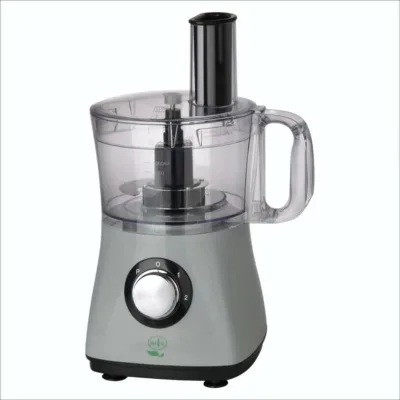
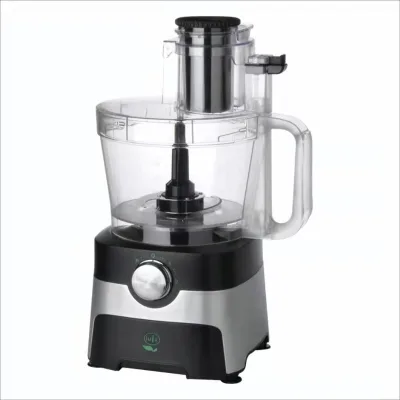
Fashion Design Kitchen Appliance Food Grade 400W Multi-Function Food Processor
$21.00 - $25.00
MOQ: 1000 Pieces


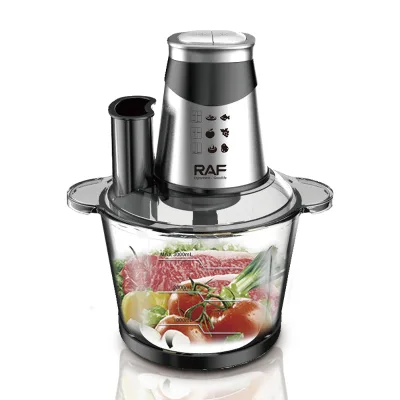
Newest Novel Design 400W Multi-Function Food Processor with Smoothie Bottle
$1.00 - $25.00
MOQ: 1060 Pieces





Comprehensive Sourcing Guide
Compact Multifunctional Commercial Food Processor Sourcing Guide
Sourcing a Compact Multifunctional Commercial Food Processor requires a careful balance between industrial-grade durability and space-efficient design. These appliances are engineered to handle high-volume tasks such as chopping, grinding, mixing, and pureeing within a footprint suitable for smaller commercial kitchens or high-end home use environments. The market offers a wide variety of models, ranging from basic single-function units to complex systems capable of kneading dough and shredding vegetables simultaneously. Buyers must navigate this diversity by focusing on specific operational needs rather than general capabilities, ensuring that the selected unit aligns with both the physical constraints of the workspace and the intensity of the daily workload.
The procurement process is further complicated by the wide range of specifications available, including varying bowl capacities, power outputs, and blade configurations. While some units are designed for light-duty home use with capacities under ten liters, others are built for heavier commercial applications with larger volumes and more robust motors. Understanding these distinctions is critical for making informed purchasing decisions. Buyers should prioritize units that offer the specific functions required for their menu or production line, while also considering the ease of cleaning and maintenance, which are paramount in maintaining hygiene standards and operational efficiency in a professional setting.
Product Scope and Observed Listing Signals
The current market landscape for compact multifunctional food processors reveals a significant diversity in product offerings, with observed price points ranging from $1 to $19,500 USD. This broad spectrum indicates that buyers will encounter everything from entry-level consumer-grade devices to high-end, specialized commercial equipment. The minimum order quantities (MOQ) also vary widely, from single units to orders of up to 5,000 pieces, suggesting that suppliers cater to both individual retailers and large-scale distributors. This variability allows buyers to tailor their procurement strategy based on their inventory capacity and budget constraints, but it also necessitates a thorough evaluation of each supplier’s capabilities and product tier.
Observed listing signals highlight key attributes that define the value proposition of these machines. Common features include stainless steel blades, plastic housings, and specific certifications such as CE, RoHS, EMC, and LFGB. These certifications are particularly important for products intended for the European market or other regions with strict regulatory requirements. Additionally, many listings emphasize customization options, allowing buyers to tailor the product to their brand or specific operational needs. The presence of accessories like chopping and mixing blades further enhances the versatility of these units, making them suitable for a wide range of culinary tasks. Buyers should carefully review these signals to ensure that the selected product meets their functional and regulatory requirements.
Technical Specifications to Verify
When evaluating technical specifications, buyers must pay close attention to the motor power, speed settings, and bowl capacity. Observed data indicates that units may feature power outputs around 400W, with speed controls offering both variable settings and pulse functions. This combination allows for precise control over the texture and consistency of the processed food, which is essential for achieving consistent results in both home and commercial settings. Additionally, the presence of safety features, such as locking switches, is crucial for preventing accidents during operation. Buyers should verify that the selected unit includes these safety mechanisms and that they are easily accessible and functional.
The material composition of the food processor is another critical factor. Stainless steel blades are commonly observed, providing durability and resistance to corrosion, while plastic housings offer lightweight and cost-effective construction. Some units may feature a combination of ABS plastic and stainless steel, balancing strength and weight. Buyers should also consider the bowl capacity, which can range from small volumes suitable for individual use to larger capacities for commercial applications. Verifying the exact dimensions and weight of the unit is also important for ensuring that it fits within the designated workspace and can be easily moved or stored when not in use.
Compliance and Safety Documentation
Compliance with international safety and environmental standards is non-negotiable for commercial food processors. Observed certifications include CE, RoHS, EMC, LFGB, CB, and ETL, which indicate that the product meets specific regulatory requirements for electrical safety, electromagnetic compatibility, and material safety. These certifications are particularly important for products intended for sale in the European Union, where CE marking is mandatory. Buyers should request copies of these certifications from suppliers and verify their authenticity through independent testing laboratories if necessary. This due diligence helps mitigate the risk of regulatory non-compliance and potential legal liabilities.
In addition to certifications, buyers should ensure that the product documentation includes detailed user manuals, safety warnings, and maintenance guidelines. These documents are essential for ensuring that the food processor is used correctly and maintained properly, which extends its lifespan and ensures optimal performance. Buyers should also verify that the product meets local food safety standards, particularly regarding the materials used in contact with food. For instance, LFGB certification indicates that the materials are safe for food contact, which is crucial for preventing contamination and ensuring the health and safety of consumers.
Cost Drivers and Commercial Terms
The cost of a Compact Multifunctional Commercial Food Processor is influenced by several factors, including the materials used, the complexity of the design, and the level of customization required. Units with stainless steel components and advanced features such as multiple speed settings and safety locks tend to be more expensive than basic models. Additionally, the cost may vary depending on the supplier’s location and production capabilities. Buyers should consider the total cost of ownership, including maintenance, replacement parts, and energy consumption, when evaluating the price of a unit. This holistic approach helps ensure that the selected product offers the best value over its lifecycle.
Commercial terms such as lead times, payment terms, and shipping costs also play a significant role in the procurement process. Observed data indicates that delivery times can range from 40 days after receiving the deposit, which buyers should factor into their production schedules. Payment terms may vary, with some suppliers requiring a deposit upfront and the balance upon shipment. Buyers should negotiate favorable terms that align with their cash flow and risk management strategies. Additionally, shipping costs can vary significantly depending on the weight and dimensions of the unit, so buyers should obtain detailed quotes from multiple suppliers to ensure they are getting the best deal.
Supplier Qualification and Quality Control
Supplier qualification is a critical step in the procurement process, as it ensures that the selected supplier has the capabilities and resources to deliver high-quality products. Buyers should conduct thorough due diligence, including verifying the supplier’s business license, production capacity, and quality control processes. Requesting samples before placing a large order is also recommended, allowing buyers to evaluate the product’s quality and performance firsthand. Additionally, buyers should assess the supplier’s ability to provide after-sales support, including warranty coverage and technical assistance, which is essential for resolving any issues that may arise during the product’s lifecycle.
Quality control measures should be implemented throughout the production process to ensure that the final product meets the specified standards. Buyers should request detailed quality control reports from suppliers, including inspection results and test data. Additionally, buyers may consider hiring third-party inspection agencies to conduct pre-shipment inspections, ensuring that the products meet the agreed-upon specifications and quality standards. This proactive approach helps minimize the risk of receiving defective or non-compliant products, protecting the buyer’s reputation and customer satisfaction.
Long-Term Procurement Checks
Long-term procurement success depends on establishing strong relationships with suppliers and continuously monitoring their performance. Buyers should conduct regular reviews of supplier performance, including delivery times, product quality, and customer service. This ongoing evaluation helps identify any issues early on and allows for corrective actions to be taken before they escalate. Additionally, buyers should stay informed about industry trends and technological advancements, ensuring that their procurement strategy remains competitive and aligned with market demands. This proactive approach helps buyers stay ahead of the curve and maintain a competitive edge in their respective markets.
Finally, buyers should consider the sustainability and environmental impact of their procurement decisions. This includes evaluating the supplier’s environmental practices, such as waste management and energy efficiency, and considering the recyclability and durability of the products. By prioritizing sustainable procurement practices, buyers can contribute to a more responsible and ethical supply chain, while also meeting the growing consumer demand for environmentally friendly products. This holistic approach to procurement not only benefits the buyer’s bottom line but also contributes to a more sustainable future for the industry.
FAQs
What certifications do these food processors hold?
These units hold CE, RoHS, EMC, LFGB, CB, and ETL certifications. Multiple product models listed on the page display these specific compliance marks to ensure safety and regulatory adherence for international markets.
Can I customize the product specifications and packaging?
Yes, customization is available for specifications and packaging options. Buyers can request tailored solutions, and the standard packing often includes a gift box combined with a master carton for secure shipping.
What is the typical delivery time for orders?
The standard delivery time is 40 days after receiving the deposit. This lead time applies to the manufacturing and shipping process for the listed food processor models from the supplier.
Which materials are used for the blades and housing?
Blades are made of stainless steel while housings use ABS plastic or a combination of ABS and stainless steel. Some models also feature double-grade materials to ensure durability during chopping and mixing tasks.
What functions does the multifunctional processor perform?
The device performs chopping, grinding, mixing, pureeing, slicing, shredding, and kneading dough. These functions are supported by accessories like chopping and mixing blades for versatile kitchen preparation needs.
What is the capacity range for these units?
Capacity varies from less than 10 liters to over 40 liters depending on the specific model. Some compact units have a bowl capacity of 1.5 liters or 2 liters for smaller household or commercial tasks.