Source Compact Pneumatic Diaphragm Water Pump for Water Transfer, Chemical Dosing, and Vacuum Applications
Explore 30 listings of compact pneumatic diaphragm water pumps featuring magnetic driving and single-stage designs. Buyers can compare specifications including flow rates up to 446 L/min, materials like cast iron and stainless steel, and certifications such as ISO9001 and CE for industrial sourcing needs.
Key considerations
Products List


$710.00 - $770.00
MOQ: 1 Pieces


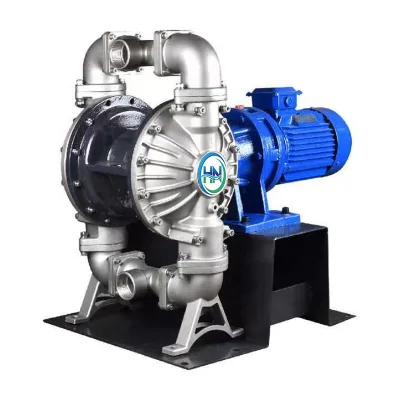
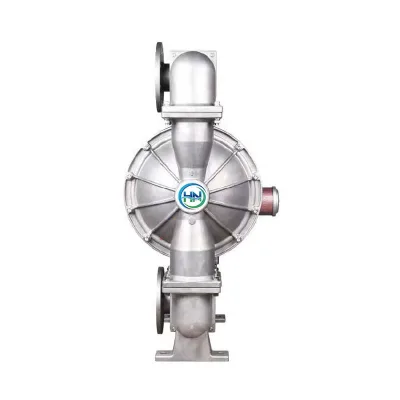


Reliable Pneumatic Diaphragm Pump for Efficient Fluid Handling Solutions
$2500.00 - $3000.00
MOQ: 1 Sets

Compact Diaphragm-Customized Water Pump for Versatile Fluid Transfer Solutions
$100.00 - $2000.00
MOQ: 5 Sets


Comprehensive Sourcing Guide
Strategic Sourcing Guide for Compact Pneumatic Diaphragm Water Pumps
Understanding the Technical Architecture and Variants
When sourcing a Compact Pneumatic Diaphragm Water Pump, buyers must first navigate the diverse technical configurations available in the market. The core keyword implies a device that utilizes compressed air to drive a diaphragm, creating a vacuum to move fluids, yet the specific implementation varies significantly based on the intended application. Based on observed product attributes, the driving type is consistently magnetic or pneumatic, with the majority of the data pointing toward pneumatic diaphragm mechanisms. These pumps are characterized by their ability to handle a wide range of viscosities and are often preferred for their self-priming capabilities and dry-run safety.
The physical configuration of these pumps is another critical differentiator. The observed data indicates a prevalence of horizontal pump designs where the pump shaft is positioned horizontally. This orientation is often selected for stability in compact installations. Furthermore, the casing construction varies; some units utilize horizontal split pumps, which facilitate easier maintenance and inspection of internal components without removing the entire unit from the piping system. The impeller design also plays a pivotal role in performance. While some high-performance models feature single-suction impellers with closed designs to maximize efficiency, other specific models are identified as single-stage pumps. The maximum head for these units can exceed 150 meters, indicating their suitability for applications requiring significant pressure generation despite their compact footprint.
Capacity is another variable that defines the utility of these pumps. While some units are rated for a maximum capacity exceeding 400 liters per minute, specific model observations show flow rates as low as 61 liters per minute or as high as 446 liters per minute. This wide range suggests that buyers must carefully match the pump's flow rate to their specific process requirements rather than assuming a standard output. The suction mechanism is often described as suction centrifugal in certain contexts, though this terminology may refer to the pump's ability to create a vacuum for priming rather than a true centrifugal impeller design in all cases. The mounting height is generally designed to be compact, fitting into tight spaces where traditional centrifugal pumps would be impractical.
Material Selection and Chemical Compatibility
The longevity and reliability of a pneumatic diaphragm pump are heavily dependent on the materials used in its construction, particularly when handling water or corrosive fluids. The supplied data reveals a spectrum of material options ranging from cast iron to stainless steel, plastic, and specialized polymers like PVDF and PP. Cast iron models are typically identified by a weight of approximately 6.8kg, suggesting a robust build suitable for industrial environments where mechanical strength is prioritized over chemical resistance. In contrast, stainless steel variants offer enhanced corrosion resistance, making them ideal for applications involving potable water or mildly aggressive chemicals.
For highly corrosive applications, plastic-based pumps are the preferred choice. The data highlights specific models constructed from PP (Polypropylene) and PVDF (Polyvinylidene Fluoride). A PVDF pump is noted to weigh approximately 20kg, while a PP pump weighs around 16kg, indicating that the material density and wall thickness requirements vary significantly. The diaphragm material itself is a critical component; FPM (Fluoroelastomer) is explicitly mentioned as a diaphragm material option, known for its excellent chemical resistance and durability. This material choice ensures that the pump can withstand repeated flexing cycles without degrading when exposed to harsh chemicals.
The color coding of these pumps, such as the RV40 or White variants, often serves as an identifier for the specific material composition or model series. For instance, a "White" model specification might correlate with a specific plastic type, aiding in quick visual identification during inventory management. Buyers must verify the specific material grade against the fluid being pumped to prevent premature failure. The performance attribute of "Corrosion" resistance is a key selling point for these material variants, ensuring that the pump body and internal components do not degrade over time. Additionally, the "No Leak" performance claim is a critical requirement for environmental compliance and operational safety, particularly when handling hazardous or valuable fluids.
Compliance, Certification, and Standard Verification
Navigating the regulatory landscape is essential for B2B procurement, especially when importing equipment from regions like Wenzhou, China. The supplied facts indicate that many manufacturers adhere to ISO standards, with ISO9001 being the most frequently cited certification. This certification confirms that the manufacturer has a quality management system in place, ensuring consistent product quality. However, buyers should not assume that every listed product carries this certification; it must be verified on a per-supplier basis. Some products explicitly list ISO9001 as a standard, while others may reference it in conjunction with other certifications.
Beyond general quality management, specific industry certifications are often required for pumps used in hazardous environments or for export to regulated markets. The data mentions a comprehensive set of certificates including CE, ATEX, and SGS. CE marking indicates conformity with health, safety, and environmental protection standards for products sold within the European Economic Area. ATEX certification is crucial for equipment intended for use in explosive atmospheres, a common requirement in chemical processing and mining sectors. SGS certification provides third-party verification of product quality and safety, adding a layer of trust for international buyers.
The product origin is consistently listed as China, with specific manufacturing hubs like Wenzhou noted. This geographical concentration suggests a mature supply chain for these types of pumps, but it also necessitates rigorous due diligence regarding the specific factory's compliance history. Buyers should request valid, up-to-date copies of all certificates rather than relying on general claims. The "Electronic Type" function mentioned in some certification contexts may refer to specific control features or monitoring systems integrated into the pump, though this requires clarification as pneumatic pumps are primarily air-driven. Verifying that the certification applies to the specific model being purchased is vital, as certifications can sometimes be model-specific rather than company-wide.
Cost Drivers and Procurement Economics
The pricing structure for compact pneumatic diaphragm pumps is influenced by a complex interplay of factors, including material costs, manufacturing complexity, and certification requirements. The observed price range in the market spans from $30 to $6,000, a vast disparity that reflects the diversity of the product line. The lower end of this spectrum likely corresponds to basic plastic models with standard certifications and lower flow rates, while the upper end encompasses heavy-duty stainless steel or PVDF units with specialized features, high flow capacities, and comprehensive safety certifications.
Material composition is a primary cost driver. A cast iron pump, while robust, may be less expensive than a stainless steel or PVDF unit due to the raw material costs and processing requirements. Similarly, the inclusion of FPM diaphragms adds to the cost compared to standard rubber alternatives. The packaging method also influences the final price; options include wood cases, standard plywood, or carton/wooden boxes. Wood cases offer superior protection for heavy or delicate units but add to the overall shipping and material cost. Standard plywood is a middle-ground option, while cartons are typically used for smaller, lighter units.
Minimum Order Quantity (MOQ) is another economic factor that affects procurement strategy. The observed MOQ range is from 1 to 100 units, offering flexibility for both small-scale projects and large industrial deployments. Buyers seeking to minimize inventory costs can often source single units, whereas bulk purchasing may unlock volume discounts. However, the specific MOQ for a given model must be confirmed with the supplier, as it can vary based on production capacity and customization requirements. Customization is listed as an available attribute, which can significantly impact the cost and lead time. Custom features such as specific thread sizes, unique material combinations, or tailored performance specifications will generally incur additional charges and extend the production timeline.
Typical Applications and Operational Context
Compact pneumatic diaphragm pumps are versatile tools utilized across a wide array of industries, driven by their ability to handle difficult fluids and operate in challenging environments. The "Usage" attribute broadly categorizes these as pumps, but their specific applications are defined by their performance characteristics. The "Eco-Friendly" feature suggests suitability for applications where environmental impact is a concern, such as water treatment or wastewater management. The "No Leak" performance is particularly valuable in scenarios involving hazardous chemicals, where spill prevention is critical.
One of the primary applications for these pumps is in the chemical processing industry. The availability of corrosion-resistant materials like PVDF and PP, along with FPM diaphragms, makes them ideal for transferring acids, bases, and solvents. The "Corrosion" performance attribute directly supports this use case, ensuring the pump can withstand aggressive chemical environments without degrading. In the water treatment sector, these pumps are used for dosing chemicals, sludge transfer, and dewatering operations. The high maximum head capability (>150m) allows them to overcome significant pressure drops in piping systems, making them suitable for long-distance transfer or high-pressure injection.
The "Single Suction Pump" and "Single-Stage Pump" configurations are particularly useful for applications requiring moderate flow rates and high pressure. The "Vacuum Pump" attribute indicates that these units can also be used for suction lifting or vacuum generation, expanding their utility beyond simple fluid transfer. In the food and beverage industry, the availability of stainless steel and plastic models ensures compliance with hygiene standards, while the pneumatic drive eliminates the risk of electrical sparks in potentially explosive atmospheres. The "Air Driven" nature of these pumps also makes them ideal for remote locations or areas where electricity is unreliable, as they can be powered by a standard compressed air supply.
Supplier Evaluation and Quality Assurance Protocols
Selecting the right supplier is as critical as selecting the right pump model. Buyers should prioritize suppliers who demonstrate transparency in their manufacturing processes and provide verifiable documentation. The presence of ISO9001 certification is a baseline requirement, but buyers should look for evidence of continuous improvement and a robust quality control system. The "Customization" attribute indicates that suppliers should be capable of adapting products to specific needs, which requires a flexible and responsive engineering team.
Quality control should be a central part of the procurement process. Buyers must verify that the supplier conducts rigorous testing on all units, particularly regarding leak integrity and pressure ratings. The "No Leak" performance claim should be backed by test data or a warranty that covers leakage issues. Additionally, the supplier should provide detailed specifications for the materials used, including the grade of stainless steel or the specific polymer type for plastic models. The "Weight" specifications, such as 6.8kg for cast iron or 20kg for PVDF, serve as a quick verification metric; significant deviations from these weights may indicate substandard materials or construction.
Packaging is another area where quality can be assessed. The use of wood cases or standard plywood suggests a commitment to protecting the product during transit, which is essential for heavy or precision equipment. Buyers should inspect the packaging upon receipt to ensure that the pump has not suffered damage during shipping. Furthermore, the supplier should provide clear instructions for installation and maintenance, as improper setup can lead to premature failure. The "Product Name" and "Model" specifications should be clearly labeled on the pump and in all documentation to ensure traceability and accurate replacement part ordering.
Long-Term Procurement and Lifecycle Management
Sourcing a compact pneumatic diaphragm pump is not a one-time transaction but the beginning of a long-term relationship with a supplier. Buyers should consider the availability of spare parts, such as diaphragms, valves, and seals, to minimize downtime. The "Diaphragm Material" and "Valve Body Type" are critical components that will require periodic replacement. A supplier that maintains a robust inventory of spare parts and offers technical support is essential for maintaining operational continuity.
The "Performance" attributes, such as corrosion resistance and no-leak capabilities, should be monitored over time to ensure the pump continues to meet expectations. Regular maintenance checks, including visual inspections and performance testing, can help identify potential issues before they lead to failure. The "Working Pressure" and "Max Flow Rate" should be regularly compared against actual operating conditions to ensure the pump is not being overworked or underutilized.
Finally, buyers should consider the environmental impact of the pump throughout its lifecycle. The "Eco-Friendly" feature suggests that these pumps are designed with sustainability in mind, but buyers should also consider the end-of-life disposal of the pump materials. Recycling programs for cast iron, stainless steel, and plastics can help reduce the environmental footprint of the procurement. By focusing on long-term value rather than just initial cost, buyers can ensure that their investment in compact pneumatic diaphragm pumps delivers consistent performance and reliability over many years of operation.
FAQs
What materials are used for compact pneumatic diaphragm water pumps?
These pumps are constructed from cast iron, stainless steel, or plastic variants like PP and PVDF. Material selection depends on corrosion resistance needs, with FPM diaphragms often used for chemical compatibility.
Which certifications do these pumps typically hold?
Common certifications include ISO9001, CE, ATEX, and SGS. Buyers must verify that specific models carry these certificates, as they ensure compliance with safety and quality standards for various industrial applications.
How much does a Compact Pneumatic Diaphragm Water Pump cost?
Prices range from 30 to 6000 USD depending on specifications and materials. Higher costs usually reflect stainless steel or PVDF construction, specialized certifications, and larger flow capacities compared to basic plastic models.
Can these pumps handle high flow rates?
Yes, some models achieve flow rates up to 446 liters per minute, while others operate around 61 liters per minute. Capacity varies significantly by model, so matching the specific flow requirement to the pump size is essential.
What is the maximum head capacity for these pumps?
Many units are designed to exceed a maximum head of 150 meters. This high pressure capability allows them to overcome significant piping resistance and perform effectively in vertical lift or long-distance transfer scenarios.
Where are these pumps manufactured?
Manufacturing origins are primarily located in China, with Wenzhou being a noted production hub. Buyers should confirm the specific factory location and verify origin claims to ensure supply chain transparency and quality control.
Are customization options available for these pumps?
Customization is available for specific requirements like thread sizes or material combinations. However, custom features may impact the minimum order quantity and extend the lead time compared to standard stock models.