Source Lab Created Diamond Commemorative Ring for Weddings, Gifts, and Collections
Explore 30 listings for lab created diamond commemorative rings featuring IGI certifications and customizable options. Buyers can compare styles like heart, oval, and emerald cuts with varying clarity and color grades for personal or professional use.
Key considerations
Products List
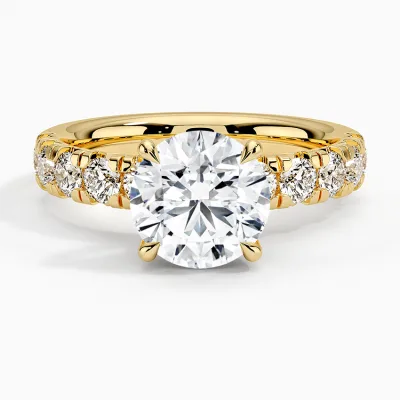


Diamond Jewelry Lab Grown Gemstone 18K Gold Ring Synthetic Diamond Ring
$580.00 - $1100.00
MOQ: 1 Pieces

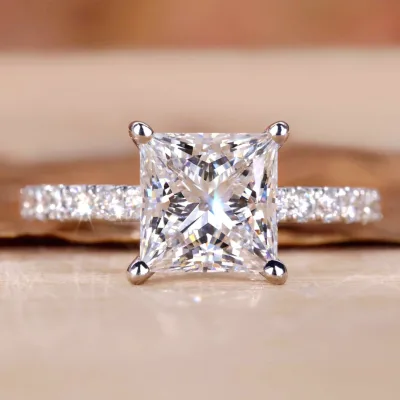
Factory OEM Lab Diamond Rings Fashion Jewelry Diamond Ring Accessories
$936.00 - $1170.00
MOQ: 1 Pieces



Comprehensive Sourcing Guide
Strategic Sourcing Guide for Lab Created Diamond Commemorative Rings
The global market for lab-created diamond commemorative rings has evolved into a sophisticated sector where technological precision meets emotional significance. For B2B procurement professionals, sourcing these items requires a nuanced understanding of synthetic gemology, supply chain logistics, and the specific technical attributes that define value in this category. Unlike natural diamond sourcing, the procurement of lab-grown stones involves verifying specific manufacturing processes, certification bodies, and material compositions that ensure the product meets both aesthetic and ethical standards. This guide provides a structured approach to evaluating suppliers and products, focusing on the critical parameters observed in the current market landscape.
Technical Specifications and Material Composition
When evaluating lab-created diamond rings, the primary focus must be on the precise technical specifications that differentiate high-quality inventory from standard offerings. The core material is consistently identified as synthetic or lab-grown diamonds, which are chemically and physically identical to natural diamonds but created in controlled environments. Buyers must scrutinize the "Diamond Type" attribute to confirm the synthetic origin, as this is a fundamental requirement for the product category.
A critical aspect of technical evaluation is the "Diamond Cut." In the observed market data, "Very Good Cut" is a prevalent specification, indicating a balance between brilliance and cost-efficiency. However, the cut style varies significantly based on the intended design. The "prod_model" attribute reveals a diversity of shapes, including "Emerald Cut," "Princess Cut," and "ROUND BRILLIANT," alongside unique shapes like "Heart" and "Oval." Each cut serves a different commemorative purpose; for instance, the Round Brilliant is often chosen for maximum sparkle in wedding contexts, while the Emerald Cut appeals to collectors seeking a vintage aesthetic.
The physical properties of the stone are equally vital. The "Diamond Color" spectrum in the market ranges from "K" to "D," with "D" representing the highest color grade (colorless) and "K" indicating a faint tint. Similarly, "Diamond Clarity" is observed in grades such as "VVS" (Very, Very Slightly Included) and "VS" (Very Slightly Included). These grades are essential for determining the visual purity of the stone. Procurement teams should verify that the listed clarity and color grades match the physical sample, as these attributes directly influence the perceived value and pricing of the ring.
Furthermore, the setting and band materials are integral to the product's durability and aesthetic. The "Material" attribute frequently lists "Gold" or "18K White Gold," with options for customization noted in several listings. The "Setting Type" is another technical variable, with "Six-Prong Setting" and "Claw Setting" being common configurations. These settings must be evaluated for their ability to secure the stone, particularly given the "Main Stone" weight, which can range from 0.51 carats to over 1.50 carats. The "Total Weight" of the finished ring, often recorded around 1.94 grams, serves as a baseline for material cost calculations and shipping logistics.
Compliance, Certification, and Verification Standards
In the realm of lab-grown diamonds, trust is established through rigorous certification. The supply chain data highlights specific certification bodies, with "IGI" (International Gemological Institute) appearing as a high-confidence standard. Some listings also reference "NGTC" (National Gemstone Testing Center), indicating a dual-certification approach that may appeal to buyers targeting specific regional markets. When sourcing, it is imperative to verify that the certification provided is current and corresponds to the specific lot of goods.
Compliance extends beyond the gemstone itself to the manufacturing standards. The "prod_standard" attribute often references packaging dimensions, such as "202020cm," which serves as a logistical standard rather than a gemological one. However, the "prod_packing" details, ranging from "Cardboard Box" to "Jewelry Box and Strong Carton," are critical for ensuring the product arrives in pristine condition. For commemorative rings, which are often gifts, the unboxing experience is part of the product value.
Buyers must also consider the "Fabrication Processing" standards. The attribute "Gem Mounting" indicates a specific stage in the production process where the stone is secured into the setting. This process must be executed with precision to avoid damaging the lab-grown diamond. Additionally, the "Design" attribute, such as "3D Design," suggests the use of advanced modeling techniques in the creation of the ring, which can be a marker of a supplier's technological capability.
Cost Drivers and Pricing Structures
The pricing of lab-created diamond rings is influenced by a complex interplay of factors, including the carat weight, color grade, clarity, and the complexity of the setting. The observed price range in the market spans from $0.98 to $6,406, a variance that reflects the difference between simple decorative pieces and high-end commemorative jewelry. This wide range underscores the importance of defining clear specifications before requesting quotes.
The "Carat" weight is a primary cost driver. Listings show carat ranges from 0.51ct to 1.50ct, and potentially higher. As the carat weight increases, the price typically rises exponentially, not linearly. The "Total Weight" of the ring, including the metal content, also contributes to the final cost. For example, a ring with a 1.94g total weight made of 18K White Gold will have a different cost structure than a lighter, gold-plated alternative.
The "Customization" attribute is another significant factor. The availability of customization allows buyers to tailor the ring to specific commemorative needs, such as engraving or specific design modifications. However, customization often incurs additional costs and may extend the lead time. The "MOQ" (Minimum Order Quantity) observed in the market ranges from 1 to 100 units, offering flexibility for both small boutique orders and larger wholesale purchases. Buyers should negotiate based on their volume requirements, as higher volumes often secure better unit pricing.
Typical Applications and Market Segmentation
Lab-created diamond commemorative rings serve diverse applications, ranging from personal gifts to corporate awards. The "Usage" attribute explicitly categorizes these products for "Decoration," "Collection," "Wedding," and "Gift." This versatility makes them suitable for a broad B2B client base. For instance, the "Style" attribute, listed as "Fashion," suggests a target demographic interested in contemporary trends, while the "Type Name" "Statement Ring" indicates a focus on bold, eye-catching designs for special occasions.
The "Gender" attribute, predominantly "Female," highlights the primary market segment, though this does not preclude unisex designs. The "Shape" of the diamond, such as "Heart" or "Oval," often dictates the emotional resonance of the piece. A heart-shaped ring is traditionally associated with romantic gestures, making it a popular choice for anniversaries or Valentine's Day. Conversely, an oval or emerald cut might be preferred for a more understated, elegant look suitable for professional settings or family heirlooms.
Understanding the specific application is crucial for supplier selection. A supplier specializing in "Wedding" rings may have different capabilities compared to one focusing on "Collection" pieces. The "Design" complexity, such as "3D Design," may be more relevant for high-end collectors, while simpler "Claw Setting" designs might be preferred for mass-market gift items.
Supplier Evaluation and Quality Control
Evaluating a supplier for lab-created diamond rings requires a multi-faceted approach. The "Location" of the supplier, often cited as "China" or specifically "Zhengzhou, Henan, China," provides context for the manufacturing ecosystem. Buyers should verify the supplier's capacity to handle the specific "Delivery Time" requirements, which vary from 5-7 working days to 15-25 days depending on the order complexity and customization needs.
Quality control is paramount in this sector. Buyers should request samples to verify the "Diamond Clarity" and "Color" grades against the provided certificates. The "Main Stone" weight should be verified using calibrated scales to ensure accuracy. Additionally, the "Setting Type" must be inspected for structural integrity, ensuring that the "Six-Prong" or "Claw" settings are secure and do not pose a risk of stone loss.
The "prod_packing" and "prod_standard" attributes also serve as indicators of a supplier's attention to detail. A supplier that uses "Jewelry Box and Strong Carton" demonstrates a commitment to protecting the product during transit. Buyers should also assess the supplier's responsiveness to "Customization" requests, as the ability to adapt designs is a key differentiator in the commemorative jewelry market.
Long-Term Procurement Considerations
Sourcing lab-created diamond rings is not merely a transactional activity but a strategic partnership that requires long-term planning. The "lead_time" variability, ranging from 5 to 25 days, necessitates careful inventory management. Buyers should establish clear communication channels with suppliers to manage expectations regarding production schedules and potential delays.
The "Certification" landscape is also subject to change. While "IGI" and "NGTC" are currently prominent, buyers should remain vigilant for new certification standards or changes in regulatory requirements. Maintaining a relationship with a supplier who can provide up-to-date certification documents is essential for compliance and market trust.
Finally, the "Customization" capability of the supplier should be viewed as a long-term asset. As market trends shift, the ability to adapt designs, such as moving from "Fashion" styles to more traditional "Wedding" aesthetics, will be crucial. Buyers should prioritize suppliers who demonstrate flexibility and a commitment to continuous improvement in their fabrication processes and product offerings.
Comparative Analysis of Product Attributes
To facilitate decision-making, the following table summarizes key attributes observed in the market, highlighting the variability and specific requirements for procurement.
| Attribute Category | Observed Variations | Procurement Verification Point |
|---|---|---|
| Diamond Cut | Very Good Cut, Emerald Cut, Princess Cut, Round Brilliant, Heart, Oval | Verify cut grade against certificate; match shape to design intent. |
| Diamond Color | K, D, Transparent | Confirm color grade (D is highest); ensure consistency with sample. |
| Diamond Clarity | VVS, VS | Check for inclusions under magnification; verify clarity grade. |
| Material | Artificial Diamonds, Gold, 18K White Gold | Confirm metal purity; verify stone type is lab-grown. |
| Setting Type | Six-Prong Setting, Claw Setting | Inspect security of stone; check for wear resistance. |
| Certification | IGI, NGTC | Validate certificate authenticity; ensure it matches the specific item. |
| Delivery Time | 5-7 Working Days, 15-20 Days, 15-25 Days | Align lead time with project deadlines; confirm customization impact. |
| Packaging | Cardboard Box, Jewelry Box, Strong Carton | Assess protection level; verify branding options. |
| Usage | Decoration, Collection, Wedding, Gift | Match product style to end-user application. |
| Customization | Available | Confirm scope of changes; verify additional costs and timelines. |
By adhering to these guidelines and maintaining a rigorous focus on technical specifications, certification, and supplier capabilities, B2B buyers can effectively navigate the complex landscape of lab-created diamond commemorative rings. This structured approach ensures that the final product meets the highest standards of quality and value, satisfying both the commercial objectives and the emotional significance of the commemorative occasion.
FAQs
How long does delivery take for these rings?
Delivery typically takes between 5 to 25 working days depending on the specific order. Standard production runs require 5 to 7 days, while customized items or larger batches may extend to 15 to 25 days for completion and shipping.
What certifications are available for these rings?
Most listings provide certification from the International Gemological Institute or the National Gemstone Testing Center. Buyers should verify that the specific certificate matches the stone's carat weight and clarity grade before finalizing any bulk purchase.
Which diamond cuts are available for these rings?
Available cuts include Emerald, Princess, Round Brilliant, Heart, and Oval shapes. The market data indicates a Very Good Cut grade is common, ensuring high brilliance while maintaining cost efficiency for various commemorative designs.
Can I customize the ring design and materials?
Yes, customization is available for specific designs and materials like 18K White Gold. Buyers can request changes to the setting type or stone size, though this may impact the final lead time and minimum order quantity requirements.
What is the minimum order quantity for these rings?
The minimum order quantity ranges from 1 to 100 units depending on the supplier and product configuration. Smaller orders allow for testing market response, while larger volumes often unlock better pricing tiers for wholesale buyers.
Where are these rings manufactured?
Production originates primarily from China, with specific manufacturing hubs noted in Zhengzhou, Henan. Buyers should confirm the exact factory location to ensure compliance with regional shipping standards and quality control protocols.
What is the price range for these commemorative rings?
Prices observed in the market range from 0.98 to 6406 USD based on carat weight and material quality. The final cost is heavily influenced by the diamond clarity, color grade, and the complexity of the gold setting used.