Source Complete Engine Overhaul Kit for Car Truck Excavator
Find a Complete Engine Overhaul Kit from 30 verified listings suitable for cars, trucks, and excavators. Buyers can compare specifications, certifications, and pricing to select the right parts for repair or replacement needs.
Key considerations
Products List


SAA6d125e-5 Engine Overhaul Repair Kit Complete Full Gasket Kit for Repair Kit
$57.00 - $120.00
MOQ: 1 Pieces

4tnv106 Complete Full Engine Overhaul Repair Kit for Construction Machinery Parts
$2999.00 - $5100.00
MOQ: 1 Pieces


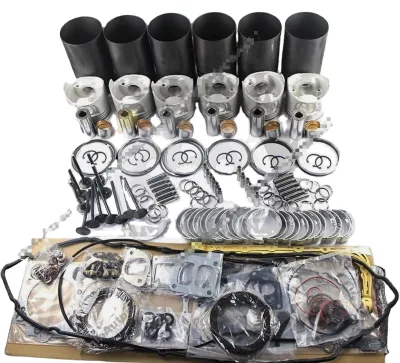


Complete Cylinder Head Kit for Streamlined Qsk19 Engine Overhaul Service
$1000.00 - $1100.00
MOQ: 5 Pieces


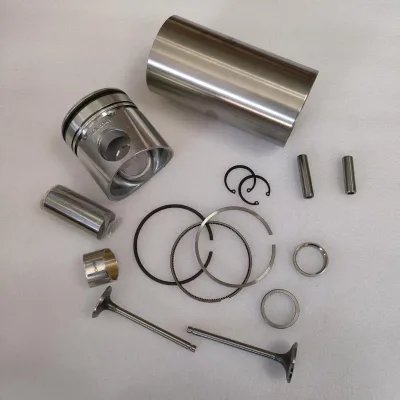


Full Clutch Kit, Clutch Replacement, Clutch Replacement Kit, Clutch Disc Replacement
$16.20 - $16.90
MOQ: 100 Pieces


Comprehensive Sourcing Guide
Complete Engine Overhaul Kit Sourcing Guide
Sourcing a Complete Engine Overhaul Kit requires a disciplined approach to verifying component compatibility and material integrity. Buyers must recognize that these kits are not monolithic products but rather curated assemblies of critical internal engine parts designed to restore mechanical performance. The procurement process begins with a precise understanding of the engine’s original equipment manufacturer (OEM) specifications, as even minor deviations in part geometry can lead to catastrophic failure. This guide outlines the essential verification steps, commercial considerations, and quality controls necessary for successful procurement.
The following sections provide a structured framework for evaluating suppliers and products. By focusing on observable listing signals, technical specifications, and compliance documentation, buyers can mitigate the risks associated with aftermarket parts. The goal is to establish a sourcing strategy that prioritizes long-term reliability and operational continuity over short-term cost savings, ensuring that every component in the overhaul kit meets the rigorous demands of heavy-duty or specialized engine applications.
Product Scope and Observed Listing Signals
The market for complete engine overhaul kits encompasses a wide variety of components tailored to specific engine models and applications. Observed listings indicate that these kits often include cylinder liners, piston kits, and gasket sets, which are fundamental to engine reconstruction. The product scope extends across diverse sectors, including automotive, trucking, marine, agricultural, and construction equipment. Buyers should note that applications range from cars and trucks to excavators, tractors, and lawn mowers, highlighting the versatility and specialized nature of these assemblies.
Listing signals reveal significant variation in packaging and branding strategies among suppliers. Some products are offered in neutral boxes or customized packaging, while others retain original manufacturer packaging to ensure authenticity and ease of identification. The presence of specific OEM numbers, such as 57gc189A or 462.203, serves as a critical identifier for buyers seeking exact replacements. Additionally, descriptions often highlight the condition of the parts as "new" and emphasize their purpose for replacement or repair, which helps buyers distinguish between refurbished and brand-new components.
Technical Specifications to Verify
Verifying technical specifications is the most critical step in the sourcing process, as compatibility is paramount. Buyers must cross-reference the engine model number, such as OM457, OM400, or 4TNV106, with the kit’s part numbers to ensure a perfect fit. The material composition of the components, typically steel or available alloys, directly impacts durability and performance under high-stress conditions. It is essential to confirm that the cylinder liners and piston kits are manufactured to precise tolerances that match the original engine block dimensions.
Beyond material and fitment, buyers should verify the inclusion of all necessary gaskets and seals. A complete overhaul kit should include head gaskets and other sealing components to prevent leaks and maintain compression. The weight of the package, observed at approximately 5kg for certain kits, can serve as a secondary verification metric for completeness. Buyers must also check for specific model designations like SAA6d125e-5 or 6150-31-2410 to ensure that the kit aligns with the specific variant of the engine being serviced.
Compliance and Safety Documentation
Compliance with international standards is a key indicator of supplier reliability and product quality. Many listed products carry certifications such as CE, ISO 9001, TSRoHS, and ISO TSRoHS, which suggest adherence to recognized quality management and environmental standards. These certifications provide buyers with confidence that the manufacturing processes have been audited and that the products meet specific safety and performance criteria. However, buyers should verify the validity of these certifications directly with the issuing bodies rather than relying solely on listing claims.
Safety documentation should also include detailed installation guides and torque specifications for the overhaul components. Proper installation is crucial to achieving the intended performance and longevity of the engine. Buyers should ensure that suppliers provide comprehensive technical support, including best aftersale service options and clear warranty terms. A standard warranty period of 24 months or one year is commonly observed, offering protection against manufacturing defects and providing a recourse mechanism for buyers in case of premature failure.
Cost Drivers and Commercial Terms
Several factors influence the total cost of ownership for complete engine overhaul kits, including material costs, manufacturing complexity, and shipping logistics. The price range for these products can vary significantly, from low-cost individual components to high-value complete sets, reflecting differences in quality, brand, and included parts. Buyers should consider the minimum order quantity (MOQ), which can range from a single piece to larger batches, depending on the supplier’s production capacity and business model.
Commercial terms such as delivery time and payment conditions also play a vital role in procurement planning. Some suppliers offer stock availability for quick delivery, while others may require production lead times. Shipping methods, including sea, air, or express couriers like DHL, FedEx, and TNT, impact both the cost and the speed of receipt. Buyers should negotiate clear terms regarding packaging, ensuring that parts are protected against damage during transit, and clarify any additional fees for customs clearance or handling.
Supplier Qualification and Quality Control
Supplier qualification involves assessing the manufacturer’s capability to produce consistent, high-quality components. Buyers should prioritize suppliers who demonstrate a commitment to quality through professional testing and high-quality material sourcing. The observation that products undergo 100% professional testing before shipment is a strong indicator of a supplier’s dedication to quality control. This rigorous testing helps identify defects early, reducing the risk of receiving faulty parts that could compromise engine performance.
Quality control processes should also include traceability and documentation of the manufacturing batch. Buyers should request certificates of conformity and material test reports to verify that the components meet the specified standards. Additionally, evaluating the supplier’s after-sales service capabilities is essential, as technical support during installation and troubleshooting can prevent costly errors. Suppliers located in manufacturing hubs like Zhoushan or China may offer competitive pricing, but buyers must ensure that logistical and communication barriers do not hinder effective collaboration.
Long-Term Procurement Checks
Establishing long-term procurement relationships requires ongoing monitoring of supplier performance and product reliability. Buyers should track the performance of the overhaul kits in their engines over time, noting any issues related to fitment, durability, or warranty claims. Regular feedback loops with suppliers can help identify areas for improvement and ensure that the products continue to meet evolving operational requirements. This proactive approach helps maintain a stable supply chain and reduces the risk of disruptions.
Continuous verification of supplier certifications and compliance status is also necessary to ensure ongoing adherence to industry standards. Buyers should periodically review the supplier’s quality management systems and conduct audits if feasible. By maintaining a detailed record of procurement data, including lead times, defect rates, and cost trends, buyers can make informed decisions about supplier selection and contract renewals. This data-driven approach supports strategic sourcing and enhances the overall efficiency of the procurement process.
FAQs
What components are included in a Complete Engine Overhaul Kit?
A Complete Engine Overhaul Kit typically includes cylinder liners, piston kits, and head gaskets. These parts are designed to restore engine performance and ensure proper sealing. Buyers should verify that the kit matches their specific engine model and OEM numbers to guarantee compatibility and fit.
What materials are used in these engine overhaul kits?
The kits are primarily constructed from steel and available alloy materials. These materials provide the necessary durability and heat resistance for engine operations. Selecting the correct material grade is essential for maintaining engine integrity under high stress and temperature conditions.
Which certifications are available for these engine overhaul kits?
Suppliers offer kits with CE, ISO, and RoHS certifications. These certifications indicate compliance with international safety and quality standards. Verifying these documents helps ensure that the components meet regulatory requirements for import and industrial use in various regions.
Can I customize the packaging for bulk engine overhaul kit orders?
Yes, customization is available for packaging options. Suppliers can provide neutral boxes, customized boxes, or original packages depending on your needs. This flexibility allows buyers to align packaging with their branding or specific logistics requirements for international shipping.
What is the typical warranty period for these engine parts?
The standard warranty period for these engine overhaul kits is 24 months. Some suppliers may offer a one-year warranty depending on the specific product line. Always confirm the warranty terms and coverage details with the supplier before finalizing your purchase agreement.
How is the delivery time managed for stock items?
Delivery time is often immediate for items held in stock. Suppliers can ship via sea, air, or express couriers like DHL and FedEx. Choosing the right shipping method depends on your urgency and budget, with air freight offering faster transit for critical repairs.
What applications are these engine overhaul kits suitable for?
These kits are suitable for cars, trucks, motorbikes, boats, tractors, and excavators. They are designed for replacement and repair purposes in various machinery. Ensure the kit is compatible with your specific engine model, such as OM457 or 4TNV106, to avoid fitment issues.