Source Complete Turbocharger for Mitsubishi Pajero for SUVs
Find a Complete Turbocharger for Mitsubishi Pajero among 30 available listings. Compare models like Garrett, MITSUBISHI, and IHI variants, noting body materials such as alloy or iron, and packaging standards to select the right component for your vehicle needs.
Key considerations
Products List

Rhv5 4m41 Vt13 1515A163 Complete Kit Turbocharger for for Mitsubishi Pajero
$90.00 - $100.00
MOQ: 1 Pieces

Turbo Rhv5 Vt12 1515A026 Turbocharger for Mitsubishi Pajero IV 3.2 Di-D
$90.00 - $100.00
MOQ: 1 Pieces

Td04 49135-03130 Full Turbine Turbocharger Kit for Mitsubishi Pajero II 2.8td
$90.00 - $100.00
MOQ: 1 Pieces

Turbocharger cartridge for Mitsubishi Pajero IV 3.2 DI-D VT13 1515A163 turbo
$60.00 - $70.00
MOQ: 1 Pieces

Mitsubishi Pajero Turbocharger for 4M40 engine 49377-03040 ME201636 turbo
$95.00 - $104.00
MOQ: 1 Pieces


Turbocharger for Mitsubishi Pajero Mini 4A30 TD02 49130-01600 MD613083 turbocharger
$115.00 - $135.00
MOQ: 1 Pieces

Turbocharger for Mitsubishi Pajero Sport 4D56T 4M41 VT16 1515A170 turbo chgarger
$150.00 - $185.00
MOQ: 1 Pieces

Turbocharger cartridge For Mitsubishi Pajero 4D56 VT17 1515A222 RHV4 chra
$65.00 - $70.00
MOQ: 1 Pieces
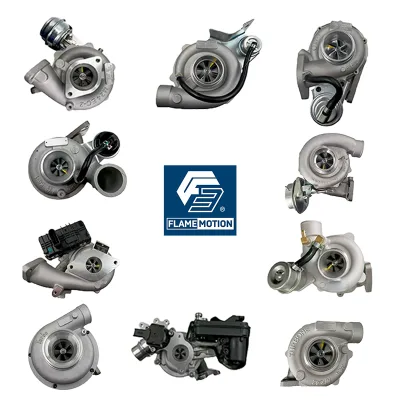
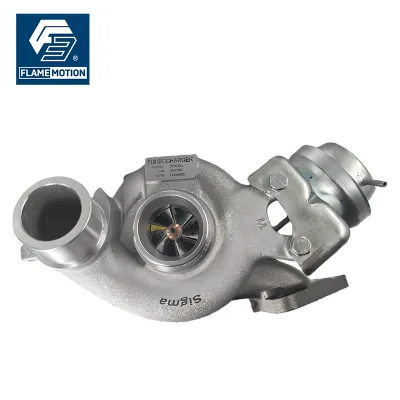
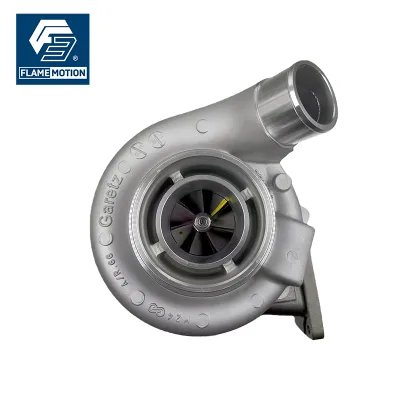
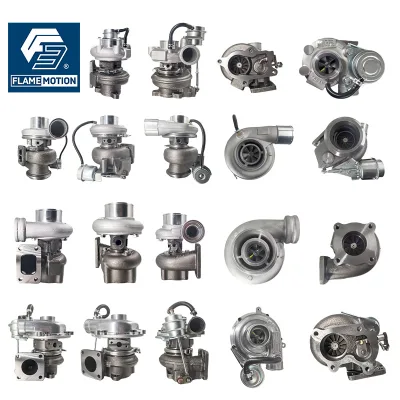
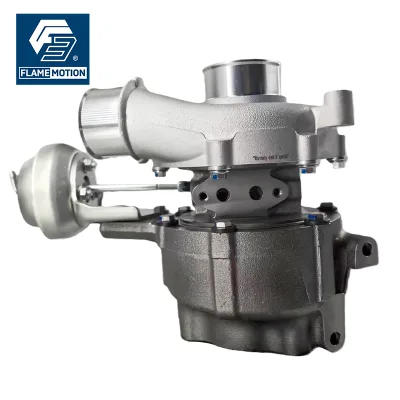
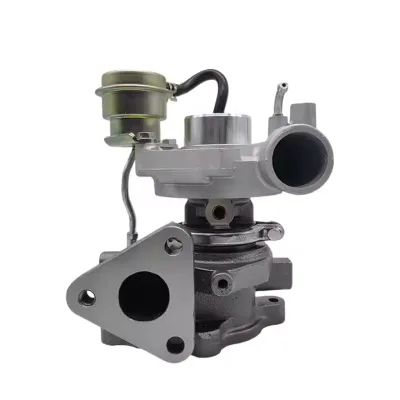


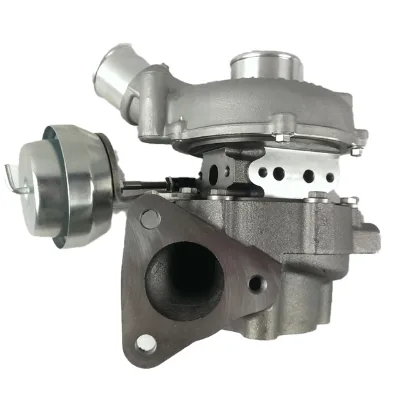


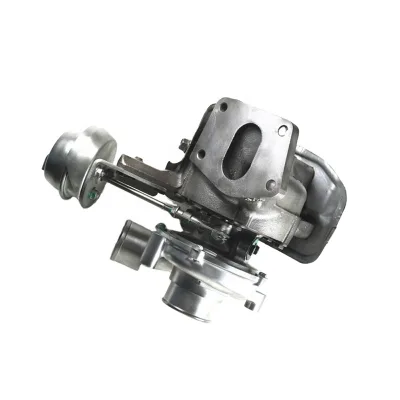
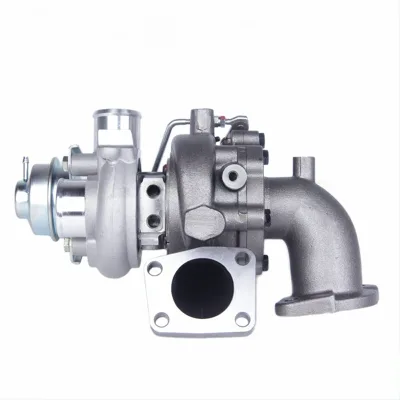

Rhv5 1515A026 Turbocharger for Mitsubishi Pajero IV 3.2 Di-D 4m41 170HP
$190.00 - $240.00
MOQ: 1 Pieces

1515A163 Vt13 Turbocharger for Mitsubishi Pajero IV 3.2 Di-D 125kw 170HP 4m41
$190.00 - $240.00
MOQ: 1 Pieces

Car Power Turbocharger 1515A163 for Mitsubishi Pajero IV for Engine 4m41
$152.80 - $183.30
MOQ: 10 Pieces

Car Turbo Turbocharger Mr212759 for Mitsubishi L200 Pajero II for Engine 4D56-Td
$52.80 - $63.30
MOQ: 10 Pieces

Car Turbo Turbocharger 1515A123 for Mitsubishi Pajero IV (V8_W, V9_W) 4m41
$76.30 - $91.60
MOQ: 10 Pieces
Comprehensive Sourcing Guide
Complete Turbocharger for Mitsubishi Pajero Sourcing Guide
Sourcing a complete turbocharger for a Mitsubishi Pajero requires a disciplined approach to verifying part compatibility, material integrity, and supplier reliability. The turbocharger is a critical component that directly influences engine performance, fuel efficiency, and emissions compliance. Buyers must navigate a market where generic listings often obscure specific model variations, making precise identification of the unit’s technical attributes essential before committing to any purchase. This guide outlines the necessary verification steps to ensure that the procured component meets the rigorous demands of heavy-duty and passenger vehicle applications.
The procurement process involves balancing technical specifications with commercial terms, including minimum order quantities (MOQ) and packaging standards. While the market offers a variety of turbocharger types, from axialflow to centrifugal designs, the buyer must align these choices with the specific engine architecture of the Pajero. Understanding the distinction between mechanical turbocharger systems and compound turbo systems is vital, as is recognizing the significance of brand origins such as Garrett, Mitsubishi, or IHI. This guide provides a structured framework for evaluating these factors to mitigate risk and secure high-quality components.
Product Scope and Observed Listing Signals
The current market landscape for turbochargers includes a diverse range of products, with observed price points ranging from $52.8 to $500 USD. This wide variance often reflects differences in brand reputation, material composition, and the inclusion of additional components such as actuators or wastegates. Buyers should be cautious of listings that appear significantly cheaper than the market average, as this may indicate the use of inferior materials or a lack of comprehensive quality assurance. The observed minimum order quantity (MOQ) typically ranges from 1 to 10 pieces, offering flexibility for both individual repairs and fleet maintenance operations.
Listing signals frequently highlight customization options, with many suppliers offering packaging tailored to specific buyer requirements. Some products are described as having a "Brand-new" condition, while others may be listed with specific model numbers such as RHV5, TD04, or TF035. It is crucial to verify that the listed model number corresponds exactly to the engine code of the Mitsubishi Pajero in question. For instance, models like the TD04-12T-4 or RHV5 4M41 VT13 are specific variants that may not be interchangeable with other engine configurations. Buyers should treat these model identifiers as primary verification points rather than generic descriptors.
Technical Specifications to Verify
The body material of the turbocharger is a critical determinant of durability and performance, with observed listings indicating the use of both alloy and iron constructions. Alloy bodies are often preferred for their lighter weight and improved heat dissipation, while iron bodies may offer greater robustness in high-stress environments. The weight of the unit is another key specification, with some listings noting a weight of 13kg or 7.6kg, which can impact vehicle balance and installation logistics. Buyers must confirm that the material and weight specifications align with the original equipment manufacturer (OEM) standards for their specific Pajero model.
Model numbers and part numbers serve as the primary identifiers for compatibility, with observed listings including codes such as 49135-03130, 49130-01600, and 1515A170. These numbers often correspond to specific engine families, such as the 4M41 or 4D56, which are common in Mitsubishi vehicles. Additionally, the type of turbocharger, whether it is an axialflow or centrifugal design, affects the airflow characteristics and response time of the engine. Buyers should cross-reference these part numbers with official Mitsubishi catalogs to ensure a precise fit, avoiding assumptions based on visual similarity alone.
Compliance and Safety Documentation
Certification requirements vary by region and application, with observed listings mentioning standards such as CCC, COP, ISOCE, E-Mark, and RoHS. These certifications indicate that the product has undergone specific testing for safety, environmental impact, and quality management. For buyers in regulated markets, verifying the presence of these certifications is essential to ensure legal compliance and avoid potential customs or regulatory issues. The inclusion of an inspection report is also a positive indicator, suggesting that the supplier has implemented quality control measures to verify the integrity of the turbocharger before shipment.
The origin of the product, often listed as China or specifically Shandong, can influence the supply chain dynamics and lead times. Buyers should be aware that products originating from different regions may have varying levels of adherence to international standards. While some listings mention ISO9001, this should be treated as a background indicator rather than a guaranteed certification for every unit. Buyers are advised to request valid certification documents directly from the supplier and verify their authenticity through independent channels where possible.
Cost Drivers and Commercial Terms
The cost of a complete turbocharger is influenced by several factors, including the brand, material quality, and the complexity of the design. Premium brands such as Garrett or Mitsubishi typically command higher prices due to their established reputation for reliability and performance. However, aftermarket alternatives from manufacturers like IHI can offer competitive pricing without compromising on quality, provided that the specifications are carefully matched to the vehicle’s requirements. Buyers should evaluate the total cost of ownership, considering factors such as warranty coverage and the potential for premature failure, rather than focusing solely on the initial purchase price.
Commercial terms, including MOQ and packaging, play a significant role in the procurement process. Some suppliers offer an MOQ of just one piece, which is ideal for individual repairs, while others may require bulk purchases of four or more pieces. Packaging options range from standard cartons to customized solutions, which can affect the protection of the component during transit. Buyers should negotiate clear terms regarding packaging to ensure that the turbocharger arrives in pristine condition, free from damage that could compromise its performance.
Supplier Qualification and Quality Control
Supplier qualification is a critical step in ensuring the reliability of the procured turbocharger. Buyers should assess the supplier’s track record, focusing on their ability to provide consistent quality and accurate product descriptions. The presence of specific quality attributes, such as "Good Quality" or "Inspection report," should be verified through direct communication with the supplier. It is also important to inquire about the supplier’s return policy and warranty terms, as these provide a safety net in case the product does not meet the expected standards.
Quality control measures should be integrated into the procurement process, with buyers requesting detailed specifications and test results where available. The condition of the product, often described as "100% Brand-new," should be confirmed through photos or videos of the actual item. Buyers should also verify the supplier’s ability to provide neutral packaging or custom branding, as this can be important for resale or fleet management purposes. Establishing a clear line of communication with the supplier can help resolve any discrepancies before the order is finalized.
Long-Term Procurement Checks
Long-term procurement success depends on the ability to monitor supplier performance and product consistency over time. Buyers should establish a system for tracking the performance of the turbochargers in the field, noting any issues related to fitment, durability, or performance. This feedback loop is essential for identifying reliable suppliers and avoiding those who may compromise on quality. Regular audits of supplier documentation and certifications can also help maintain compliance with evolving regulatory standards.
Continuous engagement with the supplier is key to building a resilient supply chain. Buyers should maintain open lines of communication to discuss any changes in product specifications or availability. This proactive approach can help mitigate risks associated with supply chain disruptions or product recalls. By focusing on long-term relationships and rigorous quality checks, buyers can ensure that their Mitsubishi Pajero fleet remains operational and efficient, minimizing downtime and maintenance costs.
FAQs
What brands of turbochargers are available for Mitsubishi Pajero?
Garrett, MITSUBISHI, and IHI are the primary brands available for these turbocharger systems. These components include various types such as axialflow and centrifugal electric turbochargers. Buyers can select from mechanical or compound turbo systems depending on their specific vehicle requirements and performance needs.
Can I customize the packaging for these turbocharger orders?
Yes, customization is available for packaging requirements. Options include standard cartons, neutral packaging, or customized boxes tailored to your specifications. This flexibility ensures that the products are protected during transit and meet your logistical or branding preferences for the final delivery.
What certifications do these turbochargers hold?
These turbochargers hold certifications including CCC, COP, ISOCE, E-Mark, and RoHS. These standards ensure compliance with various international quality and safety regulations. The components are verified as turbine parts, providing assurance of their manufacturing quality and suitability for global automotive markets.
What is the minimum order quantity for these parts?
The minimum order quantity varies, with some items requiring just one piece while others may require four pieces. This range allows for flexible purchasing, whether you need a single replacement unit or a small batch. The low MOQ facilitates easier testing and initial procurement.
Where are these turbochargers manufactured?
These turbochargers originate from China, specifically from the Shandong region. The products are brand-new and come with inspection reports to verify their quality. This origin ensures access to established manufacturing hubs known for producing high-quality automotive components and spare parts.
What materials are used in the turbocharger bodies?
The turbocharger bodies are constructed from alloy and iron materials. Some components also utilize K18 material for specific parts. These durable materials are selected to withstand high temperatures and pressures, ensuring longevity and reliable performance in various operating conditions for Mitsubishi Pajero vehicles.