Source Compliant Tactile Metal Room Sign for Hotels, Offices, and Museums
Find 30 Compliant Tactile Metal Room Sign options from verified Chinese manufacturers. Compare brass and stainless steel materials, custom engraving techniques, and ADA-compliant designs for hotels, offices, and museums; compare the available evidence and request quotations based on your requirements.
Key considerations
Products List
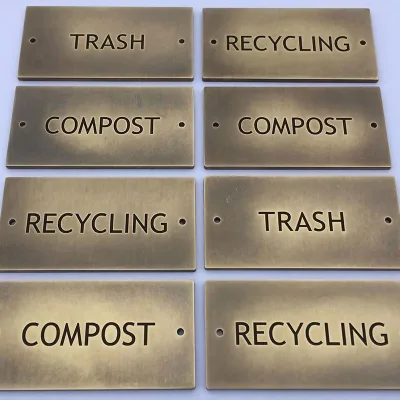


Ada Compliant Tactile Door Sign for Premium Apartment Corridor Numbering
$50.00 - $100.00
MOQ: 1 Pieces


New Ada Braille and Tactile Stainless Steel Signs Room Door Signage--0422e
$0.29 - $0.69
MOQ: 10 Pieces


Acrylic Braille Sign Custom Tactile Accessible Restroom Sign for Building
$5.99 - $6.99
MOQ: 50 Pieces


No MOQ Illuminated Metal Lighted Apartment House Room Door Name Plate Sign
$30.00 - $35.00
MOQ: 1 Pieces


Comprehensive Sourcing Guide
Compliant Tactile Metal Room Sign Sourcing Guide
Procuring compliant tactile metal room signs requires a rigorous understanding of both material durability and accessibility standards. Buyers must prioritize suppliers who offer customized designs while maintaining high manufacturing standards, as indicated by observed product attributes such as brass and stainless steel construction. The sourcing process begins with defining the specific application environment, whether it be hotels, museums, or corporate offices, to ensure the signage meets functional and aesthetic requirements.
Verification of technical specifications is critical to ensure the signs meet ADA and local building code requirements. Key attributes to confirm include the presence of raised characters, braille compliance, and appropriate contrast ratios. Sourcing guides emphasize the importance of selecting signs with proven lifespans and durable finishes, such as anodizing or engraving, to withstand high-traffic environments. Buyers should also consider installation methods, such as wall-mounted options, to ensure secure and accessible placement.
Product Scope and Observed Listing Signals
The current market for tactile metal signage features a diverse range of products, primarily constructed from brass and stainless steel. Observed listings indicate a strong emphasis on customization, with many suppliers offering UV printing, four-color options, and custom designs. These signs are often marketed for use in hotels, apartments, stores, and museums, highlighting their versatility across different commercial and public spaces. The product type is generally identified as metal plaques or direction sign plates, with a focus on modern styles and professional services.
Price points for these items vary significantly, ranging from low-cost single items to higher-end custom solutions. Minimum order quantities (MOQ) are typically flexible, with many suppliers accepting orders as low as one piece, which is ideal for small-scale renovations or specific room labeling needs. The observed data suggests that buyers can expect a wide selection of sizes, from standard dimensions to fully customized measurements, allowing for precise integration into existing architectural designs. This flexibility is a key selling point for procurement teams managing diverse facility layouts.
Technical Specifications to Verify
When evaluating tactile metal signs, buyers must verify several critical technical specifications to ensure compliance and functionality. The material composition, whether brass or stainless steel, directly impacts durability and maintenance requirements. It is essential to confirm that the signs feature raised characters and braille that meet specific height and spacing standards. Additionally, the technique used, such as engraving, etching, or spray painting, should be durable enough to resist wear and tear over time, ensuring long-term legibility and compliance.
Installation and environmental resistance are also vital technical considerations. Signs should be designed for wall-mounted installation and possess waterproof capabilities to withstand varying indoor conditions. The lifespan of the product, often cited in thousands of hours, indicates its resistance to fading and degradation. Buyers should also verify the color customization options to ensure sufficient contrast between the sign background and the text, which is crucial for visually impaired individuals. Proper packing, such as carton boxes, is necessary to prevent damage during transit.
Compliance and Safety Documentation
Ensuring that tactile metal room signs comply with relevant accessibility standards is a primary concern for procurement teams. While specific certification statuses may vary by supplier, buyers should request documentation that confirms adherence to ADA guidelines and local building codes. This includes verifying that the braille and raised characters meet precise dimensional requirements. Suppliers should provide clear information on how their products meet these standards, including any third-party testing or quality assurance processes that validate compliance.
Safety documentation also extends to the materials used in the signs. Buyers should ensure that the metals and finishes are non-toxic and eco-friendly, particularly for indoor applications in schools, hospitals, and offices. The warranty period, often one year, serves as an indicator of the supplier's confidence in their product's durability and compliance. Procurement teams should also verify that the signs are free from sharp edges or hazardous materials, ensuring they are safe for public use. Clear labeling and documentation help streamline the approval process for facility managers and regulatory bodies.
Cost Drivers and Commercial Terms
The cost of tactile metal room signs is influenced by several factors, including material choice, customization level, and production techniques. Brass and stainless steel are premium materials that offer superior durability but come at a higher cost compared to standard metals. Custom designs, UV printing, and specialized finishes like anodizing add to the production complexity and price. Buyers should expect a wide price range, reflecting the diversity of options available in the market, from basic plaques to highly customized directional signage.
Commercial terms, such as MOQ and lead times, also play a significant role in the total cost of ownership. Many suppliers offer low MOQs, starting from one piece, which reduces upfront investment for small projects. However, bulk orders may offer economies of scale, lowering the per-unit cost. Buyers should negotiate clear terms regarding shipping, packaging, and warranty coverage. Understanding the selling units, typically single items, helps in budgeting for large-scale installations. Transparent pricing and flexible terms are essential for effective procurement planning.
Supplier Qualification and Quality Control
Selecting a qualified supplier is crucial for obtaining high-quality tactile metal signs. Buyers should prioritize suppliers with a proven track record in manufacturing metal plaques and signage, particularly those with origins in regions known for metalworking expertise, such as Sichuan and Jiangsu in China. Supplier qualifications should include verification of their manufacturing capabilities, quality control processes, and ability to handle custom orders. Professional services and design support are valuable indicators of a supplier's commitment to customer satisfaction and product excellence.
Quality control measures should be rigorously assessed before placing orders. Buyers should request samples to verify the tactile quality, contrast, and durability of the signs. Inspecting the finish, such as engraving depth and color consistency, is essential to ensure compliance with design specifications. Suppliers should provide clear information on their quality standards, including any internal testing procedures. Establishing a strong relationship with a reliable supplier ensures consistent quality and timely delivery, which is critical for large procurement projects.
Long-Term Procurement Checks
Long-term procurement success depends on regular monitoring of supplier performance and product quality. Buyers should establish key performance indicators (KPIs) to track delivery times, defect rates, and customer satisfaction. Regular audits of the supplier's quality control processes can help identify potential issues before they impact production. Maintaining open communication with the supplier ensures that any changes in standards or materials are promptly addressed, minimizing disruptions to procurement operations.
Additionally, buyers should periodically review the market for new technologies and materials that could enhance the durability and compliance of tactile signs. Staying informed about updates to accessibility standards ensures that procurement decisions remain aligned with regulatory requirements. Building a diverse supplier base can mitigate risks associated with single-source dependencies. By focusing on long-term relationships and continuous improvement, buyers can ensure a steady supply of high-quality, compliant tactile metal room signs for their facilities.
FAQs
What materials are used for compliant tactile metal room signs?
These signs are typically crafted from brass or stainless steel to ensure durability and compliance. The material choice supports long-term use in various environments while maintaining a high standard of quality for professional applications.
Can I request a custom design for my metal plaque signage?
Yes, custom design services are available to meet specific branding or functional needs. You can provide your own logo and request tailored sizes, colors, and engraving techniques to create a unique directional sign plate for your facility.
What is the minimum order quantity for purchasing these metal signs?
The minimum order quantity is one piece, allowing for flexible procurement of single items or small batches. This low MOQ makes it accessible for various projects ranging from small offices to large hotel chains requiring specific signage solutions.
How are these metal plaques installed on walls?
These signs are designed for wall-mounted installation to ensure secure placement in hallways or rooms. The installation method supports their use as durable building guide direction signs in hotels, apartments, stores, and museums without requiring complex hardware.
Which techniques are used to create the engraved text?
Manufacturers utilize engraving, etching, spray painting, and anodizing to produce clear tactile text and graphics. These techniques ensure the signs remain legible and compliant while offering a modern style suitable for diverse indoor applications and professional environments.
Where are these compliant metal signs manufactured?
Production occurs in regions such as Sichuan and Jiangsu in China, ensuring high-standard manufacturing processes. These locations support the creation of customized products with professional services, delivering durable items that meet specific application requirements for various commercial spaces.
What is the expected lifespan of these ADA compliant signs?
The signs are engineered for a long lifespan, with some specifications indicating up to 50,000 hours of durability. This longevity ensures they remain effective as building guide direction signs in high-traffic areas like offices, museums, and art galleries for extended periods.