Source Concrete Pump Truck C-valve Assembly for Construction
Find 30 Concrete Pump Truck C-valve Assembly options from verified Chinese manufacturers. Compare specifications like cast steel material, high-temperature resistance, and customized port sizes for building material shops and manufacturing pump trucks; compare the available evidence and request quotations based on your requirements.
Key considerations
Products List


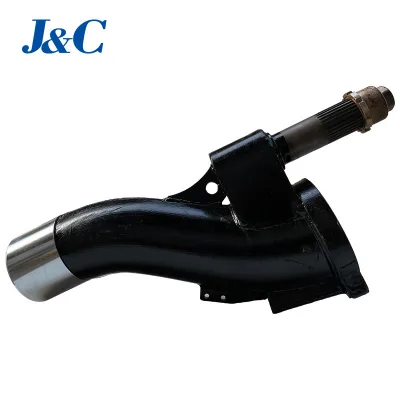
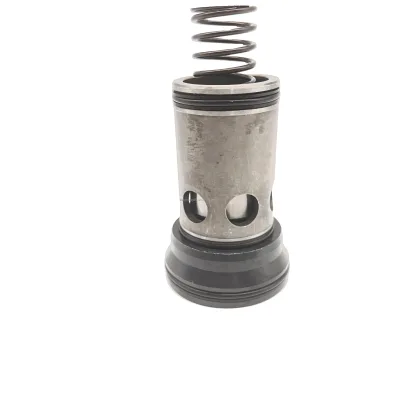
S Valve Tube Assembly Pumping System Scraper Assembly Concrete Pump Parts
$60.00 - $1000.00
MOQ: 10 Pieces

S Valve Pipe Tube of Pumping System S Valve Assembly Concrete Pump Parts
$60.00 - $1000.00
MOQ: 10 Pieces






Comprehensive Sourcing Guide
Concrete Pump Truck C-valve Assembly Sourcing Guide
Procuring replacement components for concrete pump trucks requires a precise understanding of the hydraulic pumping system’s critical interfaces. The C valve, often referred to interchangeably with the S valve in certain market contexts, serves as the central switching mechanism that directs concrete flow from the hopper into the delivery pipeline. Buyers must recognize that while the core function remains consistent, the specific geometry and mounting patterns vary significantly across original equipment manufacturers. This guide focuses on the technical and commercial nuances of sourcing these high-wear assemblies to ensure operational continuity and minimize downtime on construction sites.
Understanding the distinction between generic and OEM-specific parts is vital for successful procurement. Many suppliers list components as compatible with major brands such as Zoomlion, Sany, Putzmeister, Cifa, and Schwing, but compatibility is not universal. The internal geometry of the valve tube must match the exact model of the pump truck to ensure proper sealing and switching efficiency. Buyers should verify the specific vehicle model and system type before placing orders, as mismatches can lead to catastrophic hydraulic failures or concrete blockages. This guide provides a framework for evaluating suppliers and validating product specifications to mitigate these risks effectively.
Product Scope and Observed Listing Signals
Market listings for concrete pump valve assemblies reveal a wide spectrum of product attributes and pricing structures. Observed price ranges extend from approximately fifty to nine hundred thousand USD, reflecting differences in material quality, manufacturing complexity, and brand positioning. The minimum order quantity (MOQ) typically ranges from one piece to ten, indicating that suppliers cater to both individual replacement needs and bulk fleet maintenance contracts. Buyers should interpret these signals carefully, as extremely low prices may indicate inferior cast steel quality or non-standard dimensions that compromise the valve’s structural integrity under high-pressure pumping conditions.
The observed product attributes highlight key customization options and material specifications that influence performance. Most listings specify cast steel construction with a body material designed to withstand abrasive concrete mixtures. Common features include a piston-type structure and rotary working method, which are essential for the switching action required during pumping cycles. Colors such as black, red, and yellow are often used for identification or corrosion resistance, but the primary focus should remain on the mechanical specifications. Buyers must verify that the listed product model matches their specific pump truck’s requirements, as generic descriptions may not guarantee fitment for specialized or older equipment models.
Technical Specifications to Verify
Verifying the technical specifications of the C valve assembly is the most critical step in the sourcing process. Buyers must confirm the port size, which is often customizable but must align with the existing pipeline configuration of the pump truck. The standard dimensions for these assemblies often include DN180, DN200, and DN230, but relying on these numbers without cross-referencing the specific pump model can lead to installation errors. Additionally, the electrode hardness is a crucial metric, with some listings specifying an HRC of 62 or greater, indicating high wear resistance. This hardness level is essential for maintaining sealing integrity against the abrasive nature of concrete over extended operational periods.
The structural design and switching mechanism must also be rigorously evaluated. The assembly typically functions as a switching type within a pumping system, requiring precise alignment with the wear plates and cylinder arrangement. Buyers should request detailed dimensional drawings and cross-sections to verify the internal geometry of the S valve tube. The material composition, often cast steel, must be consistent throughout the component to prevent premature failure. Furthermore, the weight of the assembly, which can be around 118 kilograms for certain models, provides a rough indicator of material density and robustness, helping buyers distinguish between lightweight, inferior copies and heavy-duty, OEM-quality replacements.
Compliance and Safety Documentation
Compliance and safety documentation serve as the primary indicators of a supplier’s manufacturing discipline and quality management systems. Buyers should prioritize suppliers who provide certifications such as CE and ISO9001, which demonstrate adherence to international quality and safety standards. The presence of ISO9001:2015 certification suggests a mature quality management framework, while ISO/TS16949 indicates compliance with automotive and heavy machinery industry-specific requirements. These certifications are not merely formalities; they reflect a supplier’s commitment to consistent production processes, traceability, and continuous improvement, which are vital for critical safety components like valve assemblies.
Beyond certifications, buyers should request evidence of outgoing inspections and quality assurance protocols. Many suppliers now provide video outgoing-inspection services, allowing buyers to visually verify the condition, finish, and dimensions of the product before shipment. This transparency reduces the risk of receiving defective or non-conforming goods. Additionally, buyers should inquire about the warranty terms, with many suppliers offering a twelve-month warranty, which provides a safety net against early failures. Understanding the guarantee period and the scope of coverage is essential for managing long-term procurement risks and ensuring that the supplier stands behind the performance of their products.
Cost Drivers and Commercial Terms
The cost of concrete pump valve assemblies is influenced by several key drivers, including material costs, manufacturing complexity, and order volume. Cast steel is a primary material, and fluctuations in steel prices can impact the final cost. The customization options, such as specific port sizes or modified geometries for different pump models, also add to the manufacturing expense. Buyers should note that while some listings indicate an MOQ of 500 pieces, others allow for single-piece orders, which may carry a higher unit price due to the lack of economies of scale. Understanding these cost drivers helps buyers negotiate better terms and plan their inventory management more effectively.
Commercial terms, including delivery times and packaging, play a significant role in the total cost of ownership. Typical delivery times range from five to fifteen days, which is crucial for minimizing downtime during emergency repairs. Buyers should confirm these lead times with the supplier before placing orders, as delays can disrupt construction schedules. Packaging is another important consideration, with options ranging from boxes and cartons to wooden pallets and customized solutions. Proper packaging is essential to prevent damage during transit, especially for heavy and precision-engineered components. Buyers should ensure that the packaging method is suitable for the shipping route and handling conditions to avoid additional costs associated with damaged goods.
Supplier Qualification and Quality Control
Supplier qualification is a multi-faceted process that goes beyond checking certifications and reviews. Buyers should assess the supplier’s manufacturing capabilities, including their ability to produce nonstandard parts and handle custom orders. The availability of OEM standard quality indicates that the supplier can meet the rigorous demands of original equipment manufacturers. Buyers should also evaluate the supplier’s responsiveness and technical support capabilities, as these factors are crucial for resolving any issues that may arise during installation or operation. A qualified supplier should be able to provide detailed technical documentation and support throughout the procurement process.
Quality control measures implemented by the supplier are equally important. Buyers should inquire about the testing procedures used to verify the hardness, dimensional accuracy, and structural integrity of the valve assemblies. The provision of video outgoing-inspections is a positive sign, but buyers should also request material test reports or hardness test results if available. Additionally, buyers should consider the supplier’s track record in the industry, including their experience in supplying parts for major pump truck brands. A supplier with a proven history of delivering reliable components is more likely to meet the buyer’s quality expectations and provide consistent performance over time.
Long-Term Procurement Checks
Establishing long-term procurement relationships requires ongoing monitoring and evaluation of supplier performance. Buyers should regularly review the quality of delivered components, tracking any issues related to wear, sealing, or structural failure. The warranty period, typically twelve months, provides a window for identifying latent defects, but buyers should also monitor the long-term performance of the parts in service. Collecting feedback from field technicians and maintenance crews is essential for assessing the real-world durability and reliability of the valve assemblies. This feedback loop helps buyers make informed decisions about future purchases and supplier selection.
Continuous improvement in the supply chain is also vital for long-term success. Buyers should engage in regular communication with suppliers to discuss any changes in product specifications, material availability, or manufacturing processes. This collaboration can help identify opportunities for cost savings, quality improvements, or new product developments. Additionally, buyers should stay informed about industry trends and technological advancements in concrete pump technology, as these factors may influence the design and performance of valve assemblies. By maintaining a proactive approach to supplier management, buyers can ensure a stable and reliable supply of critical components for their concrete pump trucks.
FAQs
What certifications do the concrete pump truck c valve assemblies have?
The assemblies hold CE and ISO9001 certifications to ensure quality compliance. They also meet ISO9001:2015 standards for manufacturing processes. These certifications verify that the products satisfy international safety and quality requirements for industrial applications.
Which vehicle models are compatible with these concrete pump assemblies?
These assemblies are designed for Zoomlion, Sany, Putzmeister, Cifa, and Schwing models. They function specifically as pumping systems for concrete pump trucks. Compatibility ensures seamless integration with major global concrete pump brands.
Can I request custom packaging for the Concrete Pump Truck C-valve Assembly?
Yes, customized packaging is available for these assemblies. Options include boxes, cartons, wooden pallets, or specific client requirements. This flexibility allows buyers to tailor shipping solutions to their logistical needs and product protection standards.
What is the lead time for delivery of these concrete pump assemblies?
The standard delivery time ranges from 5 to 15 days after order confirmation. This timeframe applies to new condition products originating from Hubei, China. Buyers should verify specific schedules based on current order volumes and customization requests.
How is the warranty structured for the Concrete Pump Truck C-valve Assembly?
A 12-month warranty is provided for the Concrete Pump Truck C-valve Assembly. This coverage applies to the new condition products supplied. Buyers also receive video outgoing-inspection services to verify quality before shipment.
What material is used to construct the Concrete Pump Truck C-valve Assembly?
The assemblies are constructed from cast steel and steel body materials. They feature high hardness electrodes with an HRC rating of at least 62. This robust material selection ensures durability under high-temperature working conditions.
What is the minimum order quantity for the Concrete Pump Truck C-valve Assembly?
The minimum order quantity varies between 1 piece and 500 pieces depending on the specific product listing. Some suppliers offer single-piece orders while others require bulk purchases. Buyers should check individual product pages for exact MOQ requirements.
Which standards apply to the Concrete Pump Truck C-valve Assembly specifications?
The products adhere to DN180, DN200, and DN230 standards for concrete pumps. They also meet SGS and ISOTS16949 standards. These specifications ensure the assemblies function correctly within the pumping system of various concrete pump trucks.