Source Cone Crusher Locking Bolt for Mining Quarry Crusher
Compare 30 verified listings for the Cone Crusher Locking Bolt from Chinese manufacturers. Buyers can evaluate alloy steel and cast iron options with ISO 9001 certification, custom colors, and delivery by sea or air for mining and quarry applications; compare the available evidence and request quotations based on your requirements.
Key considerations
Products List


Locking Ring for Cone Crusher Wear Parts Customized Cone Crusher Accessories
$188.00 - $998.00
MOQ: 1 Pieces


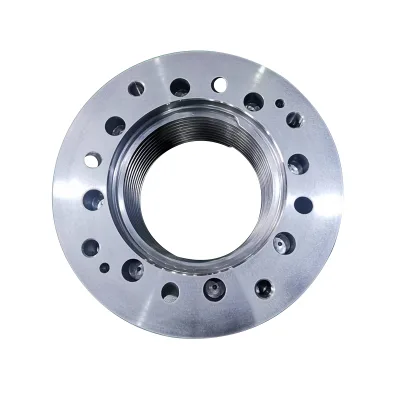


Crushing Machine Cone Crusher Spare Parts Locking Bolt Aggregates N41060200
$50.00 - $1000.00
MOQ: 1 Pieces


Bolt Assembly Locking Cone Crusher Spare Parts for Mining Industry HP500 HP400
$50.00 - $750.00
MOQ: 1 Pieces


Comprehensive Sourcing Guide
Cone Crusher Locking Bolt Sourcing Guide
Sourcing high-performance locking bolts for cone crushers requires a disciplined approach to material integrity and mechanical precision. These critical fasteners must withstand extreme compressive forces and vibrational stress within crushing chambers. Buyers must prioritize components that align with specific crusher models, such as the HP400 or GP series, to ensure proper fit and operational safety. The selection process involves evaluating the bolt’s ability to maintain tension under dynamic loads, which directly impacts the longevity of the crushing equipment.
Procurement teams should focus on verifying the manufacturing origin and process consistency, as these factors heavily influence component reliability. Many suppliers in China, particularly in regions like Jiangsu and Ningbo, offer casting and machining capabilities that meet international standards. However, the buyer must distinguish between generic fasteners and those specifically engineered for mining and quarry applications. Understanding the distinction between standard locking nuts and specialized crusher bolts is essential for preventing premature failure and ensuring continuous production efficiency in heavy-duty environments.
Product Scope and Observed Listing Signals
The observed market signals indicate a diverse range of offerings, with prices spanning from $1.90 to $10,000 USD, reflecting variations in size, material grade, and order volume. Minimum order quantities typically range from one to one thousand units, allowing for both sample testing and bulk procurement flexibility. Listings frequently highlight customization options, including color choices like white, blue, or grey, and specific surface treatments such as polishing or spray-painting. These aesthetic and protective features often correlate with the underlying material quality and the intended environmental conditions of the installation site.
Suppliers often emphasize their capacity to produce up to 10,000 tons per year, suggesting robust manufacturing infrastructure capable of handling large-scale industrial demands. The product scope extends beyond simple bolts to include related components like belt pulley flywheels and locking nuts, indicating a comprehensive supply chain for crusher maintenance. Buyers should note that many listings specify the product origin as China, with delivery options available by sea or air within 30-45 days. This logistical flexibility is crucial for minimizing downtime in mining and quarry operations where immediate part replacement is often necessary.
Technical Specifications to Verify
Technical verification must begin with the material composition, as the performance of locking bolts is heavily dependent on their metallurgical properties. Buyers should confirm whether the bolts are manufactured from alloy steel, cast iron, or high-manganese steel, such as Mn18Cr2, which is commonly used for its wear resistance. The standard specifications often cited include ASTM, GB, DIN, and ISO standards, ensuring that the components meet recognized international quality benchmarks. Verifying the exact model compatibility, such as CH660 or GP300, is essential to prevent mechanical interference and ensure proper seating within the crusher assembly.
Surface treatment and finishing processes also play a critical role in the durability of these components. Observations indicate that surfaces may be polished or treated with spray-paint to enhance corrosion resistance and reduce friction. The manufacturing process, often involving casting, must be scrutinized to ensure structural integrity and freedom from internal defects. Buyers should request detailed specifications regarding the crushing degree and style, such as coarse crushing or grinding and impact applications, to ensure the bolts can withstand the specific mechanical stresses of their intended use.
Compliance and Safety Documentation
Compliance with international quality management systems is a primary indicator of supplier reliability. Many listed products carry ISO 9001 certification, which validates the manufacturer’s commitment to consistent quality control processes. Additionally, certifications such as CE may be present, indicating adherence to European health, safety, and environmental protection standards. Buyers should verify these certifications directly with the issuing bodies to ensure they are current and applicable to the specific product line being procured. This documentation provides a baseline assurance that the manufacturing processes are monitored and controlled effectively.
Safety documentation should also include material test reports and compliance with relevant industry standards like GOST, JIS, ANSI, and ASME. These standards govern the mechanical properties and dimensional tolerances of fasteners used in heavy machinery. Buyers must ensure that the supplier provides clear evidence of compliance with these standards, particularly when the components are used in high-risk mining environments. Proper documentation not only facilitates regulatory compliance but also aids in traceability and accountability should any quality issues arise during the operational lifecycle of the crusher.
Cost Drivers and Commercial Terms
The cost of cone crusher locking bolts is influenced by several key factors, including material grade, manufacturing complexity, and order volume. Prices can vary significantly, from low-cost generic items to high-performance, custom-engineered solutions. Buyers should consider the total cost of ownership, which includes not only the purchase price but also the potential costs associated with premature failure, downtime, and maintenance. Negotiating volume discounts and establishing long-term supply agreements can help mitigate these costs and ensure a stable supply chain for critical spare parts.
Commercial terms such as delivery time, payment conditions, and packaging methods also impact the overall procurement strategy. Typical delivery times range from 30 to 45 days, with options for sea or air freight depending on urgency. Packaging is often standardized, using steel pallets, wooden boxes, or export-standard cartons to protect the components during transit. Buyers should clarify these terms upfront to avoid unexpected logistics costs or delays. Additionally, the availability of after-sales service and factory visits can provide valuable insights into the supplier’s operational capabilities and commitment to customer satisfaction.
Supplier Qualification and Quality Control
Supplier qualification requires a thorough assessment of their manufacturing capabilities and quality control systems. Buyers should prioritize suppliers who offer factory visits, as this provides direct insight into their production processes and quality assurance measures. The ability to customize products, including specific models and surface treatments, indicates a flexible and responsive manufacturing environment. Suppliers with a global market presence and a proven track record in the mining and quarry sectors are often more reliable partners for long-term procurement needs.
Quality control measures should include rigorous testing of material properties, dimensional accuracy, and surface finish. Buyers should request samples for initial testing to verify compatibility and performance under actual operating conditions. Establishing clear quality expectations and inspection criteria in the purchase agreement is essential for maintaining consistency. Suppliers who provide comprehensive after-sales support and are willing to engage in continuous improvement discussions are better positioned to meet the evolving demands of heavy machinery maintenance and operation.
Long-Term Procurement Checks
Long-term procurement success depends on establishing a robust supplier relationship and implementing regular performance reviews. Buyers should monitor key performance indicators such as delivery reliability, product quality, and responsiveness to issues. Regular audits of the supplier’s quality management systems can help identify potential risks and ensure continued compliance with agreed-upon standards. Maintaining open communication channels and providing feedback on product performance can foster a collaborative environment that drives continuous improvement and innovation.
Additionally, buyers should stay informed about industry trends and technological advancements in crusher components. This knowledge can help in making informed decisions about product upgrades and replacements. Developing a diversified supplier base can mitigate supply chain risks and provide flexibility in sourcing critical parts. By focusing on strategic partnerships and continuous evaluation, buyers can ensure a stable and efficient supply of cone crusher locking bolts, supporting the long-term operational efficiency of their mining and quarrying operations.
FAQs
What is a Cone Crusher Locking Bolt used for?
A Cone Crusher Locking Bolt secures critical components such as the locking nut and head assembly so they stay tight during crushing. It works with the locking nut on models like HP, GP, CH, and CS series crushers. Because vibration and impact loads loosen fasteners over time, the bolt must be inspected regularly and torqued to the manufacturer's specification during maintenance.
Which material is typically used for cone crusher locking bolts?
Locking bolts for cone crushers are commonly made from alloy steel or cast iron, depending on the crusher model and duty. High-strength alloy steel provides the tensile strength needed to hold clamping force under vibration. Buyers should match the material grade to the original specification, and many foundries produce related crusher parts in Mn18Cr2 high-manganese steel for wear components.
Can cone crusher locking bolts be customized for different crusher models?
Yes, customization is generally available because locking bolts vary across HP, GP, CH, CS, and other cone crusher series. Suppliers typically produce parts against drawings, samples, or model numbers, and manufacturing follows casting processes under ISO 9001 quality systems. Before ordering, confirm dimensions, thread specification, and material grade, and ask whether the supplier supports tailored dimensions and finishes.
How are cone crusher locking bolts manufactured?
Most locking bolts and matching crusher components are produced by casting, followed by machining and surface treatment such as polishing or spray-paint. Foundries commonly work to ASTM, GB, and other recognized standards, with ISO 9001 certification covering the manufacturing process. After casting, the parts are machined to precise tolerances so the bolt threads engage correctly with the locking nut.
How should cone crusher locking bolts be packed for export?
Typical export packing includes wooden boxes, wooden cartons, or steel pallets, with standard export packing or customer-specific packing also offered. Good packing protects machined threads and finished surfaces from damage during sea or air freight. Buyers should confirm the packing method before shipment, especially for oversized or heavy bolts, and request moisture protection for long transit periods.
What is the usual delivery time for cone crusher locking bolts?
Delivery time is commonly 30 to 45 days, depending on order quantity, customization requirements, and production scheduling. Shipment is typically arranged by sea or by air, with sea freight suited to bulk orders and air freight used when parts are urgently needed to reduce crusher downtime. Buyers should confirm the exact lead time when requesting a quotation.
Which crusher series use this type of locking bolt?
Locking bolts are used across popular cone crusher series including HP, GP, CH, and CS, as well as jaw crusher machinery parts. Each series has different thread sizes and bolt geometry, so buyers should specify the crusher model, such as HP400, GP300, or CH660, together with the part drawing. Providing the original part number helps suppliers match the correct replacement.
How do I verify quality when sourcing locking bolts from China?
Look for suppliers with ISO 9001 certification covering their casting and machining processes, and request material certificates for the alloy steel used. Verify that the supplier works to recognized standards such as ASTM or GB, inspect sample dimensions against your drawings, and consider a factory visit, which many manufacturers welcome. Ask about after-sales service and inspection procedures before placing volume orders.