Source Conference Call Wireless Lavalier Microphone for Interviews
Source a Conference Call Wireless Lavalier Microphone from 30 verified listings. Compare features like omni-directional pickup, GFSK modulation, and portable design for interviews, speeches, and teaching applications. Evaluate battery capacity, wireless frequency range, and material quality to ensure reliable audio performance for professional communication needs.
Key considerations
Products List
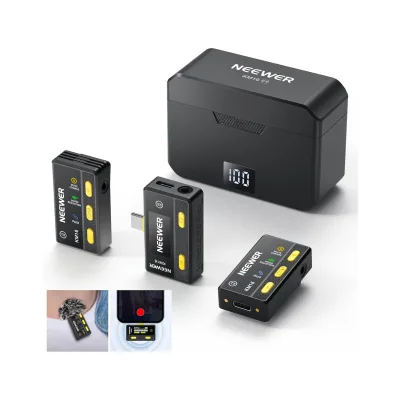
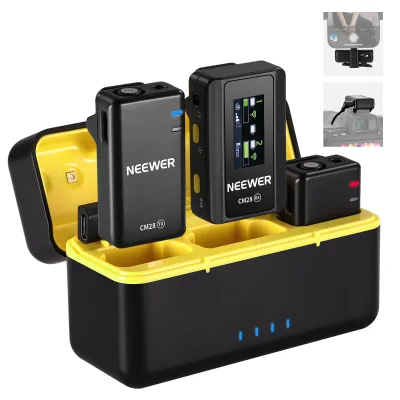
4GB Storage Wireless Lavalier Microphone Professional Wireless Lavalier Microphone
$68.00 - $81.00
MOQ: 30 pieces


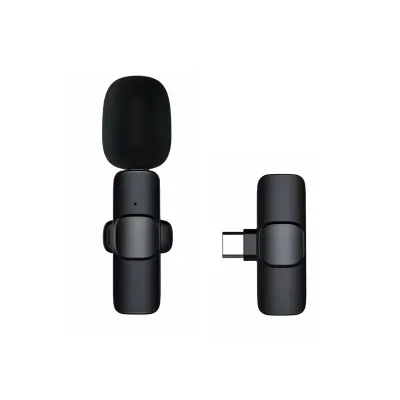
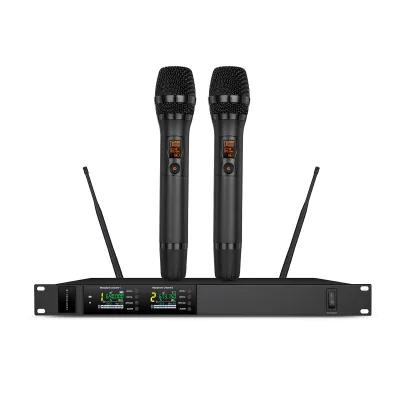


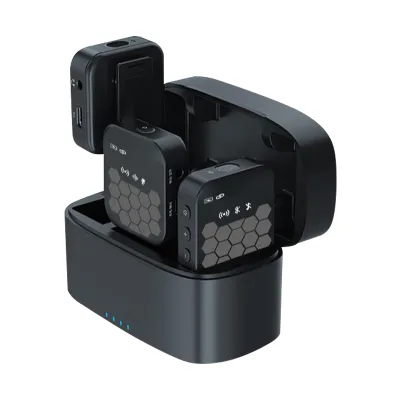


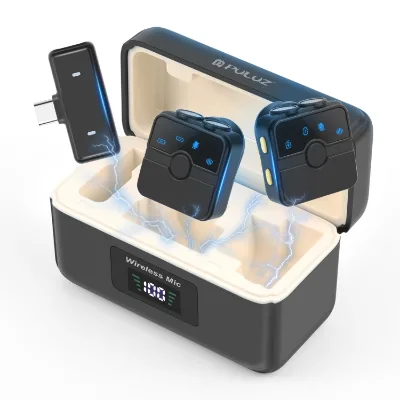
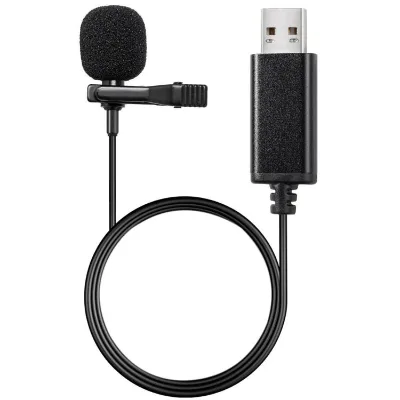
Comprehensive Sourcing Guide
Conference Call Wireless Lavalier Microphone Sourcing Guide
Sourcing wireless lavalier microphones for conference calls requires balancing audio fidelity with seamless integration into existing communication ecosystems. Buyers must prioritize devices that support omni-directional pickup patterns to capture clear speech from multiple participants without requiring precise positioning. The observed market includes models with specific frequency ranges, such as 2400~2483.5MHz, which operate in the ISM band to minimize interference in crowded wireless environments. Understanding these technical baselines is essential for selecting hardware that maintains signal stability during critical business interactions.
Procurement decisions should also account for the physical form factor and power management of the units. Lightweight designs, often weighing under 20 grams for the transmitter, ensure comfort during extended meetings while reducing the risk of accidental drops. Battery capacity and type, such as 3.7V lithium batteries with capacities around 2000mAh, directly impact operational uptime. Buyers need to verify charging cycles and standby times to ensure the equipment can support full-day conference schedules without frequent interruptions for recharging or battery replacement.
Product Scope and Observed Listing Signals
The current market landscape for conference call microphones features a diverse array of styles, including dedicated wireless lavalier systems and hybrid configurations. Listings indicate a price range from approximately $1.87 to $9999, reflecting significant variation in build quality, brand reputation, and feature sets. Minimum order quantities typically start at one unit, allowing for easy sampling, though bulk purchases may offer better commercial terms. This wide spectrum enables buyers to select solutions that align precisely with their budget constraints and volume requirements without being locked into rigid supply chain commitments.
Observed product attributes highlight a strong emphasis on portability and multi-functionality. Many units are marketed for use in interviews, speeches, and smart phone recording, in addition to formal conference settings. Brands such as NEEWER and HKR appear frequently, offering models like the KM16 and CM28, which feature compact packaging dimensions of roughly 5.24 x 5.04 x 1.93 inches. These physical characteristics suggest that modern lavalier systems are designed for easy transport and storage, making them suitable for hybrid work environments where equipment is frequently moved between office and remote locations.
Technical Specifications to Verify
Audio performance is the primary technical differentiator for conference call microphones. Buyers should verify the audio frequency response, with typical ranges spanning 30Hz to 20KHz, to ensure natural voice reproduction. The signal-to-noise ratio is another critical metric, with observed values around 75dB indicating a baseline for clear audio separation from background noise. Additionally, the polar pattern, often omni-directional for lavalier types, must be confirmed to ensure it captures sound evenly from all directions, which is vital for unstructured group discussions where speakers may move slightly.
Wireless transmission parameters require careful scrutiny to prevent dropouts during meetings. The wireless frequency range, commonly 2400~2483.5MHz, and modulation methods like GFSK, influence connection stability. Transmitting power, often limited to ≤10dBm, must be sufficient to maintain a reliable link within typical office distances. Input requirements, such as 5V 500mA, dictate compatibility with standard USB power sources or dedicated chargers. Buyers must also check the maximum sound pressure level (SPL), which can reach 110dB, to ensure the microphone does not distort in loud conference rooms with active discussions.
Compliance and Safety Documentation
Regulatory compliance is mandatory for electronic devices sold in international markets. Buyers must ensure that suppliers provide documentation for radio frequency emissions, such as FCC or CE certification, confirming that the wireless transmission adheres to local spectrum regulations. These certifications protect against legal liabilities and ensure that the devices do not interfere with other critical communication infrastructure within the office environment. Without proper compliance marks, importing these devices can lead to customs delays or confiscation, disrupting procurement timelines.
Safety standards for battery-powered equipment are equally important. Since many lavalier microphones use lithium-ion batteries, suppliers should provide evidence of compliance with safety standards for battery transport and usage, such as UN38.3 for shipping. Documentation regarding electrical safety, including insulation and overcharge protection, should be reviewed to mitigate fire risks. Buyers should request test reports or certificates of conformity that specifically address the electrical input specifications, ensuring the devices are safe for continuous operation in professional settings.
Cost Drivers and Commercial Terms
Pricing for wireless lavalier microphones is influenced by material composition, brand positioning, and feature complexity. Units constructed with metal components may command higher prices than those made primarily of plastic, offering greater durability and a premium feel. Brand name recognition, such as NEEWER or HKR, also impacts cost, as established brands often include better warranty support and software integration. Buyers should analyze the cost per unit against the expected lifespan and usage intensity to determine the true value proposition of each option.
Commercial terms, including minimum order quantities and packaging details, affect the total cost of ownership. While MOQs can be as low as one unit, bulk purchases may unlock volume discounts. Packaging dimensions, such as single package sizes of 23x15x10 cm, influence shipping costs and storage efficiency. Buyers should negotiate clear terms regarding customization, as some suppliers offer private mold options for branded hardware. Understanding these variables allows for more accurate budgeting and prevents unexpected expenses related to shipping, handling, or custom branding requirements.
Supplier Qualification and Quality Control
Evaluating supplier reliability is crucial for maintaining consistent supply of conference call equipment. Buyers should verify the supplier’s place of origin, with many manufacturers located in Guangdong, China, a hub for electronics production. Assessing the supplier’s history with similar products, such as conference systems or broadcasting equipment, provides insight into their technical expertise. Requesting samples before bulk ordering allows for hands-on testing of audio quality, build durability, and wireless stability in real-world conference scenarios.
Quality control processes should be explicitly defined in the purchase agreement. Buyers must ensure that suppliers conduct pre-shipment inspections to verify that each unit meets the specified technical parameters, such as weight, dimensions, and audio performance. Documentation of the production process, including material sourcing and assembly standards, helps identify potential risks. Establishing a clear protocol for handling defective units, including return policies and replacement timelines, protects the buyer from operational disruptions caused by faulty equipment.
Long-Term Procurement Checks
Sustainability and lifecycle management are increasingly important factors in electronic procurement. Buyers should inquire about the recyclability of materials, such as the plastic or metal components used in the microphone housing, and the availability of replacement parts like batteries or charging cables. Long-term availability of spare parts ensures that the equipment can be maintained rather than replaced, reducing waste and total cost of ownership. Suppliers who offer extended warranty periods or maintenance services provide additional value and peace of mind for enterprise deployments.
Future-proofing the procurement strategy involves assessing the compatibility of the microphones with evolving communication platforms. As video conferencing tools update their software and hardware requirements, buyers should ensure that the selected microphones support standard audio protocols and can integrate seamlessly with new systems. Regularly reviewing supplier innovation and product roadmaps helps identify opportunities to upgrade to newer models with improved features, such as enhanced noise cancellation or longer battery life, ensuring the procurement strategy remains aligned with technological advancements.
FAQs
What is the wireless frequency range for these microphones?
The wireless frequency range is 2400 to 2483.5 MHz. This band supports stable transmission for conference calls and speech recording. The system uses GFSK modulation to ensure clear audio quality. It is suitable for smart phones and portable audio players. This frequency selection helps minimize interference in busy environments.
Can I customize the branding on these wireless microphones?
Yes, customization is available for these wireless microphones. Buyers can request specific branding or packaging options. The product supports private mold customization for unique requirements. This service allows businesses to align the equipment with their corporate identity. Contact suppliers directly to discuss specific customization details and minimum order quantities.
What is the audio frequency response of this lavalier microphone?
The audio frequency response ranges from 30 Hz to 20 kHz. This wide range captures clear vocals for interviews and teaching. The omni-directional polar pattern ensures consistent sound pickup from all angles. It is ideal for conference rooms and stage performances. This specification supports high-quality voice conferencing and broadcasting applications.
How long does the battery last on the transmitter?
The battery capacity is 2000 mAh at 3.7V. This lithium battery supports extended use for wireless transmission. The input requirement is 5V at 500 mA for charging. The lightweight design makes it portable for various recording scenarios. Check with suppliers for specific runtime estimates based on usage intensity.
What materials are used in the construction of these microphones?
These microphones are constructed from plastic and metal materials. The plastic components provide a lightweight and portable design. Metal parts may be used for durability in specific models. The item weight is approximately 9.5 ounces for the package. This combination ensures robust performance for conference calls and speech recording.
Which brands offer these conference call wireless lavalier microphones?
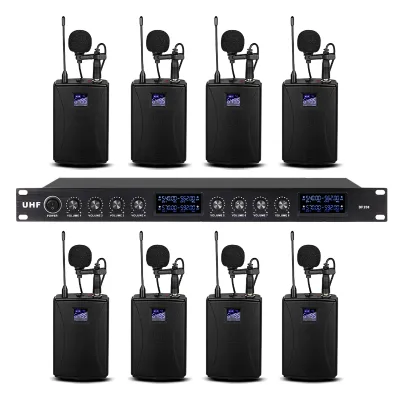
NEEWER and HKR are brands offering these wireless microphones. NEEWER provides models like KM16 and CM28 for various uses. HKR offers models such as DF208 for conference rooms. These brands focus on portable audio solutions for speech and teaching. Verify specific model availability and specifications with current suppliers for your needs.