Source Continuous Conveyor Uv Curing Oven for Shoes, Electronics, and Fabric
Find 30 models of continuous conveyor uv curing oven designed for industrial applications. Compare specifications such as electric drive types, automatic grades, and various belt widths to identify the right equipment for your production line needs; compare the available evidence and request quotations based on your requirements.
Key considerations
Products List




Comprehensive Sourcing Guide
Continuous Conveyor UV Curing Oven Sourcing Guide
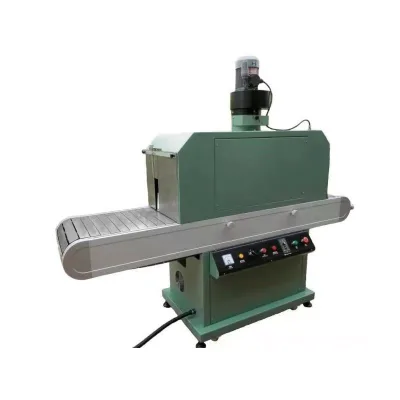
Buyers evaluating continuous conveyor UV curing ovens must first distinguish between models designed for specific substrate types, as the supplied data indicates compatibility with diverse materials including shoes, electronics, sponge, EVA, PE, fabric, and paint. The observed product range features distinct configurations such as the TM-900 and TM-UV750A, which vary significantly in physical dimensions and operational parameters. Understanding these variations is critical before initiating a procurement cycle, as the wrong configuration can lead to inefficient curing cycles or damage to sensitive components during the manufacturing process.
The market signals suggest a strong emphasis on automation and electric driving mechanisms, with observed models featuring automatic grades and combined movement ways to ensure consistent throughput. Buyers should note that while some units operate with gas atomization and atmospheric pressure, others utilize inactive gas drying mediums or contra-flow systems, indicating that the curing environment must be matched precisely to the chemical properties of the ink or coating being applied. This diversity in technical approach requires a careful review of the specific application requirements to select the correct machine architecture.
Product Scope and Observed Listing Signals
The observed product listings reveal a wide price spectrum ranging from 300 to 18,000 USD, reflecting the significant variance in power output, conveyor width, and structural complexity among available units. While the minimum order quantity is consistently listed as one unit, the substantial price difference suggests that buyers must scrutinize the total power specifications, such as the 25.6kw or 28kw+90W configurations, to understand the value proposition of higher-priced models. This financial range indicates that cost should not be the sole determinant, as lower-priced units may lack the necessary lamp power or conveyor stability for high-volume industrial applications.
Listing attributes frequently highlight features like long life and ease of use, which are essential for maintaining operational efficiency in a continuous production environment. The packaging materials, often specified as wood or plywood cases, suggest that these heavy industrial units require robust protection during transit, with weights reaching up to 1000kg. Buyers should verify that the listed packaging type aligns with their logistics capabilities, as the physical dimensions of the units, such as the 255012001600MM standard, necessitate specific handling equipment and warehouse space planning prior to purchase.
Technical Specifications to Verify
When verifying technical specifications, the conveyor belt width is a primary determinant of production capacity, with observed models offering widths of 600mm and 800mm to accommodate different product sizes. The maximum product height is listed as 20mm for certain units, which imposes a strict limitation on the thickness of items that can be processed through the curing chamber. Buyers must ensure that their specific product dimensions fall within these operational limits to prevent mechanical jams or uneven curing, as exceeding the height or width constraints can compromise the integrity of the entire production line.
Power consumption and lamp configuration are equally critical, with some units utilizing four 8kw UV lamps while others rely on different power setups like 380V 3-phase systems. The offset print speed of 6500 pieces per hour provides a benchmark for throughput, but this figure is contingent on the specific drying medium and flow type, such as cross-flow or contra-flow, employed by the machine. Procurement teams must validate that the total power rating and lamp arrangement match their production speed requirements, ensuring that the curing process is neither too slow to bottleneck operations nor too aggressive for the material being treated.
Compliance and Safety Documentation
Safety documentation for continuous conveyor UV curing ovens must address the high-voltage electrical systems and the potential hazards associated with UV radiation exposure. Although specific certification names are not provided in the listing data, buyers should demand evidence of compliance with international electrical safety standards and radiation shielding protocols to protect operators from harmful UV emissions. The presence of electric driven types and high-power lamps necessitates rigorous safety interlocks and emergency stop mechanisms, which should be verified through detailed technical manuals and safety data sheets provided by the manufacturer.
Environmental compliance is another vital area, particularly regarding the drying medium and operational method. Some units utilize inactive gas or air as a drying medium, which may require specific ventilation or filtration systems to manage fumes and particulate matter generated during the curing process. Buyers must confirm that the equipment meets local environmental regulations regarding air quality and waste management, ensuring that the continuous operation of the oven does not violate emission standards or create unsafe working conditions for the facility staff.
Cost Drivers and Commercial Terms
The primary cost drivers for these units include the total power rating, the number and wattage of UV lamps, and the complexity of the conveyor system, such as the combined movement way or specific belt width. The observed price range of 300 to 18,000 USD suggests that buyers should expect higher costs for models with advanced features like automatic grading, higher throughput speeds, or specialized drying mediums. Understanding these cost components allows procurement teams to negotiate more effectively, focusing on the specific technical capabilities required for their production line rather than accepting a generic price quote.
Commercial terms regarding packaging and shipping are also significant, as the heavy weight of up to 1000kg and the use of plywood or wooden cases impact freight costs and handling requirements. Buyers should clarify whether the listed price includes the cost of the specialized packaging or if it is an additional expense, as improper packaging can lead to damage during transit. Additionally, the origin location in Guangdong, China, may influence lead times and import duties, requiring careful calculation of the total landed cost to ensure the project remains within budget.
Supplier Qualification and Quality Control
Supplier qualification should focus on the manufacturer's ability to provide consistent product quality and after-sales support, given the complex nature of UV curing technology. The observation of multiple product models like the TM-UV-F6 and TM-IR-T800 indicates a manufacturer with a diverse portfolio, but buyers must verify the consistency of quality control across these different lines. It is essential to request detailed quality assurance protocols, including factory inspection reports and test results for critical components like the UV lamps and conveyor belts, to ensure the equipment will perform reliably over its intended lifespan.
Quality control checks must also extend to the physical condition of the equipment, with listings specifying that units are new. Buyers should insist on pre-shipment inspections to verify that the body size, weight, and structural integrity match the provided specifications, such as the 400135145cm dimensions. Ensuring that the equipment arrives in perfect condition is crucial, as any damage to the conveyor system or electrical components can lead to significant downtime and additional costs for repairs or replacements.
Long-Term Procurement Checks
Long-term procurement checks should prioritize the availability of spare parts and the durability of key components like the UV lamps and conveyor belts. The feature of "long life" suggests that the equipment is designed for extended operation, but buyers must verify the expected lifespan of the lamps and the maintenance schedule required to sustain this performance. Establishing a reliable supply chain for replacement parts is essential to minimize downtime, especially for high-volume production lines where even a short interruption can result in significant financial losses.
Finally, buyers should assess the scalability and adaptability of the equipment to future production needs. The observed specifications, such as the 6500 pieces per hour speed and various belt widths, indicate that the machines are designed for specific throughput levels, but production demands may change over time. Procurement teams should evaluate whether the supplier offers upgrade options or modular components that allow the system to be adapted for new product types or increased production speeds without requiring a complete equipment replacement.
FAQs
What customization options are available for continuous conveyor uv curing ovens?
Customization is available for these machines to meet specific production needs. Buyers can request tailored packaging solutions, including plywood cases or cartons, to ensure safe transport. The electric-driven systems support various applications such as shoes, electronics, and fabric, allowing for flexible integration into existing manufacturing lines without compromising operational efficiency.
How does the automatic grade feature improve operational efficiency?
The automatic grade ensures consistent performance with minimal manual intervention. These electric-driven units operate continuously, handling materials like EVA, PE, and paint efficiently. The combined movement way and gas atomization allow for precise control, reducing downtime and enhancing throughput while maintaining high-quality curing results across diverse industrial applications.
What are the standard dimensions for the TM-900 model?
The standard dimensions for the TM-900 model are 2550*1200*1600MM. This size accommodates various conveyor belt widths and supports continuous operation. The structure is designed for stability, ensuring that materials like shoes and electronics are processed uniformly. Buyers should verify specific layout requirements against these standard measurements for optimal factory floor integration.
Can the conveyor belt width be adjusted for different product sizes?
Yes, the conveyor belt width can be selected based on product requirements. For instance, the TM-UV750A features a 600mm belt width, while other models may offer 800mm or 1100mm insert widths. This flexibility allows manufacturers to process items of varying heights and widths, ensuring efficient curing for diverse materials like sponge and fabric.
What power specifications are required for these electric-driven curing ovens?
These ovens typically require 380V 3-phase power for operation. The total power consumption varies by model, with some units utilizing 2*5.6kw or 2*8kw configurations. This electrical setup supports the UV lamps and conveyor systems, ensuring stable performance. Buyers must ensure their facility has the appropriate electrical infrastructure to support these continuous industrial machines.
What is the typical weight and packaging for shipping these units?
The typical weight for these units is around 1000kg. They are packaged in plywood cases or cartons to protect the equipment during transit from Guangdong, China. This robust packaging ensures that the sensitive components, such as UV lamps and control systems, remain intact. Buyers should account for this weight when planning logistics and installation.