Semi-Automatic Roll-to-Roll Printer Suppliers and Manufacturers
Source 22 verified suppliers for Semi-Automatic Roll-to-Roll Printer equipment. Compare grounded dimensions including location, lead time, MOQ, response time, certifications, and pricing. Review product specifications and request quotes to identify the right manufacturing partner; review the available evidence before requesting comparable quotations from suitable candidates.
Suppliers List

Lingtie (Xiamen) Machinery Co., Ltd.
- Combined
- China Fujian
- Lead time15 days
- Avg. response≤ 2h
Main productsAutomatic Roll to Roll Screen Printing Machine, Automatic Label Silk Screen Printing Machine, Automatic Roll Silk Screen Printing Machine, Automatic Screen Printing Machine, Screen Printing Machine, Roll to Roll Screen Printing Machine, Automatic Label Rewinding Machine, Automatic Slitting and Rewinding Machine, Letterpress Printing Machine, Automatic Roll to Sheet Cutting Machine
Main marketsSoutheast Asia/ Mideast,Europe,North America
Xi'anJmetech Printing Technology Co., Ltd.
- Manufacturer/Factory
- China Shaanxi
- Lead time23 days
- Avg. response≤ 25h
Main productsPrinting Machine, Flexo Machine, Digital Machine, Film Printing Machine, 1270 Print and Sheeting Machine, Non Stop Unwind and Rewind, Laminating Machine for Mirror Carton, Flexo Gravure Combination Machine, Rotary Offest Machine, Hybrid Combination Machine
Main marketsSouth America,Eastern Europe,Mid East,North America,Southeast Asia,Eastern Asia,Oceania,Western Europe,Africa

Zhengzhou Zomagtc Company Ltd.
- Verified by CTI
- Combined
- China Henan
- Lead time30 days
- Avg. response≤ 4h
Main productsPrinting Machine, Packaging Machine, Paper Making Machine, Label Printing Machine, Rotogravure Printing Machine, Gluing Machine, Paper Cup Machine, Paper Production Machinery, Roto Gravure Printing Machine, Hologram Printer Machine
Main marketsAfrica,Southeast Asia/ Mideast,East Asia(Japan/ South Korea)


The Popular Multi Color Flexo Label Digital Printing Machine Roll to Roll
$2800.00 - $3600.00
MOQ: 1 Pieces


Zhejiang Deguang Machinery Co., Ltd.
- Manufacturer/Factory
- China Zhejiang
- Lead time45 days
- Avg. response≤ 14h
Main productsRotogravure Printing Machine, Flexo Printing Machine, Slitting Machine, Rewinding Machine, Cutting Machine, Inspection Machine, Film Blowing Machine, Bag Making Machine
Main marketsSouth America,Eastern Europe,Mid East,North America,Southeast Asia,Eastern Asia,Western Europe,Africa

WENZHOU CHANGHONG PRINTING MACHINE CO., LTD.
- Verified by TUVRHEINLAND
- Combined
- China Zhejiang
- Lead time15 days
- Avg. response≤ 2h
Main productsPrinting Machine, Flexo Printing Machine, Flexographic Printing Machine, Film Printing Machine, Paper Printing Machine, Non-Woven Printing Machine, Printing Machinery, Plastic Bag Printing Machine, Bag Printing Machine, Flexography Printing Machine
Main marketsNorth America

Automatically Plastic Roll to Roll Printing Machine for Packing Bag
$20000.00 - $30000.00
MOQ: 1 Pieces

Automatic Six Color Roll to Roll Flexographic Printer for Copy Paper
$40000.00 - $50000.00
MOQ: 1 Pieces


Zhengzhou Allraise Company Ltd.
- Verified by TUVRHEINLAND
- Manufacturer/Factory
- China Henan
- Lead time0 days
- Avg. response≤ 4h
Main productsPrinting Machine, Packaging Machine, Paper Making Machine, Label Printing Machine, Rotogravure Printing Machine, Gluing Machine, Paper Cup Machine, Paper Production Machinery, Roto Gravure Printing Machine, Hologram Printer Machine
Main marketsSouth America,Eastern Europe,Mid East,North America,Southeast Asia,Eastern Asia,Oceania,Western Europe,Africa


Roll to Roll Digital Label Printing Machine Stickers Printing Machine
$50000.00 - $55290.00
MOQ: 1 Pieces


Wenzhou Huabo Plastic Packing Machinery Co., Ltd.
- Manufacturer
- China Zhejiang
- Lead time30 days
- Avg. response≤ 7h
Main productsNon Woven Bag Machine, Non Woven Bag Making Machine, Bag Making Machine, Vest Bag Making Machine, D-Cut Bag Making Machine, Packing Machine, Printing Machine, Handle Sealing Machine, Punching Machine, Plastic Bag Making Machine
Main marketsAfrica,Southeast Asia/ Mideast,Europe

Ruian Mingfeng Machinery Co., Ltd.
- Manufacturer/Factory
- China Zhejiang
- Lead time23 days
- Avg. response≤ 5h
Main productsFilm Blowing Machine, Bag Making Machine, Glove Making Machine, Slitting and Rewinding Machine, Flexo Printing Machine, Plastic Recycling Machine, Paper Sheeting Machine, Plastic Bag Making Machine, Slitting Machine, Slitter Rewinder
Main marketsSouth America,Eastern Europe,Mid East,North America,Southeast Asia,Eastern Asia,Oceania,Western Europe,Africa
Guangzhou Inktime Digital Technology Co., Ltd.
- Verified by SGS
- Combined
- China Guangdong
- Lead time30 days
- Avg. response≤ 12h
Main productsDtf Printer, Sublimation Printer, Advertising Printer, Dtf Film, Dtf Ink, Sublimation Ink, Sublimation Paper, UV Printer
Main marketsSouth America,Africa,Southeast Asia/ Mideast,East Asia(Japan/ South Korea),Domestic,Europe,North America

Zhejiang Weigang Technology Co., Ltd.
- Verified by BV
- Combined
- China Zhejiang
- Lead time30 days
- Avg. response≤ 9h
Main productsPrinting Machine, Flexo Printing Machine, Offset Printing Machine, Die Cutting Machine, Slitting Machine, Label Printing Machine, Flexo Machine, Screen Printing Machine, Inspection Machine, Rotary Die-Cutting Machine
Main marketsDomestic

Ruian Loyal Machinery Co., Ltd.
- Combined
- China Zhejiang
- Lead time30 days
- Avg. response≤ 3h
Main productsSlitter Rewinder, High Speed Slitting Machine, Flexo Printing Machine, Die Cutting Machine, Cross Cutting Machine, Paper Tube Cutting Machine, Computer Label Inspection Machine, Slitting Machine
Main marketsSouth America,Southeast Asia/ Mideast,Domestic,Europe,North America

Wenzhou Rili Machinery Co., Ltd
- Verified by BV
- Trading Company,Manufacturer/Factory,Group Corporation
- China Zhejiang
- Lead time15 days
- Avg. response≤ 13h
Main productsHot Melt Coating Machine, Hot Melt Adhesive Coating Machine, Hot Melt Extruding Machine, Pressure Sensitive Adhesive Coating Machine, Adhesive Label Coating and Laminating Machine, Medical Wound Dressing Adhesive Coating Machine, Food Label Coating and Laminating Machine, Express Label Coating and Laminating Machine, Art Paper Coating and Laminating Machine, Coated Paper Coating and Laminating Machine
Main marketsSouth America,Eastern Europe,Mid East,North America,Southeast Asia,Eastern Asia,Oceania,Western Europe,Africa


High Speed Roll to Roll Four Colors Kraft Paper Printing Machine 4 Colours Paper Printing Machine
$14000.00 - $25000.00
MOQ: 1 Sets
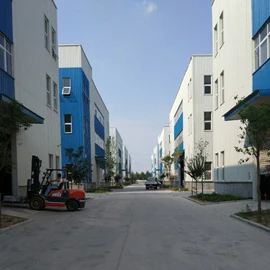
Henan Vinica Machinery Co., Ltd.
- Trading Company
- Henan, China
- Lead time0 days
- Avg. response≤ 4h
Main productshandheld inkjet printer,digital foil printer,package machine,sealing machine,Laminating machine
Main marketsWestern Europe(18.00%), Eastern Europe(15.00%), Africa(15.00%), Northern Europe(10.00%), North America(10.00%), Mid East(10.00%), South America(10.00%), South Asia(5.00%), Southern Europe(5.00%)
Xiamen Orange Sun Electronic Technology Co., Ltd.
- Verified by SGS
- Combined
- China Fujian
- Lead time15 days
- Avg. response≤ 4h
Main marketsDomestic
Cangzhou Yunxiang Carton Machinery Co., Ltd.
- Manufacturer/Factory
- China Hebei
- Lead time45 days
- Avg. response≤ 13h
Main productsCaton Packaging Machinery, Flexo Printing Slotting and Die Cutting Machine, Corrugated Paperboard Production Line, Inline Folder Gluer Machine, Case Maker, Carton Packaging Machinery Spare Parts
Main marketsEastern Europe,Mid East,North America,Western Europe,Africa
Dongguan Number One Digital Technology Co., Ltd.
- Verified by SGS
- Manufacturer
- China Guangdong
- Lead time30 days
- Avg. response≤ 3h
Main productsFabric Laser Cutting Machine, Roller Heat Press Machine, Roll to Roll Heat Press Machine, Heat Press Machine, Sublimation Ink, Sublimation Paper
Main marketsSouth America,Africa,Southeast Asia/ Mideast,East Asia(Japan/ South Korea),Domestic,Europe,North America


Roll Transfer Printing Roll Press Machine Calendar Roller Transfer Printing Machine Full Oil 800*190
$14285.00 - $16857.00
MOQ: 1 Pieces


ZhangJiaGang City YuFeng Beverage Machinery Co., Ltd.
- Verified by TUVRHEINLAND
- Trading Company,Manufacturer/Factory
- China Jiangsu
- Lead time45 days
- Avg. response≤ 22h
Main productsFilling Machine, Water Treatment, Canning Machine, Juice Mixing Line, Packing Machine, Labeling Machine, Bottle Blowing Machine, Beer Filling Machine, Carbonated Drink Filling Machine, 5 Gallon Filling Line
Main marketsSouth America,Eastern Europe,Mid East,North America,Southeast Asia,Eastern Asia,Oceania,Western Europe,Africa

LUEN CHEONG PRINTING EQUIPMENT LTD
- Verified by TUVRHEINLAND
- Combined
- China Guangdong
- Lead time15 days
- Avg. response≤ 1h
Main productsFull Automatic UV Screen Printer, Plane/Cylinder Silk Screen Printer, Hot Foil Stamping Machine, UV Curing Machine, Pens Bottles Printer, Ink Cup/Tray Pad Printing Machine, UV Printing Machine, Bottle Screen Printing Machine, Pad Printing Machine, Automatic Pad Printer
Main marketsNorth America


High-Performance Semi-Automatic Plastic Printing Machine with LC Display
$9100.00 - $9599.00
MOQ: 1 Pieces

Cangzhou Xiaoyuan Carton Machinery Trade Co., Ltd.
- Verified by TUVRHEINLAND
- Trading Company,Manufacturer/Factory
- China Hebei
- Lead time23 days
- Avg. response≤ 3h
Main productsCarton Making Machine, Corrugated Cardboard Production Line, Cardboard Printing Slotting Machine, Folder Gluer, Flute Laminator, Carton Packaging Machine, Rotary Die Cutting Machine, Flat Die Cutter, Stitching Machine, Single Face Corrugation Machine
Main marketsMid East,Southeast Asia,Africa

Changzhou Chengli Precision Equipment Co., Ltd.
- Verified by SGS
- Trading Company
- China Jiangsu
- Lead time15 days
- Avg. response≤ 2h
Main productsAir Shaft, Airshaft, Magnetic Powder Brake, Magnetic Powder Clutch, Steel Sheet, Steel Roller, Aluminum Roller, Cold Roll Steel, Steel Plate, Safety Chuck
Main marketsAfrica,Southeast Asia/ Mideast,East Asia(Japan/ South Korea),Domestic,Europe,Australia,North America
Cangzhou Kading Carton Machinery Manufacturing Co., Ltd.
- Combined
- China Hebei
- Lead time60 days
- Avg. response≤ 2h
Main productsFlexo Folder Gluer, Box Printing Slotting Die Cutting Machine, Corrugated Cardboard Production Line, Carton Stitching Machine, Carton Box Folder Gluer, Banding Strapping Machine, Slitter Scorer Machine, Single Facer Machine, Reel Roll Stand, Paper Corner Protector Machine
Main marketsDomestic


Carton Box Printing Machine Carton Printer Cardboard Printing Machine
$6000.00 - $25000.00
MOQ: 1 Sets
- Verified by TUVRHEINLAND
- Manufacturer/Factory
- China Fujian
- Lead time15 days
- Avg. response≤ 6h
Main productsRigid Box Making Machine, Collapsible Box Making Machine, Slipcase Making Machine, Box Assembly Machine, Hard Cover Making Machine, Round Box Making Machine
Main marketsEastern Europe,Mid East,Southeast Asia,Eastern Asia,Western Europe




Comprehensive Sourcing Guide
Semi-Automatic Roll-to-Roll Printer Supplier Concentration and Factory Types
Current data indicates a concentration of suppliers in China, specifically within the Fujian and Shaanxi provinces, where manufacturers produce automatic roll-to-roll and label printing machinery. These regions host combined company types and manufacturer-factory entities that offer diverse product lines ranging from screen printing machines to flexo and digital printing solutions. Buyers should note that while some suppliers list specific origins like Xiamen or Xi'an, the broader cluster remains within these provincial boundaries. The presence of combined company types suggests a mix of trading and manufacturing capabilities, which can influence the depth of technical support and customization options available for semi-automatic roll-to-roll printers.
When assessing factory types, it is critical to distinguish between pure manufacturers and combined entities that may also function as trading companies. The observed data shows suppliers with capabilities in OEM and ODM services, alongside those offering their own brands. This distinction matters because a manufacturer-factory type often provides more direct control over production schedules and engineering modifications, whereas a combined type might offer broader product variety but less direct oversight. Buyers must verify the actual production capacity and whether the supplier's primary focus aligns with the specific semi-automatic roll-to-roll requirements, rather than assuming all listed entities possess identical manufacturing depth or technical expertise.
How to Verify Semi-Automatic Roll-to-Roll Printer Suppliers
Verification begins with examining system certifications and product-specific compliance documents, as these provide concrete evidence of operational standards. Some suppliers in the current results hold ISO9001:2015 certificates, while others display a broader range including ISO 14001, BSCI, and various industry-specific standards like TS 16949 or HACCP. However, not all suppliers list certifications, with some showing "NIL" in the system certification field. Buyers should request valid, up-to-date certificates directly from the supplier and cross-reference them with the issuing body to ensure authenticity. Relying solely on the presence of a certification badge without verification can lead to purchasing from entities that do not meet the required quality management standards for precision printing equipment.
Beyond certifications, response time and verification status offer tangible metrics for supplier reliability. The data reveals response times varying significantly, with some suppliers responding in approximately 1.6 hours while others take up to 25 hours. A faster response time often correlates with better communication channels and more active sales teams, which is crucial for resolving technical queries regarding semi-automatic roll-to-roll printers. Additionally, verification badges such as CTI indicate that a third party has validated certain business credentials. Buyers should prioritize suppliers with verified status and rapid response capabilities, as these factors reduce the risk of miscommunication and ensure that the supplier is actively engaged in the procurement process rather than maintaining a passive listing.
What to Compare Across Semi-Automatic Roll-to-Roll Printer Suppliers
Comparing suppliers requires a detailed analysis of lead times, minimum order quantities, and pricing structures to ensure alignment with project timelines and budget constraints. Lead times observed in the current results range from 15 days to 30 days, with some suppliers offering faster turnaround for specific models. Minimum order quantities vary, with some suppliers accepting orders as low as one unit, while others may have higher thresholds. Pricing also shows a wide spectrum, with some machines listed between $20,000 and $54,000, while others range from $60,000 to $150,000. Buyers must compare these figures against their specific production needs, ensuring that the selected supplier can deliver within the required timeframe without compromising on the quality or specifications of the semi-automatic roll-to-roll printer.
Product attributes and customization capabilities are equally critical when comparing suppliers. The data indicates that many suppliers offer customization options, with features like automatic grades, multi-color printing capabilities, and specific registration accuracies such as +/- 0.01mm. Some machines support various raw materials including PET, PVC, and BOPP, while others are specialized for specific applications like label printing or film printing. Buyers should compare the technical specifications of the semi-automatic roll-to-roll printers, including printing speed, substrate width, and maximum printing size, to ensure the equipment meets their operational requirements. Additionally, after-sales service provisions, such as overseas engineering support, should be evaluated to determine the long-term viability of the supplier relationship and the ease of maintenance for the purchased machinery.
Common Semi-Automatic Roll-to-Roll Printer Sourcing Risks
One significant risk involves the discrepancy between advertised capabilities and actual production capacity, particularly when suppliers claim ODM or OEM services without clear evidence of their manufacturing infrastructure. While some suppliers list extensive capabilities, others may lack the necessary resources to fulfill large orders or provide the promised customization. This risk is compounded by the variation in lead times, where a supplier promising a 15-day delivery might face delays due to unforeseen production bottlenecks. Buyers should mitigate this by requesting detailed production schedules and proof of capacity before finalizing orders, ensuring that the supplier can realistically meet the delivery deadlines for semi-automatic roll-to-roll printers without compromising quality or causing project delays.
Another critical risk is the potential for misalignment in technical specifications and certification standards, which can lead to equipment that does not meet local regulatory requirements or operational needs. The data shows a mix of certifications, with some suppliers holding ISO9001:2008 while others list ISO9001:2015 or no certification at all. This inconsistency can result in purchasing machinery that lacks necessary safety features or quality controls, leading to increased maintenance costs or operational failures. Buyers must verify that the semi-automatic roll-to-roll printers comply with relevant international standards and that the supplier provides clear documentation regarding the machine's compliance. Failure to address these risks can result in significant financial losses and operational disruptions, making thorough due diligence essential before committing to a purchase.
Semi-Automatic Roll-to-Roll Printer Regional Sourcing and Logistics
Sourcing from regions like Fujian and Shaanxi in China offers access to a concentrated network of printing machinery manufacturers, but it also introduces specific logistical considerations. The proximity of these suppliers to major ports facilitates efficient shipping, yet buyers must account for the varying lead times and potential customs delays that can affect the overall delivery schedule. The data indicates that suppliers in these regions often use wooden boxes or cases for packing, which provides robust protection during transit but may add to the shipping weight and cost. Buyers should plan for these logistical factors by coordinating with freight forwarders who have experience in handling heavy industrial machinery and by ensuring that all necessary import documentation is prepared in advance to avoid clearance issues.
Logistics planning also involves understanding the specific shipping requirements for semi-automatic roll-to-roll printers, which are often large and heavy pieces of equipment. The observed product dimensions and weights, such as standard sizes of (L7000xW1100xH1900)mm, require specialized handling and transportation methods to prevent damage during transit. Buyers should verify the supplier's experience in exporting similar machinery and request detailed packing lists and shipping instructions. Additionally, the location of the supplier, whether in Xiamen or Xi'an, can impact the transit time and cost, so buyers should factor these variables into their overall procurement strategy. By carefully managing regional logistics, buyers can ensure that their semi-automatic roll-to-roll printers arrive safely and on time, ready for installation and operation.
Semi-Automatic Roll-to-Roll Printer Commercial Terms and Order Planning
Commercial terms for semi-automatic roll-to-roll printers often include specific payment structures, warranty periods, and after-sales service agreements that must be clearly defined before placing an order. The data shows that some suppliers offer engineers available for overseas service, which is a valuable component of the commercial terms for buyers operating in different regions. Buyers should negotiate these terms to ensure that they receive adequate support for installation, maintenance, and troubleshooting, as the complexity of semi-automatic roll-to-roll printers requires specialized technical expertise. Additionally, the price ranges observed, from $7,656 to $150,000, highlight the importance of clarifying what is included in the quoted price, such as shipping, installation, and training, to avoid unexpected costs later in the procurement process.
Order planning for semi-automatic roll-to-roll printers requires a strategic approach to managing lead times and production schedules. With lead times ranging from 15 to 30 days, buyers must factor in the time required for manufacturing, shipping, and customs clearance when planning their production cycles. It is essential to communicate clearly with the supplier regarding the expected delivery date and to establish a timeline that accounts for potential delays. Buyers should also consider the MOQ, which can be as low as one unit, allowing for flexibility in order sizing. By carefully planning the order timeline and negotiating favorable commercial terms, buyers can ensure a smooth procurement process and minimize the risk of disruptions to their production operations.
FAQs
What is the price range for automatic roll to roll printers?
Prices for automatic roll to roll printers typically range from $7,656 to $150,000 depending on specifications. Basic digital label models start around $20,000, while advanced flexo and gravure combination machines can exceed $100,000. Buyers should verify specific pricing for their required printing speed and substrate width before placing orders.
What certifications do these printing machines usually have?
Most automatic roll to roll printers carry CE and ISO 9001:2008 or ISO 9001:2015 certifications. Some manufacturers also hold broader quality management standards like ISO 14001 or industry-specific accreditations. Buyers should request valid certificates to ensure the machinery meets international safety and quality compliance requirements for their operations.
What is the typical lead time for manufacturing these machines?
Manufacturing lead times generally range from 15 to 30 days for standard automatic roll to roll printers. Faster production is available from some suppliers, while complex custom configurations may require additional time. Buyers should confirm exact delivery schedules with the supplier to align with their production planning and inventory needs.
What is the minimum order quantity for these printers?
The minimum order quantity is typically one unit for most automatic roll to roll printers. This allows buyers to purchase single machines for testing or small-scale production without committing to large bulk orders. Suppliers often support OEM and ODM customization even for single-unit purchases to meet specific client requirements.
Where are these printing machines primarily manufactured?
These machines are primarily manufactured in China, with key production hubs in Fujian, Shaanxi, and Henan provinces. Suppliers in these regions offer various capabilities including own brand, OEM, and ODM services. Buyers can source from multiple locations to compare pricing, lead times, and specific technical specifications for their printing needs.
What substrates can automatic roll to roll printers handle?
Automatic roll to roll printers can handle various substrates including PET, PVC, PE, PP, BOPP, and adhesive stickers. Some models also support paper, cloth, and card printing. Buyers should verify the maximum printing size and registration accuracy to ensure the machine meets their specific material and precision requirements for label or film printing.