Source Coolant Reservoir for Trucks, Refrigeration, and Cooling Systems
Find and compare 30 Coolant Reservoir options from Chinese manufacturers. Evaluate sealed and open-type designs, aluminum bodies, and direct-flow radiators for international vehicle series and refrigeration parts.
Key considerations
Products List

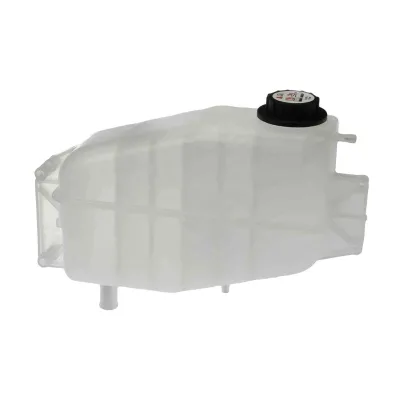


$1000.00
MOQ: 1 Pieces

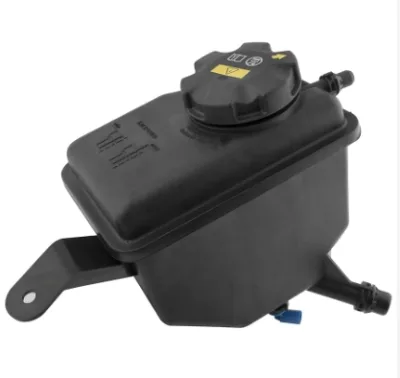


Comprehensive Sourcing Guide
Coolant Reservoir Sourcing Guide
Sourcing a Coolant Reservoir requires distinguishing between sealed and open system components, as the structural design dictates the fluid dynamics and pressure management capabilities of the cooling unit. The observed market data indicates a clear divergence in product attributes, with some listings specifying a sealed type structure while others describe an open type configuration. Buyers must first identify the specific system architecture of their machinery, such as the International 2000 or 4000 Series, to ensure the selected reservoir matches the required pressure containment and fluid expansion characteristics.
The procurement landscape for these components also varies significantly by application, ranging from heavy-duty vehicle cooling systems to general refrigeration parts. While some products are explicitly marketed for replacement and repair purposes with a single-item selling unit, others are part of broader cooling system assemblies that include radiators and hoses. Understanding whether the component is a standalone Coolant Reservoir or an integrated part of a larger water-cooled assembly is essential for accurate inventory planning and system compatibility.
Product Scope and Observed Listing Signals
The product scope for coolant reservoirs in the current market spans a wide range of specifications, including distinct model numbers like 2002105C3 and 4ZD1, which often correspond to specific OEM requirements. Listings frequently highlight the body material as aluminium, a choice that balances weight reduction with thermal conductivity, though buyers should verify if this applies to the specific reservoir or the associated radiator core. The observed price range of 1 to 10,000 USD suggests a vast disparity in product complexity, from simple replacement tanks to integrated cooling modules, necessitating a careful review of the item description to avoid overpaying for unnecessary features.
Listing signals also reveal variations in packaging and customization capabilities that impact logistics and final assembly. Some suppliers offer inner plastic bags and outer cartons for standard protection, while others provide palletized shipping for bulk orders, and customization is explicitly noted as available for certain models. The presence of specific attributes like "Water Rubber Hose" capability or "Cutting, Extrusion" processing services indicates that some suppliers may offer integrated solutions where the reservoir is part of a custom hose assembly, requiring buyers to clarify if they need the tank alone or a complete fluid transfer system.
Technical Specifications to Verify
Technical verification must begin with the system type, as the market lists both closed and open system configurations, each serving different thermal management needs. For closed systems, the reservoir must maintain pressure integrity, often utilizing a sealed type structure, whereas open systems may require different venting mechanisms. Buyers should cross-reference the listed model number, such as 9605014103 or 2.5L, against their equipment manuals to ensure the volume and pressure rating align with the engine's thermal expansion requirements.
Fluid compatibility and temperature tolerance are critical technical parameters that define the operational lifespan of the reservoir. The observed data includes working temperature ranges of -40°C to +120°C and cooling fluid types such as alcohol, which suggests the component is designed for specific chemical environments. Additionally, the radiator core type, described as tube-fin with direct-flow characteristics, often influences the reservoir's inlet and outlet geometry. Buyers must confirm that the internal surface of the reservoir is compatible with the specific coolant mixture to prevent degradation or leakage under extreme thermal cycling.
Compliance and Safety Documentation
Compliance documentation for coolant reservoirs often includes certifications such as CE, IATF 16949, REACH, and ROHS, which signal adherence to international safety and environmental standards. The presence of IATF 16949 is particularly significant for automotive applications, indicating that the supplier's quality management system meets the rigorous demands of the automotive industry. However, buyers should verify that these certifications are current and specifically cover the production of the Coolant Reservoir model in question, rather than being generic company-wide credentials.
Safety and material standards also extend to the chemical composition of the product, with REACH and ROHS certifications ensuring the absence of restricted hazardous substances. For applications involving refrigeration parts or heavy machinery, the material safety data sheet (MSDS) should be reviewed to confirm the reservoir's resistance to the specific cooling fluid, such as alcohol-based mixtures. Buyers must ensure that the supplier provides up-to-date documentation for all listed certifications, as these documents are often required for customs clearance and regulatory audits in the destination market.
Cost Drivers and Commercial Terms
Cost drivers for coolant reservoirs are heavily influenced by the level of customization and the complexity of the manufacturing process. Products with customized sizes, lengths, or specific OEM numbers like 2002105C3 typically command higher prices due to the tooling and setup costs involved. The observed MOQ range of 1 to 500 units suggests that buyers can source small quantities for immediate repairs or larger batches for inventory replenishment, but the unit price will likely decrease as the order volume increases, reflecting economies of scale in production.
Commercial terms regarding packing and shipping also play a significant role in the total cost of ownership. While some listings specify standard cartons, others offer palletized shipping or specialized packing for international transport, which can affect freight costs and handling requirements. Buyers should clarify whether the quoted price includes the cost of the packing materials and if the supplier accepts OEM/ODM orders, as this can impact the lead time and the final unit cost. Understanding the full scope of these commercial terms is essential for accurate budgeting and supply chain planning.
Supplier Qualification and Quality Control
Supplier qualification should focus on the geographic origin and the specific manufacturing capabilities listed in the product data. The observed origins include Guangdong and Zhejiang, China, regions known for their manufacturing density, but buyers must verify the specific factory's capacity to produce the required model number and material specification. The availability of processing services like cutting and extrusion indicates a supplier with in-house capabilities, which can be a positive indicator of quality control and flexibility in meeting custom requirements.
Quality control measures must be validated through the supplier's certification status and their ability to provide traceability for the components. The presence of certifications like IATF 16949 suggests a robust quality management system, but buyers should request evidence of recent audits and specific test results for the Coolant Reservoir model. It is also prudent to verify the condition of the product, ensuring that "New" items are indeed factory-fresh and not refurbished, and to confirm that the supplier has a clear process for handling defects or non-conforming products.
Long-Term Procurement Checks
Long-term procurement success depends on establishing a reliable supply chain that can adapt to changing model requirements and production volumes. Buyers should monitor the availability of specific model numbers and OEM numbers, as these are often tied to the lifecycle of the equipment they serve. The ability of the supplier to offer customization and accept OEM/ODM orders is a key indicator of their flexibility to support future product updates or design changes without requiring a complete supplier switch.
Regular performance reviews of the supplier are necessary to ensure consistent quality and adherence to delivery schedules. Buyers should track the lead times and the consistency of the product condition, ensuring that the "New" status is maintained across all shipments. Additionally, maintaining open communication regarding certification renewals and standard updates, such as changes to REACH or ROHS regulations, will help mitigate risks associated with regulatory non-compliance and ensure the continued suitability of the Coolant Reservoir for the intended application.
FAQs
What is the cooling fluid type for this radiator?
The cooling fluid type is alcohol, designed for water-cooled systems. This configuration supports direct-flow radiator cores with sealed structures to ensure efficient heat dissipation in international vehicle series applications.
Which certifications do the radiator hoses hold?
The radiator hoses hold CE, IATF 16949, REACH, and ROHS certifications. These standards ensure the products meet international safety and environmental requirements for use in closed cooling systems with low noise levels.
Can the radiator hoses be customized for specific sizes?
Yes, the radiator hoses offer customized sizes and lengths to fit various requirements. The inner diameter ranges from 4 to 60mm, and processing services include cutting and extrusion for tailored solutions.
Where are these Coolant Reservoir components manufactured?
These components are manufactured in China, specifically in Guangdong and Zhejiang provinces. The products are new condition items intended for replacement or repair in international vehicle series and refrigeration parts.
What is the working temperature range for the hoses?
The working temperature range is from -40 degrees Celsius to +120 degrees Celsius. This wide range ensures durability and performance in various environmental conditions for closed system applications.
How are the radiator hoses packaged for shipping?
The hoses are packed in inner plastic bags and outer cartons, often on pallets. This packaging method protects the black rubber hoses during transit and ensures they arrive in new condition for immediate installation.