Source Cordless Automatic Cream Whipper for Cake, Coffee, Milk Tea
Find 30 listings for the Cordless Automatic Cream Whipper to compare specifications like capacity, voltage, and customization options. Buyers can evaluate electric models suitable for cake, coffee, and milk tea production with varying power sources and weights.
Key considerations
Products List


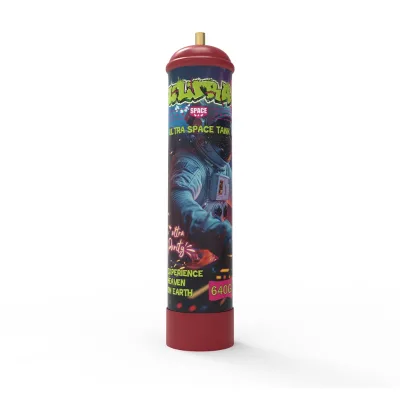
Premium 4.5L Aluminium Cream Charger Whipper for Perfect Whipped Cream
$18.50 - $19.00
MOQ: 2400 Pieces


Comprehensive Sourcing Guide
Cordless Automatic Cream Whipper Sourcing Guide
Sourcing the right equipment for high-volume dessert production requires a clear distinction between handheld consumer tools and industrial-grade automated systems. While the term "Cordless Automatic Cream Whipper" often brings to mind small, battery-operated devices for home use, the B2B procurement landscape for this keyword frequently includes industrial machinery designed for continuous, high-throughput operations. Buyers must carefully evaluate whether their operational needs align with portable, manual-assist tools or fully automated, electric-powered lines capable of handling large batches of cake cream, mousse, or whipped toppings. The available market data indicates a wide spectrum of products, ranging from small 0.95L chargers to large-scale automatic cake cream makers with capacities exceeding 100 plates per hour. Understanding this divergence is the first critical step in defining a precise procurement specification that avoids costly mismatches between equipment capability and production volume.
The procurement strategy must also account for the specific nature of the product being processed. Industrial cream whipping equipment is often integrated into broader pastry production lines, such as those for pound cake, chiffon cake, or sponge cake, where consistency and speed are paramount. In contrast, smaller cream chargers and whippers are typically used for finishing touches in coffee shops, milk tea establishments, or boutique bakeries. Buyers should assess whether their primary requirement is the continuous mixing and aeration of large volumes of dairy-based products or the rapid dispensing of pre-charged whipped cream for individual servings. This distinction dictates the necessary power sources, material compatibility, and automation levels, ensuring that the selected equipment supports the specific workflow without creating bottlenecks in the production line.
Product Scope and Observed Listing Signals
The observed product listings reveal a significant variance in capacity and automation levels, which serves as a primary signal for buyer segmentation. High-capacity automatic machines, such as those with models like HP-30 or HM-FDDF, are designed for industrial environments, featuring electric power sources, substantial weights ranging from 400kg to 1500kg, and production capacities that can reach up to 1200kg per hour. These units are typically packaged in wooden crates or export wooden boxes, indicating their robust construction and suitability for heavy-duty, continuous operation. Buyers seeking to automate large-scale dessert production should focus on these specifications, as they offer the throughput necessary for commercial bakeries and food manufacturing facilities. The presence of timing devices and customized options in these listings further suggests that these machines are engineered for precise control over mixing duration and product consistency.
Conversely, the market also offers smaller, specialized tools such as cream chargers and whippers with capacities ranging from 0.95L to 4.5L. These products, often associated with models like WIP2 or specific charger weights (640g, 3000g), are designed for more flexible, lower-volume applications. They are frequently marketed with keywords like "Bakeware" and are suitable for applications in coffee shops, milk tea stores, or small-scale catering services. The distinction between these two categories is crucial; while the larger machines are fixed installations requiring significant floor space and electrical infrastructure, the smaller chargers and whippers offer portability and ease of use. Buyers must clearly define their volume requirements to avoid purchasing oversized equipment for low-volume tasks or underpowered tools for high-demand environments.
Technical Specifications to Verify
When evaluating industrial automatic cream makers, verifying the power and voltage specifications is essential to ensure compatibility with existing facility infrastructure. The observed listings indicate that many automatic machines operate on 380V electric power sources, which is standard for industrial equipment in many regions but may require specific electrical upgrades in facilities designed for standard household or light commercial voltage. Buyers should confirm the exact voltage requirements and power consumption, such as the 4.5kw rating observed in some models, to calculate energy costs and ensure that the facility’s electrical grid can support the load without interruption. Additionally, the physical dimensions and weight of the machine, such as the standard size of 1250mm1750mm1650mm and weights up to 1500kg, must be considered in relation to available floor space and loading dock capabilities.
For smaller cream whipping tools and chargers, the focus shifts to material purity and gas compatibility. The listings highlight the use of N2O (nitrous oxide) as the primary gas for these devices, with purity levels ranging from 99.9% to 99.999%. Buyers must verify that the selected chargers and whippers are compatible with food-grade N2O and that the device materials are safe for direct contact with dairy and other food products. The capacity of the chargers, whether 0.95L, 3.3L, or 4.5L, should be matched to the expected usage frequency to minimize downtime for refilling. Furthermore, the presence of timing devices in larger machines allows for precise control over the whipping process, ensuring consistent texture and volume in the final product, a feature that is less relevant for manual chargers but critical for automated lines.
Compliance and Safety Documentation
Certification verification is a non-negotiable aspect of sourcing industrial food processing equipment. The observed listings frequently mention CE certification, which is a mandatory conformity mark for products sold within the European Economic Area. Buyers must ensure that the supplier provides valid CE certificates that correspond to the specific model number and production batch, as this certification confirms that the machine meets essential health, safety, and environmental protection requirements. In some cases, ISOCE certification is also referenced, which may indicate adherence to additional quality management standards. It is crucial for buyers to request copies of these certificates and verify their authenticity with the issuing body to mitigate the risk of procuring non-compliant equipment that could lead to regulatory penalties or operational shutdowns.
Beyond certifications, buyers should inquire about the safety features integrated into the automatic cream makers. Industrial machines with high power ratings and moving parts require robust safety mechanisms, such as emergency stop buttons, protective guards, and interlock systems that prevent operation when maintenance panels are open. For cream chargers and whippers, the integrity of the pressure vessel is paramount; buyers should verify that these devices are manufactured to withstand the internal pressures generated by N2O without risk of rupture. Documentation regarding pressure testing and material safety data sheets (MSDS) for any components that come into contact with food should be requested to ensure that the equipment does not introduce contaminants into the product. This due diligence protects both the operator and the end consumer from potential hazards.
Cost Drivers and Commercial Terms
The price range for cream whipping equipment is highly variable, reflecting the diversity in capacity, automation, and build quality. Observed listings show prices ranging from as low as $4.2 for small accessories to over $48,800 for large-scale automatic production lines. This wide spectrum underscores the importance of aligning budget with actual production needs. For small businesses or cafes, investing in high-capacity automatic machines may result in underutilized assets and poor return on investment. Conversely, relying on manual chargers for a high-volume bakery can lead to labor inefficiencies and inconsistent product quality. Buyers should conduct a total cost of ownership analysis, considering not only the initial purchase price but also energy consumption, maintenance costs, and the cost of consumables like N2O chargers.
Commercial terms, particularly Minimum Order Quantity (MOQ) and packaging, also significantly impact the procurement process. The observed MOQs range from 1 set for individual machines to 1*20FT Container for bulk orders of chargers or accessories. Buyers should negotiate MOQs based on their storage capacity and cash flow constraints, especially when dealing with large industrial machines that require significant upfront capital. Packaging is another critical factor; industrial machines are typically shipped in wooden cases or export wooden boxes to protect against damage during transit, while smaller items may have different packaging requirements. Buyers should confirm that the packaging is suitable for the intended shipping method and destination, ensuring that the equipment arrives in pristine condition and is ready for immediate installation and operation.
Supplier Qualification and Quality Control
Supplier qualification is essential to ensure reliability and long-term support for the purchased equipment. Buyers should prioritize suppliers that offer OEM, ODM, and private label services, as this indicates a level of manufacturing capability and flexibility. The observed listings mention services such as customization, which can be valuable for businesses with specific operational requirements or branding needs. However, buyers must verify the supplier’s ability to deliver consistent quality across batches, particularly for automated machines where precision engineering is critical. Requesting references from existing clients and conducting site visits, if possible, can provide insights into the supplier’s manufacturing processes and quality control measures.
Quality control should extend to the post-sale support and warranty terms provided by the supplier. Industrial equipment requires regular maintenance and occasional repairs, so buyers should ensure that the supplier offers comprehensive after-sales service, including technical support, spare parts availability, and training for operating staff. The observed listings mention services like OEM and customization, which may also extend to the provision of tailored maintenance plans or software updates for automated systems. Buyers should negotiate clear warranty terms that cover both parts and labor, and establish a protocol for handling defects or malfunctions. This proactive approach to supplier management helps minimize downtime and ensures that the equipment continues to perform optimally throughout its lifecycle.
Long-Term Procurement Checks
Long-term procurement success depends on the ability to adapt to changing market demands and technological advancements. Buyers should regularly review the performance of their cream whipping equipment against key performance indicators such as production speed, product consistency, and energy efficiency. For automated machines, this may involve monitoring the accuracy of timing devices and the reliability of the mixing mechanisms. For chargers and whippers, it may involve assessing the ease of use and the frequency of refilling. By tracking these metrics, buyers can identify opportunities for process improvements or determine when it is time to upgrade to newer, more efficient models.
Additionally, buyers should stay informed about emerging trends in food safety and sustainability. As regulations evolve, suppliers may need to update their equipment to comply with new standards, such as enhanced hygiene requirements or energy efficiency mandates. Buyers should maintain open communication with their suppliers to stay ahead of these changes and ensure that their equipment remains compliant and competitive. Furthermore, considering the environmental impact of packaging and consumables, such as N2O chargers, can help buyers align their procurement practices with broader sustainability goals. By adopting a strategic, forward-looking approach to procurement, buyers can ensure that their investment in cream whipping equipment continues to deliver value and support their business growth over the long term.
FAQs
What is the power source for the cream whipper machine?
The machine operates using an electric power source with a 4.5kw rating. It requires a 380V voltage supply to function correctly. This ensures consistent performance for making pound cake, chiffon cake, and sponge cake products efficiently.
Can the machine be customized for specific production needs?
Yes, customization is available for this equipment to meet specific requirements. The product is listed as customized and supports OEM and ODM private label services. Buyers can request tailored solutions while maintaining the standard automatic grade operation.
Which certifications does the cream whipper machine hold?
The machine holds CE certification and ISOCE certification for safety and quality compliance. These standards ensure the equipment meets international requirements for industrial food processing. Buyers can verify these credentials when evaluating supplier documentation for the product.
How much does the machine weigh and what is its capacity?
The machine weighs either 400kg or 1500kg depending on the specific model configuration. Production capacity ranges from 100 to 200 plates per hour or up to 1200kg per hour for different applications. This allows flexibility for various bakery production scales.
What is the minimum order quantity for purchasing this machine?
The minimum order quantity is one set for the machine itself. However, for related cream charger products, the MOQ may be one 20-foot container. Buyers should confirm the specific MOQ based on whether they are ordering the main machine or accessories.
Where is the cream whipper machine manufactured and shipped from?
The machine is manufactured in China, with specific origins noted in Jiangsu province. It is packed in wooden cases or export wooden boxes for safe shipping. This origin information helps buyers understand the supply chain and logistics requirements for international orders.