Source Corn Tortilla Maker for Chips, Chapati, and Roti
Compare 30 Corn Tortilla Maker options from verified Chinese manufacturers. These electric machines feature automatic processing, food-grade stainless steel construction, and capacities ranging from 1000 to 250 kg per hour for diverse dough applications.
Key considerations
Products List


Cost Effective Corn Tortilla Maker Automatic Tortilla Maker Machine Tortilla Maker
$680.00 - $950.00
MOQ: 1 Pieces
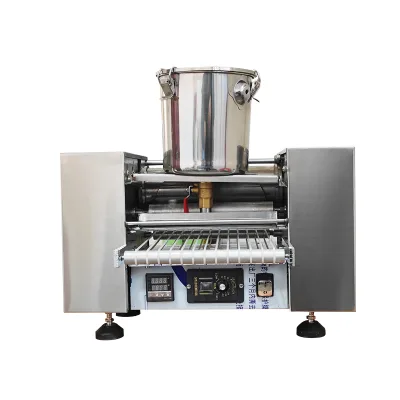


High Quality Promotion Tortilla Maker Whitefood Processing Line Tortilla Maker
$7000.00 - $30000.00
MOQ: 1 Pieces


Automatic Tortilla Making Machine Grain Product Making Machines Tortilla
$9800.00 - $20000.00
MOQ: 1 piece


Commercial Electric Corn Tortilla Maker Stainless Steel, Adjustable Thickness
$300.00 - $750.00
MOQ: 1 Pieces
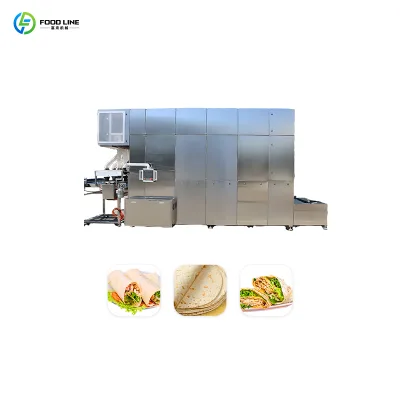
Wide Application Oat Mexican Tortilla Making Machine Fitness Mexican Tortilla Maker
$5200.00 - $7900.00
MOQ: 1 units
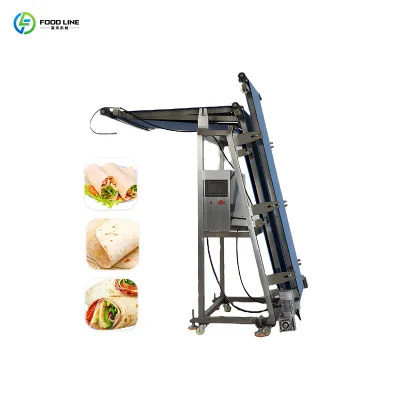
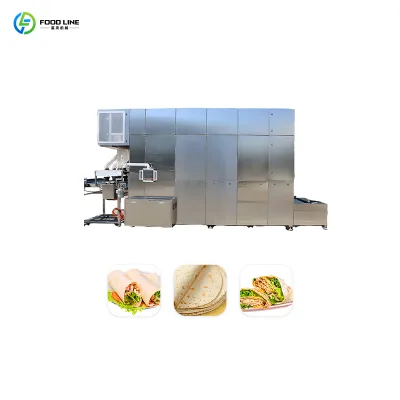

Electric Mexico Taco Machine / Roti Making Machine / Corn Tortilla Maker
$489.00 - $629.00
MOQ: 1 Sets

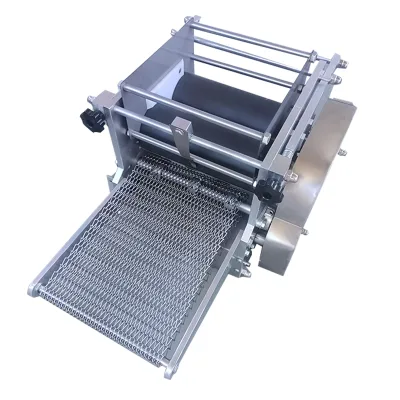
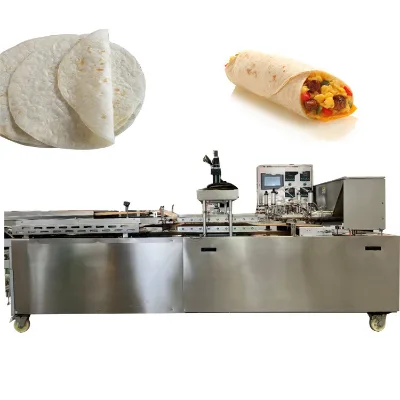
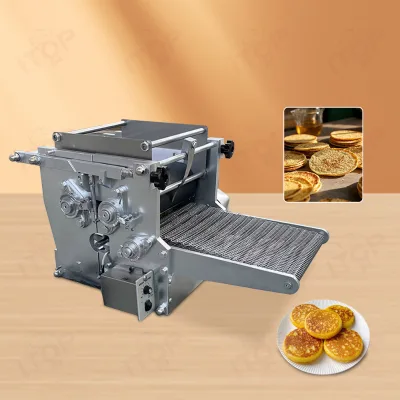


Tortilla Machine Taco Roti Maker Press Bread Grain Product Tortilla Making Machine
$4500.00 - $8000.00
MOQ: 1 Pieces
Comprehensive Sourcing Guide
Strategic Sourcing Guide for Corn Tortilla Maker Equipment
Selecting the right Corn Tortilla Maker requires a disciplined approach that balances production capacity, material integrity, and electrical compatibility with the specific operational needs of your facility. The global market for automated dough processing equipment offers a wide array of options, ranging from compact units suitable for small bakeries to high-volume industrial lines designed for mass distribution. Buyers must navigate a landscape where product attributes vary significantly between models, and where the distinction between a "Doritos Chips Process Machine" and a dedicated "Tortilla Maker" is critical for operational success. This guide provides an evidence-based framework for evaluating suppliers, verifying technical specifications, and ensuring long-term reliability without relying on unverified marketing claims.
Technical Specifications and Production Capacity
When evaluating a Corn Tortilla Maker, the primary technical differentiator is the production capacity, which directly correlates to the machine's physical dimensions and motor power. The observed market data indicates a significant variance in output capabilities. Some industrial-grade units are designed with capacities ranging from 120 to 150 kg per hour, while others in the same category may reach 200 to 250 kg per hour. For buyers focusing on piece-based output, specific models are rated to produce between 1,000 and 2,000 pieces per hour. These figures are not universal; they depend heavily on the specific model series, such as the ETT65, ETT78, or ETT98 series, or the SLT68, SLT70, and SLT85 variants.
The physical footprint of the machinery is another critical specification. Large-scale automated lines may occupy a standard area of approximately 2,400 mm by 1,500 mm by 2,200 mm. In contrast, smaller, standalone units like the Automatic Tortilla Making Machine (model SR-YMBJ) or the TDCT-1 model have significantly reduced dimensions, such as 650 mm by 310 mm by 330 mm or 500 mm by 350 mm by 350 mm. Buyers must verify these dimensions against their available floor space before placing an order. Furthermore, the weight of the equipment varies from 30 kg for compact units to 50 kg for heavier, more robust models. Understanding these physical constraints is essential for logistics planning and facility layout design.
Material Integrity and Construction Standards
The longevity and food safety of the equipment are determined by the materials used in its construction. High-quality corn tortilla makers are predominantly constructed using food-grade stainless steel. Specific model data points to the use of SS304, a standard grade for food processing machinery that offers excellent corrosion resistance and durability. For critical internal components, such as the screw mechanisms, manufacturers often utilize 38CrMoAl alloy steel, which provides enhanced strength and wear resistance under high-torque conditions.
The electronic and control systems also rely on reputable component brands to ensure stability. Verified specifications for certain industrial models list the main motor brand as Siemens (China), with inverters from Delta. The electronic control architecture frequently integrates components from FUJI and LG, while relays are sourced from Omron. These brand selections suggest a focus on reliability, though buyers should confirm that these specific components are included in the quote for the model they are purchasing. The use of food-grade materials and established electronic brands is a strong indicator of a machine built to withstand the rigors of continuous dough processing.
Electrical Compatibility and Power Requirements
One of the most common pitfalls in international procurement is electrical incompatibility. The power requirements for corn tortilla makers are not uniform and vary based on the machine's size and intended market. The observed voltage specifications include 380V/50Hz and 220V/50Hz configurations. Some smaller or specific regional models are listed with a 220V requirement only. Buyers must strictly verify the voltage and frequency requirements of the specific model before installation. Mismatching the power supply can lead to equipment failure or safety hazards.
Additionally, the power source for these machines is consistently electric. There is no evidence of diesel or manual operation in the provided data for automated tortilla makers. The electrical setup must align with the local grid infrastructure of the buyer's facility. If the facility operates on a 380V system, a 220V machine will require a step-down transformer, and vice versa. This verification should be done during the initial supplier inquiry phase to avoid costly retrofits after delivery.
Compliance, Certification, and Safety Standards
Navigating the certification landscape is vital for ensuring that the equipment meets international safety and quality standards. The data indicates that various models carry different certification statuses. Some units are listed with ISOCE certification, while others hold CE certification. A more comprehensive compliance profile is observed in models that carry both CE and ISO certifications. The presence of CE certification is particularly important for buyers in European markets, as it indicates conformity with health, safety, and environmental protection standards.
However, certification status is not a universal attribute for every listed product. Buyers should not assume that a specific model possesses a certification unless it is explicitly stated in the product specification sheet. The "Machinery Test Report" is another document that should be requested; some suppliers provide these reports as part of their standard offering, which serves as independent verification of the machine's performance and safety. When evaluating a supplier, buyers should explicitly ask for the test report and the specific certification documents applicable to the model they intend to purchase. Relying on general market assumptions rather than specific documentation can lead to compliance issues during customs clearance or regulatory audits.
Cost Drivers and Procurement Economics
The price range for corn tortilla makers in the current market is substantial, spanning from 300 USD to 50,000 USD. This wide disparity is driven by several factors, including the level of automation, production capacity, material quality, and the inclusion of advanced electronic components. A compact unit weighing 30 kg and costing near the lower end of the spectrum will likely have a lower capacity and fewer automated features compared to a heavy-duty industrial line costing upwards of 10,000 USD.
The Minimum Order Quantity (MOQ) is another economic factor to consider. The observed MOQ range is between 1 and 50 units. This flexibility allows small businesses to purchase a single unit for pilot testing or small-scale production, while larger enterprises can negotiate bulk orders. The supply ability of suppliers is also a relevant metric; some manufacturers claim a supply ability of 100 sets per month, which is a useful benchmark for assessing the supplier's capacity to fulfill large orders within a reasonable timeframe. Buyers should verify these supply claims against their own production timelines to ensure the supplier can meet delivery deadlines without compromising quality.
Supplier Evaluation and Quality Assurance
Evaluating a supplier for Corn Tortilla Maker equipment requires a focus on their track record, customization capabilities, and after-sales support. The market data shows that customization is available for many models, allowing buyers to tailor the machine to specific dough types or final product requirements, such as tortillas, chapatis, or rotis. This flexibility is a significant advantage for buyers with unique production needs.
Quality assurance should be a central part of the supplier evaluation process. Buyers should request a machinery test report to verify the machine's performance before shipment. The condition of the equipment is typically listed as "New," but buyers must confirm this during the inspection phase. Additionally, the warranty period is a critical indicator of the manufacturer's confidence in their product. A standard warranty of 1 year is observed in the market, but buyers should negotiate terms that cover critical components like motors and electronic boards.
Packaging is another aspect of quality assurance. The observed packaging standards include strong fumigation-free cases, 20' GP containers, or 40' HQ containers. For smaller units, standard export wooden case packages are common. Proper packaging ensures that the machine arrives in pristine condition, protecting it from damage during transit. Buyers should verify that the packaging method is suitable for the specific dimensions and weight of the machine to prevent shipping-related defects.
Long-Term Procurement and Operational Considerations
Long-term success with a Corn Tortilla Maker depends on the availability of spare parts, the ease of operation, and the adaptability of the machine to future production needs. The "Easy To Operate" feature is highlighted as a key selling point for several models, reducing the training burden on staff and minimizing the risk of operational errors. The automatic grade of the machines further enhances efficiency, allowing for continuous production with minimal human intervention.
The final product output is a crucial consideration. The machines are designed to produce a variety of flatbreads, including tortillas, chapatis, and rotis. Buyers should ensure that the machine's mold diameter and processing capabilities align with their desired final product specifications. The mold diameter options, such as 20/30/35 cm, offer flexibility in product sizing.
Finally, the origin of the machinery, often listed as China or specifically Henan, should be factored into the logistics and lead time planning. While the specific lead times are not universally defined in the data, the supply ability of 100 sets per month suggests a robust manufacturing base. Buyers should maintain open communication with suppliers regarding production schedules and shipping arrangements to ensure timely delivery. By focusing on these long-term operational factors, buyers can secure equipment that not only meets immediate production needs but also supports sustainable growth in the food processing sector.
FAQs
What certifications do corn tortilla makers typically have?
Common certifications include CE, ISO, and ISOCE depending on the model. Buyers must verify specific certification documents for each unit, as not every listed product carries all certifications. Requesting a machinery test report is also recommended to confirm compliance.
How much capacity can a Corn Tortilla Maker produce?
Production capacity varies significantly, ranging from 120 to 250 kg per hour or 1000 to 2000 pieces per hour. The specific output depends on the model series, such as ETT or SLT variants, and the buyer should match these figures to their operational needs.
Which materials are used in Corn Tortilla Maker construction?
Machines are primarily constructed from food-grade stainless steel, specifically SS304, with screws made of 38CrMoAl alloy. These materials ensure durability and food safety, while electronic components often include brands like Siemens, Delta, and Omron for reliability.
Can corn tortilla makers be customized for different products?
Yes, customization is available to adapt machines for various dough types and final products like tortillas, chapatis, or rotis. Buyers can specify mold diameters ranging from 20 to 35 cm and adjust processing parameters to suit their specific production requirements.
What voltage requirements apply to corn tortilla makers?
Voltage specifications vary between 220V/50Hz and 380V/50Hz depending on the machine model and intended market. Buyers must strictly verify the power requirements before installation to ensure compatibility with their facility's electrical grid and avoid equipment failure.
How is the Corn Tortilla Maker packaged for shipping?
Packaging options include strong fumigation-free cases, standard export wooden cases, or containers like 20' GP and 40' HQ. The specific method depends on the machine's dimensions and weight, ensuring protection during transit from the origin in China.