Source Corner Mount Restaurant Menu Board for Hotels, Cafes, Bars
Find and compare 30 Corner Mount Restaurant Menu Board options from verified suppliers. Evaluate materials like wood and PU leather, customization features, and pricing to select the best fit for your hospitality venue.
Key considerations
Products List


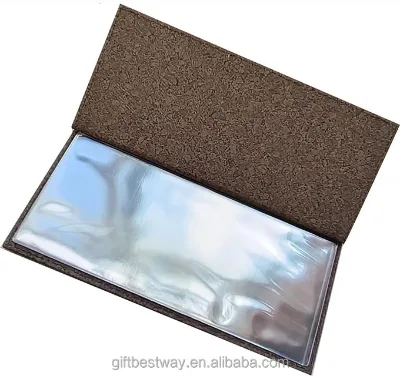
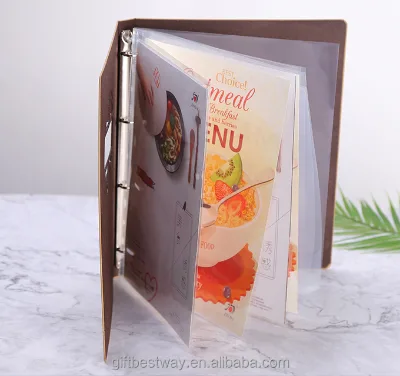
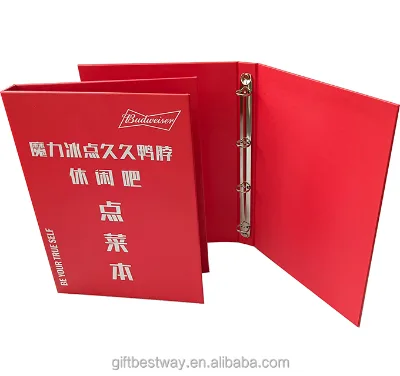
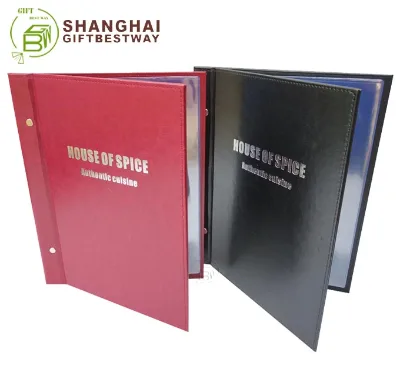


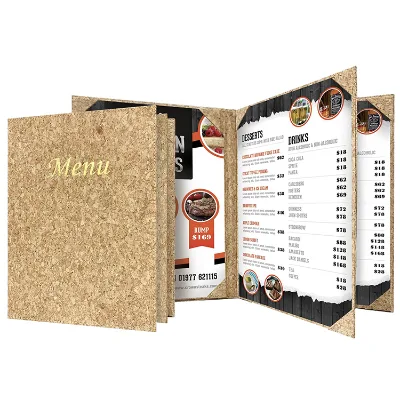
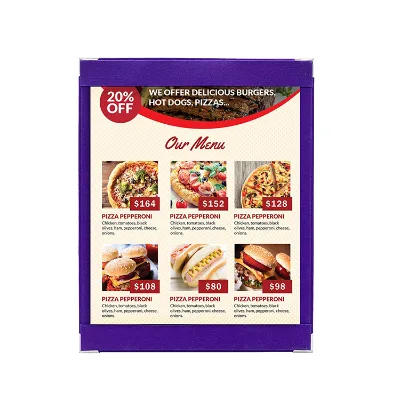
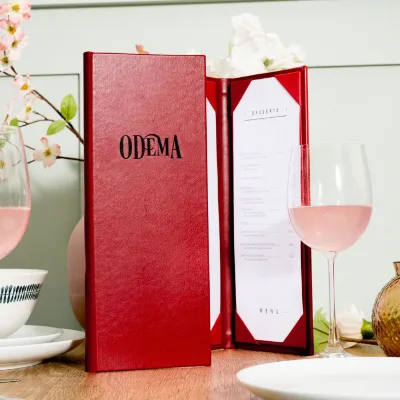
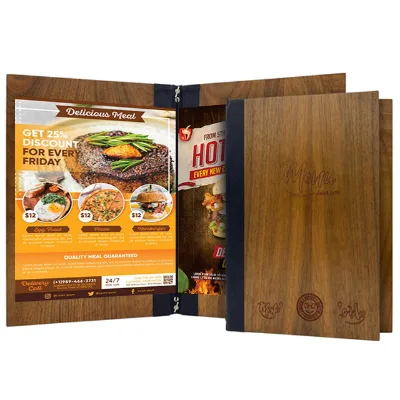
Wood Natural Color Display Menu Board Order Menu Holder with Straps for Restaurant
$0.70 - $1.70
MOQ: 300 Pieces




Uniview Brand for Hotel Restaurant Horizontal Non Touch Digital Menu Boards
$299.00 - $799.00
MOQ: 1 Pieces

Fast Food Restaurant Order Board High Speed Menu Updates for Kitchen Sync
$299.00 - $1999.00
MOQ: 1 Pieces

Comprehensive Sourcing Guide
Corner Mount Restaurant Menu Board Sourcing Guide
Sourcing a Corner Mount Restaurant Menu Board requires balancing aesthetic integration with structural durability, as these units serve as high-visibility touchpoints in dining environments. The available market data indicates a diverse range of materials, from solid wood and rubber wood to PU leather, each offering distinct visual profiles and maintenance requirements. Buyers must prioritize the specific mounting mechanism and load-bearing capacity, as the "corner mount" designation implies a need for specialized hardware that can support the board's weight while fitting into tight spatial constraints.
Commercial listings reveal significant variation in customization options, with many suppliers offering laser-engraved logos and tailored dimensions to match specific restaurant branding. The observed product attributes suggest that while standard A4 formats are common, custom sizing and color options like natural, black, or dark brown are frequently available to suit modern or rustic interior designs. Procurement teams should focus on verifying the compatibility of the mounting system with their specific wall structures, ensuring the selected unit can be securely installed without compromising the integrity of the corner space.
Product Scope and Observed Listing Signals
The product scope for corner mount menu boards encompasses a variety of configurations, including single-panel designs and multi-tiered systems that maximize vertical space in narrow corners. Observed listings highlight specific product types such as the "A4 WOOD MENU" and "Wood Menu Board," which often feature modern designs and eco-friendly materials like rubber wood or PU leather. These items are typically packaged in inner boxes or bubble bags to prevent damage during transit, with some suppliers offering carton packing for bulk orders to ensure stability.
Listing signals indicate that suppliers frequently provide sample options to validate quality before committing to large orders, with stock samples available at lower price points and custom samples requiring a specific fee and lead time. The observed price range is broad, reflecting differences in material quality, customization complexity, and order volume, with minimum order quantities (MOQ) starting as low as 10 pieces for some vendors. Buyers should note that while some products are listed with specific model numbers like "1041-25" or "164MB912," others may require direct consultation to confirm exact dimensions and mounting specifications.
Technical Specifications to Verify
Technical verification must begin with precise dimensional analysis, as the "corner mount" application demands exact measurements to ensure a flush fit against adjacent walls. Buyers should confirm the single package size and overall product dimensions, noting that observed standards include specific metric measurements such as 11.43x31.75x0.5cm or 22.86x31.75x0.5cm, which dictate the physical footprint of the unit. It is critical to verify whether the listed specifications refer to the board itself or the packaging, as discrepancies here can lead to installation failures or the need for costly modifications to the dining area.
Material composition and structural integrity are equally vital, with observed listings citing materials ranging from solid wood and rubber wood to PU leather. Procurement teams must verify the thickness and density of the wood or the durability of the leather to ensure the board can withstand daily handling and potential impacts in a busy restaurant environment. Additionally, the finish and color options, such as grey, black, or brown, should be cross-referenced with the supplier's actual inventory to ensure the final product matches the intended design aesthetic, as visual discrepancies can undermine the restaurant's branding.
Compliance and Safety Documentation
Compliance documentation is essential for restaurant equipment, particularly when materials like wood or leather are used in food service environments. Observed product attributes list certifications such as CE, EU, FDA, and LFGB, which are critical for verifying that the materials are safe for contact with food or are suitable for use in commercial dining spaces. Buyers should request specific test reports or certificates of compliance for each batch of products to ensure that the wood treatments, adhesives, and finishes meet international safety standards and do not release harmful volatile organic compounds (VOCs).
Safety standards also extend to the structural stability of the corner mount system, requiring verification that the mounting hardware meets relevant load-bearing requirements. While some listings mention a "2 Years" warranty, this should be scrutinized to understand the specific coverage terms and whether it includes structural failures or only cosmetic defects. Procurement teams must ensure that the supplier provides clear documentation regarding the fire resistance of the materials, as many jurisdictions have strict regulations regarding the flammability of interior fixtures in public dining areas.
Cost Drivers and Commercial Terms
Cost drivers for corner mount menu boards are heavily influenced by material selection, customization complexity, and order volume. The observed price range of $0.69 to $1999 reflects the spectrum from basic, unbranded units to highly customized, premium designs with laser-engraved logos and specialized finishes. Buyers should anticipate that custom samples, which often cost around $60, and the associated lead time of 7 days, will add to the initial procurement costs, but these investments are necessary to validate the product before scaling up production.
Commercial terms such as Minimum Order Quantity (MOQ) and lead times vary significantly among suppliers, with some offering MOQs as low as 10 pieces while others may require higher volumes. The observed MOQ range of 1 to 1000 units suggests flexibility, but buyers must clarify the pricing tiers associated with different order sizes to optimize their budget. Additionally, shipping and packaging costs, which can be substantial given the single gross weight of 0.7 kg and the need for protective packaging, should be factored into the total landed cost to avoid unexpected expenses.
Supplier Qualification and Quality Control
Supplier qualification should focus on verifying the origin of the products, as observed listings indicate origins in Zhejiang, Shanghai, and Qingdao, China, each with different manufacturing capabilities and quality control standards. Buyers must assess the supplier's ability to maintain consistency in material quality and finish, particularly when dealing with natural materials like wood that can vary in grain and color. Requesting references or case studies from other restaurant clients can provide insight into the supplier's reliability and their track record for delivering products that meet specific design and durability requirements.
Quality control processes must be clearly defined, with a focus on inspection protocols for both raw materials and finished goods. Buyers should inquire about the supplier's internal testing procedures for structural integrity, finish durability, and compliance with safety standards. The availability of a warranty, such as the observed "2 Years" term, can serve as an indicator of the supplier's confidence in their product, but it is crucial to understand the specific conditions under which this warranty applies and the process for filing claims in the event of defects.
Long-Term Procurement Checks
Long-term procurement success depends on establishing a reliable supply chain that can accommodate future expansion or menu updates without significant delays. Buyers should evaluate the supplier's capacity to handle repeat orders and their ability to maintain consistent quality over time, as changes in material sourcing or production processes can lead to variations in the final product. It is advisable to negotiate terms that allow for flexible reordering, ensuring that the restaurant can replace damaged units or update designs as needed without incurring excessive costs or lead times.
Regular performance reviews and quality audits are essential to maintain high standards and address any emerging issues proactively. Buyers should establish a schedule for periodic inspections of delivered goods to verify that the products continue to meet the agreed-upon specifications and safety standards. Building a strong relationship with the supplier, including clear communication channels and mutual expectations, can facilitate smoother transactions and ensure that the corner mount menu boards remain a reliable and effective component of the restaurant's interior design.
FAQs
What materials are used for wood menu boards?
Wood menu boards are typically crafted from rubber wood or solid wood to ensure durability and a natural aesthetic. These materials provide a sturdy surface for displaying restaurant menus while maintaining an eco-friendly profile. The wood is often finished in natural, black, or dark brown tones to suit various interior design styles.
Can I customize the logo on the menu board?
Yes, customization is available for most wood menu boards. Buyers can request laser-engraved customized logos to brand their establishment uniquely. This service allows restaurants to add their identity directly to the product, enhancing brand visibility. Custom samples may incur a fee and require a few days for production.
What certifications do these menu boards have?
These products often carry CE, EU, FDA, and LFGB certifications, ensuring compliance with international safety and quality standards. Such certifications indicate that the materials and manufacturing processes meet rigorous regulatory requirements for food-related environments. Buyers should verify specific documentation for each order to ensure full compliance with local regulations.
What is the typical MOQ for these products?
The minimum order quantity varies by supplier but often starts at 10 pieces. Some listings indicate an MOQ range of 1 to 1000 units, offering flexibility for different business sizes. Buyers should check specific product details for exact MOQ requirements, as this can depend on customization levels and stock availability.
How long does sample production take?
Sample production typically takes 3 to 7 days to complete. This timeframe allows for the creation of custom samples, which may cost around $60, while stock samples might be available for $20. The lead time ensures that buyers can review quality and design before committing to larger bulk orders.
What specifications are available for A4 menu boards?
A4 wood menu boards are commonly available in standard dimensions such as 11.43x31.75x0.5cm or 22.86x31.75x0.5cm. These sizes fit standard A4 paper inserts, making them practical for restaurants. Models like 1041-25 or 164MB912 represent specific product codes that buyers can reference for precise sizing and compatibility.