Source Corner Dust Cleaning Gel for Woodworking, Auto, and Car Cleaning
Compare 30 verified products for Corner Dust Cleaning Gel suitable for woodworking, automotive, and car cleaning applications. Buyers can evaluate specifications, pricing, and customization options from suppliers in China.
Key considerations
Products List


Cleaning Gel for Automotive Cup Holder Slime Gel Cleaner Dust Crumb Removal
$0.17 - $0.21
MOQ: 10000 Pieces

80g Cleaning Gel for Automotive Cup Holder Slime Gel Cleaner Dust Removal
$0.17 - $0.21
MOQ: 10000 Pieces

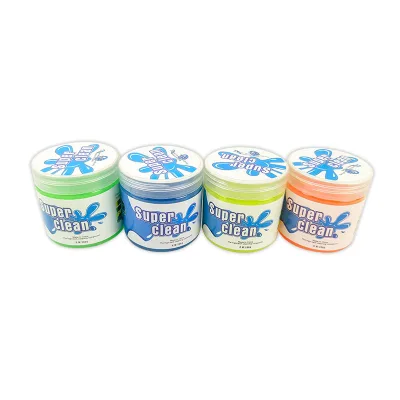
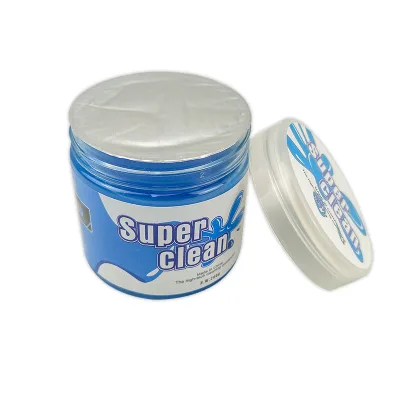
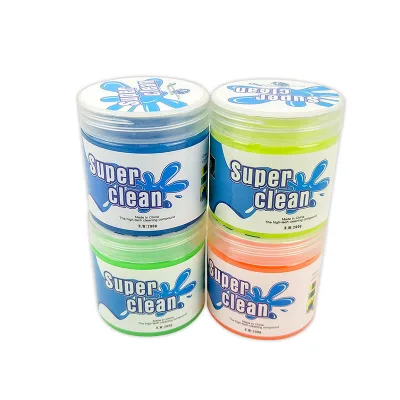
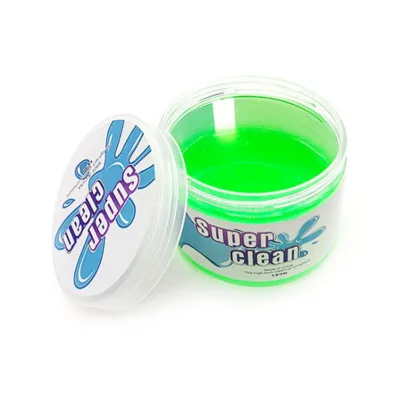
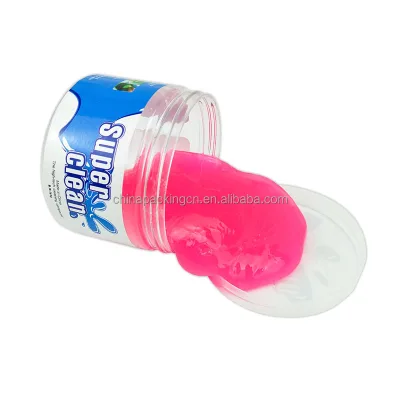
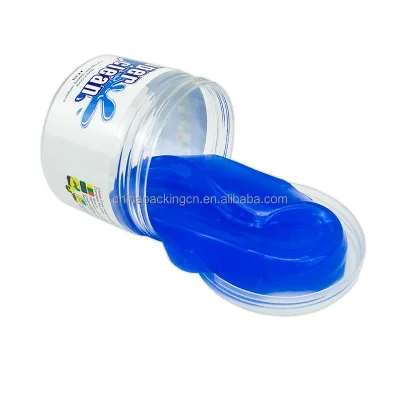


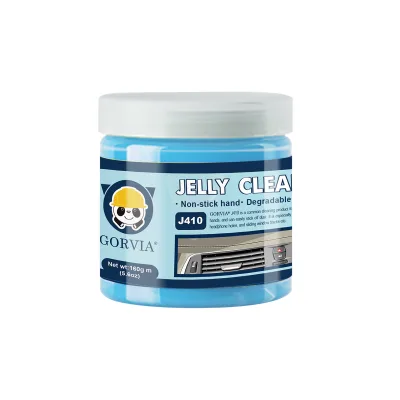

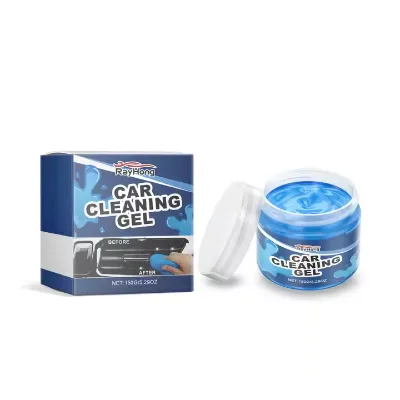
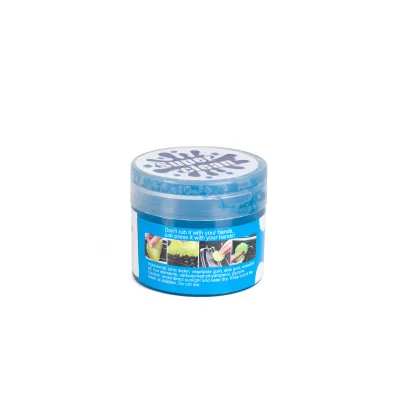

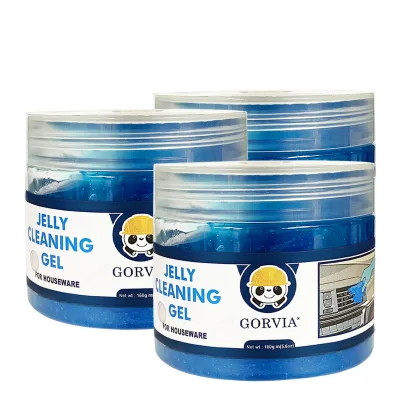
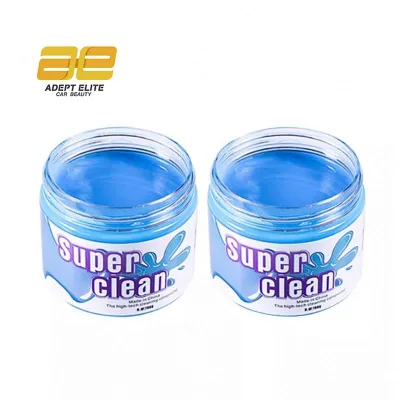
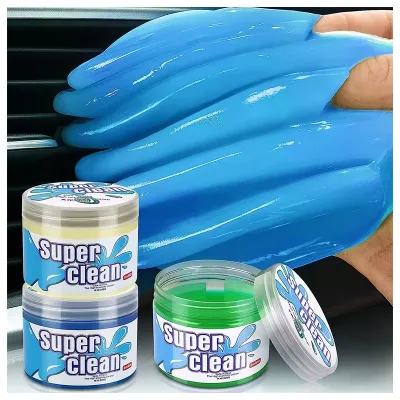


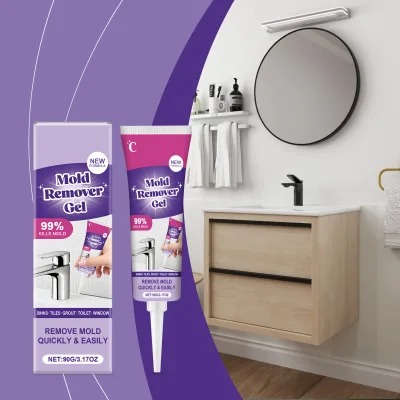
120g Household Mold Remover Gel Mildew Cleaning Agent Remove Tile Wall Stain
$0.50 - $0.65
MOQ: 1000 Pieces


Comprehensive Sourcing Guide
Strategic Sourcing Guide for Corner Dust Cleaning Gel
The global demand for specialized automotive maintenance tools has driven significant innovation in surface cleaning technologies. Among these, Corner Dust Cleaning Gel has emerged as a critical solution for maintaining vehicle interiors and intricate mechanical components. For B2B procurement professionals, sourcing this category requires a nuanced understanding of material science, regulatory compliance, and supply chain logistics. This guide synthesizes available market data and technical attributes to provide a structured approach for evaluating suppliers and selecting the optimal product for bulk procurement.
Technical Specifications and Material Composition
The foundation of a reliable Corner Dust Cleaning Gel lies in its chemical composition and physical properties. Based on current market observations, the primary material base for these products is often silicone or organic silicone. This classification is vital because silicone-based gels offer superior tackiness and non-toxic properties, allowing them to adhere to dust particles without damaging delicate surfaces like leather, plastic, or fabric. The product attributes indicate that the composition is frequently categorized as an inorganic material or organic silicone, suggesting a hybrid approach to ensure stability and adhesion.
A critical technical attribute to verify is the curing mechanism. The observed data points to a "Room Curing" classification, which implies that the product does not require external heat or UV exposure to activate its cleaning properties. This is a distinct advantage for automotive applications where the gel must remain pliable and effective at ambient temperatures. Furthermore, the characteristic of "Weatherability" is essential, ensuring the gel maintains its integrity and cleaning efficacy despite exposure to fluctuating temperatures, humidity, and sunlight within a vehicle environment.
Packaging specifications vary significantly across suppliers, influencing both shelf life and usability. Observed packaging formats include 180g plastic bottles, 80g PP bags, and blister cards. The standard packing configuration often involves 100 pieces per carton, with sub-packaging such as 25 pieces per box. For bulk buyers, the single package size is a logistical consideration; observed dimensions range from compact 7x7x7 cm units to larger 17x11 cm configurations. The net weight per unit typically ranges from 80g to 200g, with some products specifying a single gross weight of 0.3 kg. Buyers must ensure that the selected packaging aligns with their distribution channels and storage capabilities.
Compliance and Certification Verification
In the B2B sector, regulatory compliance is non-negotiable. When sourcing Corner Dust Cleaning Gel, procurement teams must rigorously verify that suppliers possess valid certifications. The market data highlights several key standards that reputable manufacturers should meet. These include RoHS (Restriction of Hazardous Substances) and REACH (Registration, Evaluation, Authorisation and Restriction of Chemicals), which are critical for ensuring the product does not contain restricted hazardous materials. Additionally, ISO certifications, specifically ISO9001 for quality management, are frequently cited as indicators of a supplier's commitment to consistent manufacturing processes.
Beyond general quality standards, specific chemical identifiers are necessary for compliance documentation. Buyers should request the CAS No. (Chemical Abstracts Service) and EINECS (European Inventory of Existing Commercial Chemical Substances) numbers for the active ingredients. Observed data lists CAS No. 9000-30-0 and EINECS 232-536-8, which serve as unique identifiers for the chemical composition. Verifying these numbers against the supplier's Safety Data Sheet (SDS) is essential to confirm the product's chemical identity and safety profile.
Other certifications such as SGS and BSCI (Business Social Compliance Initiative) may also be present, indicating third-party verification of product quality and ethical labor practices. While the presence of these certifications is a strong positive signal, buyers must treat them as observations rather than automatic guarantees. Each supplier's certification status should be validated directly through their documentation to ensure the certificates are current and applicable to the specific product model being procured.
Cost Drivers and Pricing Dynamics
Understanding the cost structure of Corner Dust Cleaning Gel is essential for budgeting and negotiation. The observed price range in the market spans from $0.17 to $2.10 USD per unit. This wide variance is driven by several factors, including the complexity of the formulation, the quality of the silicone used, and the packaging sophistication. Products with advanced features, such as "Deep Cleaning" capabilities or "Self-Cleaning" functions, may command prices at the higher end of this spectrum.
The Minimum Order Quantity (MOQ) is another significant cost driver. The observed MOQ range is extensive, varying from 3 units to 10,000 units. Suppliers with lower MOQs, such as 100 pieces, are often more accessible for smaller businesses or initial market testing. However, larger orders typically benefit from economies of scale, potentially reducing the per-unit cost. Buyers should note that some suppliers list an OEM capacity of 3,000 units, which may influence the pricing structure for custom-branded orders.
Payment terms are another variable in the total cost of ownership. While some suppliers offer fixed terms, others list payment as "Negotiable." This flexibility allows buyers to structure deals that align with their cash flow requirements, potentially leveraging favorable terms for larger commitments. It is crucial to clarify whether the quoted price includes shipping costs or if freight is calculated separately, as this can significantly impact the final landed cost.
Typical Applications and Performance Features
The versatility of Corner Dust Cleaning Gel makes it suitable for a wide array of industrial and commercial applications. The primary use case is automotive cleaning, specifically for removing dust from the crevices of cars. This includes hard-to-reach areas such as air vents, dashboard seams, and door panel gaps. The product's ability to function as a "Deep Cleaning" agent ensures that it can extract embedded dirt that traditional cloths or brushes cannot reach.
Beyond the automotive sector, the application data indicates utility in woodworking, packing, footwear and leather manufacturing, fiber and garment production, construction, and general automobile maintenance. This broad applicability suggests that the gel's adhesive properties are robust enough to handle various surface textures and dust types. The "Eco-friendly" feature observed in some product listings further expands its appeal to environmentally conscious markets, aligning with global sustainability trends.
Performance characteristics such as "Weatherability" and "Stabilizer" composition are critical for ensuring the product performs consistently across different environments. The stabilizer component helps maintain the gel's viscosity and cleaning power over time, preventing it from drying out or becoming too liquid. For buyers targeting the automotive industry, the "Auto Cleaning Putty" classification highlights a specialized formulation designed specifically for vehicle interiors, offering a targeted solution for high-traffic areas prone to dust accumulation.
Supplier Evaluation and Sourcing Strategy
Selecting the right supplier requires a multi-faceted evaluation process. The supply chain data indicates that production origins are primarily located in China, with specific mentions of Zhengjiang and Guangdong provinces. These regions are known for their manufacturing capabilities in silicone and chemical products. However, buyers should not rely solely on the country of origin; instead, they must evaluate the specific factory's capacity and quality control measures.
Key evaluation criteria include the supplier's ability to offer customization and OEM services. The data confirms that customization is available, and OEM is acceptable, with some suppliers specifying an OEM capacity of 3,000 units. This flexibility is crucial for buyers looking to brand the product for their specific market. Additionally, the delivery time is a critical factor; observed lead times indicate a standard of 25 days after payment. Buyers must factor this into their inventory planning to avoid stockouts.
Logistics and shipment methods are also important considerations. Suppliers typically offer shipping via sea, air, or courier services like FedEx and DHL. The choice of shipment method will depend on the urgency of the order and the total volume. For large bulk orders, sea freight is often the most cost-effective option, while air freight or couriers may be necessary for smaller, time-sensitive shipments. Buyers should verify the supplier's experience with international logistics to ensure smooth delivery.
Quality Control and Long-Term Procurement Considerations
Ensuring consistent quality is paramount for long-term procurement success. Buyers should implement a rigorous quality control protocol that includes sampling and testing. The observed expiration date of 12 months is a critical parameter for inventory management; products must be consumed or sold within this timeframe to ensure efficacy. Regular quality audits should verify that the product's physical properties, such as viscosity and tackiness, remain within acceptable ranges throughout the shelf life.
Long-term procurement strategies should also consider the scalability of the supply chain. With an observed product count of 30 distinct listings and a wide range of MOQs, buyers have the flexibility to start with smaller orders and scale up as demand grows. However, maintaining a relationship with a supplier who can consistently meet the 25-day delivery window and adhere to the specified standards is essential. Buyers should also monitor the supplier's adherence to certifications like RoHS, REACH, and ISO9001 to ensure ongoing compliance with evolving regulatory landscapes.
Finally, the standardization of product specifications is vital for maintaining consistency in the supply chain. While models like JG0080GN0A, JG0080PE0A, and JG0100RD1B exist, buyers should ensure that the specific model selected meets all their technical requirements. The standard dimensions, such as 41.5 * 24.5 * 36.5 cm for cartons, should be verified to optimize storage and shipping efficiency. By focusing on these technical and logistical details, buyers can build a resilient and efficient supply chain for Corner Dust Cleaning Gel.
Comparative Analysis of Product Attributes
To facilitate decision-making, the following table summarizes key attributes observed across the market data. This comparison highlights the diversity in packaging, specifications, and certifications available to buyers.
| Attribute Category | Observed Values | Notes for Procurement |
|---|---|---|
| Material Composition | Silicone, Organic Silicone, Inorganic Material | Verify compatibility with target surfaces (leather, plastic). |
| Packaging Format | 180g Bottle, 80g PP Bag, Blister Card, Master Carton | Assess suitability for retail vs. industrial bulk distribution. |
| Certifications | RoHS, REACH, ISO, SGS, BSCI | Mandatory for export to EU/US markets; verify validity. |
| MOQ Range | 3 - 10,000 units | Negotiate based on order volume and customization needs. |
| Delivery Time | 25 Days After Payment | Critical for inventory planning and lead time management. |
| Expiration Date | 12 Months | Plan inventory turnover to prevent product degradation. |
| Origin Locations | Zhengjiang, China; Guangdong, China | Consider logistics costs and regional manufacturing capabilities. |
| Key Features | Weatherability, Deep Cleaning, Self-Cleaning, Eco-friendly | Align features with specific application requirements. |
This structured approach ensures that buyers can navigate the complexities of the Corner Dust Cleaning Gel market with confidence, making informed decisions based on verified data and industry best practices.
FAQs
What material is used for Corner Dust Cleaning Gel?
The gel is primarily made from silicone or organic silicone, classified as an inorganic material. This composition ensures superior tackiness for dust removal without damaging delicate surfaces like leather or plastic.
How long is the shelf life of the product?
The expiration date is typically 12 months from the date of manufacture. Buyers must plan inventory turnover to ensure the gel remains effective and maintains its cleaning properties within this timeframe.
Can suppliers offer customization and OEM services?
Yes, customization is available and OEM orders are acceptable for many manufacturers. Some suppliers specify an OEM capacity of 3000 units, allowing buyers to brand the product for their specific market needs.
What certifications should I verify for compliance?
Reputable suppliers provide RoHS, REACH, ISO9001, SGS, and BSCI certifications. These documents confirm the product meets safety standards and does not contain restricted hazardous substances like lead or mercury.
What is the typical delivery time after payment?
The standard delivery time is 25 days after payment is received. Buyers should factor this lead time into their inventory planning to avoid stockouts and ensure timely availability for their operations.
Which packaging formats are commonly available?
Common packaging includes 180g plastic bottles, 80g PP bags, and blister cards. Bulk orders often come in cartons containing 100 pieces, with sub-packaging options like 25 pieces per box for retail distribution.