Source Corner PVC Pool Scrub Brush for Spas, Family Pools, and Finish Pool Cleaning
Browse 30 listings for the Corner PVC Pool Scrub Brush and compare MOQ, size, material, color options, packaging, and pricing. Listings cover brushes for swimming pools, finish pools, spa pools, and family pool cleaning, with customization and logo options noted where available.
Key considerations
Products List
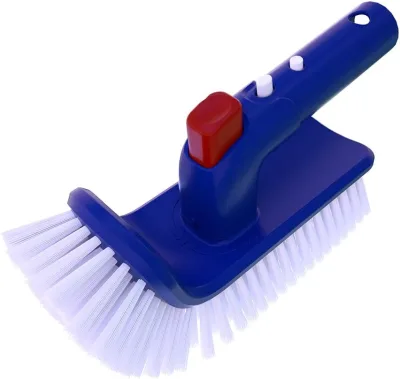
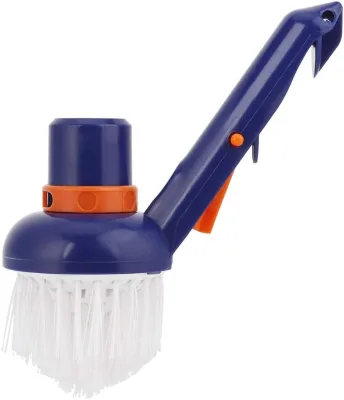
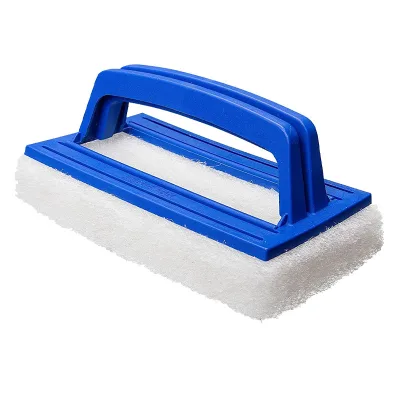
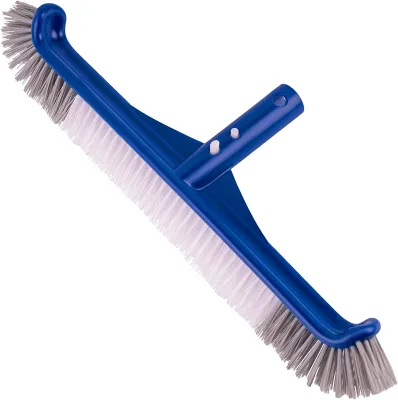


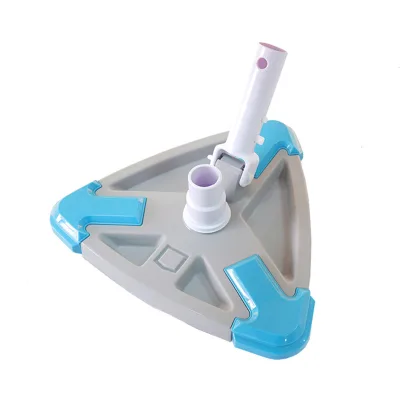


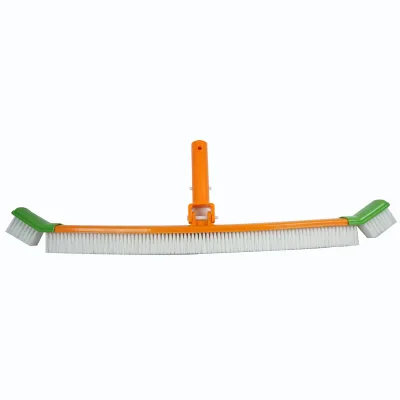
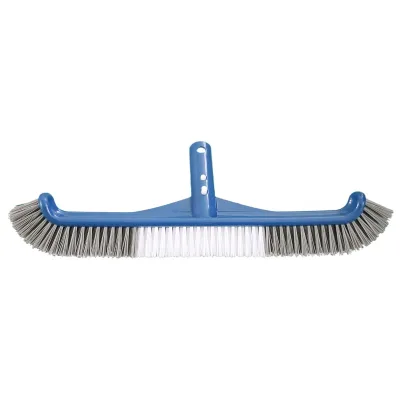
18inch Swimming Pool Cleaning Brush Head Wall Corner Brush with PP Bristle
$2.90 - $3.50
MOQ: 10 Pieces

180 Degree Rotatable Hand Scrub Pool Rotary Brush Corner Pool Rotative Brush
$2.39 - $3.13
MOQ: 10 Pieces


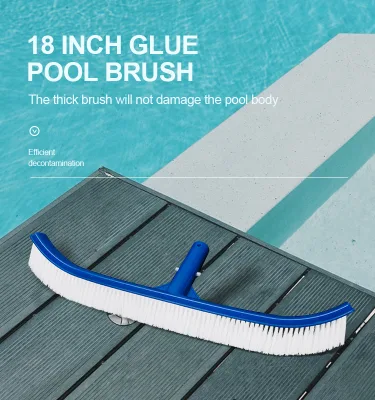
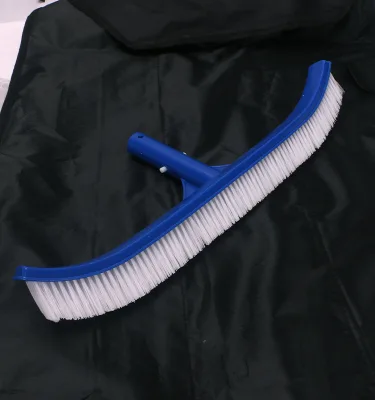
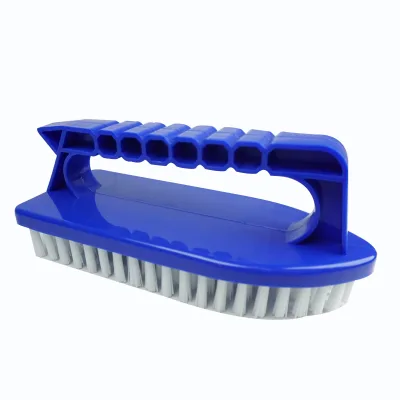
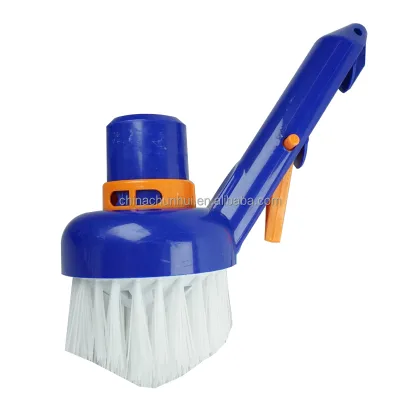
$0.80 - $1.20
MOQ: 100
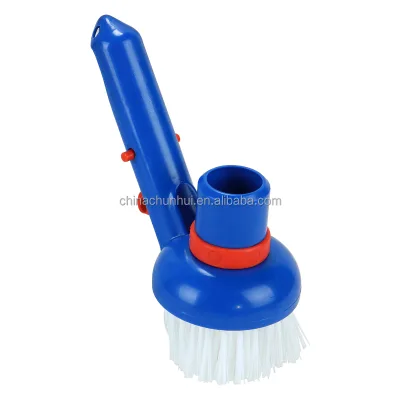
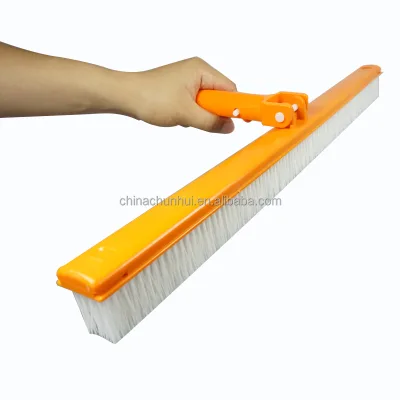

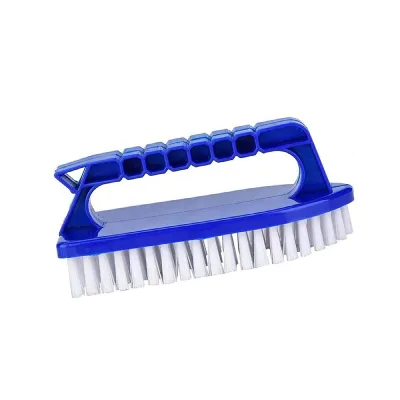
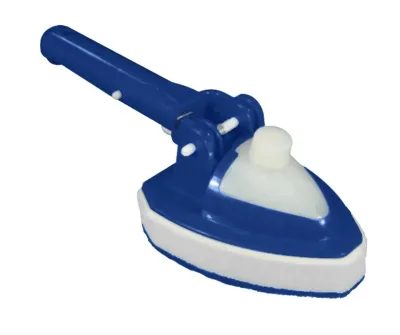
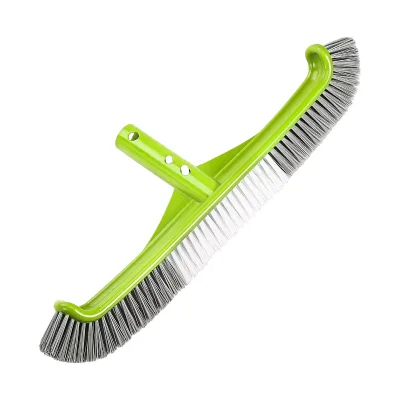
Comprehensive Sourcing Guide
Corner PVC Pool Scrub Brush Sourcing Guide
Sourcing corner-specific cleaning tools for swimming pools requires a nuanced understanding of both material durability and ergonomic design. The Corner PVC Pool Scrub Brush is a specialized category within pool maintenance equipment, designed to address the difficult-to-reach junctions where pool walls meet the floor or where tiles intersect. Unlike standard flat brushes, these tools often feature angled heads, flexible bristles, or compact profiles to navigate tight spaces without scratching delicate surfaces. Buyers must recognize that while the core function remains consistent—removing algae, scale, and debris—the physical implementation varies significantly across suppliers. This guide provides a structured approach to evaluating these products based on observed market signals, technical verification, and commercial realities.
The procurement process for these items is heavily influenced by the manufacturing hubs in Guangdong, China, which dominate the global supply of plastic pool accessories. Suppliers in this region offer a wide range of options, from basic plastic bristle brushes to more complex sponge-integrated cleaning tools. The market exhibits a broad price range, observed between $0.35 and $8.50 USD, reflecting differences in material quality, bristle density, handle length, and packaging sophistication. Understanding this variance is critical for buyers who need to balance cost-efficiency with product longevity. A lower price point may indicate thinner plastic or less dense bristles, which can lead to faster wear and reduced cleaning efficacy, particularly in high-traffic commercial pools.
Product Scope and Observed Listing Signals
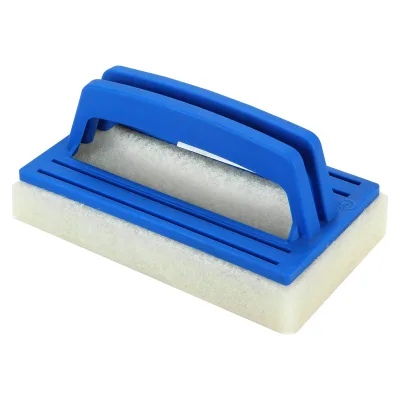
The product landscape for corner scrub brushes includes various configurations, such as standard plastic bristle brushes, sponge brushes, and hybrid cleaning tools. Observed listings indicate that materials primarily consist of plastic, polypropylene (PP), or combinations of plastic and sponge. For instance, some models are identified as "pool plastic brushes" made from PP, while others are described as "sponge brush pool cleaning tools" utilizing a plastic handle with a sponge head. These material distinctions directly impact the brush’s ability to absorb water, hold cleaning solutions, and withstand chemical exposure from pool treatments like chlorine and bromine. Buyers should carefully review the material composition to ensure compatibility with their specific pool surface types, such as vinyl liners, fiberglass, or concrete.
Listing signals also reveal significant variation in product dimensions and model numbers, which serve as key identifiers for inventory management. Common specifications include sizes around 17 to 18 inches, suggesting a standard handle length for ergonomic reach, while other models may be labeled simply as "glue brush" or "sponge brush," indicating specialized applications. The color palette is predominantly white, blue, or combinations thereof, with many suppliers offering customized color options to align with brand identity. Additionally, the presence of OEM/ODM capabilities is a frequent attribute, allowing buyers to request custom logos, packaging, or slight design modifications. This flexibility is particularly valuable for private labelers and large facility managers seeking branded maintenance kits.
Technical Specifications to Verify
When evaluating technical specifications, the model number and physical dimensions are the primary points of verification. Buyers should confirm the exact model number, such as YD-C022, YD-C020, or YD-A5025BU, to ensure consistency in future orders and to cross-reference with supplier catalogs. The size specification is critical for usability; for example, a 17-inch or 18-inch handle provides adequate leverage for scrubbing corners without requiring excessive bending. However, some listings may lack precise dimensional data or use generic terms like "HD" or "HD-b2100" for model identifiers. In such cases, buyers must request detailed drawings or physical samples to verify that the brush head geometry actually fits the corner profiles of their specific pool designs.
Material integrity and bristle or sponge density are equally important technical factors that are not always explicitly detailed in standard listings. While many products are described simply as "plastic" or "PP," the grade of the plastic and the stiffness of the bristles determine the brush’s durability and cleaning power. For sponge-based brushes, the porosity and thickness of the sponge affect its water absorption capacity and resistance to tearing. Buyers should verify the single gross weight and package dimensions, such as 15x10x8 cm for polybag packaging, to calculate shipping costs accurately. Additionally, the accessory type may be listed broadly, such as "sewage suction machine," which is likely a categorization error; buyers must clarify the actual product type to avoid receiving incorrect items.
Compliance and Safety Documentation
Compliance and safety documentation for pool cleaning tools generally focus on material safety and chemical resistance rather than complex regulatory certifications. While some listings may mention CE certification, this is often a low-confidence signal and should not be assumed without direct verification from the supplier. The primary concern is that the plastic and sponge materials do not leach harmful substances into the pool water, especially when exposed to high levels of chlorine and other sanitizers. Buyers should request Material Safety Data Sheets (MSDS) or declarations of conformity to ensure that the products are free from hazardous chemicals like BPA or phthalates, which can degrade over time and affect water quality.
Packaging and labeling compliance is another area requiring attention, particularly for international shipments. Products are typically packaged in cartons or polybags, with specifications such as a single gross weight of 0.060 kg for smaller sponge brushes. Buyers must ensure that the packaging includes clear labeling in the target market’s language, including usage instructions, safety warnings, and material composition. Customized logos and branding are widely accepted, but the placement and durability of these prints must be verified to prevent smudging or peeling during transit and storage. Proper packaging also protects the brushes from damage, ensuring that bristles remain intact and sponge heads do not deform before reaching the end user.
Cost Drivers and Commercial Terms
The cost of corner PVC pool scrub brushes is driven by several factors, including material costs, manufacturing complexity, and order volume. The observed MOQ range of 1 to 504 pieces indicates that suppliers are flexible, but higher volumes often yield better unit prices. For instance, some listings specify an MOQ of 300 or 400 pieces, while others may accept orders as low as 100 pieces. Buyers should negotiate based on their projected annual usage, keeping in mind that the supply ability is typically capped at around 5,000 pieces per month. This capacity constraint may impact lead times for large orders, so aligning purchase schedules with production cycles is essential to avoid stockouts.
Commercial terms such as payment methods and shipping logistics also influence the total cost of ownership. Most suppliers accept T/T (Telegraphic Transfer) as the primary payment term, which is standard for B2B transactions. The port of dispatch is frequently listed as Huangpu, a major shipping hub in Guangdong, which facilitates efficient export logistics. Buyers should factor in freight costs, which can vary based on the weight and volume of the shipment. For example, a carton package containing multiple brushes will have a different volumetric weight than a single polybagged item. Understanding these logistics details helps in calculating the landed cost and comparing quotes from different suppliers accurately.
Supplier Qualification and Quality Control
Supplier qualification for pool cleaning tools should focus on manufacturing capability and quality control processes. Given that the place of origin is predominantly Guangdong, China, buyers should verify the supplier’s production facilities and capacity. The ability to handle OEM/ODM requests is a positive indicator of a supplier’s flexibility and technical competence. Buyers should request samples to assess the build quality, including the strength of the handle-bristle connection and the uniformity of the bristle or sponge material. This hands-on evaluation is crucial for identifying potential defects such as loose bristles, brittle plastic, or uneven sponge cuts that could compromise performance.
Quality control measures should be integrated into the procurement process, particularly for large orders. Buyers should establish clear acceptance criteria based on the product specifications, such as size, color, and material composition. Inspections can be conducted before shipment to ensure that the products meet these standards. Additionally, buyers should verify the supplier’s ability to maintain consistency across batches, as variations in material sourcing or manufacturing processes can lead to inconsistent product quality. Establishing a long-term relationship with a reliable supplier can help mitigate these risks, ensuring a steady supply of high-quality corner scrub brushes for pool maintenance operations.
Long-Term Procurement Checks
Long-term procurement success depends on continuous monitoring of product performance and supplier reliability. Buyers should track the durability of the brushes in real-world applications, noting any issues such as bristle shedding, handle breakage, or sponge degradation. This feedback loop is essential for making informed decisions about future orders and for providing constructive feedback to suppliers. If a particular model consistently underperforms, buyers should consider alternative options or request design improvements from the supplier. Regularly reviewing supplier performance metrics, such as on-time delivery rates and defect rates, helps maintain a high standard of procurement quality.
Adapting to market changes and new product innovations is also vital for long-term procurement strategies. The pool cleaning industry is evolving, with new materials and designs emerging to improve efficiency and user experience. Buyers should stay informed about these developments and be open to adopting new technologies that offer better value. This might include switching to more durable materials or adopting ergonomic designs that reduce user fatigue. By maintaining a proactive approach to procurement, buyers can ensure that their pool maintenance operations remain efficient, cost-effective, and aligned with industry best practices.
FAQs
How do I choose the right size Corner PVC Pool Scrub Brush?
The right size depends on your pool type and cleaning habits. Listed models include 17-inch and 18-inch brushes, which suit standard finished pools and spa pools. Larger brushes cover walls faster, while a narrower corner brush reaches tight angles, steps, and seams. Consider handle compatibility with standard pool poles before ordering.
What materials are commonly used for corner pvc pool scrub brushes?
These brushes are typically made from plastic, with some models using PP and others combining plastic with sponge for softer cleaning. Plastic bristles handle plaster and finished pool surfaces, while sponge brush heads are gentler for delicate areas. Confirm the material of each model with the supplier before placing a bulk order.
Can I order a Corner PVC Pool Scrub Brush with my own logo?
Yes, customized logos are accepted on listed pool brush models, and OEM and ODM services are available. You can usually provide your artwork or branding requirements when requesting a quotation. Custom colors such as blue, white, or other options may also be possible. Minimum order quantities apply for customization, so confirm details with the supplier.
What is the minimum order quantity for pool corner brushes?
Minimum order quantities vary by model, with listed values ranging from 100 pieces to 400 pieces per item. Some pool cleaning tool models list an MOQ of 300 pieces. Lower quantities may be possible for samples or trial orders, though unit pricing is often higher. Always confirm the exact MOQ for the specific model you want.
How are corner pvc pool scrub brushes packaged for shipping?
Packaging varies by model. Some brushes are packed in cartons for bulk shipment, while smaller sponge brush models are packed in polybags with a single package size of about 15 by 10 by 8 cm and a gross weight of roughly 0.06 kg. Carton packaging protects brushes during long-distance transport, and packing details should be confirmed before ordering.
What payment terms are available when sourcing pool brushes from China?
T/T payment is listed for these pool brush products, which is a common arrangement for B2B orders from Guangdong, China. Typical T/T terms involve a deposit before production and the balance before shipment. Some suppliers may accept other terms for established buyers. Confirm the deposit percentage and payment schedule directly with the supplier in your inquiry.
Which pool surfaces is a Corner PVC Pool Scrub Brush suitable for?
These brushes are designed for swimming pools, finish pools, and spa pools, and some models are also used for family pools. Plastic bristle brushes work well on plaster and finished surfaces for removing algae and dirt along corners, steps, and waterlines. For delicate surfaces such as vinyl liners, ask about softer bristle or sponge options to avoid scratching.
Can suppliers support large monthly orders of pool cleaning brushes?
Yes, one listed manufacturer states a supply ability of 5000 pieces per month for pool brushes. For larger or recurring orders, ask the supplier to confirm current capacity, production lead time, and whether capacity can scale for peak season. Reviewing monthly output alongside MOQ and customization requirements helps you match a supplier to your order volume.