Source Cosmetic Packaging Bamboo Mist Sprayer for skincare, hair, and home care
Compare 30 Cosmetic Packaging Bamboo Mist Sprayer options from verified suppliers. Evaluate materials like metal and plastic, customization features, and pricing to find the right solution for personal care applications.
Key considerations
Products List

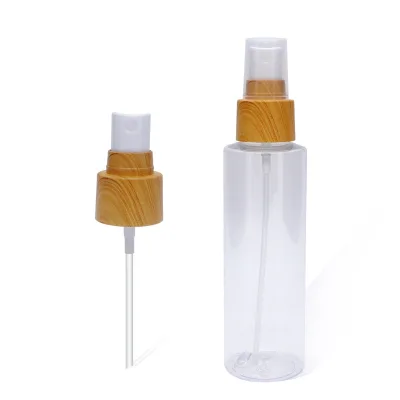
Bamboo Cosmetic Packaging Bamboo Wooden Spray Pump Cosmetic Find Mist Spray
$2.20 - $2.80
MOQ: 500 Pieces


Cosmetic Aluminum Bottles with Bamboo Sprayer Pump Mist Sprayer and Lotion Sprayer
$0.30 - $1.00
MOQ: 1000 Pieces


Cosmetics Packaging Standard Fine Mist Sprayer Face Spray Body Mist Pump Sprayer
$0.03 - $0.05
MOQ: 20000 Pieces

Cosmetic Packaging Mist Sprayer for Perfume Bottle with Aluminum Collar
$0.09 - $0.10
MOQ: 30000 Pieces


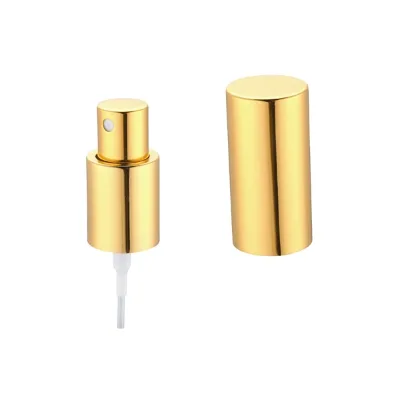
Perfume Atomizer Aluminium Cosmetic Pump Sprayer Fine Mist Sprays Pump
$0.08 - $0.08
MOQ: 10000 Pieces

Comprehensive Sourcing Guide
Strategic Sourcing Guide for Cosmetic Packaging Bamboo Mist Sprayers
The global demand for sustainable cosmetic packaging has elevated the profile of bamboo-based mist sprayers, positioning them as a premium alternative to traditional plastic and glass solutions. For procurement professionals, sourcing these items requires a nuanced understanding of material science, supply chain logistics, and regulatory compliance. While the core keyword suggests a specific material composition, the reality of the market involves a complex interplay of bamboo fibers, plastic components, and metal hardware. This guide provides a structured approach to navigating the procurement landscape, ensuring that buyers can identify suppliers who meet both aesthetic and functional requirements without compromising on quality or ethical standards.
Understanding Material Composition and Structural Integrity
When evaluating bamboo mist sprayers, it is critical to distinguish between the structural shell and the functional dispensing mechanism. The primary material for the body is often a composite of bamboo fibers and binding resins, or solid bamboo treated for durability. However, the supplied data indicates a diverse range of materials in the broader cosmetic packaging sector, including metal, PP (polypropylene), and general plastics. A high-quality bamboo sprayer typically integrates a metal pump mechanism for reliability, as metal offers superior corrosion resistance compared to plastic alternatives.
The shape of the vessel is a key design variable. While the ideal aesthetic for bamboo packaging often leans toward natural, organic forms, the market data shows that "Round" and "Sector" shapes are common, alongside specialized forms like "Hollow Cone." Buyers must verify that the bamboo material can be molded or pressed into these specific geometries without compromising the structural integrity of the vessel. The "Jar" bottleneck specification mentioned in the data suggests that some suppliers may offer bamboo bodies with jar-style openings, which requires a specific type of closure or pump adapter.
Furthermore, the surface handling process is vital for the final appearance. "Screen Printing" is a noted technique in the supply chain, allowing for brand logos and instructional text to be applied directly to the bamboo surface. This process must be compatible with the porous nature of bamboo to ensure ink adhesion and longevity. Buyers should request samples to verify that the screen printing does not obscure the natural grain of the bamboo or cause peeling during shipping and handling.
Technical Specifications and Customization Capabilities
Customization is a primary driver for cosmetic packaging procurement. The data confirms that "Customization" is widely available, with options for "Customized" colors and designs. This flexibility allows brands to align packaging with their specific identity, moving beyond the natural bamboo hue to include "Color" variations that match brand palettes. The "Design" attribute is explicitly listed as "Costomed" (Customized), indicating that mold modifications are possible, though this will impact the Minimum Order Quantity (MOQ).
Volume is another critical technical specification. The observed range for bottle capacity spans from "100-500 Ml," with specific standards like "300ML" and "20/410" or "24/410&28/410" neck sizes. The "20/410" and "28/410" refer to the thread diameter and pitch, which are industry standards for compatibility with various pump heads. Buyers must ensure that the selected bamboo sprayer matches the intended pump mechanism, as a mismatch can lead to leakage or dispensing failures.
The "Sealing Type" is predominantly listed as "Pump Sprayer," which is essential for mist applications. The closure mechanism often involves an "Al" (Aluminum) component, which provides a secure seal and a premium feel. However, the data also lists "PP" and "Plastic" as materials, suggesting that some components of the sprayer, such as the collar or the pump stem, may be plastic. It is imperative to verify the material composition of each component to ensure that the final product meets the sustainability goals of the brand.
Compliance, Certification, and Environmental Claims
Sustainability is the cornerstone of the bamboo packaging value proposition. The data highlights several features such as "Disposable," "Degradable," and "Recyclable." While these terms are attractive, buyers must exercise caution and demand evidence. The presence of "CE" and "ISO" certifications in the supply chain indicates that some suppliers adhere to European safety standards and international quality management systems. Specifically, "ISO" and "CE" are listed as certifications, which are essential for exporting to the European market.
However, the data also includes low-confidence background standards like "ISO 9001" and "ASTM G21," which should not be assumed without verification. "ASTM G21" relates to resistance to fungi, which is relevant for bamboo products prone to mold in humid environments. Buyers should request test reports to confirm that the bamboo has been treated to resist microbial growth, ensuring the product remains safe for cosmetic use over its shelf life.
The "Feature" list includes "Recyclable," but the presence of mixed materials (bamboo, metal, plastic) complicates the recycling process. A true "Degradable" claim requires the product to break down under specific conditions, which may not be met if the sprayer contains significant non-organic components. Procurement teams should ask suppliers for third-party verification of these claims, such as biodegradability test results from recognized laboratories, rather than relying solely on marketing assertions.
Cost Drivers and Minimum Order Quantity Analysis
The cost structure of bamboo mist sprayers is influenced by several factors, including material sourcing, customization complexity, and order volume. The observed price range in the market is "0.02-2.8" USD, a wide spectrum that reflects the difference between basic, unbranded units and highly customized, premium designs. The "MOQ" (Minimum Order Quantity) varies significantly, ranging from "10" to "50000" units. This variance suggests that some suppliers cater to small startups with low MOQs, while others require large-scale commitments typical of established brands.
Specific data points indicate MOQs of "30000PCS," "10K," and "10000PCS." These thresholds are critical for budget planning. Higher customization levels, such as unique shapes or specific screen printing, often push the MOQ higher. The "Daily Capactity" of suppliers, ranging from "50000PCS" to "150000PCS," provides insight into their ability to scale production. A supplier with a daily capacity of "150000PCS" can likely fulfill large orders more quickly than one with "50000PCS," but this does not guarantee lower unit costs.
Lead times are another cost driver. The observed delivery windows are "20~35day" and "20-25days." These timelines must be factored into the overall supply chain schedule, especially for seasonal product launches. The "Samples" are often "Free," which is a positive indicator for the supplier's confidence in their product, but buyers should clarify if shipping costs for samples are covered.
Supplier Evaluation and Production Capacity
Evaluating suppliers requires a holistic view of their operational capabilities and geographic location. The data indicates origins in "Cn" (China), with specific locations like "Zhengjiang" and "Yuyao." These regions are known for their manufacturing clusters, but buyers should verify the specific factory's reputation and capacity. The "prod_packing" options include "Standard Export Package," "Export Cartons," "OPP Bag," and "Export Standard Carton." The choice of packaging affects the product's protection during transit and the final presentation to the end consumer.
The "Shape" and "Design" attributes suggest that suppliers have varying levels of design flexibility. A supplier offering "Sector" or "Hollow Cone" shapes demonstrates a higher level of manufacturing precision. Buyers should assess the supplier's ability to maintain consistency across large batches, especially when dealing with natural materials like bamboo which can have inherent variations in grain and texture.
Quality control processes are essential to mitigate risks. The "Surface Handling" of "Screen Printing" requires precise registration and color matching. Buyers should request a pre-production sample to verify that the printing quality meets their standards before authorizing mass production. Additionally, the "Feature" of "Disposable" or "Recyclable" should be validated through physical inspection to ensure that the product can be easily separated or disposed of as claimed.
Long-Term Procurement and Sustainability Integration
For long-term success, buyers must integrate bamboo mist sprayers into a broader sustainability strategy. The "Feature" list includes "Degradable" and "Recyclable," but the actual environmental impact depends on the end-of-life scenario. Buyers should consider the entire lifecycle of the product, from raw material sourcing to disposal. The "Standard Export Package" and "Export Cartons" help minimize waste during shipping, but the internal packaging (e.g., "OPP Bag") may be less eco-friendly.
The "Application" is listed as "Personal Care," which aligns with the cosmetic industry's shift toward green packaging. However, the "Material" mix of bamboo, metal, and plastic requires careful sorting at the recycling stage. Buyers should engage with suppliers who are transparent about their material composition and are willing to collaborate on improving the recyclability of their products.
Finally, the "Delivery Time" and "Lead Time" must be managed to avoid supply chain disruptions. A supplier with a "Daily Capactity" of "100000PCS" or higher offers more stability, but buyers should maintain a diversified supplier base to mitigate risks. Regular audits and performance reviews are necessary to ensure that the supplier continues to meet quality and sustainability standards over time. By focusing on these long-term considerations, buyers can build a resilient and responsible supply chain for cosmetic packaging.
Comparative Analysis of Packaging Specifications
To assist in decision-making, the following table summarizes key specifications observed in the market data, highlighting the variability in options available to buyers.
| Specification Category | Observed Options | Procurement Consideration |
|---|---|---|
| Material | Bamboo, Metal, PP, Plastic | Verify component mix for sustainability claims. |
| Volume | 100-500 Ml, 300ML Standard | Match pump mechanism to bottle capacity. |
| Shape | Round, Sector, Hollow Cone | Ensure mold availability for unique designs. |
| Closure | Jar, Al (Aluminum) | Check compatibility with pump sprayers. |
| MOQ | 10 - 50,000 PCS | Align with budget and inventory needs. |
| Lead Time | 20-35 Days | Plan production schedules accordingly. |
| Certification | CE, ISO | Verify specific standards for target markets. |
| Packing | Export Carton, OPP Bag | Assess protection and eco-friendliness. |
This comparative view underscores the importance of detailed specification matching. Buyers must carefully select options that align with their brand identity, regulatory requirements, and logistical capabilities. By adhering to these guidelines, procurement professionals can effectively source high-quality bamboo mist sprayers that meet the demands of the modern cosmetic market.
FAQs
What materials are used for cosmetic packaging bamboo mist sprayers?
Materials include metal, PP, and plastic components alongside bamboo. The sprayer body often uses bamboo fibers, while the pump mechanism typically features metal for durability and corrosion resistance.
Which certifications are available for these cosmetic packaging bamboo mist sprayers?
Available certifications include CE and ISO standards. These verify compliance with European safety requirements and international quality management systems for export to regulated markets.
How much is the minimum order quantity for cosmetic packaging bamboo mist sprayers?
Minimum order quantities range from 10,000 to 30,000 pieces depending on the supplier. Specific listings show thresholds of 10K, 10,000PCS, and 30,000PCS for standard production runs.
Can I get free samples for cosmetic packaging bamboo mist sprayers?
Free samples are often available from suppliers to verify product quality. Buyers should confirm if shipping costs are covered when requesting these samples for evaluation purposes.
What is the lead time for Cosmetic Packaging Bamboo Mist Sprayer production?
Production lead times typically range from 20 to 35 days. Some suppliers offer faster windows of 20 to 25 days depending on order volume and customization requirements.
Which shapes are available for cosmetic packaging bamboo mist sprayers?
Common shapes include round, sector, and hollow cone designs. Suppliers offer these geometries to match specific aesthetic requirements while maintaining structural integrity for the packaging.
How is the surface handled for cosmetic packaging bamboo mist sprayers?
Screen printing is the primary surface handling method used for branding. This technique allows for logo application on the bamboo surface, though ink adhesion must be verified.