Source Cosmetic Lotion Plastic Pump for Cosmetics, Personal Care, Medicine
Find 30 Cosmetic Lotion Plastic Pump options with varying discharge rates, sizes, and customization features. Buyers can compare models like UB207-03 and A-34 for applications in cosmetics, personal care, and medicine.
Key considerations
Products List


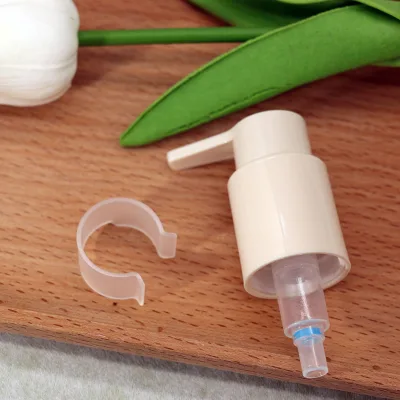


Comprehensive Sourcing Guide
Strategic Sourcing Guide for Cosmetic Lotion Plastic Pumps
Selecting the right dispensing mechanism is a critical decision in the cosmetic packaging supply chain. The Cosmetic Lotion Plastic Pump serves as the functional interface between the product and the consumer, directly influencing brand perception, product integrity, and user experience. For procurement professionals, navigating the vast landscape of suppliers requires a disciplined approach that prioritizes technical compatibility, regulatory compliance, and supply chain reliability over marketing claims. This guide outlines the essential factors for sourcing these components, grounded in observable industry data and verified product attributes.
Technical Specifications and Functional Compatibility
The primary technical consideration when sourcing a Cosmetic Lotion Plastic Pump is the compatibility between the pump's mechanical output and the formulation's rheology. The discharge rate is a fundamental specification that determines the volume of product dispensed per actuation. Market observations indicate that discharge rates vary significantly depending on the pump design and intended application. For instance, specific models in the current supply landscape demonstrate discharge rates ranging from approximately 1.19 ml/T ± 0.01 ml to 4.0 ml/T. A lower discharge rate, such as 1.9 ± 0.2 ml/T, is often associated with premium or concentrated formulations where controlled dispensing is preferred, while higher rates may suit body lotions or high-volume applications.
The standardization of the pump neck is equally critical to ensure a secure fit on the bottle. The industry utilizes specific thread standards to guarantee compatibility. Verified data points to common standard configurations including 28/410, 30/400, 30/410, and 33/410. Some specialized models may also adhere to 24/415 R/S or 28/410 R/S standards. Procurement teams must verify that the selected pump's standard matches the bottle's neck finish precisely. Mismatches can lead to leakage, poor aesthetics, or mechanical failure during the filling process. Additionally, the physical dimensions of the pump, such as the standard neck diameter of 18mm or overall package dimensions like 57.00cm * 32.00cm * 38.00cm for bulk shipping, must be accounted for in logistics planning.
The material composition of the pump components dictates durability and chemical resistance. The primary body of the pump is typically constructed from Polypropylene (PP), a material chosen for its chemical stability and cost-effectiveness. The internal spring mechanism is almost universally made of metal, providing the necessary tension for the actuation cycle. Buyers should verify that the specific metal alloy used is corrosion-resistant, especially for products containing high concentrations of salts or active ingredients. The shape of the pump head, whether oval, sector, or standard, also plays a role in the ergonomic experience and the visual identity of the brand.
Compliance, Certification, and Regulatory Standards
In the cosmetics industry, regulatory compliance is non-negotiable. Sourcing teams must rigorously verify that suppliers can provide documentation confirming adherence to relevant international standards. High-confidence data indicates that many suppliers in the sector hold ISO certifications, which serve as a baseline for quality management systems. Some suppliers may also possess CE certification, indicating compliance with European health, safety, and environmental protection standards. While background knowledge suggests the existence of REACH compliance or ISO 9001 standards, buyers should not assume these apply to every listed product without explicit verification from the supplier.
The environmental profile of the pump is increasingly becoming a compliance factor in its own right. A significant portion of the market offers pumps with features labeled as "Recyclable" or "Degradable." These attributes are not merely marketing terms but reflect specific material formulations and design choices that align with evolving sustainability mandates. Buyers should request specific data on the recyclability of the PP body and the metal spring, as well as the feasibility of separating these components for recycling. The presence of "Disposable" features in certain models suggests a specific use case, perhaps for single-use travel sizes or sanitary applications, which must be distinguished from durable, reusable pump designs.
Cost Drivers and Minimum Order Quantities
Understanding the cost structure of cosmetic lotion plastic pumps is essential for budgeting and negotiation. The observed price range for these components in the current market spans from $0.01 to $0.34 USD per unit. This wide variance is driven by several factors, including the complexity of the mold, the quality of the materials, the level of customization, and the order volume. Simple, standard models with minimal customization will naturally fall at the lower end of this spectrum, while custom-colored, branded, or specialized discharge rate pumps will command higher prices.
Minimum Order Quantity (MOQ) is a significant constraint in the procurement of these items. Data indicates that typical MOQs range from 1,000 to 50,000 units, with a high-confidence observation of 10,000 units being a common threshold. For buyers with smaller volume requirements, this can present a challenge, necessitating a search for suppliers with flexible MOQ policies or the consolidation of orders across different product lines. Furthermore, color customization often carries a higher MOQ, with some suppliers requiring 20,000 units for custom color runs. This is due to the setup costs associated with changing dye batches and cleaning production lines. Buyers must factor these volume constraints into their financial planning to avoid unexpected costs or inventory stagnation.
Typical Applications and Product Segmentation
Cosmetic lotion plastic pumps are versatile and serve a broad spectrum of applications across the personal care and pharmaceutical industries. The specific type of pump selected often correlates with the viscosity of the product being dispensed. For example, "Lotion Pumps" are generally designed for liquid to semi-liquid formulations, offering a smooth flow suitable for body lotions, shampoos, and liquid soaps. In contrast, "Cream Pumps" are engineered to handle thicker, more viscous formulations such as face creams, moisturizers, and heavy conditioners. These pumps often feature different internal mechanisms to ensure the product is dispensed effectively without requiring excessive force from the user.
Beyond standard cosmetics, these pumps are also utilized in the dispensing of medicines, chemicals, and other personal care products. The versatility is further enhanced by the availability of various nozzle types, including long and short nozzles, which allow for precise application in different packaging geometries. The sealing type, often a pump sprayer mechanism, ensures that the product remains protected from external contaminants and evaporation. When sourcing, buyers should clearly define the intended usage scenario, as this will dictate the necessary discharge rate, nozzle length, and sealing performance.
Supplier Evaluation and Customization Capabilities
Evaluating potential suppliers requires a deep dive into their customization capabilities and operational transparency. The market offers a high degree of customization, with suppliers accepting requests for specific sizes, logos, packaging, closures, and caps. This flexibility allows brands to differentiate their products in a crowded marketplace. However, the extent of customization is often tied to the MOQ and lead time. Suppliers may offer "Custom Service" options that include tailored packaging solutions, such as bulk packing or plastic bag plus carton configurations, to suit different logistical needs.
When assessing a supplier, buyers should look for evidence of a robust quality control process and a clear understanding of the product standards. The origin of the products is a relevant factor, with many suppliers based in China, specifically in regions like Ningbo, which is a known hub for packaging manufacturing. Buyers should verify the production location to understand the logistics implications, including shipping times and potential tariffs. Additionally, the availability of a "Treatment Pump" or specific model numbers like UB207-03 or A-34 indicates a mature product line with established manufacturing processes.
Quality Control and Long-Term Procurement Considerations
Quality control is the final barrier between a defective component and a failed product launch. Buyers must implement rigorous testing protocols to verify the performance of the pumps before full-scale production. Key performance indicators include the discharge rate consistency, the seal integrity to prevent leakage, and the durability of the actuation mechanism over repeated cycles. The "Anti-Leaking Design" feature is a critical quality attribute that must be validated through actual testing, not just relied upon as a supplier claim.
Long-term procurement considerations involve building a resilient supply chain. Lead times are a critical variable, with typical delivery times observed at around 25 days. Buyers should account for this duration in their production schedules and maintain safety stock to mitigate the risk of supply disruptions. The standardization of the product, such as adherence to specific thread standards and material specifications, ensures that replacement orders can be fulfilled seamlessly in the future. Furthermore, the "Standard Package" and "Carton" packing methods should be evaluated for their ability to protect the pumps during transit, especially for international shipments.
Summary of Key Specifications and Standards
To facilitate quick reference during the sourcing process, the following table summarizes the key technical and operational attributes observed in the current market for cosmetic lotion plastic pumps.
| Attribute Category | Specific Observation / Range | Verification Requirement |
|---|---|---|
| Material | PP (Body), Metal (Spring) | Verify chemical resistance of materials. |
| Standard Threads | 28/410, 30/400, 30/410, 33/410, 24/415 R/S | Match exactly to bottle neck finish. |
| Discharge Rate | 1.19 ml/T ± 0.01 ml to 4.0 ml/T | Test for consistency with formulation. |
| Certifications | ISO, CE (Verify per supplier) | Request valid certificates of compliance. |
| MOQ | 1,000 to 50,000 units (Common: 10,000) | Confirm color MOQ (often 20,000). |
| Lead Time | Approx. 25 days | Plan production schedules accordingly. |
| Features | Recyclable, Disposable, Anti-Leaking | Validate claims through testing. |
| Origin | China (e.g., Ningbo) | Assess logistics and tariff implications. |
By adhering to these structured guidelines, procurement professionals can navigate the complexities of sourcing cosmetic lotion plastic pumps with confidence. The focus must remain on verified data, rigorous quality checks, and a clear understanding of the technical requirements to ensure a successful partnership with suppliers and a high-quality final product for the consumer.
FAQs
What materials are used in cosmetic lotion plastic pumps?
The pump body is typically made of Polypropylene (PP) while the internal spring is constructed from metal. This combination ensures chemical stability and the necessary tension for actuation cycles in various cosmetic formulations.
Which thread standards are compatible with these pumps?
Common thread standards include 28/410, 30/400, 30/410, and 33/410, with some models supporting 24/415 R/S. Buyers must verify that the selected pump standard matches the bottle neck finish precisely to prevent leakage.
How does the discharge rate vary across different pump models?
Discharge rates range from approximately 1.19 ml/T to 4.0 ml/T depending on the specific design. Lower rates suit concentrated formulations, while higher rates are often used for body lotions or high-volume applications.
What certifications do suppliers typically hold for these products?
Many suppliers hold ISO certifications as a baseline for quality management, and some possess CE certification for European compliance. Buyers should request valid certificates for each specific product rather than assuming general standards apply.
Can I customize the size and logo of the pump?
Yes, suppliers offer customization for size, logo, packaging, closures, and caps. However, custom color runs often require a higher Minimum Order Quantity, typically around 20,000 units, due to production setup costs.
What is the typical lead time for delivery?
The standard delivery time is approximately 25 days from order confirmation. Procurement teams should account for this duration in their production schedules to avoid supply disruptions during critical launch periods.