Source Cosmetic Raw Material Myristic Acid for Soap, Creams, and Lubricants
Find and compare 30 listings for Cosmetic Raw Material Myristic Acid from verified Chinese suppliers. Evaluate options based on purity levels, packaging formats, and delivery timelines to identify the best fit for your manufacturing needs.
Key considerations
Products List




Comprehensive Sourcing Guide
Cosmetic Raw Material Myristic Acid Sourcing Guide
Myristic acid, chemically known as tetradecanoic acid, is a saturated fatty acid widely utilized in the formulation of cosmetics, detergents, and pharmaceutical intermediates. Sourcing this raw material requires a disciplined approach to verifying chemical identity, purity, and physical state, as market listings often present conflicting data regarding appearance and origin. Buyers must navigate a landscape where the same CAS number (544-63-8) and molecular formula (C14H28O2) are associated with varying product grades, packaging formats, and supplier claims. This guide provides a structured framework for evaluating suppliers and ensuring that the procured material meets specific technical and regulatory requirements for cosmetic applications.
The procurement process for myristic acid is characterized by significant variability in observed product attributes, including appearance, color, and physical form. While the substance is fundamentally a fatty acid derived from hydrolysis processes, listings may describe it as a liquid, a white powder, or a refined solid. These discrepancies are not merely cosmetic; they reflect different processing stages, purity levels, or storage conditions that directly impact formulation performance. Consequently, buyers must treat observed attributes as data points to be verified rather than guaranteed specifications, ensuring that the physical state of the incoming material aligns with the technical needs of the final cosmetic product.
Product Scope and Observed Listing Signals
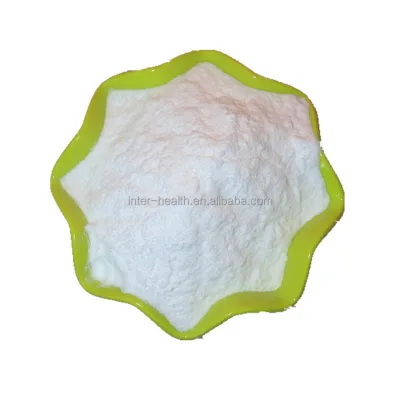
The market for myristic acid presents a diverse array of product listings that vary significantly in their described physical characteristics and packaging options. Observed data indicates that suppliers may list the product as a transparent liquid, a white powder, or a refined solid, with colors ranging from transparent to white. These variations suggest that the material is available in multiple forms, potentially corresponding to different melting points or processing methods. For instance, some listings specify a melting point range of 52-54 °C, which is consistent with the solid fatty acid form, while others describe it as a liquid, possibly indicating a heated state or a different grade. Buyers must carefully cross-reference these physical descriptions with their specific formulation requirements to avoid receiving material that does not match their processing equipment or stability needs.
Packaging and origin data further complicate the sourcing landscape, with suppliers offering a wide range of container sizes and geographic origins. Common packaging formats include 1kg bags, 25kg drums, and paper bags, with some suppliers offering custom packaging solutions to meet specific logistical needs. The observed price range spans from $0.8 to $3500, reflecting the vast difference between small-scale sample orders and bulk industrial shipments. Similarly, the minimum order quantity (MOQ) ranges from 1kg to 5000kg, allowing for flexibility in initial testing versus large-scale production runs. Geographic origins are primarily listed as Jiangsu, Shaanxi, and Shandong in China, indicating a concentrated supply base in specific industrial regions. Buyers should consider these logistical factors when evaluating total landed costs and supply chain resilience.
Technical Specifications to Verify
Verifying the chemical identity and purity of myristic acid is the most critical step in the sourcing process, as these parameters directly determine the material's suitability for cosmetic applications. The core chemical identifier is CAS 544-63-8, with a molecular formula of C14H28O2 and a molecular weight of approximately 294.49 g/mol. However, discrepancies in reported molecular weights, such as values of 228.37, have been observed in some listings, which may indicate errors in data entry or the presence of different chemical entities. Buyers must insist on accurate molecular weight data and verify the EINECS number (208-875-2) to ensure the product is indeed myristic acid and not a related fatty acid or derivative. Purity claims of 99% or 99% minimum are common, but these must be supported by independent laboratory analysis to confirm the absence of impurities that could affect product stability or safety.
Physical and chemical properties must also be rigorously verified to ensure compatibility with manufacturing processes. Key parameters include the melting point, which is typically cited as 52-54 °C, and the density, which may be reported around 0.862 g/cm³. The product is classified as a polybasic acid and a fatty acid, with a carboxyl group that influences its reactivity and solubility characteristics. Storage conditions are critical, with recommendations to keep the material in a cool, dry place to maintain stability and prevent degradation. Buyers should request detailed technical data sheets that include these physical constants and verify that the material's shelf life, often stated as two years, is consistent with the production date and storage conditions during transit.
Compliance and Safety Documentation
Compliance with international standards and safety regulations is non-negotiable for cosmetic raw materials, and buyers must ensure that suppliers provide comprehensive documentation. The presence of ISO 9001 certification indicates that the supplier has implemented a quality management system, but this does not automatically guarantee that the specific batch of myristic acid meets cosmetic-grade purity standards. Buyers should request additional certifications, such as Kosher, Halal, or REACH registration, depending on the target market and specific regulatory requirements. It is essential to verify that the supplier can provide a Certificate of Analysis (CoA) for each batch, detailing the results of tests for heavy metals, residual solvents, and microbial contamination.
Safety data sheets (SDS) must be reviewed to understand the handling, storage, and disposal requirements for myristic acid. The material is generally considered safe for use in cosmetics, but proper handling procedures are necessary to prevent exposure to dust or vapors, especially in powder form. Buyers should ensure that the supplier provides an up-to-date SDS that complies with local regulations, such as OSHA in the United States or CLP in the European Union. Additionally, buyers should verify that the supplier has a robust quality control process that includes testing methods such as HPLC and UV analysis, which are commonly used to determine the purity and identity of fatty acids.
Cost Drivers and Commercial Terms
The cost of myristic acid is influenced by several factors, including purity, packaging, order volume, and geographic origin. The observed price range of $0.8 to $3500 reflects the significant variation between small sample orders and bulk industrial purchases. Buyers should negotiate pricing based on volume discounts, as larger orders typically result in lower per-unit costs. Packaging costs also play a role, with options ranging from simple paper bags to more expensive 25kg drums or custom packaging solutions. Buyers should consider the total cost of ownership, including shipping, insurance, and customs duties, when evaluating supplier quotes.
Commercial terms such as lead time and payment terms are critical components of the procurement strategy. Observed lead times range from 3-5 days for small orders to longer periods for bulk shipments, depending on supplier capacity and inventory levels. Buyers should establish clear agreements on delivery schedules and penalties for delays to ensure supply chain continuity. Payment terms may vary, with options including prepayment, letter of credit, or open account, depending on the buyer-supplier relationship and risk assessment. Buyers should also clarify the return and refund policies for non-conforming products to mitigate financial risk.
Supplier Qualification and Quality Control
Supplier qualification is a multi-step process that involves evaluating the supplier's manufacturing capabilities, quality control systems, and track record. Buyers should conduct on-site audits or request third-party audit reports to verify the supplier's production facilities and quality management practices. It is essential to confirm that the supplier has the necessary equipment and expertise to produce myristic acid to the required specifications. Buyers should also assess the supplier's ability to provide consistent quality over time, as variations in raw materials or processing conditions can affect the final product's performance.
Quality control measures should be established through clear agreements on testing protocols and acceptance criteria. Buyers should require that the supplier performs routine tests on incoming raw materials and finished products to ensure consistency. Independent laboratory testing of received batches is also recommended to verify the supplier's claims. Buyers should establish a feedback loop with the supplier to address any quality issues promptly and implement corrective actions. Regular communication and collaboration with the supplier can help build a strong partnership and ensure long-term supply stability.
Long-Term Procurement Checks
Long-term procurement success depends on continuous monitoring of supplier performance and market trends. Buyers should establish key performance indicators (KPIs) to track supplier reliability, quality, and responsiveness. Regular reviews of supplier performance data can help identify potential issues early and allow for proactive management. Buyers should also stay informed about changes in regulatory requirements and market conditions that may affect the supply of myristic acid. This includes monitoring developments in sustainability and ethical sourcing practices, which are increasingly important in the cosmetic industry.
Building a diversified supplier base is a key strategy for mitigating supply chain risks. Buyers should identify and qualify alternative suppliers to ensure continuity of supply in case of disruptions. Regularly reviewing and updating the supplier qualification process can help maintain a high standard of quality and reliability. Buyers should also consider investing in long-term contracts with key suppliers to secure favorable pricing and priority access to inventory. By implementing these long-term procurement checks, buyers can ensure a stable and cost-effective supply of myristic acid for their cosmetic manufacturing operations.
FAQs
What is the purity level of Cosmetic Raw Material Myristic Acid?
The purity level is 99% minimum as specified in the product details. This grade is suitable for cosmetic and detergent applications, ensuring high quality for industrial and pharmaceutical intermediate uses.
How is Cosmetic Raw Material Myristic Acid packaged for shipment?
It is available in 1kg bags or 25kg drums depending on order size. Some listings also mention paper bags for smaller quantities, providing flexible options for different procurement needs.
Can I get samples of Cosmetic Raw Material Myristic Acid?
Yes, samples of myristic acid are available for testing purposes. Buyers can request these to verify quality before placing larger orders for bulk production or specific cosmetic formulations.
Which certifications does Cosmetic Raw Material Myristic Acid hold?
The product holds ISO 9001 certification for quality management. This ensures the manufacturing process meets international standards for consistency and reliability in supplying raw materials for various industries.
What is the lead time for Cosmetic Raw Material Myristic Acid?
The delivery time is typically 3 to 5 days after order confirmation. This fast turnaround supports urgent production schedules for manufacturers requiring quick access to high-purity fatty acids.
Where is Cosmetic Raw Material Myristic Acid manufactured?
The product originates from multiple locations including Jiangsu, Shaanxi, and Shandong in China. These regions are known for producing high-quality chemical intermediates and raw materials for global markets.
What is the minimum order quantity for Cosmetic Raw Material Myristic Acid?
The minimum order quantity starts at 1kg for sample or small batch orders. Larger orders can be placed in various weights up to 200kg or more depending on supplier capacity.