Source cosmetic raw material methyl 3-iodo-4-methylbenzoate for preservation, synthesis, and formulation
Find 30 verified listings for cosmetic raw material methyl 3-iodo-4-methylbenzoate from Chinese manufacturers. Buyers can compare specifications, packaging options, and pricing to identify suitable suppliers for industrial and pharmaceutical applications.
Key considerations
Products List






Comprehensive Sourcing Guide
Strategic Sourcing Guide for Cosmetic Raw Material Methyl 3-Iodo-4-Methylbenzoate
Understanding the Product Identity and Technical Profile
When sourcing cosmetic raw materials, specifically those with complex chemical structures like methyl 3-iodo-4-methylbenzoate, buyers must first establish a precise technical identity. In the current market data, this specific compound is often associated with broader categories of preservatives and synthesis intermediates. The observed product landscape includes entries labeled as "Methylparaben" and "Methylisothiazolinone," which serve as critical reference points for understanding the chemical class. While the specific iodinated benzoate derivative may not appear under that exact long-form name in every listing, it falls under the umbrella of "Natural Preservatives" and "Pharmaceutical Intermediates" as observed in the supply chain.
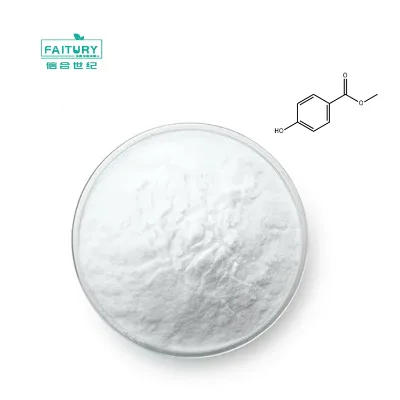
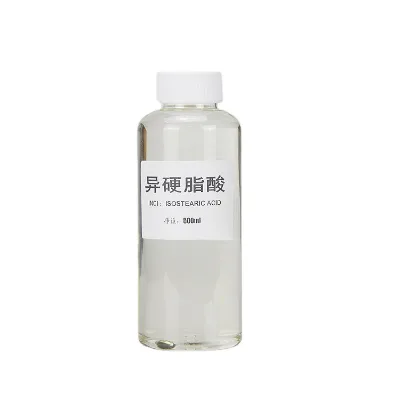
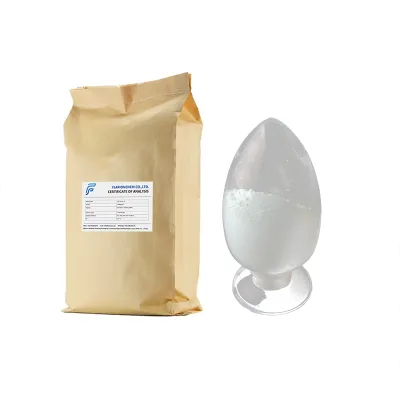
The physical characteristics of such preservative intermediates are distinct. Market observations indicate that these materials typically present as a "White" powder or a "Colorless" liquid, depending on the specific grade and formulation. The "Appearance" attribute is a primary verification point; a deviation from the expected white powder or clear liquid state may indicate degradation or contamination. Furthermore, the "Composition" is a critical factor, with specific listings noting "Methyl 4-hydroxybenzoate" as a related chemical entity. Buyers must verify that the supplier's batch composition aligns with the intended chemical structure of the target molecule, ensuring the presence of the iodine moiety and the specific benzoate ester linkage.
Regulatory Compliance and Certification Verification
In the cosmetic industry, regulatory compliance is non-negotiable. The sourcing guide must prioritize verification of certifications that validate the safety and quality of the raw material. The supplied data explicitly mentions "ISO 9001" as a certification available in the market. This standard indicates that the supplier maintains a quality management system, which is a baseline requirement for reliable procurement. However, for cosmetic ingredients, ISO 9001 alone is often insufficient. Buyers must inquire about specific cosmetic-grade certifications, such as those required by the FDA, EU regulations, or other regional bodies.
The "Quality" attribute observed in the market ranges from "Industrial" to "Refined." For cosmetic applications, the "Refined" grade is the only acceptable standard. Industrial-grade materials may contain impurities that are unsafe for topical application. Additionally, the "Standard" attribute in the provided data includes "Food Grade, Cosmetic Grade," which serves as a crucial filter. When evaluating a supplier, the buyer must demand documentation proving the material meets "Cosmetic Grade" specifications. The "Assay" or purity level is another vital metric; observed standards include "99%" and "98% min." Buyers should verify that the specific batch they intend to purchase meets the minimum assay requirements for their formulation, as lower purity can affect the efficacy and stability of the final cosmetic product.
Cost Drivers and Pricing Dynamics
The pricing structure for specialized cosmetic raw materials is influenced by several variables, including purity, packaging, and supply chain logistics. The observed price range in the market spans from 1 to 100 USD, though this wide range likely reflects differences in packaging sizes, purity levels, and order volumes rather than a direct per-unit cost for the chemical itself. The "MOQ" (Minimum Order Quantity) is a significant cost driver, with observed ranges from 1 to 1000 units. Specific listings indicate an MOQ of "100 Kgs" or "100 Kg," which suggests that smaller orders may incur a premium per kilogram or may not be feasible depending on the supplier's production capacity.
Packaging also plays a role in cost. The market offers "25kg/Drum," "200kg Drum," and "1kg/Bag" options. Larger drums generally reduce the cost per unit of material but require significant storage capacity and capital outlay. Conversely, smaller packaging like "1kg/Bottle" or "1kg/Bag" offers flexibility for R&D or small-batch production but increases the unit cost. Buyers must balance the need for cost efficiency with their inventory management capabilities. The "Customization" attribute is available, allowing for tailored packaging solutions, which can impact the final price. Additionally, the "Shipment" time of "5 Days" and transport options like "By sea or By air" will influence the total landed cost. Air freight is faster but more expensive, while sea freight is cost-effective for large volumes but requires longer lead times.
Typical Applications and Formulation Considerations
Methyl 3-iodo-4-methylbenzoate and its related preservative intermediates are primarily utilized for their antimicrobial properties. The "Effect" attribute is listed as "Antiseptic," confirming its role in preventing microbial growth in cosmetic formulations. These materials are essential for extending the shelf life of water-based products, such as lotions, creams, and shampoos. The "Type" of product is categorized as "Synthesis Material Intermediates" and "Pharmaceutical Intermediates," indicating its use in complex chemical synthesis as well as direct application in finished goods.
When integrating this raw material into a formulation, the "Appearance" and "Colour" are critical. A "White" powder or "Colorless" liquid ensures that the preservative does not alter the aesthetic properties of the final product. The "Composition" must be compatible with other ingredients in the formula. For instance, if the product is an oil-in-water emulsion, the solubility of the preservative must be verified. The "Standard" of "99%" or "98% min" ensures that the active ingredient is present in sufficient quantities to provide effective preservation without requiring excessive loading, which could lead to skin irritation. Buyers should also consider the "Sample" support offered by suppliers, which allows for small-scale testing to ensure compatibility and efficacy before committing to a large order.
Supplier Evaluation and Operational Due Diligence
Evaluating a supplier requires a systematic approach to verify their capability to deliver consistent quality. The "Location" of the supplier is a key factor; the data indicates origins in "China" and specifically "Jiangsu, China." While this provides a geographical context, buyers must verify the specific facility's capabilities. The "Payment" terms observed are "TT or L/C," which are standard in international trade. Buyers should assess their own financial risk tolerance and negotiate terms that protect their interests, such as using a Letter of Credit for large orders.
The "Transport" method is another evaluation criterion. Suppliers offering both "By sea or By air" provide flexibility, but the buyer must ensure the supplier has the logistics network to handle the chosen method reliably. The "Shipment" time of "5 Days" suggests a responsive supply chain, but buyers should confirm if this is a standard lead time or an expedited option. The "Customization" of packaging is a sign of a flexible supplier, but it also requires clear communication of specifications to avoid errors. Buyers should request a "Certificate" of analysis (COA) for every batch to verify the "Standard" and "Quality" attributes match the order specifications.
Quality Control and Long-Term Procurement Strategy
Maintaining quality control is essential for long-term success in sourcing cosmetic raw materials. The "Quality" attribute ranges from "Industrial" to "Refined," and buyers must strictly enforce the "Refined" standard for cosmetic use. Regular testing of incoming batches is necessary to verify the "Assay" and ensure the material remains within the specified purity range. The "Standard" of "99%" or "98% min" should be a contractual requirement, with penalties for non-compliance.
For long-term procurement, buyers should establish a relationship with suppliers who offer "Sample" support and "Customization." This allows for continuous improvement and adaptation to changing market needs. The "MOQ" of "100 Kg" or "100 Kgs" should be factored into the procurement strategy to ensure inventory levels are optimized. Buyers should also monitor the "Product Name" and "prod_model" to ensure they are ordering the correct chemical entity, as variations like "Methyl Paraben" or "Bronidox" may represent different chemical structures with distinct properties.
| Attribute Category | Observed Market Data | Buyer Verification Requirement |
|---|---|---|
| Quality Grade | Industrial, Refined | Must be "Refined" for cosmetic use |
| Purity Standard | 99%, 98% min | Verify batch COA matches contract |
| Packaging | 25kg Drum, 200kg Drum, 1kg Bag | Confirm suitability for storage and handling |
| Origin | China, Jiangsu, China | Verify facility certifications and audit reports |
| Payment Terms | TT, L/C | Align with company financial policies |
| Shipment Time | 5 Days | Confirm lead time reliability for production planning |
| Certification | ISO 9001 | Request additional cosmetic-specific certifications |
Final Procurement Considerations
The procurement of methyl 3-iodo-4-methylbenzoate requires a meticulous approach to ensure safety, efficacy, and regulatory compliance. Buyers must navigate the complexities of the supply chain by verifying technical specifications, checking certifications, and understanding cost drivers. The observed data provides a foundation for these decisions, but the final selection must be based on rigorous due diligence. By focusing on the "Refined" quality, "Cosmetic Grade" standards, and reliable "Shipment" times, buyers can secure a supply chain that supports the production of high-quality cosmetic products. The ability to customize packaging and the availability of samples further enhance the procurement strategy, allowing for flexibility and risk mitigation. Ultimately, a disciplined, evidence-based approach to sourcing ensures that the raw material meets the stringent demands of the cosmetic industry.
FAQs
What quality grades are available for this preservative?
The market offers both Industrial and Refined quality grades. For cosmetic applications, only the Refined grade is acceptable to ensure safety and remove impurities that could cause skin irritation.
Which certifications do suppliers typically hold?
Suppliers commonly hold ISO 9001 certification to validate their quality management systems. Buyers should also request specific cosmetic-grade documentation to ensure regulatory compliance for topical use.
How is the product typically packaged for shipment?
Packaging options include 25kg drums, 200kg drums, and 1kg bags or bottles. Customized packaging is available to suit specific storage needs or small-batch production requirements.
What is the minimum order quantity for this material?
The minimum order quantity is typically 100 kilograms, though some listings show ranges from 1 to 1000 units. Smaller orders may incur higher per-unit costs or require special arrangements.
Can I request samples before placing a large order?
Yes, sample support is available to allow for small-scale testing of compatibility and efficacy. This enables buyers to verify the material meets formulation needs before committing to bulk procurement.
What is the typical lead time for shipment?
The standard shipment time is approximately 5 days from order confirmation. Buyers should verify if this is a standard lead time or an expedited option for their specific logistics plan.
Which payment terms are accepted by suppliers?
Suppliers typically accept TT or L/C payment methods. These standard international trade terms allow buyers to align procurement with their company financial policies and risk tolerance.