Source Cosmetic Raw Material Cocamide DEA for detergents, hair care, and cosmetics
Compare 30 listings for Cosmetic Raw Material Cocamide DEA from verified Chinese suppliers. View specifications, MOQs, and pricing for applications in detergents, hair care, and daily chemical products.
Key considerations
Products List
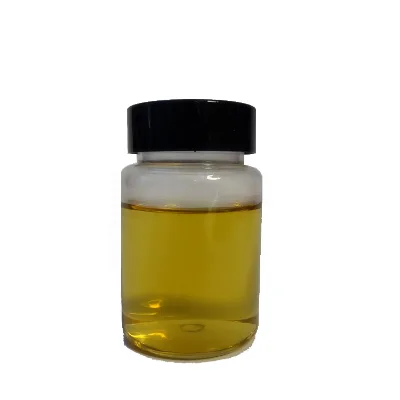
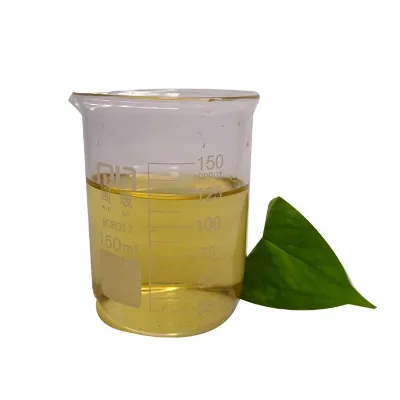


CAS 68603-42-9 Cosmetic Raw Material 1: 1.5 Cdea 6501 Cocamide Detergent Dea
$500.00 - $1200.00
MOQ: 1 Tons


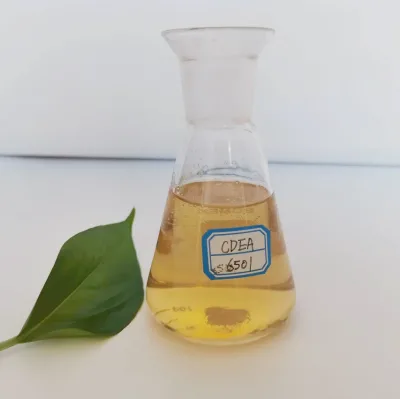
Pure Cosmetic Raw Material Cocamide DEA Detergent Cdea 6501 for Hair Care Chemicals
$816.55 - $1328.55
MOQ: 1 Minimum


Farmasino Good Price Cocamide Dea Detergent Cdea 6501 Cosmetic Raw Material CAS 68603-42-9
$1.60 - $2.20
MOQ: 200 kilograms

6501 Cocamide Dea/ Coconut Diethanolamide Factory Supply Cdea Cosmetic Grade CAS 68603-42-9
$1.60 - $2.20
MOQ: 200 kilograms

Farmasino 6501 Cocamide Dea Price Wholesale Cdea 6501 Cosmetic Raw Material CAS 68603-42-9
$1.60 - $2.20
MOQ: 200 kilograms


Good Price Cocamide Dea Detergent Cosmetic Raw Material CAS 68603-42-9 Cdea 6501
$1000.00 - $1300.00
MOQ: 1 Tons

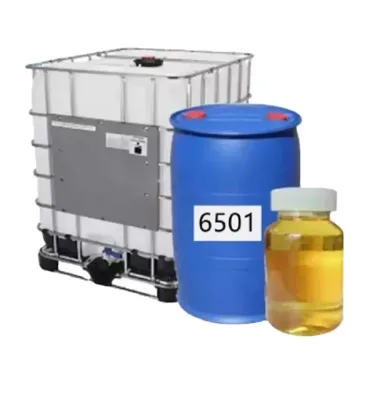
Comprehensive Sourcing Guide
Strategic Sourcing Guide for Cosmetic Raw Material Cocamide DEA
Understanding the Chemical Profile and Technical Specifications
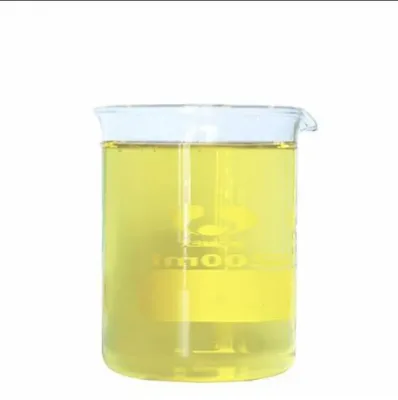
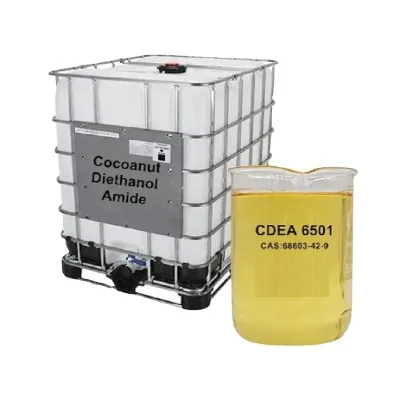
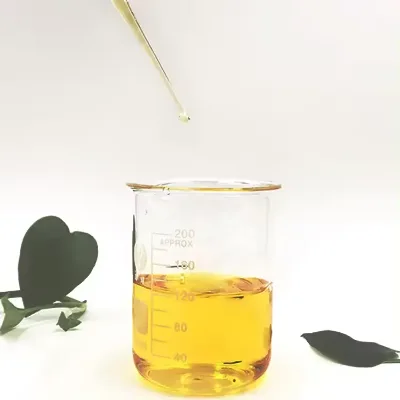
Cocamide DEA, often identified by its CAS number 68603-42-9 and EINECS number 271-657-0, serves as a critical intermediate in the formulation of personal care and cleaning products. For procurement professionals, the first step is verifying the precise chemical identity against the core keyword. The molecular formula is frequently cited as C13H13Cl8NO4 in specific supplier listings, though standard chemical literature may vary; therefore, buyers must cross-reference the provided CAS number with the specific molecular data supplied by the vendor to ensure accuracy. The product typically presents as a light yellow to yellowish liquid, a physical state that is essential for its integration into emulsion systems.
The purity of the raw material is a primary technical determinant. High-grade sourcing often targets a purity level of 99%, which ensures consistent performance in the final cosmetic or detergent application. The appearance of the liquid can range from light yellow to a deeper yellowish hue depending on the specific batch and refining process. It is crucial to note that while the primary form is liquid, some market listings may describe a powder form under different model numbers or variations, such as those associated with Cocamide Methyl MEA (CMEA), which has a distinct CAS number of 68140-00-1. Buyers must distinguish clearly between Cocamide DEA and its methylated variants to avoid formulation errors. The storage requirements are specific; the material must be kept in a cool, dry place to maintain stability and prevent degradation over its shelf life, which is typically recorded as two years.
Regulatory Compliance and Certification Verification
In the global cosmetic supply chain, regulatory compliance is non-negotiable. When sourcing Cocamide DEA, buyers should prioritize suppliers who can demonstrate adherence to international management and safety standards. The presence of ISO certification is a significant indicator of a supplier's commitment to quality management systems. Furthermore, for products intended for specific dietary or sensitive skin applications, KOSHER certification may be a required attribute to ensure the material meets religious dietary laws and purity standards.
The regulatory landscape also requires verification of the product's classification under European and international inventories. The EINECS number 271-657-0 is the standard identifier for Cocamide DEA in the European Inventory of Existing Commercial Chemical Substances. Ensuring the supplier provides documentation linking the specific batch to this number is vital for customs clearance and regulatory filing in the EU. Additionally, the material is often categorized under Industrial Grade or specific cosmetic grades, and the buyer must confirm the "Grade Standard" matches the intended application. While some listings mention "Environmental Protection: Yes," this should be treated as a claim requiring verification through the supplier's Environmental Management System (EMS) documentation rather than an automatic attribute of the chemical itself.
Cost Drivers and Minimum Order Quantity Analysis
The economics of sourcing Cocamide DEA are influenced by several variables, including the scale of purchase, the origin of the material, and the specific packaging requirements. The Minimum Order Quantity (MOQ) is a critical factor in budgeting and logistics planning. Observed market data indicates a wide range in MOQs, from as low as 1 unit for sample procurement up to 1000 kilograms for standard commercial transactions. However, specific high-volume listings may stipulate an MOQ of 1000 KG or even 5 Metric Tons (5 Mt), particularly for industrial-grade applications or direct factory sales.
Buyers must understand that the unit price is not static. The observed price range in the market spans from 1 to 1500 USD, a variance that likely reflects differences in purity, packaging, shipping terms, and order volume. For a standard 200kg drum, which is a common packaging unit (e.g., prod_standard: 200kg/Drum), the cost per kilogram will differ significantly from bulk purchases of 5 Mt. The single package size is often listed as 15x20x30 cm with a gross weight of 1.500 kg for sample units, whereas industrial drums will have different dimensions and weights.
When evaluating cost, buyers should also consider the "Selling Units" structure. Some suppliers sell in single items for sampling, while others operate on bulk tonnage. The "Free Sample" availability, often cited as 1 Kg, can be a valuable tool for initial quality verification without incurring significant material costs, though shipping fees for samples may apply. The origin of the product, frequently cited as Shaanxi, China, or Hebei, China, also impacts logistics costs and lead times, as these regions are major hubs for chemical production in Asia.
Typical Applications and Formulation Integration
Cocamide DEA is a versatile ingredient with a broad spectrum of applications, primarily driven by its surfactant and foam-boosting properties. The primary usage categories include cosmetic raw materials, detergent raw materials, and hair care chemicals. In the cosmetic industry, it is valued for its ability to stabilize foam and improve the viscosity of liquid formulations. It is commonly found in shampoos, body washes, and liquid soaps where a rich, creamy lather is desired.
Beyond personal care, the material serves as a key component in industrial cleaning agents. Its application extends to degreasing, descaling, pickling, and polishing processes. In these contexts, it functions as an alkaline surface disposal agent, aiding in the removal of oils and residues from metal surfaces. The material is also utilized in phosphating and rust-proofing treatments, highlighting its dual role in both consumer and industrial sectors. The specific "Application Industry" is often listed broadly as "Industry" or "Daily Chemical," but the functional utility is defined by its ability to act as a thickener and foam stabilizer in alkaline environments.
Supplier Evaluation and Geographic Sourcing
When evaluating potential suppliers, the geographic origin is a key data point. The majority of Cocamide DEA production is concentrated in China, with specific provinces like Shaanxi and Hebei frequently cited as places of origin. This concentration suggests a mature supply chain but also necessitates rigorous due diligence regarding logistics and export compliance. Buyers should verify the specific "Place of Origin" for each batch, as manufacturing capabilities can vary between facilities even within the same country.
Supplier reliability is often gauged by their ability to provide samples and their transparency regarding product attributes. The availability of samples, such as "Cocamide DEA Avaliable" or "cocamide mea Avaliable," is a positive indicator of a supplier's willingness to engage in the verification process. Additionally, the presence of a "Customization: Available" attribute suggests that the supplier may offer tailored formulations or packaging options, which can be beneficial for large-scale buyers with specific logistical needs.
| Evaluation Criteria | Key Attributes to Verify |
|---|---|
| Chemical Identity | CAS No. 68603-42-9, EINECS 271-657-0, Purity 99% |
| Physical State | Light Yellow Liquid, consistent with Model Number ASRN-Cocamide DEA |
| Certifications | ISO, KOSHER, Environmental Protection status |
| Logistics | Place of Origin (Shaanxi/Hebei), Packaging (Drum), MOQ (1000 KG - 5 Mt) |
| Quality Assurance | 100% Inspection, Shelf Life (2 years), Storage (Cool Dry Place) |
Quality Control and Inspection Protocols
Ensuring the quality of Cocamide DEA requires a robust inspection protocol. Buyers should insist on a "100% Inspection" policy from the supplier, which implies that every batch undergoes rigorous testing before release. The "Quality" attribute should be explicitly defined in the purchase agreement, referencing the specific purity and appearance standards. For instance, the appearance must match the "Light Yellow Liquid" description, and any deviation to a darker color or solidification could indicate degradation or contamination.
The shelf life of two years is a critical parameter for inventory management. Buyers must ensure that the product received has sufficient remaining shelf life to accommodate their production schedule and storage conditions. The requirement to store the material in a "Cool Dry Place" is not merely a suggestion but a necessity to maintain the chemical integrity of the DEA. Failure to adhere to these storage conditions can lead to hydrolysis or other chemical changes that compromise the product's efficacy in cosmetic formulations.
Long-Term Procurement Considerations
Sourcing Cocamide DEA is not a one-time transaction but a long-term partnership that requires strategic planning. The variability in MOQs, ranging from small sample quantities to massive 5 Mt orders, means that buyers must align their procurement strategy with their production volume. For small-scale manufacturers, the ability to purchase samples or smaller quantities is essential for R&D and small-batch production. Conversely, large-scale industrial buyers must negotiate contracts that accommodate high-volume orders while ensuring consistent quality and supply continuity.
The "Status" of the product, often listed as "Liquid Catalyst" or similar industrial descriptors, indicates its role in various chemical processes. Buyers should monitor market trends for potential shifts in supply, as the chemical industry is subject to fluctuations in raw material costs and regulatory changes. Maintaining a relationship with suppliers who offer "Customization" and have a track record of providing "Free Sample" units can facilitate smoother transitions when scaling production or switching formulations. Ultimately, the success of the procurement process relies on the buyer's ability to verify all technical specifications, certifications, and logistical details against the specific needs of their production line, ensuring that the Cocamide DEA sourced meets the highest standards of quality and safety.
FAQs
What is the purity level of Cosmetic Raw Material Cocamide DEA?
The product typically offers a purity level of 99% for consistent performance. This high grade ensures reliability in cosmetic and detergent formulations while maintaining stability during storage.
How should Cosmetic Raw Material Cocamide DEA be stored?
Store the material in a cool, dry place to prevent degradation. Adhering to these conditions preserves the chemical integrity throughout its two-year shelf life.
Which certifications are available for Cosmetic Raw Material Cocamide DEA?
Suppliers often provide ISO and KOSHER certifications for this product. These credentials verify adherence to quality management systems and specific purity standards for sensitive applications.
Can buyers request samples of Cosmetic Raw Material Cocamide DEA?
Yes, samples such as Cocamide DEA or CMEA are available for verification. Some suppliers offer free samples of 1 kg to facilitate initial quality checks before bulk orders.
What is the minimum order quantity for Cosmetic Raw Material Cocamide DEA?
Minimum order quantities vary from 1 unit for samples up to 1000 kilograms for standard commercial transactions. Some industrial listings may require orders of 5 metric tons.
Where is Cosmetic Raw Material Cocamide DEA typically manufactured?
Production origins are frequently cited as Shaanxi or Hebei in China. These regions serve as major hubs for chemical production, influencing logistics and supply chain dynamics.