Source Cosmetic Raw Material Cyclopentasiloxane for hair care, skin care, and makeup
Find 30 verified listings for Cosmetic Raw Material Cyclopentasiloxane from suppliers in China. Buyers can compare specifications like purity, viscosity, and packaging options to select the right grade for their formulations.
Key considerations
Products List






Comprehensive Sourcing Guide
Strategic Sourcing Guide for Cosmetic Raw Material Cyclopentasiloxane
Understanding the Product Identity and Technical Profile
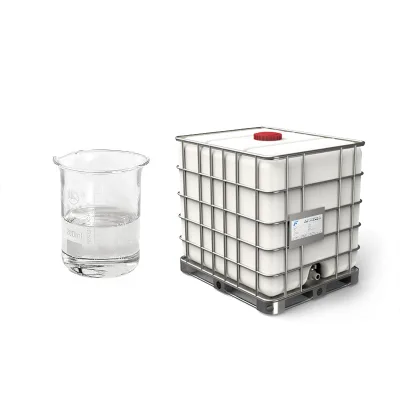
Cyclopentasiloxane, widely recognized by its INCI name and CAS number 541-02-6, is a critical synthetic intermediate and silicone oil utilized extensively in the cosmetic and personal care industries. When sourcing this material, buyers must first distinguish it from other silicone variants by its specific physical and chemical properties. The product is fundamentally classified as a synthesis material intermediate and a chemical raw material, often appearing as a colorless liquid in its refined state. However, procurement data indicates that visual observations can vary, with some listings describing the substance as white, necessitating a rigorous verification of the physical appearance against the specific batch specifications provided by the supplier.
The technical profile of Cyclopentasiloxane is defined by its volatility and viscosity, which are essential for its performance in formulations. Key physical constants observed in verified product data include a boiling point of approximately 210.0°C and a flash point of 95.6°C, indicating specific handling requirements regarding temperature and flammability. The melting point is recorded at -44°C, ensuring the material remains liquid across a wide range of ambient storage conditions. Viscosity is a critical parameter for application performance, with standard specifications often ranging between 3 to 5 centistokes (Cst). The specific gravity at 25°C is typically around 0.95, and the refractive index at the same temperature is approximately 1.397. These optical and physical properties must be verified against the supplier's Certificate of Analysis (CoA) to ensure consistency with the buyer's formulation requirements.
Regulatory Compliance and Certification Verification
In the global cosmetic supply chain, regulatory compliance is not merely a formality but a prerequisite for market access. When evaluating potential suppliers for Cyclopentasiloxane, buyers must prioritize suppliers who can demonstrate adherence to recognized quality management systems. While specific certification claims in the market data often reference ISO standards, the exact nature of these certifications (such as ISO 9001 for quality or ISO 14001 for environmental management) must be validated through direct documentation rather than assumed from general market knowledge.
The chemical composition of the raw material is another focal point for compliance. High-purity grades are essential for cosmetic applications, with standard specifications often demanding a purity of 99% or a minimum silicone content of 99%. Buyers should verify that the supplier's product standard explicitly states these purity thresholds. Furthermore, the presence of impurities such as Cyclotetrasiloxane (D4) must be strictly controlled. Industry data suggests that acceptable limits for D4 content can be as low as 0.15% maximum, a figure that requires confirmation via specific test methods like HPLC UV. Environmental protection attributes are also increasingly relevant, with some suppliers claiming their products meet specific environmental standards, which should be substantiated by third-party testing reports.
Cost Drivers and Pricing Dynamics
The pricing structure for Cyclopentasiloxane is influenced by a complex interplay of raw material costs, packaging requirements, and order volume. The observed price range in the market spans from 1 to 1300 USD, a significant variance that reflects differences in purity levels, packaging formats, and supplier positioning. Buyers should not view the lowest price as the optimal choice without considering the total cost of ownership, which includes shipping, handling, and potential quality risks.
Packaging plays a substantial role in cost determination. Standard industrial packaging often involves drums, with capacities ranging from 18kg to 200kg per drum. Some suppliers offer customized packing solutions, which may incur additional costs but provide flexibility for specific logistics needs. The minimum order quantity (MOQ) is another critical cost driver, with observed ranges spanning from 1 unit to 1000 units. Smaller MOQs may be suitable for R&D or trial batches, while larger volumes are necessary to achieve economies of scale for mass production. Buyers must align their procurement strategy with their production schedule to balance inventory holding costs against the benefits of bulk purchasing.
Typical Applications and Formulation Considerations
Cyclopentasiloxane serves as a versatile solvent and carrier in a variety of cosmetic formulations. Its primary application lies in the household and personal care sectors, where it is valued for its ability to provide a non-greasy, silky feel to the skin and hair. The material is often used in leave-on products such as moisturizers, sunscreens, and makeup removers, as well as in rinse-off products like shampoos and conditioners. In formulations containing Dimethiconol, such as those with the INCI name Cyclopentasiloxane & Dimethiconol, the material contributes to long-lasting conditioning effects, enhancing the manageability and shine of hair.
The chemical type of the material, identified as an organic silicone, makes it compatible with a wide range of other cosmetic ingredients. However, buyers must ensure that the specific grade of Cyclopentasiloxane matches the intended application. For instance, the "Hony" series of products, which may include variants like Hony D5 or Hony 9045, are marketed with specific features such as long-lasting conditioning. These product models often come with distinct specifications regarding packing and standard purity, which must be matched to the formulation requirements. The material's classification as a fine chemical also underscores its importance in high-end cosmetic manufacturing, where consistency and performance are paramount.
Supplier Evaluation and Quality Control Protocols
Selecting a reliable supplier requires a systematic evaluation of their capabilities and quality control processes. Buyers should verify the origin of the product, with major production hubs located in regions such as Jinan, Shandong, and Shaanxi, China. The origin of the material can impact shipping logistics and lead times, which are critical factors in supply chain planning. When evaluating suppliers, buyers should request detailed product specifications, including the model number (e.g., QMZCH250260, DC20240905, or Hony 1501) and the specific standard compliance documents.
Quality control is paramount in the procurement of cosmetic raw materials. Buyers must insist on a robust testing regimen that includes verification of the test method, such as HPLC UV, to confirm purity and impurity levels. The product standard should explicitly state the minimum purity (e.g., 99% or 99.0% min) and the maximum allowable content of specific impurities like D4. Additionally, the physical appearance, whether described as colorless or white, must be consistent with the buyer's expectations and the product's intended use. A comprehensive quality control plan should also include checks on the packaging integrity, ensuring that the drums or bags are sealed properly to prevent contamination during transit.
Long-Term Procurement and Supply Chain Resilience
Establishing a long-term procurement strategy for Cyclopentasiloxane involves more than just securing a single transaction. Buyers must consider the sustainability of the supply chain, including the supplier's ability to maintain consistent quality over time and their capacity to scale production as demand grows. The availability of customization options, such as customized packing or specific product models, can provide a competitive advantage in adapting to changing market needs.
Environmental protection is another critical aspect of long-term procurement. As regulatory pressures increase, buyers should prioritize suppliers who demonstrate a commitment to environmental standards and sustainable practices. This includes verifying that the supplier's production processes minimize waste and emissions, and that the product itself meets relevant environmental criteria. By fostering strong relationships with suppliers who share these values, buyers can ensure a resilient supply chain that is capable of withstanding market fluctuations and regulatory changes.
Comparative Analysis of Product Specifications
To facilitate informed decision-making, buyers should compare the specifications of different product models available in the market. The following table summarizes key attributes observed in various product listings, highlighting the variations in model numbers, packing, and standards.
| Product Model | Origin | Standard Purity | Packing Format | Key Attributes |
|---|---|---|---|---|
| QMZCH250260 | Jinan, Shandong, China | 99.0% min | 200kg/Drum | Refined, Colorless Liquid |
| DC20240905 | Shaanxi, China | 99% | Customized | Fine Chemicals, Standard Content |
| Hony D5 | China | 190kg/drum | 190kg/Drum | Household Application, ISO Certified |
| Hony 9045 | China | N/A | 18kg/Drum | CAS 541-02-6 & 31692-79-2 |
| Hony 1501 | N/A | N/A | Pallet or Drum | Long-Lasting Conditioning |
This comparison illustrates the diversity in packaging and origin, which buyers must consider when selecting a supplier. The variation in standard purity and packing formats underscores the importance of verifying specific product details before making a purchase decision. By carefully analyzing these specifications, buyers can ensure that the selected Cyclopentasiloxane meets their exact technical and operational requirements.
FAQs
What is the purity standard for Cosmetic Raw Material Cyclopentasiloxane?
The standard purity is typically 99% or 99.0% minimum depending on the specific product model. Buyers must verify the exact threshold in the supplier's Certificate of Analysis to ensure compliance with formulation requirements.
How is Cosmetic Raw Material Cyclopentasiloxane typically packaged?
Packaging options include 200kg drums, 190kg drums, 18kg drums, or customized bags. Some suppliers also offer pallet or drum combinations to suit specific logistics needs and order volumes.
Which certifications are available for Cosmetic Raw Material Cyclopentasiloxane?
ISO certification is available for certain product models in the market. Buyers should request specific documentation to confirm the exact type of ISO standard held by the manufacturer before placing an order.
Can Cosmetic Raw Material Cyclopentasiloxane be customized for specific needs?
Yes, customization is available for packing and specific product models. Suppliers offer tailored solutions to meet unique application requirements while maintaining the core chemical specifications of the raw material.
What is the boiling point of Cosmetic Raw Material Cyclopentasiloxane?
The boiling point is recorded at 210.0 degrees Celsius. This physical property is critical for determining storage conditions and processing temperatures during the manufacturing of cosmetic formulations.
Where are Cosmetic Raw Material Cyclopentasiloxane products manufactured?
Major production origins include Jinan, Shandong, and Shaanxi in China. The specific location affects shipping logistics and lead times, which buyers must consider when planning their supply chain.
What is the minimum order quantity for Cosmetic Raw Material Cyclopentasiloxane?
The observed minimum order quantity ranges from 1 to 1000 units depending on the supplier. Smaller quantities are suitable for R&D trials, while larger volumes are needed for mass production.
How can buyers verify the quality of Cosmetic Raw Material Cyclopentasiloxane?
Quality is verified using test methods like HPLC UV to confirm purity and impurity levels. Buyers should request detailed test reports to ensure the product meets the required 99% purity and low D4 content standards.