Source Cosmetic Plastic Sunscreen Bottle for Lotion, Serum, and Cream
Explore 30 verified options for a Cosmetic Plastic Sunscreen Bottle designed for serum, lotion, and cream applications. Buyers can compare screw lids, spray types, and customization MOQs across suppliers in Ningbo and China.
Key considerations
Products List


SPF Sunscreen Bottle Sun Cream Sunblock Skincare Cosmetic Package Bottle
$0.10 - $0.15
MOQ: 10000 Pieces

Pet Plastic Sunscreen Face Spray Pump Packaging Hydration Bottle with Cosmetic Pump
$0.17 - $0.20
MOQ: 10000 Pieces

Blue Capped Cosmetic Lotion Bottle Plastic Sunscreen Bottle for Daily Sun Protection Needs
$0.25 - $0.34
MOQ: 12000 Pieces


50ml HDPE Sunscreen Bottle for Plastic Bb Cream Cosmetic Bottle Packaging
$0.10 - $0.12
MOQ: 10000 Pieces

Sunscreen Packaging Skincare Bb Cream Bottle Cosmetics PE Plastic Bottle
$0.10 - $0.12
MOQ: 10000 Pieces

Sunscreen Bottle 30ml Sun Cream Bottle Sunblock Summer Hot Sale Cosmetic Packaging
$0.10 - $0.12
MOQ: 10000 Pieces

Customized Color Plastic 50ml Squeeze Facial Cleanser Sunscreen Bottles
$0.04 - $0.13
MOQ: 10000 Pieces


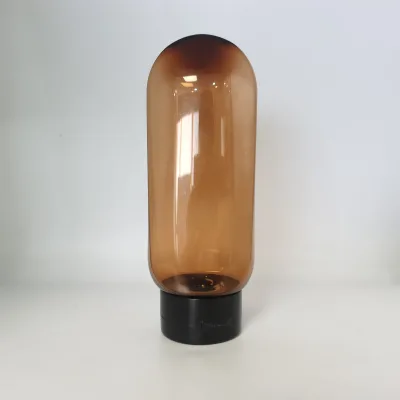

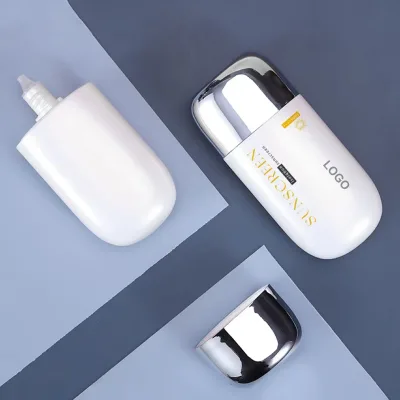


Comprehensive Sourcing Guide
Strategic Sourcing Guide for Cosmetic Plastic Sunscreen Bottles
Understanding Technical Specifications and Material Composition
When sourcing cosmetic plastic sunscreen bottles, the primary objective is to identify packaging that ensures product integrity while meeting aesthetic and functional requirements. The core material for these containers is consistently identified as plastic, offering a balance of durability, lightweight properties, and cost-effectiveness. Buyers must scrutinize the specific polymer type, as different plastics offer varying levels of chemical resistance against sunscreen formulations, which often contain oils, alcohols, and active UV filters. The supply data indicates a standard production origin in Ningbo, China, a hub known for established manufacturing capabilities in the personal care sector.
The physical dimensions of the bottles vary significantly to accommodate different product volumes. Standard capacity ranges observed in the market include 30 ml, 50 ml, 60 ml, 80 ml, 100 ml, 180 ml, and even up to 30 ml specific models. This variability allows buyers to select packaging that aligns with their specific product SKUs, whether for travel-sized serums or full-body lotions. The design of the bottle is equally critical; options include patterned finishes and customizable color profiles, with white being a common base color. However, suppliers also offer "Any Colour" options, provided the Minimum Order Quantity (MOQ) thresholds are met.
Closure mechanisms are a defining technical specification. The most prevalent sealing type observed is the screw cap, which provides a secure, leak-proof seal essential for liquid sunscreens. In addition to standard screw lids, the market offers specialized closures such as mist sprayers and pump sprays. These are particularly relevant for applications requiring fine mist application, such as facial mists or body sprays. The closure type directly influences the user experience; a screw cap is ideal for lotions and creams, while a pump or mist sprayer is necessary for setting sprays or hair mists. Buyers should verify that the closure material is compatible with the bottle neck to prevent cross-contamination or degradation over time.
Compliance, Certification, and Regulatory Verification
Navigating the regulatory landscape is a critical step in the procurement process, particularly for products applied to the skin. While the supplied data does not explicitly confirm specific certification statuses for every listed product, it highlights general industry standards that buyers should actively verify. The context mentions potential standards such as ISO 9001 and ISO 14001, which relate to quality management and environmental management systems, respectively. Additionally, certifications like FSC, RoHS, and REACH are often relevant in the broader packaging industry, though their specific application to these cosmetic bottles must be confirmed on a case-by-case basis.
Buyers must treat the "Recyclable" feature mentioned in the product attributes as a claim that requires validation. To ensure compliance, procurement teams should request documentation proving that the plastic material used meets local recycling standards and is free from prohibited substances. For sunscreen products, which are often subject to stricter regulations regarding chemical migration, verifying that the plastic does not leach harmful substances into the formulation is paramount. This verification process should include asking for test reports that confirm the bottle's inertness against the specific chemical composition of the sunscreen.
Furthermore, the "Customization" aspect of the product line implies that the packaging can be tailored to meet specific regulatory labeling requirements. However, the ability to customize does not automatically guarantee compliance with all international standards. Buyers should ensure that any custom inks, labels, or printing methods used on the bottle adhere to the regulatory requirements of the target market. For instance, if the product is destined for the European Union, the packaging must comply with REACH regulations regarding chemical safety. Similarly, for markets in North America, verifying that the materials do not contain lead or other heavy metals is essential.
Cost Drivers and Pricing Dynamics
The pricing structure for cosmetic plastic sunscreen bottles is influenced by several dynamic factors, with volume and customization being the most significant. The observed price range in the market spans from $0.04 to $2.00 USD per unit. This wide range reflects the diversity in bottle complexity, size, and the level of customization required. Smaller, simpler bottles with standard colors and no additional printing will likely fall at the lower end of this spectrum, while larger bottles with complex spray mechanisms, custom colors, and patterned designs will command higher prices.
Minimum Order Quantity (MOQ) is a critical cost driver. The data indicates a standard MOQ of 10,000 pieces for general orders. However, specific conditions apply to color customization. For "Any Colour" requests, the MOQ often doubles to 20,000 pieces. This threshold is a strategic lever for buyers; ordering standard white bottles allows for lower volume commitments, whereas custom color runs require a larger financial commitment upfront. Understanding these thresholds is essential for budget planning, especially for startups or brands launching new product lines with limited initial capital.
Lead times also impact the overall cost of procurement. The observed delivery times range from 20 to 25 days. This timeframe includes the production cycle and initial logistics preparation. Buyers should factor in this lead time when planning their inventory to avoid stockouts. Additionally, payment terms are a significant component of the financial arrangement. A common term observed is a 30% T/T (Telegraphic Transfer) in advance, which is standard practice in the industry. Buyers must ensure that their cash flow can accommodate this upfront payment while waiting for the 20-25 day delivery period.
Typical Applications and Usage Scenarios
The versatility of cosmetic plastic sunscreen bottles makes them suitable for a wide array of applications within the personal care and beauty sectors. The primary usage categories identified include serums, lotions, creams, and foundations. These products typically require a screw cap or a pump mechanism to dispense viscous liquids accurately. The 30 ml to 100 ml size range is particularly well-suited for travel-sized serums and concentrated facial treatments, while larger capacities like 180 ml are ideal for body lotions and sunscreens.
Beyond traditional lotions, the market data highlights a strong demand for spray applications. The bottles are frequently used for facial mists, body sprays, hair mists, and setting sprays. In these scenarios, the choice of closure is paramount. Mist sprayers and pump sprays are essential for creating a fine, even distribution of the product. The "Continuous Spray" and "Fine Mist" capabilities mentioned in the specifications indicate that the nozzles are engineered for specific application needs, ensuring that the sunscreen or mist is applied without dripping or uneven coverage.
The application context also extends to travel and personal care routines. The compact nature of the 30 ml and 50 ml bottles makes them perfect for travel kits, where space is at a premium. The "Disposable" attribute noted in some product listings suggests that certain models may be designed for single-use or short-term use, which is relevant for promotional samples or travel-sized kits. However, for long-term personal care products, the "Recyclable" feature becomes a key selling point, aligning with the growing consumer demand for sustainable packaging solutions.
Supplier Evaluation and Production Capabilities
Evaluating suppliers requires a focus on their production capacity, customization capabilities, and logistical reliability. The data indicates that suppliers in Ningbo, China, are capable of producing a wide range of models, including lotion bottles, spray bottles, and squeeze bottles. The ability to offer "Customized" designs and "Acceptable" customization options suggests a flexible manufacturing process. Buyers should assess whether the supplier can handle the specific design requirements of their brand, such as patterned finishes or specific color matching.
Sample availability is a crucial factor in supplier evaluation. The data confirms that samples are available, with some suppliers offering 2 to 3 free samples. This allows buyers to physically test the bottle's functionality, including the seal integrity, spray mechanism, and overall aesthetic appeal before committing to a large order. A reliable supplier should be willing to provide these samples promptly and should be transparent about any associated costs for shipping or custom molds.
The production standard is another area of focus. The listed standards include various capacities such as 30 ml, 50 ml, 60 ml, 80 ml, 100 ml, and 180 ml. Buyers should verify that the supplier has a consistent track record of meeting these specifications. The "Single Wall" closure type mentioned suggests a specific construction method that buyers should understand in the context of their product's stability. Additionally, the packing method, typically described as "Carton" or "Carton+Pallet," indicates how the products will be shipped. Ensuring that the packaging is robust enough to prevent damage during transit is essential for maintaining product quality.
Quality Control and Long-Term Procurement Considerations
Implementing a robust quality control (QC) strategy is vital for maintaining brand reputation and product safety. Given the "Recyclable" feature and the potential for chemical interactions, buyers should establish clear QC protocols. This includes verifying the structural integrity of the bottle, the precision of the spray mechanism, and the accuracy of the volume fill. Regular inspections during the production process can help identify defects early, reducing the risk of receiving substandard batches.
Long-term procurement considerations involve building a sustainable relationship with suppliers. The "Customization" aspect allows for brand differentiation, but it also requires careful management of the supply chain. Buyers should consider the scalability of the supplier's operations to ensure they can meet increasing demand as the brand grows. The lead time of 20-25 days should be factored into long-term inventory planning to maintain a steady supply of packaging materials.
Furthermore, the environmental impact of the packaging is becoming an increasingly important factor. While the "Recyclable" attribute is a positive step, buyers should explore the supplier's commitment to sustainability. This includes understanding the source of the plastic material and the supplier's efforts to reduce waste during production. By prioritizing suppliers who align with environmental values, brands can enhance their market appeal and meet the growing consumer demand for eco-friendly products.
Comparative Analysis of Bottle Types and Specifications
To assist buyers in making informed decisions, the following table compares the key specifications of the different bottle types available in the market. This comparison highlights the variations in capacity, closure type, and usage scenarios, providing a clear overview of the options.
| Bottle Model | Typical Capacity | Closure Type | Primary Usage | Key Feature | | :--- | :--- | :--- | :--- :--- | | Lotion Bottle | 30ml, 60ml, 80ml, 100ml | Screw Lid | Serum, Lotion, Cream | Standard Screw Cap | | Spray Bottle | 100ml, 180ml | Pump Spray, Fine Mist | Facial Mist, Body Spray | Continuous Spray | | Squeeze Bottle | 30ml, 50ml, 80ml, 100ml | Mist Sprayer, Screw | Setting Spray, Perfume | Customizable Design | | Travel Bottle | 30ml | Screw Cap | Travel, Personal Care | Compact Size |
This table underscores the importance of selecting the right bottle type based on the specific product formulation and application method. For instance, a sunscreen designed for fine mist application requires a spray bottle with a pump mechanism, whereas a thick body lotion is better suited for a squeeze bottle with a screw cap. By carefully analyzing these specifications, buyers can ensure that their packaging choices enhance the user experience and protect the product quality.
In conclusion, sourcing cosmetic plastic sunscreen bottles requires a comprehensive understanding of technical specifications, regulatory compliance, cost dynamics, and supplier capabilities. By leveraging the available data and conducting thorough due diligence, buyers can secure high-quality packaging that meets their brand's standards and market demands. The flexibility of the market, with its wide range of customization options and capacity sizes, offers significant opportunities for brands to differentiate themselves and achieve success in the competitive personal care industry.
FAQs
What is the standard MOQ for cosmetic plastic sunscreen bottles?
The standard Minimum Order Quantity is 10,000 pieces for general orders. However, if you require any custom color, the MOQ increases to 20,000 pieces to cover the specialized production setup.
How long does delivery take for these cosmetic plastic sunscreen bottles?
Delivery typically requires 20 to 25 days from order confirmation. This timeframe covers the manufacturing cycle and initial logistics preparation before the goods are ready for shipment.
Which closure types are available for cosmetic plastic sunscreen bottles?
Available closures include screw caps, mist sprayers, and pump sprays. Screw caps are standard for lotions, while sprayers are designed for facial mists and body sprays requiring fine mist application.
Can I get samples before placing a large order for cosmetic plastic sunscreen bottles?
Yes, samples are available and some suppliers offer two to three free samples. This allows you to verify the spray mechanism and seal integrity before committing to the full production run.
What payment terms are standard for sourcing cosmetic plastic sunscreen bottles?
The standard payment term is a 30% Telegraphic Transfer in advance. This upfront payment is required before production begins, with the balance typically settled upon shipment completion.
Which capacities are standard for cosmetic plastic sunscreen bottles?
Standard capacities range from 30 ml to 180 ml, including 50 ml, 60 ml, 80 ml, and 100 ml options. These sizes accommodate travel serums, full-body lotions, and various personal care applications.
What is the production origin for these cosmetic plastic sunscreen bottles?
The products originate from Ningbo, China, a known manufacturing hub for personal care packaging. This location provides established capabilities for producing plastic bottles with various customization options.