Source Countryside Style Glass Cake Plate for Weddings, Parties, and Hotels
Find 30 Countryside Style Glass Cake Plate options from Chinese manufacturers. Compare square and round designs in glass and crystal materials, noting diameters from 7 to 13 inches and MOQs starting at 100 sets for weddings, parties, and hotel use.
Key considerations
Products List
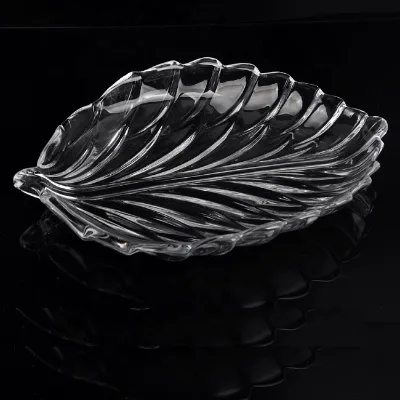
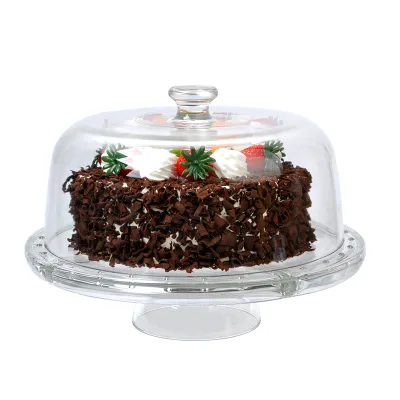
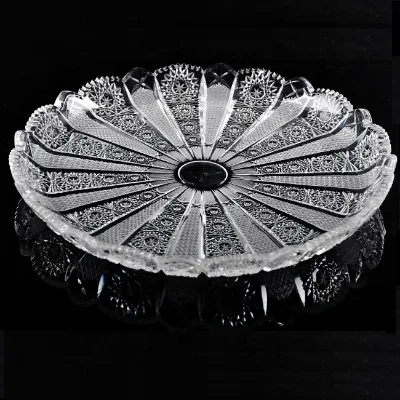
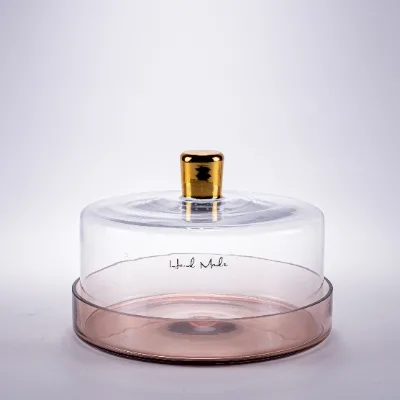
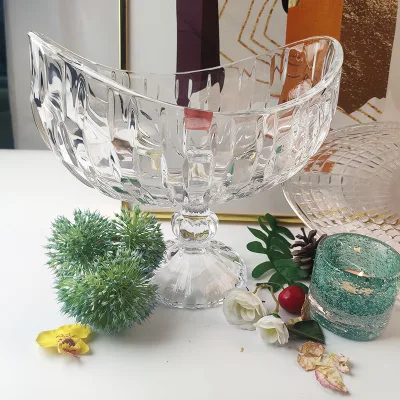
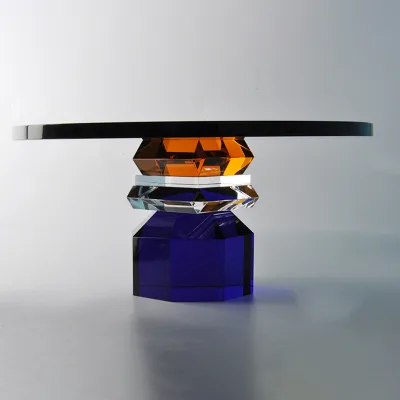
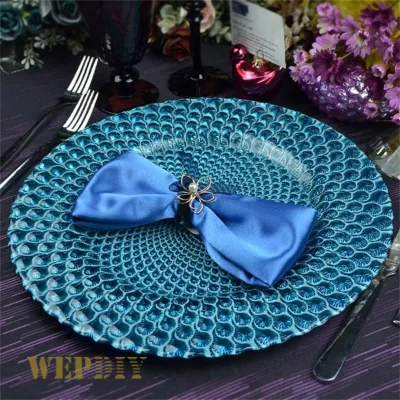


Home Handmade Transparent Decorative Glass Cake Plate with Golden Rim Glass Fruit
$0.70 - $0.99
MOQ: 1000 Pieces


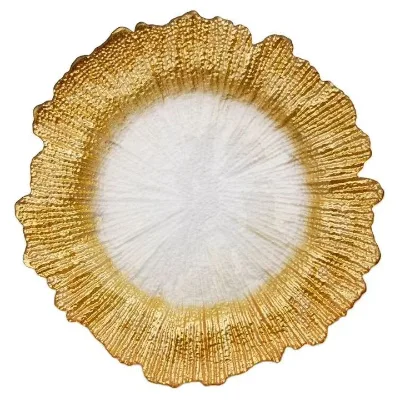
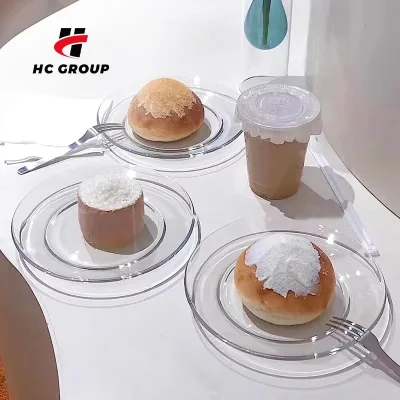

Factory Price Large Quantity Cake Fruit Wooden Tall Creative Glass Plate
$3.26 - $3.83
MOQ: 300 Pieces




Comprehensive Sourcing Guide
Countryside Style Glass Cake Plate Sourcing Guide
Sourcing glass cake plates that embody a countryside aesthetic requires a nuanced understanding of how traditional design elements intersect with modern manufacturing capabilities. The term "countryside style" often evokes imagery of rustic elegance, natural textures, and timeless simplicity, which translates in the glassware industry to specific visual cues such as clear or transparent finishes, minimalist or bohemian silhouettes, and occasionally subtle plant or solid patterns. Buyers must navigate a market where these stylistic descriptors are frequently paired with functional attributes like durability and eco-friendly production methods. The goal is to secure a product that not only meets the visual expectations of a wedding, party, or home setting but also withstands the logistical demands of international trade.
This guide focuses on the critical decision points for procurement professionals looking to source these items from global suppliers, particularly those in major manufacturing hubs like Liaoning, China. By examining observed listing signals, technical specifications, and compliance requirements, buyers can build a robust sourcing strategy. The following sections provide evidence-based guidance on verifying product attributes, understanding cost drivers, and ensuring long-term supplier reliability, all while avoiding common pitfalls associated with vague stylistic claims and inconsistent quality standards.
Product Scope and Observed Listing Signals
The current market landscape for glass cake plates reveals a diverse range of offerings that blend rustic charm with contemporary functionality. Observed listings frequently highlight attributes such as "Bohemian" or "Classic" styles, alongside "Minimalist" designs, indicating that the countryside aesthetic is interpreted through various lenses. Products are often described as having a "Transparent" or "Clear" finish, which aligns with the natural, unadorned look preferred in rustic settings. Additionally, features like "Durable" construction and "Eco-Friendly" materials are commonly cited, suggesting that modern buyers prioritize both longevity and sustainability in their decorative tableware choices.
Visual patterns play a significant role in defining the countryside theme, with "Plant" and "Solid" patterns appearing in supplier catalogs. Some listings emphasize "Customized" pattern types, allowing buyers to tailor the aesthetic to specific event themes or brand identities. The product range includes various shapes, from "Square" to "Round," and sizes that cater to different serving needs, such as 7-inch, 7.5-inch, and 13-inch diameters. These variations allow for flexibility in menu planning and table setting, ensuring that the cake plate complements the overall presentation of the dessert.
Technical Specifications to Verify
Technical verification is essential to ensure that the glass cake plate meets both aesthetic and functional requirements. Buyers should closely examine the material composition, as listings may specify "Glass," "Crystal," or even "Galss" (a common typo for glass). It is crucial to confirm that the material is food-grade, as indicated by some suppliers, to ensure safety for direct food contact. The thickness and weight of the plate, often reflected in the single gross weight (ranging from 1.000 kg to 4.000 kg depending on size and packaging), provide insights into the product's durability and perceived quality.
Dimensions and packaging details are equally important for logistics and storage planning. Specifications such as "230230175mm" or "300300143mm" help buyers calculate the footprint of the product on the table and in storage. Single package sizes, ranging from 20X20X20 cm to 40X40X40 cm, impact shipping costs and handling requirements. Buyers should also verify the technique used, such as "Polished" finishes, which affect the plate's clarity and resistance to scratches. Confirming these details prevents discrepancies between the ordered product and the delivered item.
Compliance and Safety Documentation
Ensuring that glass cake plates comply with international safety standards is a non-negotiable aspect of B2B procurement. Buyers must request documentation that verifies the material is food-grade and free from harmful substances like lead or cadmium, which can sometimes be present in lower-quality glassware. While specific certification names are not provided in the observed data, buyers should ask for test reports from accredited laboratories that confirm compliance with relevant food contact regulations in their target markets, such as FDA in the United States or EU regulations in Europe.
In addition to material safety, buyers should inquire about the manufacturing process and quality control measures implemented by the supplier. Documentation should include evidence of adherence to high-standard production practices, as hinted by some listings. This may involve certificates of conformity, batch testing records, and traceability information. By securing these documents, buyers mitigate the risk of product recalls and ensure that their customers receive safe, high-quality products. It is also advisable to verify that the supplier has a robust system for handling customer complaints and product returns, which reflects their commitment to quality and safety.
Cost Drivers and Commercial Terms
Several factors influence the cost of sourcing countryside style glass cake plates, with material quality, design complexity, and order volume being primary drivers. Products made from high-quality crystal or thick glass typically command higher prices due to the raw material costs and the precision required in manufacturing. Customized designs, such as specific plant patterns or unique shapes, may incur additional setup fees and higher per-unit costs, especially for smaller order quantities. Buyers should negotiate based on the total value of the order, leveraging volume discounts to reduce the per-unit price.
Minimum Order Quantities (MOQs) vary significantly, ranging from 100 sets to 10,000 sets, depending on the supplier and product customization level. Understanding these MOQs is crucial for budgeting and inventory management. Buyers should also consider the payment terms, shipping costs, and lead times when evaluating the total cost of ownership. Transparent communication with suppliers regarding these commercial terms helps avoid hidden costs and ensures a smooth transaction process. It is advisable to request detailed quotations that break down costs by component, including material, labor, packaging, and shipping, to make informed decisions.
Supplier Qualification and Quality Control
Selecting a reliable supplier is critical to the success of any sourcing project. Buyers should conduct thorough due diligence on potential suppliers, verifying their business licenses, production capabilities, and quality management systems. Suppliers located in established manufacturing regions, such as Liaoning, China, often have access to skilled labor and advanced production facilities, which can enhance product quality and consistency. However, buyers should not rely solely on location; they must assess the supplier's track record, customer reviews, and responsiveness to inquiries.
Quality control measures should be integrated into the procurement process from the outset. Buyers should request samples before placing bulk orders to evaluate the product's quality, finish, and adherence to specifications. Implementing pre-shipment inspections can help identify defects or discrepancies early, reducing the risk of receiving substandard goods. Establishing clear quality standards and communication channels with the supplier ensures that any issues are addressed promptly. Building a long-term relationship with a trusted supplier can lead to better pricing, priority production, and improved service over time.
Long-Term Procurement Checks
Sourcing countryside style glass cake plates is not a one-time transaction but an ongoing process that requires continuous monitoring and evaluation. Buyers should regularly review supplier performance metrics, such as on-time delivery rates, product quality consistency, and responsiveness to issues. Maintaining open communication with suppliers allows for timely adjustments to orders and specifications as market trends and customer preferences evolve. This proactive approach helps mitigate risks and ensures that the supply chain remains resilient and efficient.
Additionally, buyers should stay informed about changes in regulations, market conditions, and technological advancements in glassware manufacturing. This knowledge enables them to make informed decisions about product selection, supplier partnerships, and risk management strategies. By continuously assessing and optimizing their sourcing processes, buyers can achieve cost savings, improve product quality, and enhance customer satisfaction. Long-term success in B2B procurement depends on the ability to adapt to changing circumstances while maintaining high standards of quality and reliability.
FAQs
What materials are used for countryside style glass cake plates?
These plates are primarily crafted from high-quality glass or crystal, ensuring durability and a premium aesthetic. The material is food-grade safe, making it suitable for holding various desserts. Some variants feature polished finishes to enhance clarity and light reflection, providing a sophisticated look for both home and commercial use.
What sizes are available for these glass cake plates?
Available sizes include diameters of 7 inches, 7.5 inches, and 13 inches, alongside specific dimensions like 230x230x175mm and 300x300x143mm. These options cater to different cake sizes, from small individual servings to larger celebration cakes. The square and round shapes offer versatility for various presentation styles and table settings.
Can I customize the pattern on the glass cake plate?
Yes, customized patterns are available, including plant motifs, solid colors, and bohemian or minimalist styles. Buyers can request specific designs to match their brand or event theme. This customization allows for unique branding opportunities, making the plates ideal for weddings, parties, and business gifts where distinct visual identity is valued.
What is the typical MOQ for ordering these plates?
The minimum order quantity varies by supplier, ranging from 100 sets to 10,000 sets. Some listings indicate an MOQ of 1000 sets for specific models like AB9058, while others accept orders as low as 100 sets. Buyers should verify the exact MOQ with the supplier to ensure it aligns with their inventory needs and budget constraints.
Where are these glass cake plates manufactured?
These products are manufactured in Liaoning, China, a region known for its glass production capabilities. The origin ensures access to established supply chains and manufacturing expertise. Buyers sourcing from this location can benefit from competitive pricing and reliable production capacity, with single package sizes typically ranging from 20x20x20 cm to 40x40x40 cm.
Are these plates suitable for commercial use in hotels?
Yes, these plates are designed for use in homes, hotels, restaurants, and wedding venues. Their durable glass construction and food-grade safety make them ideal for high-volume commercial environments. The elegant designs, including classic and bohemian styles, enhance the dining experience, making them a practical choice for professional hospitality settings.