Source Crochet Knit Swimsuit Coverup for beach, pool, and resort wear
Compare 30 Crochet Knit Swimsuit Coverup options from verified suppliers. Explore diverse styles including gingham and solid patterns, with features like quick-dry and eco-friendly materials for summer beach and resort use; compare the available evidence and request quotations based on your requirements.
Updated
Key considerations
Products List


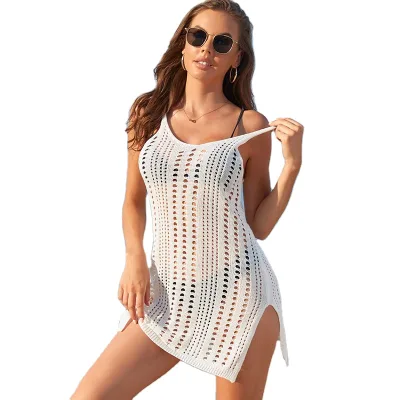
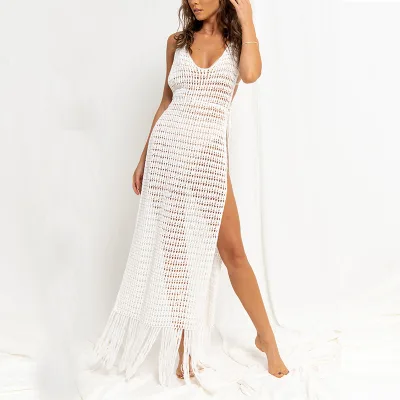


Crochet Beach Cover up Women Sleeveless Hollow out Summer Bikini Coverup
$9.00 - $10.00
MOQ: 1000 Pieces


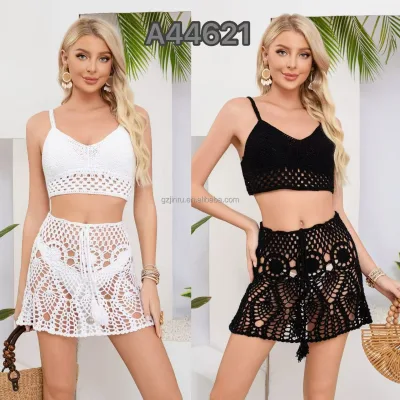
Manufacturer Hand Crochet Women Two Piece Set Knitted Skirt Swimsuit Cover Ups
$8.1098 - $9.0972
MOQ: 2 sets
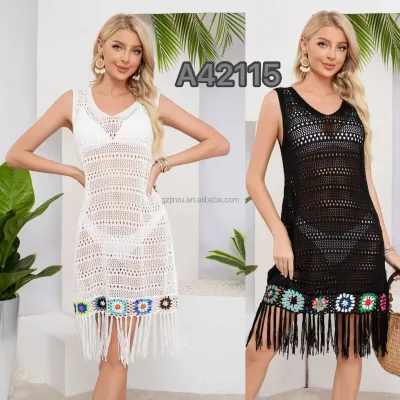
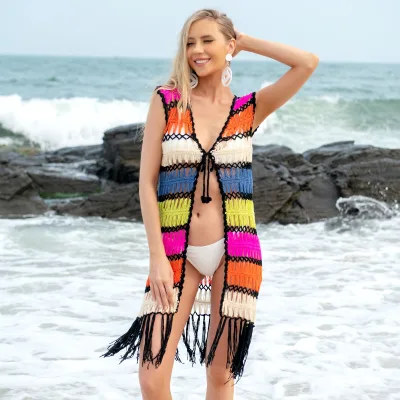
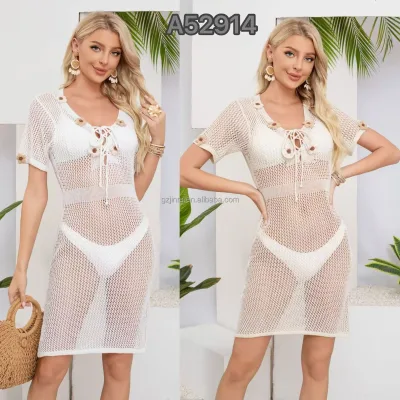
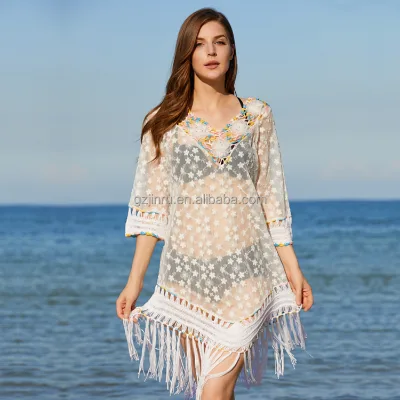
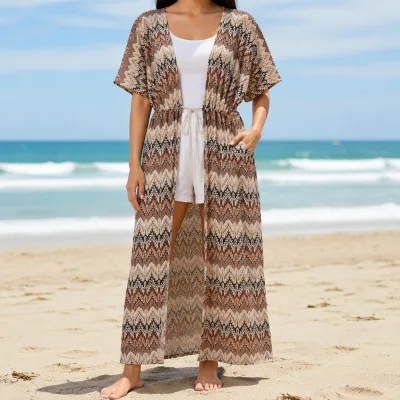
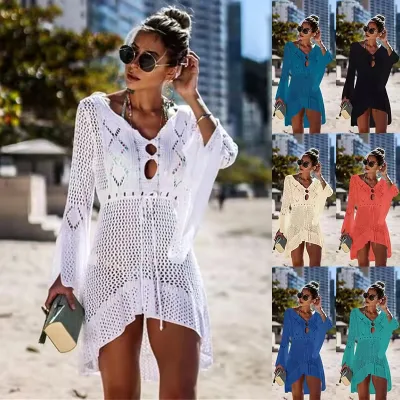
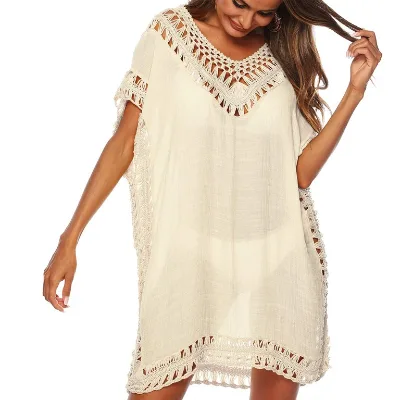
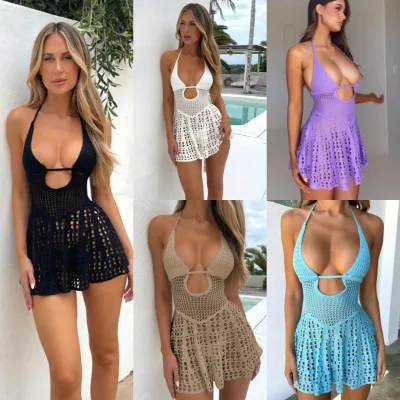
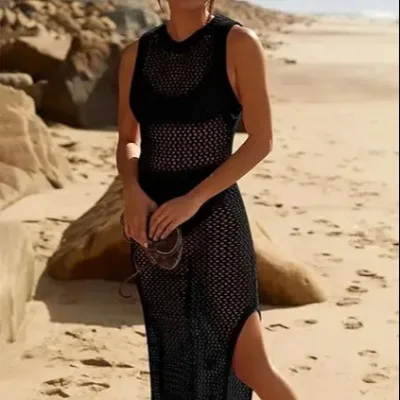

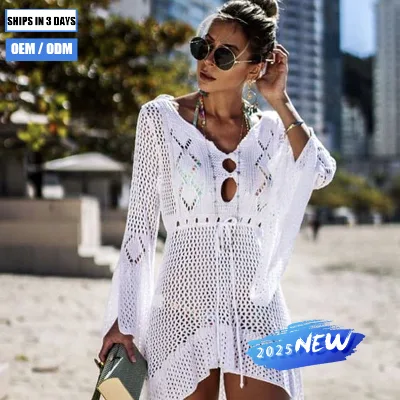
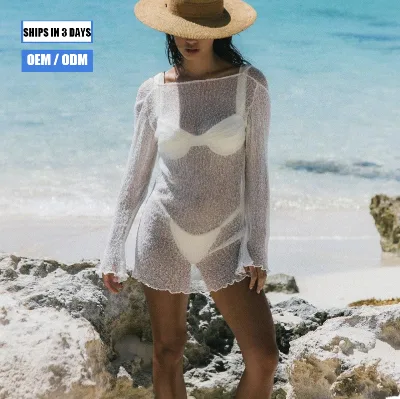
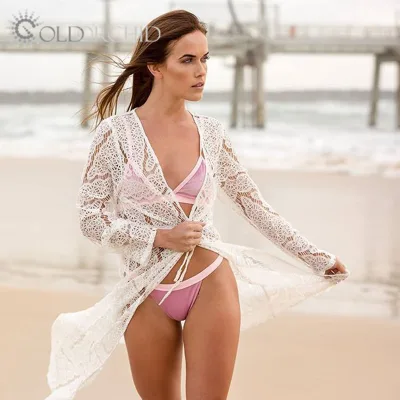
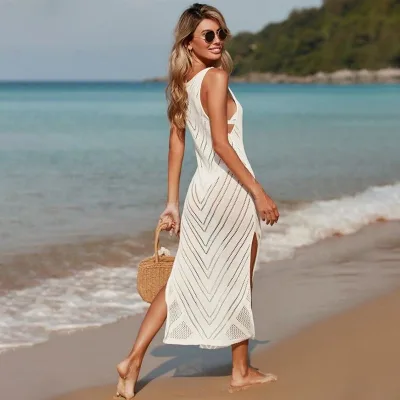
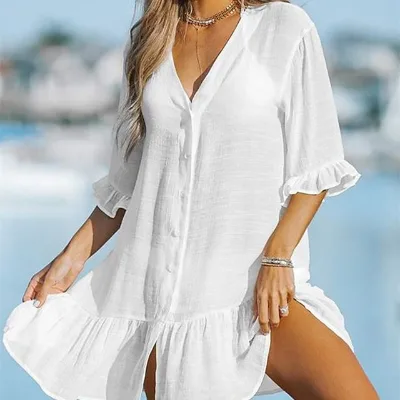
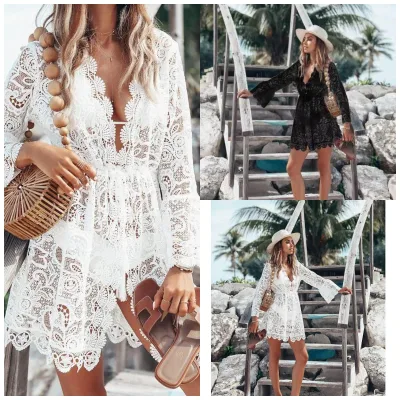
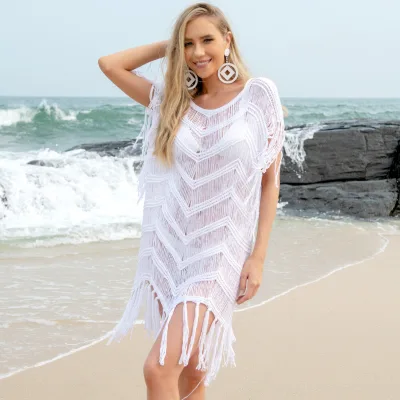

Comprehensive Sourcing Guide
Crochet Knit Swimsuit Coverup Sourcing Guide
Sourcing crochet knit swimwear coverups requires balancing aesthetic appeal with functional durability, as these garments serve as both fashion statements and practical beachwear. Buyers must navigate a market where hand-crochet techniques define the product’s texture and visual identity, often contrasting with machine-knit alternatives that offer uniformity. The observed product landscape includes items labeled with specific model numbers such as HFZS-260326 and HFZZYY-260318, indicating a diverse range of styles available from manufacturers. These models often feature distinct design elements like off-the-shoulder necklines or gingham patterns, which influence the target demographic and seasonal relevance. Procurement teams should prioritize suppliers who clearly distinguish between hand-crochet and other weaving methods, as this distinction significantly impacts production time, cost structure, and the final garment’s drape and fit.
The material composition and construction details are critical for ensuring customer satisfaction and reducing return rates. Many listed items utilize 100% polyester or knitting cotton, with fabric weights ranging from thin to moderate, such as 160 grams per square meter. These material choices affect breathability, quick-drying capabilities, and overall comfort in humid environments. Buyers should verify the specific weave structure, whether knitted or woven, and confirm the presence of features like anti-UV protection or windproof qualities if required for specific market segments. Additionally, the availability of size ranges from S to 6XL and color options like white and black provides flexibility, but consistency in sizing across different batches remains a key quality metric that must be validated through sample orders before committing to larger volumes.
Product Scope and Observed Listing Signals
The current market for crochet knit swimsuit coverups exhibits a wide variance in product attributes, reflecting the customizable nature of textile manufacturing. Observed listings include items with model numbers like HFMY-251219 and S0692, each associated with distinct packaging dimensions and weights. For instance, some products are packed in PE bags with single package sizes of 32x22x21 cm, while others are more compact at 30x20x2 cm. These physical specifications are vital for logistics planning, as they directly influence shipping costs and warehouse storage efficiency. Buyers should carefully review the single gross weight, which ranges from 0.250 kg to 0.450 kg, to accurately calculate landed costs and ensure that the product meets the expected weight-to-value ratio for their target retail price points.
Fashion elements and style descriptors provide further insight into the product’s market positioning. Attributes such as "Bikini" style, "Midi" dress length, and "Bodycon" silhouette indicate a focus on form-fitting, trendy designs suitable for summer seasons. The presence of features like puff printing or simple fashion elements suggests a blend of traditional crochet aesthetics with modern printing techniques. Additionally, the availability of in-stock items with an available quantity of 1000 units offers opportunities for rapid fulfillment, while custom orders may require longer lead times. Buyers must distinguish between ready-to-ship inventory and made-to-order items, as this distinction affects supply chain resilience and the ability to respond to sudden demand spikes during peak beachwear seasons.
Technical Specifications to Verify
Verifying technical specifications is essential to ensure that the crochet knit coverups meet the intended design and functional requirements. Buyers should confirm the exact model number and production standard, such as 30x25x5 cm, which may refer to packaging or product dimensions. The needle detection attribute, marked as "Yes" for some items, is a critical quality control measure that ensures no metal fragments remain in the finished garment, enhancing safety for consumers. Additionally, the fit type, whether regular or bodycon, must align with the brand’s sizing chart to minimize fit-related returns. It is also important to verify the neckline style, such as V-neck or off-the-shoulder, and the sleeve length, which can be sleeveless or otherwise, to ensure the product matches the marketing imagery and customer expectations.
Material and construction details require close scrutiny to guarantee durability and comfort. The fabric type, described as worsted or knitting cotton, and the fabric weight of 160 grams should be validated against physical samples to assess hand feel and opacity. Buyers must also check the printing methods, such as puff printing, to ensure the design adheres properly and does not crack or peel after washing. The number of pieces, typically listed as one piece per set, should be confirmed to avoid confusion in inventory management. Furthermore, the availability of size options from S to 6XL, corresponding to US sizes 4 to 22, must be verified for consistency across all colorways and styles to maintain brand integrity and customer trust.
Compliance and Safety Documentation
Compliance with safety and quality standards is non-negotiable for textile imports, particularly for garments worn close to the skin. Buyers must ensure that suppliers provide documentation confirming the absence of harmful substances, such as heavy metals or allergenic dyes, in the 100% polyester or knitting cotton materials. The needle detection service, explicitly mentioned for some products, serves as a preliminary safety check, but formal third-party lab testing for physical and chemical properties is often required by retailers and regulatory bodies. This includes testing for colorfastness, shrinkage, and tensile strength to ensure the garment withstands repeated use and washing without degradation. Buyers should request test reports from accredited laboratories to verify that the products meet the safety standards of their target markets.
Environmental and ethical considerations are increasingly important in the procurement of fashion items. While some products are labeled as eco-friendly, buyers should seek clarification on what specific practices contribute to this claim, such as the use of recycled materials or energy-efficient manufacturing processes. The origin of the products, primarily from Zhejiang, China, should be verified for compliance with labor laws and ethical sourcing standards. Additionally, the branding, such as HYUNDIES or jindou, must be checked for trademark infringement to avoid legal issues. Buyers should also confirm the logo position, typically at the waist, and ensure that any custom branding is applied correctly and durably, as poor logo application can detract from the product’s perceived value and quality.
Cost Drivers and Commercial Terms
Understanding the cost drivers for crochet knit swimsuit coverups is crucial for accurate budgeting and pricing strategies. The primary cost factors include the complexity of the hand-crochet technique, the type of material used, and the volume of the order. Hand-crochet items generally command higher prices due to the labor-intensive nature of the production process, while machine-knit alternatives may offer cost savings. The observed price range of 2.8 to 21.99 USD reflects this variability, with higher prices associated with more intricate designs or premium materials. Buyers should negotiate based on the specific model and material specifications, ensuring that the quoted price includes all necessary packaging and labeling services to avoid hidden costs.
Commercial terms, including minimum order quantities (MOQ) and lead times, significantly impact procurement planning. The MOQ ranges from 1 to 1200 units, offering flexibility for both small试单 and large-scale production runs. A 7-day sample order lead time is supported by some suppliers, allowing for quick evaluation of product quality before committing to bulk orders. Buyers should clarify the production lead time for bulk orders, as this can vary based on the complexity of the design and the current factory workload. Additionally, payment terms and shipping methods should be negotiated to align with the company’s cash flow and inventory management strategies, ensuring that the total landed cost remains competitive in the target market.
Supplier Qualification and Quality Control
Supplier qualification is a critical step in mitigating risks associated with textile procurement. Buyers should conduct thorough due diligence on potential suppliers, verifying their business licenses, production capabilities, and past performance records. The presence of specific model numbers and detailed product attributes suggests a level of professionalism and organization, but buyers must still assess the supplier’s ability to maintain consistency across large production runs. It is advisable to request references from previous clients and to visit the factory if possible, to inspect the production environment and quality control processes firsthand. This due diligence helps ensure that the supplier can meet the required quality standards and delivery schedules.
Quality control measures must be implemented at every stage of the production process to ensure product integrity. Buyers should establish clear quality standards and inspection criteria, including checks for stitching quality, fabric defects, and accurate sizing. The use of needle detection services is a positive indicator, but additional inspections for visual defects, color consistency, and packaging accuracy are also necessary. Implementing a pre-shipment inspection (PSI) can help identify and rectify any issues before the goods are dispatched. Buyers should also consider hiring third-party inspection agencies to provide an unbiased assessment of the product quality, ensuring that the final goods meet the agreed-upon specifications and standards.
Long-Term Procurement Checks
Long-term procurement success depends on continuous monitoring and evaluation of supplier performance and product quality. Buyers should establish key performance indicators (KPIs) to track metrics such as on-time delivery, defect rates, and customer feedback. Regular reviews of these metrics help identify areas for improvement and ensure that the supplier remains aligned with the company’s quality and service expectations. Additionally, maintaining open communication with suppliers fosters a collaborative relationship, enabling the resolution of issues and the implementation of corrective actions. This proactive approach helps build a resilient supply chain that can adapt to changing market conditions and customer demands.
Sustainability and innovation are key trends that will shape the future of the crochet knit swimwear market. Buyers should stay informed about emerging materials, technologies, and design trends to remain competitive. Engaging with suppliers on sustainability initiatives, such as the use of eco-friendly materials or ethical manufacturing practices, can enhance the brand’s reputation and appeal to environmentally conscious consumers. Furthermore, exploring opportunities for product innovation, such as new patterns or functional features, can differentiate the brand in a crowded market. By continuously evaluating and adapting to these trends, buyers can ensure long-term success and growth in the procurement of crochet knit swimsuit coverups.
FAQs
What materials are used for crochet knit swimsuit coverups?
These coverups are typically crafted from 100% polyester or knitting cotton. The polyester options offer durability and quick-dry properties, while cotton variants provide a softer, breathable feel. Both materials support eco-friendly production standards and are suitable for summer wear, ensuring comfort and functionality for beach activities.
Can I get a sample order for crochet knit swimsuit coverups?
Yes, sample orders are supported with a lead time of 7 days. This allows buyers to verify quality, fit, and printing methods like puff printing before committing to bulk production. The sample process ensures that the final product meets specific design requirements and quality expectations for your brand.
What are the standard packaging details for these coverups?
Products are packed in PE bags to protect the fabric during transit. The single package size varies, often measuring around 30x20x2 cm or 32x22x21 cm depending on the style. This packaging method ensures the items remain clean and undamaged, facilitating efficient storage and distribution for retailers.
Which sizes are available for women's crochet knit coverups?
Sizes range from Small to 6XL, covering US sizes 4 through 22. This extensive size range includes options like S(4), M(6), L(8-10), and up to XXL(14) or larger. The regular fit type ensures comfort for various body types, making it suitable for plus-size customers as well.
What features do these swimsuit coverups offer?
Key features include breathable, quick-dry, and anti-UV properties. They are also eco-friendly and windproof, making them ideal for outdoor use. Some styles offer plus-size options and come in colors like white and black. These attributes ensure practicality and style for beach and poolside activities.
Where are these crochet knit coverups manufactured?
These products originate from China, specifically from the Zhejiang region. Manufacturing in this area allows for efficient production of knitting cotton and polyester items. The location supports reliable supply chains and consistent quality control, ensuring that buyers receive products that meet international standards and specifications.