Source Crop Unlined Wool Hoodie for Gym, Travel, and Daily Wear
Compare 30 verified listings for the Crop Unlined Wool Hoodie featuring cotton blends, long or short sleeves, and customizable logos. Buyers can review sizes, weights, and lead times from China-based suppliers offering samples and bulk orders.
Key considerations
Products List


Hoodie Crop Top Yellow Sweatshirt White Crop Hoodie Cowl Neck Sweatshirt
$3.00 - $5.00
MOQ: 500 Pieces


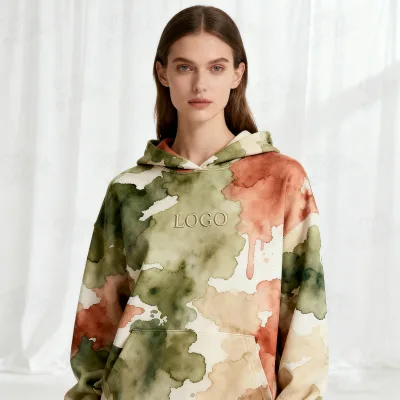
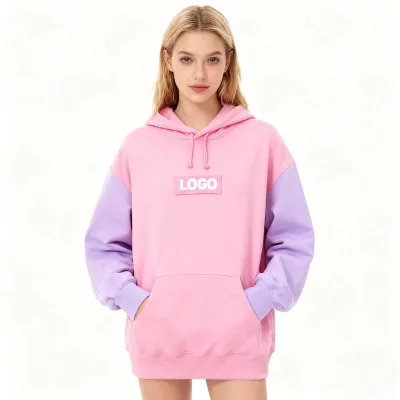


Comprehensive Sourcing Guide
Strategic Sourcing Guide for Unlined Wool Hoodies
Understanding Product Attributes and Material Composition
When sourcing a Crop Unlined Wool Hoodie, buyers must first navigate the complex landscape of material definitions and product attributes. The term "wool" in B2B contexts often implies a blend rather than 100% pure wool, especially in cost-sensitive apparel categories. Based on observed market data, materials frequently listed include Cotton, Blends, and Cotton/Spandex combinations. While the core keyword specifies wool, the actual supply chain often features "Blends" where wool may be a component mixed with synthetic fibers to achieve specific drape, stretch, or cost targets. Buyers should verify the exact fiber composition percentage, as "Cotton/Spandex" offers significant stretch and comfort, whereas "Blends" might prioritize durability or texture.
The structural design of the hoodie is equally critical. The "crop" style implies a shorter hemline, often targeting a specific silhouette for the adult demographic. In the observed product range, attributes such as "Long Sleeve" and "Short Sleeve" are both available, meaning the buyer must specify the desired sleeve length to avoid receiving a standard full-length garment. The "unlined" aspect is a crucial thermal specification; it suggests the garment relies on the fabric weight and knit density for warmth rather than an internal fleece or lining layer. This is often paired with a "Fixed" hood type, which is a permanent feature of the garment structure.
Pattern variations are another significant differentiator. The market offers "Solid," "Graphic," and "Pullover" styles. A "Pullover" indicates a front-opening design without a zipper, which is standard for hoodies. The "Kangaroo" pocket type is a common feature observed in these listings, providing a functional storage element. Additionally, the "Turtleneck" and "Round Neck" collar styles represent distinct design choices that affect the overall aesthetic and fit. Buyers must explicitly state their preference for these attributes, as the supply chain contains products ranging from simple solid colors to complex graphic prints, and from round necks to turtlenecks.
Technical Specifications and Sizing Standards
Technical specifications form the backbone of any procurement agreement, ensuring that the physical product matches the design intent. In the observed data, size specifications vary significantly. Some products are listed with specific sizes like "L" or "S," while others offer a comprehensive range including "XS/S/M/L/XL/2XL/3XL/4XL" with customization options. For a crop hoodie, the sizing chart is particularly sensitive because the length is shortened; a standard "L" in a full-length hoodie may not translate correctly to a "L" in a cropped version without specific measurement adjustments.
Weight and density are vital for an unlined garment. The observed data mentions a material weight range of "250~600GSM" (Grams per Square Meter), which is highly customizable. This range is substantial; a 250 GSM fabric will be lightweight and breathable, suitable for spring or autumn, while 600 GSM will be heavy and substantial, potentially offering the "Warm" feature observed in some listings. Since the product is unlined, the GSM directly correlates to thermal performance. Buyers must verify the exact GSM for their target season, as "Spring / Autumn" is a common seasonal classification, but the specific weight determines if the garment is suitable for colder winter conditions without a liner.
Knitting methods also play a role in the final product quality. "Warp Knitting" is a specific technique observed in the data, which typically produces a fabric that is stable and resistant to runs, though it may have less stretch than weft knitting. The "Cotton/Spandex" material combination suggests a need for elasticity, which warp knitting must accommodate. Furthermore, the "prod_model" codes, such as "H-03," "Le996," "DY-621," and "ES240812JU-H," serve as unique identifiers for specific designs. These models often dictate the specific cut, pocket placement, and hood shape. Buyers should reference these model numbers in purchase orders to ensure consistency across batches, as different models may have vastly different construction methods despite sharing the same general category.
Compliance, Certification, and Regulatory Checks
Navigating compliance and certification is a critical step in B2B apparel sourcing, particularly when dealing with materials like wool and blends. While the provided data includes a low-confidence background reference to "GOTS" (Global Organic Textile Standard), it is essential to treat this as a potential attribute rather than a guaranteed fact for every listed product. Buyers cannot assume that a supplier offering "Cotton/Blends" automatically holds GOTS certification. Instead, the procurement strategy must involve a direct verification process where the buyer requests valid, current certificates for the specific batch of goods.
The origin of the product is a key compliance factor. The observed data consistently lists "China," "China Mainland," and "China, Jiangsu" as the points of origin. Sourcing from these regions requires a thorough understanding of the specific export regulations and labor standards applicable to the manufacturing facilities. While "China, Jiangsu" is a specific province known for textile manufacturing, the broader "China Mainland" designation requires a more generalized due diligence process. Buyers should verify that the supplier adheres to international labor standards and that the manufacturing process complies with the import regulations of the destination country.
Material safety and chemical compliance are also paramount. The "Cotton/Spandex" and "Blends" mentioned in the data must be free from prohibited substances. Buyers should request test reports for azo dyes, formaldehyde, and other restricted chemicals, especially if the target market has strict environmental regulations. The "Customized" nature of the product, including "Logo: Printing, Embroidery, Label etc," introduces additional compliance layers. The inks used for printing and the threads used for embroidery must also meet safety standards. The "Samples Can Be Available" attribute is a useful tool for compliance testing; buyers should always request physical samples to conduct their own or third-party lab tests before committing to a large order.
Cost Drivers and Pricing Dynamics
Understanding the cost drivers for crop unlined wool hoodies is essential for budgeting and negotiation. The observed price range in the market spans from 3 to 35 USD, a wide variance that reflects differences in material quality, complexity of design, and order volume. The primary cost driver is the material composition. A hoodie made of 100% cotton or a high GSM wool blend will cost significantly more than a lightweight cotton/spandex blend. The "Material Weight: 250~600GSM" range indicates that heavier fabrics will incur higher material costs, directly impacting the unit price.
Order volume is another critical factor. The observed "MOQ" (Minimum Order Quantity) ranges from 2 to 1000 PCS. While some suppliers may accept small orders of 2 pieces, the standard for bulk production often sits at 1000 PCS, as indicated by specific product attributes. Ordering closer to the 1000 PCS threshold typically yields a lower unit price due to economies of scale in production and material purchasing. Conversely, orders near the lower end of the MOQ range may incur a premium. The "Mass Lead Time" of 30 days, according to order quantity, also influences cost; rush orders may require expedited shipping or overtime labor, increasing the overall cost.
Customization is a significant cost multiplier. Attributes such as "Customization: Available," "Logo: Customized," and "Design: as Customer Request" add layers of complexity to the manufacturing process. Custom printing, embroidery, and label placement require setup costs and additional labor time. The "Sample Time" of 15-20 days suggests that the customization process is not instantaneous, and the associated costs for sample development must be factored into the total budget. Additionally, packaging requirements, such as "1 PCS Per Poly Bag" or "Export Carton," add to the cost. More complex packaging solutions, like custom boxes or branded poly bags, will increase the final price per unit.
Supplier Evaluation and Production Capabilities
Evaluating suppliers requires a focus on their production capabilities, consistency, and ability to meet specific customization needs. The observed data highlights several key capabilities, such as the ability to produce "Samples" and the availability of "Customized" designs. A reliable supplier should demonstrate a robust sample development process, with a clear "Sample Time" of 15-20 days. This timeline indicates the supplier's efficiency in prototyping and their willingness to iterate on designs before mass production.
The "Mass Lead Time" of 30 days is a standard benchmark for many suppliers, but buyers must verify if this timeline is consistent across different order quantities. Some suppliers may offer "30days, According to Order Quantity," which implies that larger orders might take longer or that the timeline is flexible based on production capacity. Buyers should assess the supplier's capacity to handle the specific "prod_model" they are interested in. For instance, a supplier familiar with models like "H-03" or "Le996" may have established workflows that ensure higher quality and faster turnaround times.
Quality control is another critical aspect of supplier evaluation. The "prod_packing" specifications, such as "1 PCS Per Poly Bag" or "20PCS Per Carton," indicate the supplier's attention to detail in packaging. A supplier that consistently follows these standards is likely to have a rigorous quality control process in place. Buyers should also look for suppliers who offer "Customized" packing solutions, as this flexibility often correlates with a higher level of service and attention to client needs. The "prod_standard" of "27530CM 0.5KG" or "536548cm" provides insight into the supplier's logistics capabilities and their ability to optimize shipping costs.
Quality Control and Inspection Protocols
Implementing a robust quality control (QC) protocol is essential to ensure that the final product meets the buyer's expectations. Given the variability in materials and designs, a standardized inspection plan should be developed before production begins. The "Material Weight: 250~600GSM" range requires precise measurement during the inspection phase to ensure the fabric meets the specified GSM. Buyers should verify that the fabric weight is consistent across the entire batch, as variations can affect the garment's drape and thermal performance.
Construction quality is another critical area of focus. The "Kangaroo" pocket, "Fixed" hood, and "Long Sleeve" or "Short Sleeve" designs must be inspected for proper stitching and alignment. The "Warp Knitting" method should be checked for consistency in the knit structure to ensure there are no runs or defects. The "Logo: Printing, Embroidery, Label etc" should be inspected for placement accuracy, color fastness, and durability. Buyers should request pre-production samples to verify these details and establish a baseline for the final inspection.
Packaging and labeling are also part of the QC process. The "prod_packing" specifications, such as "1PCS/OPP Bag" or "Export Carton," must be followed strictly to prevent damage during transit. The "prod_standard" dimensions should be verified to ensure that the packaging is appropriate for the product size and weight. Additionally, the "Age Group: Adults" and "Gender: Unisex" labels must be accurate to avoid confusion in the retail market. Buyers should conduct a final random inspection (AQL) before shipment to ensure that the product meets all quality standards and is ready for distribution.
Long-Term Procurement and Relationship Management
Building a long-term procurement relationship with suppliers is crucial for maintaining consistency and securing favorable terms. The "Customization: Available" attribute suggests that suppliers are open to ongoing collaboration and design iterations. Buyers should leverage this flexibility to develop exclusive designs or improve existing products over time. The "Sample Time" of 15-20 days indicates that the supplier is capable of handling iterative design processes, which is essential for long-term product development.
The "Mass Lead Time" of 30 days provides a predictable timeline for production planning. By maintaining a steady order volume, buyers can negotiate better lead times and pricing. The "MOQ" of 1000 PCS is a standard threshold that buyers should aim to meet to secure volume discounts. However, the range of 2 to 1000 PCS suggests that suppliers are willing to accommodate smaller orders, which can be useful for testing new designs or managing inventory levels.
Communication and transparency are key to a successful long-term relationship. Buyers should maintain open lines of communication regarding design changes, material updates, and production schedules. The "Design: as Customer Request" attribute highlights the importance of a collaborative approach. By working closely with the supplier, buyers can ensure that the final product aligns with their brand vision and market demands. Regular quality audits and performance reviews can help identify areas for improvement and ensure that the supplier continues to meet the buyer's standards.
Comparative Analysis of Product Variants
To facilitate informed decision-making, it is helpful to compare different product variants based on the observed data. The following table summarizes key attributes of the available options:
| Attribute | Variant A (H-03) | Variant B (Le996) | Variant C (DY-621) | Variant D (ES240812JU-H) |
|---|---|---|---|---|
| Material | Cotton | Blends | Cotton/Spandex | Cotton/Spandex |
| Sleeve Length | Long Sleeve | Short Sleeve | Short Sleeve | Short Sleeve |
| Pattern | Solid | Graphic | Pullover | Pullover |
| Pocket Type | Kangaroo | N/A | N/A | N/A |
| Hood Type | Fixed | N/A | N/A | N/A |
| Collar Style | N/A | N/A | Turtleneck | Round Neck |
| MOQ | 1000 PCS | N/A | N/A | N/A |
| Sample Time | 15-20 Days | 15-20 Days | 15-20 Days | 15-20 Days |
| Lead Time | 30 Days | 30 Days | 30 Days | 30 Days |
| Origin | China | China, Jiangsu | China | China Mainland |
This comparison highlights the diversity in the market. Variant A offers a solid pattern with a kangaroo pocket and long sleeves, suitable for a classic look. Variant B features a graphic pattern and short sleeves, ideal for a more casual style. Variant C and D offer turtleneck and round neck options, respectively, with the material weight and GSM being customizable. Buyers should select the variant that best aligns with their target market's preferences and the specific design requirements of their brand.
In conclusion, sourcing a Crop Unlined Wool Hoodie requires a meticulous approach to material selection, technical specifications, and supplier evaluation. By understanding the nuances of the product attributes and maintaining a rigorous quality control process, buyers can secure high-quality products that meet their business objectives. The flexibility of the supply chain, with its range of customization options and varying MOQs, provides ample opportunity for strategic procurement and long-term growth.
FAQs
What materials are used for crop unlined wool hoodies?
Materials typically include Cotton, Blends, or Cotton/Spandex combinations rather than pure wool. Buyers must verify exact fiber composition as blends often mix wool with synthetics for cost and drape targets.
Can I customize the logo on these hoodies?
Yes, customization is available with options like Printing, Embroidery, and Label placement. The design can be as per customer request, but sample times of 15-20 days apply before mass production.
What is the minimum order quantity for these products?
The minimum order quantity ranges from 2 to 1000 pieces depending on the supplier. Standard bulk production often requires 1000 PCS, while smaller orders may incur higher unit costs.
How long does mass production take for these hoodies?
Mass lead time is typically 30 days according to the order quantity. Buyers should note that larger orders may require more time, and rush orders could increase overall costs.
Where are these crop unlined wool hoodies manufactured?
Products originate from China, specifically China Mainland and Jiangsu province. Sourcing from these regions requires verification of export regulations and adherence to international labor standards.
What sizes are available for these hoodies?
Sizes range from specific options like S and L to full ranges including XS through 4XL. Customization is available for sizing, which is critical for ensuring the correct fit for a crop style.
What is the price range for these hoodies?
The observed price range spans from 3 to 35 USD per unit. Pricing varies based on material weight, design complexity, and order volume, with heavier fabrics generally costing more.