Source Cross Ceramic Figurine Ornaments for Gifts and Decor
Find 30 Cross Ceramic Figurine Ornaments in various styles including European, creative, and luxury designs. Compare specifications for indoor and outdoor use, noting materials like porcelain and ceramic, and customization options for business gifts or home decoration.
Key considerations
Products List


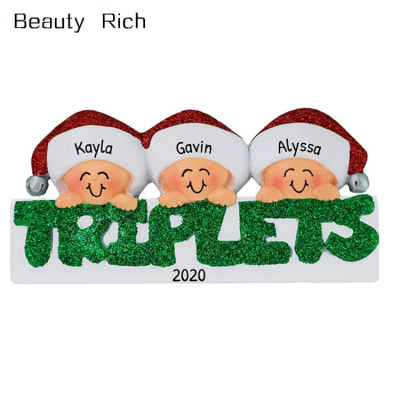

Simple Sculpture Home Decor Sculpture Ornaments Decoration Abstract Art Figure Sculpture
$11.50 - $12.50
MOQ: 100 Pieces


Comprehensive Sourcing Guide
Cross Ceramic Figurine Ornaments Sourcing Guide
Sourcing Cross Ceramic Figurine Ornaments requires a nuanced understanding of material properties, aesthetic variations, and commercial logistics. These items serve as decorative accents for both residential interiors and commercial spaces, often functioning as gifts or collectibles. Buyers must navigate a market characterized by diverse styles, from retro and European designs to creative and luxury finishes. The procurement process involves verifying specific attributes such as glaze type, shape, and packaging standards to ensure the final product aligns with brand expectations and quality benchmarks.
This guide provides a structured approach to evaluating suppliers and products in this category. It focuses on evidence-based decision-making, utilizing observed listing signals and technical specifications to mitigate risk. By adhering to the principles outlined herein, procurement professionals can establish clear verification protocols, assess cost drivers accurately, and maintain long-term supplier relationships. The emphasis is on due diligence, ensuring that every aspect of the order, from material composition to delivery terms, is transparent and controlled.
Product Scope and Observed Listing Signals
The current market for Cross Ceramic Figurine Ornaments exhibits a wide range of stylistic and functional variations. Observed listings indicate a prevalence of European and retro styles, often featuring matte glazes and modern aesthetics. Colors range from classic white and black to multicolour options, with shapes varying from abstract figures to specific animal forms. These items are primarily intended for indoor decoration, though some applications extend to outdoor use. The material composition is predominantly ceramic and porcelain, with many products noted as hand-made, which adds value but also introduces variability in production.
Commercial signals suggest that customization is a key differentiator in this sector. Suppliers frequently offer customized options, allowing buyers to tailor designs for specific markets or branding needs. Packaging standards vary, with some items packed in bubble wrap and brown boxes, while others use individual PP bags within three-layer boxes. The presence of factory-direct indicators and fast delivery options suggests a competitive landscape where speed and direct sourcing are valued. Buyers should carefully review these signals to identify suppliers who can meet their specific volume and timeline requirements.
Technical Specifications to Verify
Technical verification begins with confirming material integrity and dimensional accuracy. Buyers must ensure that the ceramic and porcelain materials meet durability standards, particularly for items intended for high-traffic areas or frequent handling. The specified dimensions, such as 4.8x23cm or 6.8x20cm, should be cross-referenced with physical samples to account for manufacturing tolerances. Additionally, the glaze type, whether matte or otherwise, should be inspected for consistency and resistance to chipping or fading. These physical attributes directly impact the product's longevity and visual appeal.
Model numbers and standard packaging dimensions are critical for logistics planning. Listings often include specific model identifiers like SLYD0001 or FS13763-30, which correspond to distinct design variations. Buyers should verify that the packaging dimensions, such as 12.5x9x30 cm, align with their shipping and storage constraints. The power source is typically non-power for these decorative items, but this should be confirmed to avoid confusion with electronic alternatives. Ensuring that the product model matches the ordered specification is essential to prevent discrepancies in design and size.
Compliance and Safety Documentation
Compliance documentation is essential for ensuring that ceramic ornaments meet safety and quality standards. Buyers should request certificates of conformity that verify the materials are free from harmful substances, such as lead or cadmium, which can be present in glazes. Although specific standards are not always listed, buyers must verify that the products adhere to relevant international safety regulations for decorative items. This is particularly important for products intended for the European or North American markets, where strict regulations govern consumer goods.
Packaging compliance is another critical area. The use of bubble wrap, brown boxes, or PP bags must be evaluated for environmental impact and durability. Buyers should ensure that the packaging materials are suitable for protecting the fragile ceramic items during transit. Additionally, any labeling or marking on the packaging should comply with local regulations regarding product origin and care instructions. Verifying these documentation requirements helps mitigate legal risks and ensures that the products can be sold without restriction in target markets.
Cost Drivers and Commercial Terms
Cost drivers in the ceramic ornament market include material quality, production complexity, and customization levels. Hand-made items typically command higher prices due to the labor-intensive nature of their production. The choice of glaze, color, and shape also influences cost, with intricate designs and premium finishes adding to the final price. Buyers should analyze these factors to understand the value proposition of each supplier offering. Additionally, the MOQ (Minimum Order Quantity) ranges from 1 to 10000 units, allowing for flexibility in order sizes but potentially affecting unit costs.
Commercial terms such as lead time and payment conditions are crucial for effective procurement planning. Fast delivery options are available, but buyers should confirm the actual lead times for customized orders, which may be longer than standard items. Payment terms should be negotiated to balance risk and cash flow, with options like letters of credit or escrow services providing security. Understanding the total cost of ownership, including shipping and handling, is essential for accurate budgeting. Buyers should seek transparency in pricing to avoid hidden fees and ensure competitive rates.
Supplier Qualification and Quality Control
Supplier qualification involves assessing the manufacturer's capabilities and reputation. Buyers should verify that the supplier is a factory, as indicated in some listings, to ensure direct control over production quality. Checking for certifications, such as ISO standards, can provide additional assurance of consistent manufacturing processes. It is also important to review the supplier's history and client feedback to gauge reliability and customer satisfaction. A qualified supplier should demonstrate a commitment to quality and continuous improvement.
Quality control measures must be established to ensure product consistency. Buyers should implement pre-shipment inspections to verify that the items meet the agreed-upon specifications for size, color, and finish. Random sampling can help identify defects or variations in the glaze and shape. Additionally, suppliers should be required to provide quality control reports detailing the inspection results. Establishing clear quality benchmarks and communication channels with the supplier is essential for maintaining high standards and addressing any issues promptly.
Long-Term Procurement Checks
Long-term procurement success depends on continuous monitoring and relationship management. Buyers should regularly review supplier performance metrics, including on-time delivery rates, product quality, and responsiveness to issues. Establishing a feedback loop with the supplier can facilitate continuous improvement and address any emerging challenges. Additionally, staying informed about market trends and material innovations can help buyers make informed decisions about future orders. Building a strong partnership with reliable suppliers is key to securing consistent supply and competitive pricing.
Risk management strategies should be updated periodically to address potential disruptions. This includes diversifying the supplier base to mitigate the risk of single-source dependency. Buyers should also monitor regulatory changes that may impact product compliance or shipping logistics. Regular audits of the supply chain can help identify vulnerabilities and implement corrective actions. By maintaining a proactive approach to procurement, buyers can ensure the long-term stability and success of their ceramic ornament sourcing operations.
FAQs
What materials are used for these Cross Ceramic Figurine Ornaments?
These ornaments are crafted from ceramic and porcelain materials. The products feature a hand-made process with a matte glaze finish, ensuring a durable and high-quality appearance suitable for decorative purposes.
Can I request custom designs for these ceramic figurines?
Yes, customization is available for these products. Buyers can request specific styles or shapes, including European, creative, or luxury designs, to meet unique business or personal gift requirements.
What are the available sizes for the Cross Ceramic Figurine Ornaments?
The ornaments come in various dimensions such as 4.8x23cm, 6.8x20cm, and 5.8x15cm. Specific models like SLYD0001 and FS13763-30 have defined size standards to fit different display needs.
How are these ceramic figurines packaged for shipping?
Products are typically packed with bubble wrap and brown boxes or individually in PP bags within three-layer boxes. This secure packaging ensures the items arrive safely without damage during transit.
Are these ornaments suitable for both indoor and outdoor use?
Yes, the ornaments are suitable for both indoor and outdoor applications. They are designed as modern, retro-style decorations that can enhance home, business, or holiday gift settings effectively.
What is the lead time for fast delivery of these items?
Fast delivery is available for these ceramic figurine ornaments. Buyers can expect efficient processing times, though specific lead times may vary based on order volume and customization requirements.
Which styles are available for these cross ceramic figurines?
Available styles include European, creative, luxury, and natural designs. The products feature shapes like figures and animals, often in white, black, or multicolour finishes to suit various aesthetic preferences.