Source Crystal Arabic Style Incense Burner for home, therapeutic, and aromatic use
Explore 30 listings for the Crystal Arabic Style Incense Burner suitable for home, therapeutic, and aromatic applications. Buyers can compare specifications, customization options, and pricing details across verified suppliers.
Key considerations
Products List


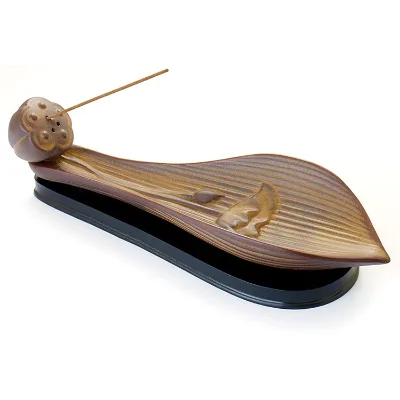
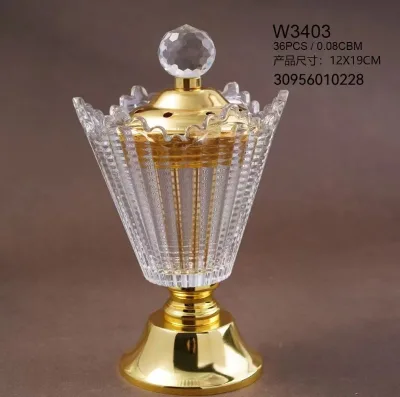
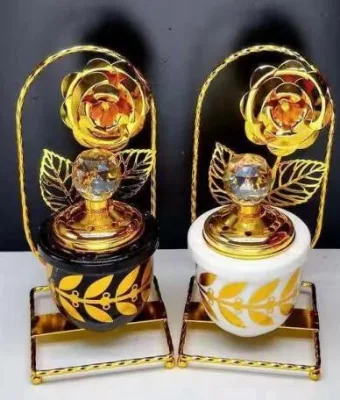
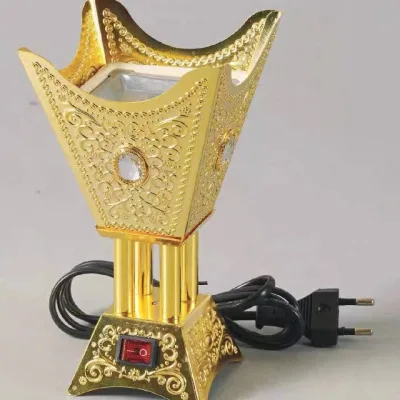
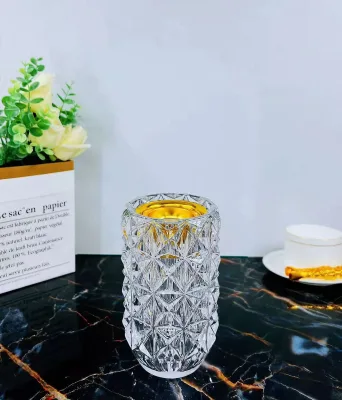
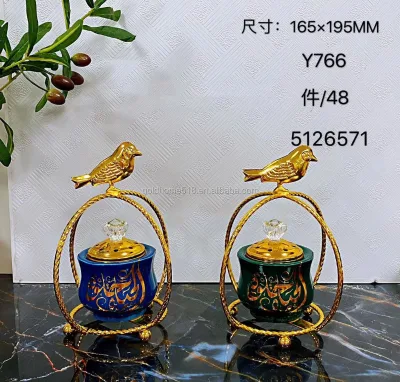
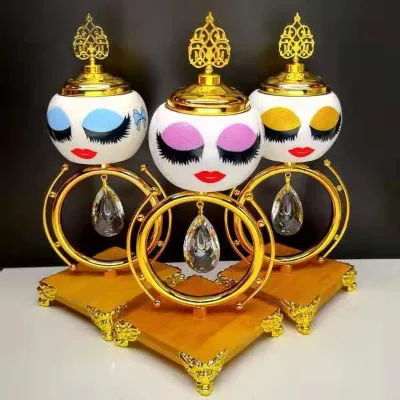


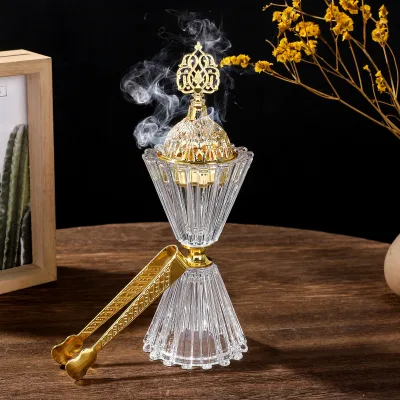
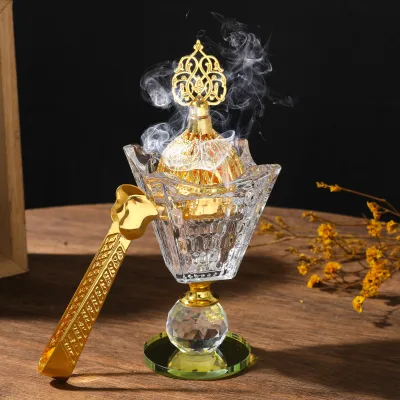

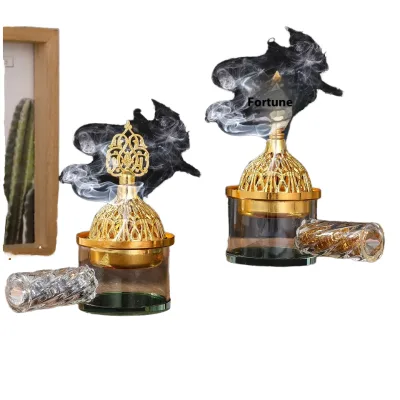
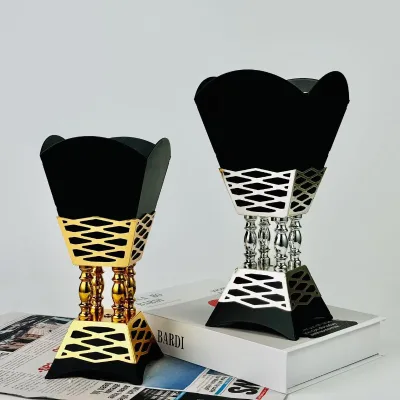
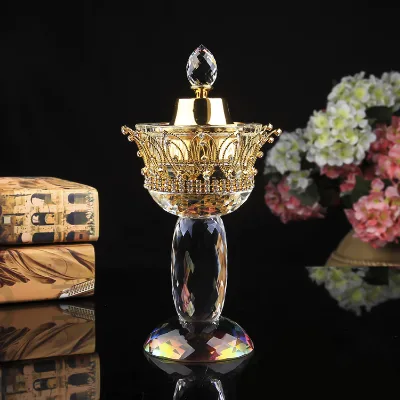
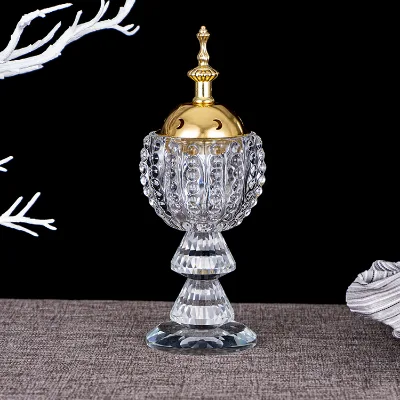
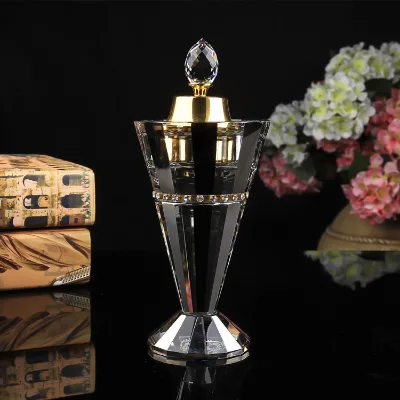
Comprehensive Sourcing Guide
Crystal Arabic Style Incense Burner Sourcing Guide
Sourcing crystal-style incense burners requires a nuanced understanding of both aesthetic expectations and functional safety, particularly when targeting markets with strong cultural traditions such as the Middle East. These products often serve as dual-purpose items, functioning as decorative home accents while providing a practical vessel for aromatic burning. Buyers must navigate a landscape where "crystal" may refer to actual glass or crystal materials, or it may describe a high-gloss, reflective ceramic or plastic finish that mimics the visual appeal of crystal. The observed market signals indicate a diverse range of offerings, from traditional ceramic burners to electric models, necessitating careful verification of material composition to ensure the product meets the intended use case, whether for therapeutic home use or commercial aromatic applications.
The procurement strategy for these items is heavily influenced by regional preferences and customization capabilities. Suppliers from regions like Chaozhou and Zhejiang in China are prominent sources, offering products that cater specifically to Arabic incense traditions. Buyers should prioritize suppliers who demonstrate flexibility in customization, as the market often demands specific color palettes, such as black, white, and brown, or specific styles like Islamic custom designs. Understanding the distinction between single-item sales and bulk packaging is critical, as the visual presentation in retail environments often dictates the success of the product, making packaging details a key component of the sourcing decision rather than just an afterthought.
Product Scope and Observed Listing Signals
The current market for crystal-style incense burners exhibits a wide variance in product definitions, materials, and intended applications. Listings indicate the presence of products made from crystal, plastic, and electric components, alongside traditional ceramic options. This diversity suggests that buyers must explicitly define their material requirements during the sourcing phase. For instance, some products are marketed with keywords like "Insence Burner Ceramic," while others emphasize "Electric" or "Plastic" materials. This discrepancy highlights the importance of verifying the actual material composition, as a buyer seeking a genuine crystal or glass burner may inadvertently receive a plastic alternative if specifications are not rigorously enforced.
Observed listing signals also reveal significant variation in packaging and branding, which impacts both logistics and retail positioning. Products are available in various packaging formats, including color boxes, opp bags, gift boxes, and customized packaging solutions. The presence of brands such as GoldHome, Gold Home, and Cloud Home indicates that private labeling is a viable option for buyers looking to establish their own brand identity. Additionally, the observed model numbers, such as CH-036 and GH-002, suggest that suppliers maintain distinct product lines, allowing buyers to select specific designs that align with their target demographic. The availability of mixed colors and specific regional features, such as Arabic incense styles, further underscores the need for precise product selection to meet cultural expectations.
Technical Specifications to Verify
Technical verification must begin with the physical dimensions and structural integrity of the incense burner. Standard packaging dimensions observed in the market, such as 31.531.5106 and 3022.529.5cm, provide a baseline for logistics planning, but buyers must confirm the actual product size, which may vary between "big and small" variants. It is essential to verify the single volume and gross weight of individual units, as these metrics directly influence shipping costs and storage requirements. For products with a single gross weight of 0.0 kg listed, buyers should request actual weight data to ensure accurate freight calculations, as zero-weight listings often indicate missing or placeholder data in supplier catalogs.
The functional specifications of the burner, particularly regarding heat resistance and electrical safety, are critical for product performance and liability management. For ceramic or crystal burners, buyers must verify the material's ability to withstand high temperatures without cracking or emitting harmful fumes. For electric models, which are also present in the market, verification of electrical components, voltage compatibility, and safety certifications is mandatory. Buyers should also assess the technique used in manufacturing, such as manual craftsmanship, which may affect consistency and quality control. Ensuring that the product is suitable for its intended use, whether therapeutic or aromatic, requires a thorough review of these technical parameters to prevent product failures in the field.
Compliance and Safety Documentation
Compliance and safety documentation are non-negotiable for incense burners, given their direct interaction with heat and combustible materials. Buyers must ensure that suppliers provide relevant safety certifications, particularly for electric models, which may require CE, RoHS, or UL certifications depending on the target market. For non-electric burners, buyers should request material safety data sheets to confirm that the crystal, ceramic, or plastic materials are free from toxic substances and are food-grade or heat-resistant as appropriate. The absence of specific certification data in initial listings does not imply compliance; rather, it necessitates proactive verification through direct supplier communication and third-party testing.
Additionally, buyers must consider the regulatory requirements related to product labeling and packaging. The observed packaging details, such as "Opp bag & gift box," must comply with local labeling laws, including language requirements, safety warnings, and manufacturer information. For products targeting the Middle East, compliance with regional standards for aromatic products may also be necessary. Buyers should verify that the supplier can provide all necessary documentation, including test reports for flammability and material safety, to ensure that the products can be legally sold and used in the destination market without risking recalls or legal penalties.
Cost Drivers and Commercial Terms
Cost drivers for crystal-style incense burners include material quality, customization complexity, and packaging requirements. The use of genuine crystal or high-quality ceramic will naturally command a higher price point compared to plastic or basic ceramic alternatives. Customization options, such as private labeling, specific color schemes, and unique packaging designs, also contribute to cost variations. Buyers should analyze the trade-off between customization and cost, as excessive customization may lead to higher minimum order quantities (MOQs) and longer lead times. The observed MOQ range of 2 to 500 pieces indicates flexibility, but buyers must align their order volume with their budget and storage capacity.
Commercial terms, including payment methods, delivery terms, and sample policies, significantly impact the overall procurement cost and risk. Suppliers typically offer delivery by sea, air, or express, each with different cost and time implications. Buyers should negotiate clear terms regarding sample times, which are often around 5 days, and sample costs, which may be refundable upon bulk order placement. Understanding the supply ability, such as 5000 pieces per day, helps buyers plan for large orders and ensure consistent supply. Clear communication of these commercial terms early in the sourcing process helps avoid hidden costs and ensures a smooth transaction.
Supplier Qualification and Quality Control
Supplier qualification is a critical step in mitigating procurement risks, particularly when dealing with manufacturers from diverse regions like Chaozhou and Zhejiang. Buyers should conduct thorough due diligence on potential suppliers, verifying their business licenses, production capabilities, and quality management systems. The presence of multiple brands and model numbers suggests that some suppliers may be trading companies rather than direct manufacturers. Buyers should prioritize direct manufacturers or verified suppliers who can provide transparent information about their production processes and quality control measures.
Quality control protocols must be established to ensure that the final products meet the agreed-upon specifications. Buyers should implement pre-shipment inspections to verify product dimensions, material quality, and packaging integrity. For customized orders, approval of pre-production samples is essential to ensure that the final bulk production matches the sample quality. Buyers should also establish clear criteria for defect tolerance and return policies, ensuring that they have recourse in case of quality issues. Regular communication with the supplier regarding quality expectations and feedback helps maintain high standards and builds a reliable supply chain.
Long-Term Procurement Checks
Long-term procurement success depends on continuous monitoring of supplier performance and market trends. Buyers should regularly review supplier delivery times, product quality, and responsiveness to issues. Establishing key performance indicators (KPIs) for suppliers, such as on-time delivery rate and defect rate, helps in evaluating their performance objectively. Buyers should also stay informed about changes in material costs, regulatory requirements, and consumer preferences, which may impact the sourcing strategy for crystal-style incense burners. Adapting to these changes ensures that the procurement process remains efficient and cost-effective.
Furthermore, buyers should consider diversifying their supplier base to mitigate risks associated with single-source dependency. Building relationships with multiple suppliers allows for greater flexibility in order volume and pricing negotiations. Regular audits and site visits, if feasible, can provide deeper insights into supplier operations and help identify potential issues before they impact production. By maintaining a proactive approach to supplier management and market analysis, buyers can ensure a stable and reliable supply of high-quality crystal-style incense burners, supporting their business growth and customer satisfaction in the long run.
FAQs
How many pieces is the minimum order for a Crystal Arabic Style Incense Burner?
Minimum order quantities vary by listing and generally start around 48 to 120 pieces per item. Some configurations allow smaller trial orders, with observed minimums as low as 2 pieces at higher unit pricing. Check the specific model you want, since MOQ depends on the burner design, material, and packaging options you select.
What customization options are available for Crystal Arabic Style Incense Burner products?
Customization is available across these product listings. Buyers can typically request custom packing, such as a color box, black bag with gift box, opp bag with gift box, or fully customized packaging. Since burners suit Middle Eastern markets, discuss Islamic styling preferences and branding requirements with suppliers before confirming your order details.
What is the typical sample time before ordering in bulk?
Sample time is generally around 5 days according to listed product information. This lets you inspect the crystal material, manual workmanship, color finish such as black, white, or brown, and overall size before committing to a bulk order. Confirm sample cost and shipping method directly with the supplier, as delivery terms include sea, air, and express options.
Which packaging formats do Crystal Arabic Style Incense Burner listings offer?
Packaging options include a plain box, color box, black bag with gift box, and opp bag combined with a gift box, with customized packing also available. One listed carton configuration holds 48 pieces at approximately 19.5 kilograms and 0.1 cubic meters. Always confirm the exact carton quantity and weight for the specific model you order.
What sizes and colors can I choose for a Crystal Arabic Style Incense Burner?
Listings offer big and small sizes, with one specification noted at 31.5 by 31.5 by 106 centimeters and another at 30 by 22.5 by 29.5 centimeters. Color choices include black, white, brown, black and white, and mixed color sets as pictured. Verify dimensions and finish for each model number, since specifications differ across individual burner designs.
How are crystal arabic style incense burners shipped and dispatched?
Delivery terms include by sea, by air, and by express, giving flexibility for urgent samples or bulk consignments. Ports of dispatch include Ningbo, Shanghai, and Guangzhou, with some items originating from Zhejiang, China. Choose sea freight for large orders to control cost, or air and express for faster delivery of samples and small quantities.
Can Crystal Arabic Style Incense Burner supply handle large volume orders?
Yes, at least one listing states a supply ability of 5000 pieces per day, indicating capacity for large recurring orders. Electric burner variants use plastic and electric components, while others use crystal material with manual technique. Confirm current production capacity and lead times for your chosen model before placing a large purchase order.
What materials and regional styles define these incense burners?
Materials include crystal for traditional designs and plastic with electric components for electric burner models. The regional feature is Arabic incense styling, with an Islamic custom incense burner style listed for some items. Brands include GoldHome and Cloud Home, and the products are intended for home use with an aromatic or therapeutic function across all seasons.