Source Crystal Ashtray for Business Gifts, Hotels, and Parties
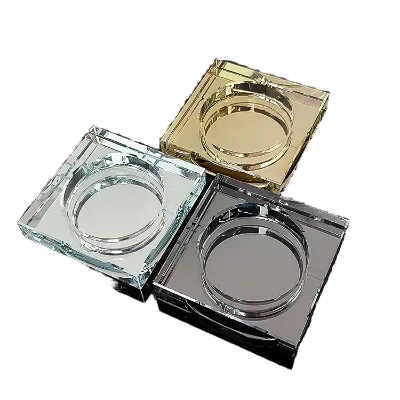
Explore 30 listings for Crystal Ashtray options including glass and aluminum designs with customizable sizes. Buyers can compare specifications like dimensions, materials, and packaging to find suitable items for business gifts, hotels, and parties.
Key considerations
Products List


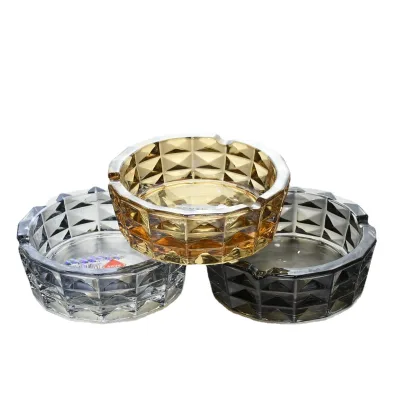
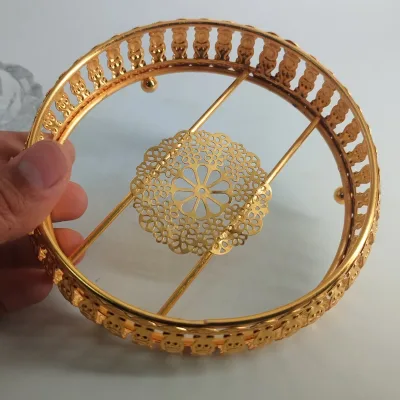
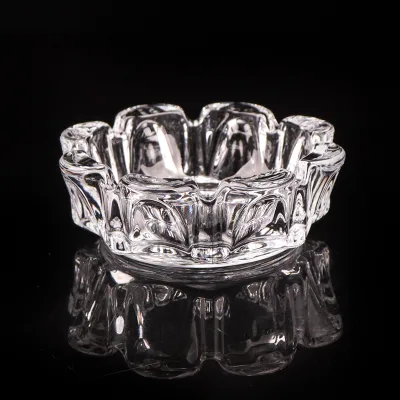
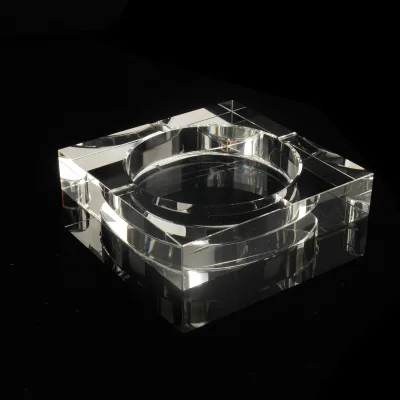
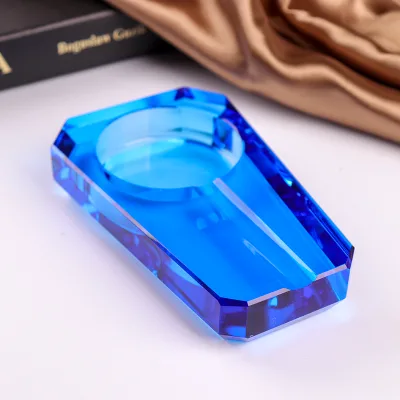
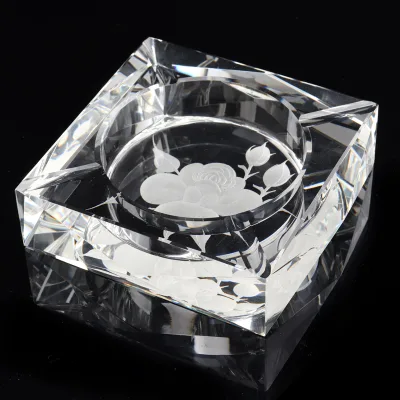
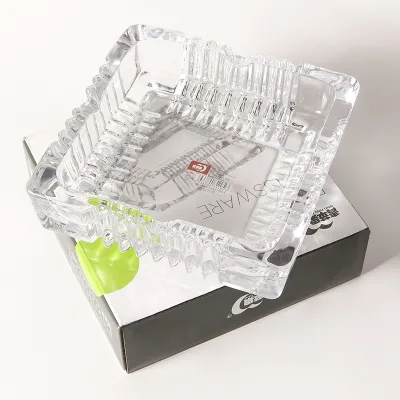


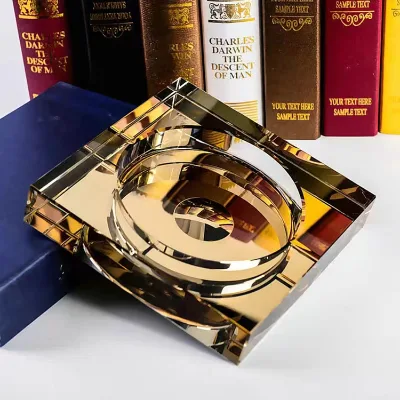


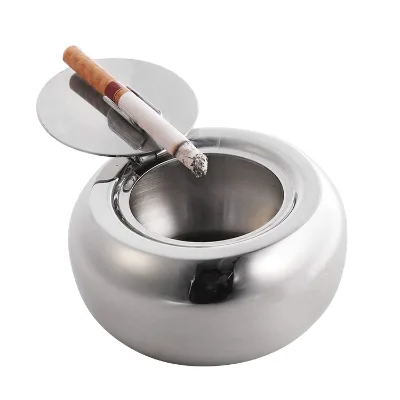


Sleek Design Easy-Clean Compact Car Interior Ashtray Portable Car Ashtray
$1.08 - $1.20
MOQ: 850 Pieces


Eco-Friendly Noise-Reducing Quiet Car Interior Ashtray Interior Accessories Ashtray
$1.12 - $1.24
MOQ: 850 Pieces
Comprehensive Sourcing Guide
Strategic Sourcing Guide for Crystal Ashtrays in the B2B Market
Procuring crystal ashtrays for wholesale distribution requires a nuanced understanding of material properties, dimensional specifications, and the specific operational needs of the target market. For buyers in the hookah, headshop, and smokeshop sectors, the selection process extends beyond simple aesthetics to include functional durability, packaging efficiency, and the ability to customize branding. This guide synthesizes available product data and industry standards to provide a structured approach to sourcing these items, ensuring that procurement decisions are grounded in verifiable facts rather than speculative claims.
Understanding Material Composition and Structural Variations
The foundation of any ashtray procurement strategy lies in identifying the correct material composition. While the core keyword suggests "crystal," the actual market offerings often include glass and aluminum variants that serve similar aesthetic and functional purposes. The observed product data indicates a clear divergence in material types. Some listings explicitly specify Glass as the primary material, often associated with models like the "Crystal Ashtray" or "Smokeless Glass Ashtray." These items are frequently described as having an "Exquisite" style and "Modern" design, catering to high-end retail environments.
Conversely, other product entries list Aluminum as the material, paired with features such as "Smokeless" technology and specific dimensions like 909020mm. This distinction is critical for buyers because the weight, thermal conductivity, and perceived value of glass differ significantly from aluminum. For instance, a glass ashtray with a weight of 460g offers a substantial feel that may appeal to luxury hotel or restaurant clients, whereas aluminum options might be preferred for travel or outdoor settings due to durability. Buyers must verify the material composition for each specific model number, such as 092514 or HJY7, as the same product category can contain vastly different physical attributes.
Technical Specifications and Dimensional Standards
Precision in technical specifications is paramount when ordering in bulk, as dimensions directly impact shipping costs, storage requirements, and retail display compatibility. The data reveals a wide range of standard sizes, indicating that there is no single "universal" size for this category. For example, one product line specifies a standard of 84mm, while another lists a diameter of 85mm or 95mm. Other models are defined by rectangular or complex dimensions, such as 35*66mm or 39*88mm.
The "Crystal Ashtray" model, for instance, is noted to have a size of 12.54.511cm, which suggests a compact, desktop-friendly form factor. In contrast, other listings mention customizable sizes including 10cm, 15cm, and 20cm, offering flexibility for buyers with specific display needs. When evaluating suppliers, it is essential to cross-reference the model number with the stated standard. A buyer ordering model 092525 should expect an 84mm dimension, whereas model 0937133 is associated with a 119mm length.
Furthermore, the single package size is a critical logistical metric. One observed listing details a single package size of 20X8X20 cm, which influences how many units can be fitted into a standard shipping container. The carton quantity is also standardized in some cases, such as 50PCS/CTN, with a corresponding carton weight of 20kg. These figures are vital for calculating freight costs and warehouse space requirements. Buyers should not assume that all "crystal" ashtrays share these dimensions; verification against the specific model number is required to avoid logistical errors.
Customization Capabilities and Branding Options
One of the most significant advantages of sourcing from this market segment is the high degree of customization available. The product attributes confirm that OEM/ODM services are acceptable, allowing buyers to tailor products to their brand identity. The "brand name" field often lists OEM, indicating that the supplier is prepared to apply custom logos or branding to the product. This is particularly relevant for businesses targeting Restaurants, Specialty Stores, and Art Rooms, where branded merchandise adds value.
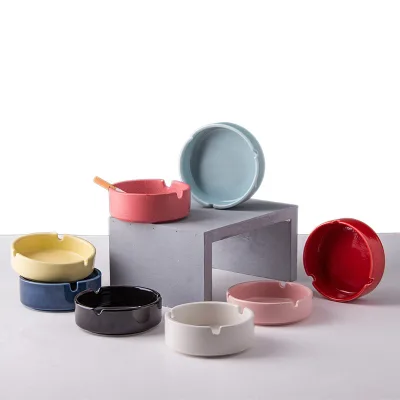
Customization extends beyond just logos. The data indicates that Product Colors can be customized, with options like "Like The Picture for Five Colors etc." This flexibility allows buyers to align the product palette with their existing inventory or seasonal marketing campaigns. Additionally, the MOQ Custom is listed as 1000 Per Six Patterns, suggesting that buyers can mix and match designs to meet a total order volume of 1000 units. This is a crucial detail for smaller retailers who may not have the capital to commit to 1000 units of a single design but can meet the threshold through a mixed-SKU strategy.
The Shape is also a variable, with Round shapes being a primary observation. However, the "Smokeless" feature suggests functional customization that may involve internal geometry changes to contain smoke or ash more effectively. Buyers should explicitly request samples to verify that the customization process does not compromise the structural integrity or the aesthetic finish of the ashtray.
Cost Drivers and Minimum Order Quantities
Understanding the cost structure is essential for maintaining healthy profit margins. The observed price range in the market is 0.39 to 21 USD, a span that reflects the diversity in materials, sizes, and customization levels. The lower end of this range likely corresponds to basic aluminum or smaller glass models, while the higher end may include larger, heavier, or more intricately designed glass pieces with custom packaging.
Minimum Order Quantities (MOQ) vary significantly depending on the specific product and customization level. Standard listings show an MOQ of 50 or 108pcs, which is accessible for small to medium-sized businesses. However, for customized orders involving specific patterns or branding, the MOQ may rise to 1000 Per Six Patterns. Buyers must carefully calculate whether the unit cost savings from a larger order outweigh the capital tied up in inventory.
The Carton Weight of 20kg for 50 pieces indicates a relatively heavy product, which will increase shipping costs per unit. When negotiating with suppliers, buyers should ask for a breakdown of costs including the product price, packaging (OPP Bag or Paper Box), and shipping. The Single gross weight of 0.800 KG for a specific model further highlights the need for accurate freight calculations. Ignoring these weight factors can lead to unexpected expenses that erode the apparent low unit price.
Supplier Evaluation and Quality Assurance Protocols
Selecting a reliable supplier requires a rigorous evaluation process, particularly given the China origin of the products, with specific mentions of Shandong, China as a place of origin. Buyers should verify the supplier's ability to maintain consistency across batches, especially when dealing with glass materials which are prone to breakage during transit. The prod_packing methods, such as OPP Bag or Paper Box, play a crucial role in product protection. A supplier that uses only basic OPP bags for heavy glass items may be a risk, whereas those utilizing sturdy paper boxes with internal cushioning demonstrate a higher commitment to quality.
Quality control should focus on several key areas. First, verify the prod_standard against the ordered model number to ensure dimensional accuracy. Second, inspect the finish of the glass or aluminum to ensure there are no bubbles, scratches, or uneven edges. Third, confirm that the Logo customization is applied correctly and does not peel or fade. Since the Feature includes "Smokeless" for certain models, buyers should test the functionality to ensure the design actually achieves the claimed smoke reduction.
While specific certifications are not explicitly listed in the provided data, buyers should request documentation regarding material safety and manufacturing standards. For products intended for Business Gifts, Travel, Party, and Wedding occasions, the aesthetic finish must be flawless. A supplier that can provide a pre-shipment inspection report or a sample approval process is preferable to one that operates solely on trust.
Logistics, Packaging, and Long-Term Procurement Strategy
The logistics of importing crystal ashtrays involve careful planning regarding Shipment methods, which typically include DHL, UPS, and FedEx. These carriers offer speed but come at a premium cost, which must be factored into the final landed cost. For larger orders, sea freight may be more economical, though lead times will increase. The Single package size of 20X8X20 cm and the Carton Qty of 50PCS/CTN are fixed parameters that buyers must use to optimize container loading.
Long-term procurement considerations should focus on building a relationship with a supplier who can scale with the buyer's growth. The availability of Customization and OEM/ODM services suggests that suppliers are willing to adapt to changing market trends. However, buyers should also consider the Target People for the product, which includes the Owner of Hookah Shop/Headshop/Smokeshop. Understanding the end-user's preferences will help in selecting the right mix of models, such as the Crystal Ashtray for luxury venues or the Aluminum options for casual settings.
Finally, buyers should maintain a flexible inventory strategy. Given the Product Colors and Shape variations, maintaining a diverse stock can mitigate the risk of overstocking a single design. Regular communication with the supplier regarding new models, such as those with model numbers like 092510 or HJY7, will ensure that the buyer stays ahead of market trends. By adhering to these structured procurement guidelines, buyers can navigate the complexities of the Crystal Ashtray market with confidence, ensuring a steady supply of high-quality products that meet the demands of their specific clientele.
FAQs
What materials are used for crystal ashtrays?
Products are primarily made from glass or aluminum. Glass models often feature an exquisite modern style, while aluminum options provide a smokeless feature suitable for travel or business gifts.
Can I customize the logo and colors?
Yes, OEM and ODM services are acceptable for customizing logos and product colors. Buyers can select from five colors like the picture or request specific patterns to match their brand identity.
What are the minimum order quantities?
Standard MOQs range from 50 to 108 pieces depending on the model. Customized orders with specific patterns require a minimum of 1000 units per six patterns to meet production thresholds.
Which shipping methods are available?
Shipment is handled via DHL, UPS, or FedEx for efficient delivery. These carriers ensure products reach buyers in the hookah shop or headshop sectors quickly from the origin in China.
How are the ashtrays packaged for shipping?
Packaging options include OPP bags or paper boxes depending on the specific product type. Cartons typically hold 50 pieces and weigh around 20kg to ensure safe transport of glass items.
What sizes are available for crystal ashtrays?
Sizes vary significantly, including diameters of 85mm or 95mm and lengths up to 119mm. Customized sizes like 10cm, 15cm, or 20cm are also available to fit specific desktop or hotel requirements.
Who is the target audience for these products?
The target audience includes owners of hookah shops, headshops, and smokeshops. They are also suitable for business gifts, travel, parties, and weddings for restaurants and specialty stores.