Source Crystal Rhinestone Hair Accessories for Weddings, Parties, and Daily Use
Explore 30 listings of Crystal Rhinestone Hair Accessories designed for weddings, daily decoration, and holiday parties. Buyers can compare styles like hairpins, combs, and headbands in silver and multi-color options with customizable packaging and OEM services.
Key considerations
Products List


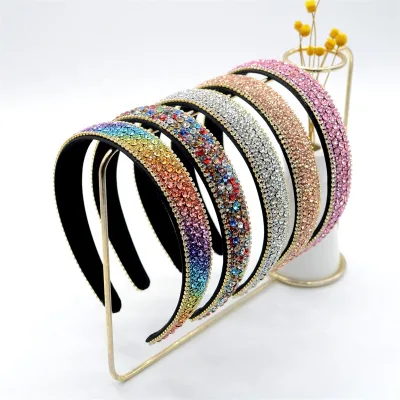

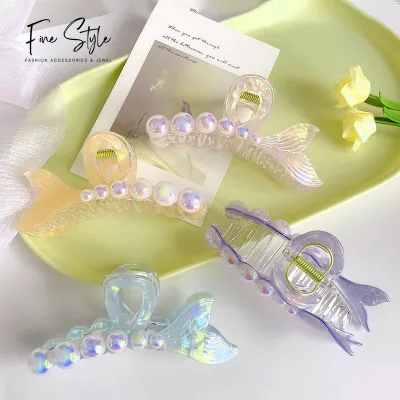
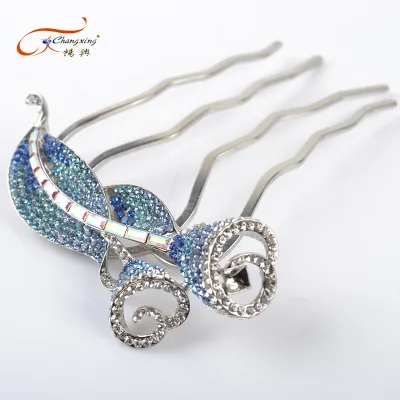


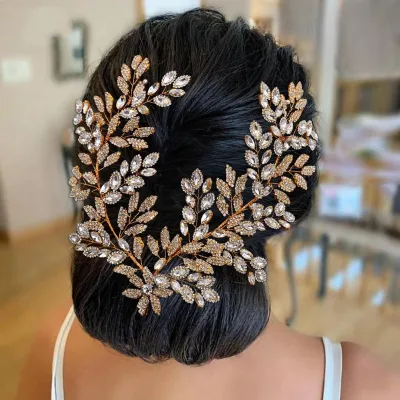
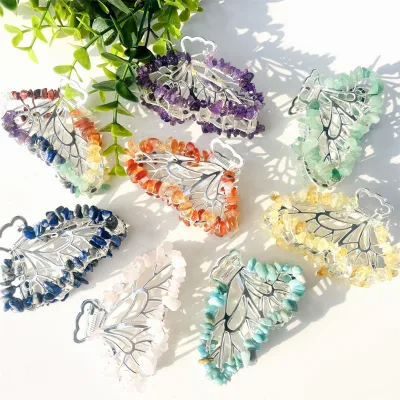
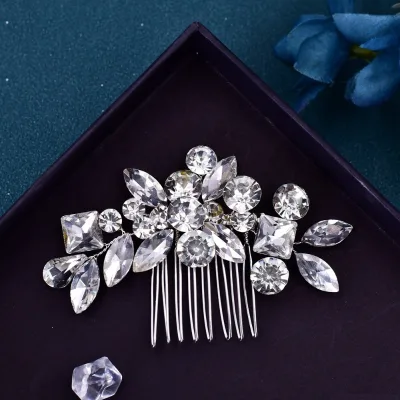

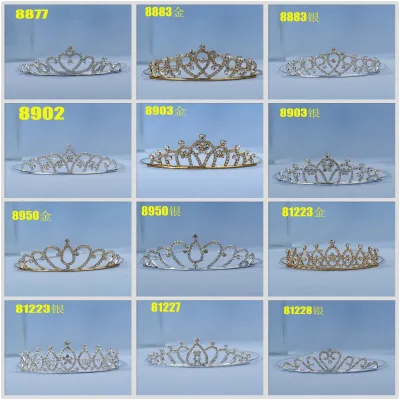
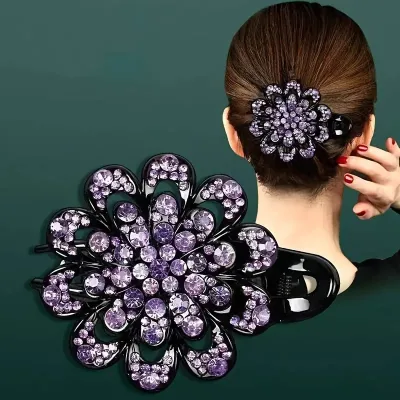
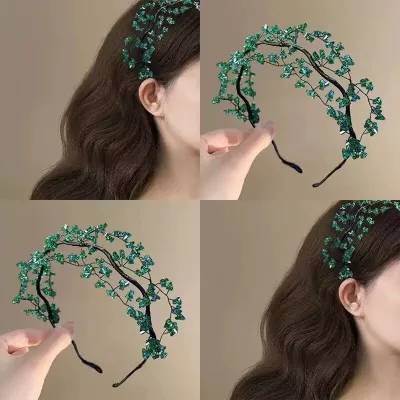

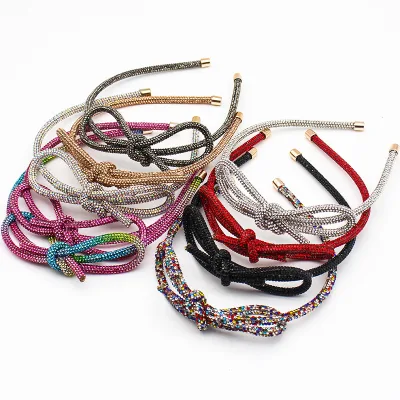
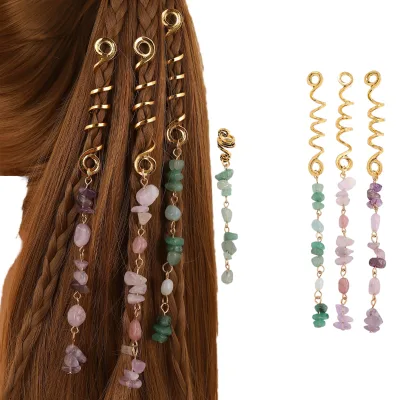
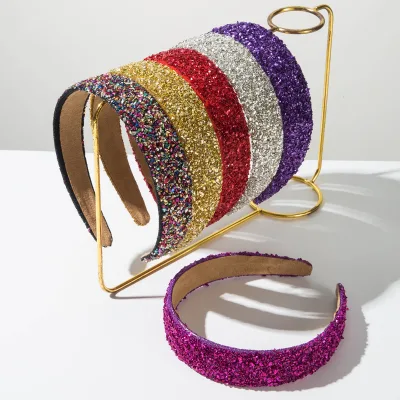
Comprehensive Sourcing Guide
Strategic Sourcing Guide for Crystal Rhinestone Hair Accessories
Understanding Product Categories and Technical Specifications
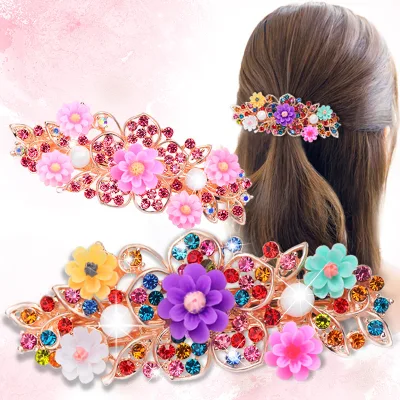
The market for Crystal Rhinestone Hair Accessories encompasses a diverse range of items designed to enhance personal style for various occasions. When sourcing these products, buyers must first distinguish between the specific functional categories available. The supply base typically includes hairpins, hair combs, and headbands, each serving distinct styling needs. Hairpins are often utilized for securing updos or adding subtle sparkle, while hair combs provide structural support for more elaborate hairstyles. Headbands serve as a broader category for decorative purposes, ranging from simple daily wear to elaborate wedding accessories.
Technical specifications vary significantly across these sub-categories. Material composition is a primary differentiator. While some products are constructed entirely from metal, offering durability and a premium feel, others utilize a combination of fabric and pearls to achieve a softer, more textured aesthetic. The shape of the accessories is another critical technical attribute; floral designs are prevalent, particularly for elegant and wedding-themed collections. Color options also play a vital role in procurement decisions. While silver is a dominant standard color for metal-based items, suppliers also offer multi-color options, with some product lines featuring up to six distinct color variations to match diverse fashion trends.
Packaging specifications are equally important for logistics and retail presentation. Standard packaging often involves inner and outer cartons for bulk shipments, ensuring protection during transit. For smaller orders or direct-to-consumer models, individual items may be packed in OPP bags. Some suppliers offer customized packaging solutions, allowing buyers to brand the product at the point of sale. The physical dimensions of the products also vary; for instance, specific models may have compact sizes around 2.5 cm, while others might be larger decorative pieces. Buyers should verify the exact dimensions and standard packing sizes, such as 17x16x6 cm or 50x40x40 cm, to ensure compatibility with their storage and shipping requirements.
Compliance, Certification, and Origin Verification
When sourcing from international markets, particularly from regions like China and Zhejiang, verifying the origin and compliance status of the manufacturer is essential. The supplied data indicates that products originate from locations such as Zhejiang, China, with major ports like Ningbo serving as key FOB (Free on Board) shipping points. Understanding the geographical origin helps buyers anticipate logistics costs and lead times, as well as assess the supply chain's resilience.
Regarding certifications and standards, the provided information lists specific product standards, such as "504040" and "17X16X6 cm," which appear to refer to packaging dimensions rather than safety certifications. There is no explicit mention of international safety certifications (such as ASTM, EN71, or REACH) in the supplied facts. Consequently, buyers must treat the absence of listed certifications as a signal to actively request documentation. It is crucial to verify that the materials used, including metals and rhinestones, comply with the safety regulations of the target market. For example, lead and cadmium limits in jewelry and hair accessories are strictly regulated in many jurisdictions. Buyers should request test reports from third-party laboratories to confirm that the crystal rhinestones and metal components do not contain hazardous substances.
Furthermore, the "standard" field in product data sometimes lists material types, such as "paper material," which may refer to packaging rather than the product itself. Buyers must clarify whether any material claims apply to the hair accessory or merely the packaging. Since the data mentions "OEM/ODM: Accept" and "OEM/ODM: Warm Welcome," it indicates a flexible manufacturing environment. However, flexibility in customization does not automatically imply compliance with specific safety standards. Procurement teams should include compliance verification as a non-negotiable step in the supplier evaluation process, ensuring that the factory has the necessary quality management systems in place to produce safe, compliant goods.
Cost Drivers and Pricing Dynamics
The pricing of Crystal Rhinestone Hair Accessories is influenced by several interconnected factors, including material costs, customization complexity, and order volume. The observed price range in the market spans from $0.60 to $28.00 USD. This wide disparity reflects the difference between basic, mass-produced items and high-end, intricately designed pieces. Lower-priced items typically utilize simpler materials like basic metal or fabric with standard rhinestone applications. In contrast, higher-priced items may feature premium metals, genuine pearls, or complex floral shapes that require more labor-intensive assembly.
Minimum Order Quantity (MOQ) is a significant driver of unit cost. The observed MOQ range extends from 2 pieces to 2,000 pieces. Suppliers often offer lower unit prices for larger orders, leveraging economies of scale. For buyers with small MOQ requirements, such as 10 pieces or even 2 pieces, the per-unit cost will naturally be higher due to the fixed costs of setup and handling. Conversely, buyers capable of committing to higher volumes can negotiate more favorable pricing tiers.
Customization is another major cost factor. The availability of OEM/ODM services and customized packaging allows buyers to tailor products to their brand identity. However, these services often incur additional costs. Custom molds for specific shapes, unique color combinations, or branded packaging require upfront investment and longer lead times. Buyers must balance the desire for unique branding against the budget constraints. Additionally, the complexity of the design, such as the density of rhinestones or the intricacy of the floral shape, directly impacts labor costs. A simple silver hairpin will cost less to produce than a multi-colored headband featuring fabric, pearls, and extensive crystal work.
Typical Applications and Market Segmentation
Crystal Rhinestone Hair Accessories serve a broad spectrum of applications, catering to diverse consumer needs and occasions. The product data highlights several key usage scenarios. Wedding is a primary occasion, where elegant, silver, and floral-shaped accessories are in high demand. These items are often designed to complement bridal attire, requiring a high level of aesthetic refinement and durability. Similarly, holiday parties, birthdays, Thanksgiving, and Christmas events drive demand for festive decorations and colorful accessories.
Daily use represents another significant market segment. Products designed for daily wear often prioritize comfort and versatility. These items may feature a "fashion" style rather than "elegant," making them suitable for casual outfits. The "whole year" seasonality of these products indicates that they are not limited to specific seasonal trends, allowing for consistent demand throughout the year. Furthermore, the "unisex" gender classification and "all" age range suggest that these accessories can be marketed to a wide demographic, including youth and adults.
The distinction between "decoration" and functional hairwear is also important. Some products are classified primarily as decorations, intended for special events or photo shoots, while others are functional hairpins and combs. Buyers should align their sourcing strategy with their target market's specific needs. For instance, a retailer focusing on bridal boutiques will prioritize the "wedding" and "elegant" attributes, while a general fashion retailer might focus on "daily use" and "fashion" styles. Understanding these segmentation nuances ensures that the sourced products match the expectations of the end consumer.
Supplier Evaluation and Service Capabilities
Evaluating potential suppliers requires a holistic approach that goes beyond product specifications. The availability of services such as "Sourcing Agent" and "OEM/ODM" indicates that suppliers are capable of supporting complex procurement needs. A supplier that accepts OEM/ODM orders demonstrates flexibility in production, allowing buyers to create unique products. However, buyers must verify the supplier's capacity to handle these requests efficiently.
Key evaluation criteria include the supplier's ability to provide customized packaging, such as "OPP Bag or Other Customized Package," and their willingness to accommodate specific design requirements. The "Accept" and "Warm Welcome" statuses for OEM/ODM suggest a positive attitude toward collaboration, but buyers should confirm the specific terms, such as design fees, sample lead times, and minimums for custom orders. Additionally, the presence of a "Sourcing Agent" service implies that the supplier or their network can assist in finding specific components or managing the supply chain, which can be valuable for buyers with complex requirements.
Geographic location is another factor in supplier evaluation. With origins in China and ports like Ningbo, buyers should consider the logistics implications. Proximity to major shipping hubs can reduce freight costs and improve delivery times. However, buyers must also assess the supplier's communication capabilities and responsiveness. A supplier that offers customization but has poor communication channels can lead to misunderstandings regarding product specifications and quality expectations.
Quality Control and Long-Term Procurement Considerations
Maintaining high quality is paramount when sourcing Crystal Rhinestone Hair Accessories. Given the delicate nature of rhinestones and the potential for metal tarnishing, rigorous quality control measures are essential. Buyers should implement a multi-stage QC process, starting with pre-production sample approval. This ensures that the color, shape, and material quality meet expectations before mass production begins. During production, random inspections should be conducted to check for defects such as loose stones, uneven coloring, or structural weaknesses in the metal or fabric components.
For long-term procurement, building a stable relationship with reliable suppliers is crucial. Buyers should look for suppliers who demonstrate consistency in quality and delivery. The ability to handle varying order volumes, from small MOQs of 10 pieces to large orders of 2,000 pieces, indicates a scalable operation. However, buyers must also consider the risk of supply chain disruptions. Diversifying the supplier base can mitigate these risks, ensuring that production can continue even if one supplier faces issues.
Sustainability and ethical sourcing are increasingly important considerations in the global market. While the provided data does not explicitly mention sustainable practices, buyers should inquire about the sourcing of raw materials and the environmental impact of production processes. Ensuring that the supplier adheres to ethical labor standards and uses eco-friendly packaging can enhance the brand's reputation and appeal to conscious consumers.
In conclusion, sourcing Crystal Rhinestone Hair Accessories requires a strategic approach that balances technical specifications, cost drivers, and supplier capabilities. By carefully evaluating the product attributes, verifying compliance, and establishing robust quality control measures, buyers can secure high-quality products that meet the demands of their target market. The flexibility of the supply base, combined with a clear understanding of the diverse applications and market segments, positions buyers to make informed decisions that drive success in this dynamic industry.
FAQs
What customization options are available for these hair accessories?
Customization is available for these products, including OEM and ODM services. Buyers can request customized packaging such as OPP bags or cartons, and suppliers accept specific design requirements for floral shapes and silver colors to match brand needs.
Which materials are used to construct these crystal rhinestone accessories?
Products are constructed from metal, fabric, and pearls. While some items are entirely metal for durability, others combine fabric with pearls to create a softer aesthetic, often featuring floral shapes and silver or multi-color finishes.
How does the minimum order quantity affect the unit price?
The minimum order quantity ranges from 2 to 2,000 pieces, directly influencing the unit cost. Lower MOQs like 10 pieces typically result in higher per-unit prices due to setup costs, while larger volumes leverage economies of scale for better pricing.
Can these accessories be used for daily wear and special occasions?
Yes, these accessories are suitable for both daily use and special occasions like weddings. They are designed for all ages and genders, with styles ranging from fashion to elegant, and are available for year-round use across various event types.
What are the standard packaging specifications for bulk shipments?
Standard packaging includes inner and outer cartons or individual OPP bags. Specific dimensions for bulk cartons are 50 by 40 by 40 cm, while smaller units may use 17 by 16 by 6 cm packaging, with options for customized branding available.
Which product models are available in the crystal rhinestone collection?
Available models include HF-46826, HF-46828, HF-46824, HF-46827, HF-46970, HF-46972, CK-001, sl-250621, and Ants-HB132. These models cover various types such as hairpins, combs, and headbands with different sizes and material compositions.
Where are these hair accessories manufactured and shipped from?
Products originate from China, specifically Zhejiang province, with Ningbo as the FOB port. This location supports logistics for global shipping, and buyers should verify lead times and shipping costs based on this specific origin point.