Source Crystal Salt Lamp for Home, Festival, and Daily Life
Find 26 Crystal Salt Lamp options from verified suppliers. Compare models like XH-LED-838 and SN-453 with features including RGB lighting, IP68 ratings, and salt crystal materials for home, festival, and daily life applications.
Key considerations
Products List


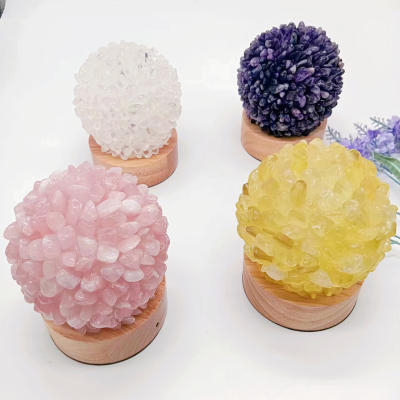
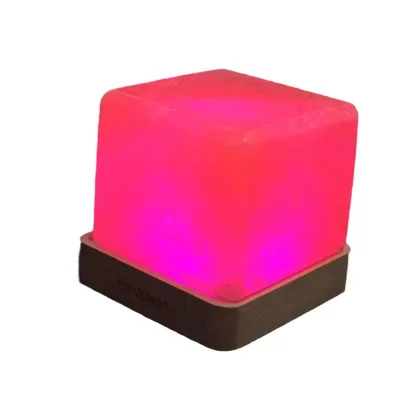
Natural Himalayan Pyramid Shape Salt Lamp USB Cabletop Quality Bulbs Salt Lamp
$2.72 - $3.13
MOQ: 200 Pieces



Comprehensive Sourcing Guide
Crystal Salt Lamp Sourcing Guide
Sourcing crystal salt lamps requires a nuanced understanding of the intersection between decorative lighting and natural mineral products. These items are typically crafted from Himalayan salt blocks, carved into geometric or organic shapes, and fitted with internal light sources to create a warm, ambient glow. For B2B buyers, the primary appeal lies in their dual function as aesthetic decor and potential wellness accessories, though procurement decisions must be grounded in verifiable product specifications rather than unproven health claims. The market offers a wide variety of forms, from simple table lamps to complex chandeliers, each presenting distinct logistical and quality control challenges.
The procurement landscape for these lamps is characterized by significant variability in material quality, electrical safety, and packaging standards. Buyers often encounter suppliers who blend genuine salt crystal with resin or other binding agents, making material verification a critical first step. Furthermore, the electrical components integrated into these porous materials must meet strict safety standards to prevent moisture-related hazards. This guide outlines the essential verification steps, compliance requirements, and commercial considerations necessary to build a reliable supply chain for crystal salt lamps, ensuring that procurement teams can mitigate risk while meeting market demand.
Product Scope and Observed Listing Signals
The current market listing signals indicate a diverse range of product configurations, with observed price points ranging from $0.48 to $45 USD. This wide variance suggests that buyers will encounter everything from small, decorative night lights to larger, premium-grade table lamps. The minimum order quantities (MOQs) observed range from 10 to 2,000 pieces, reflecting the flexibility of many manufacturers to accommodate both trial orders and large-scale retail distributions. Buyers should note that lower MOQs often correlate with higher unit costs, while bulk orders may unlock better pricing but require greater upfront capital and storage capacity.
Product attributes observed in listings highlight key differentiators such as color options, including RGB capabilities, and specific model numbers like XH-LED-838, SN-453, and WD-175. These identifiers are crucial for tracking inventory and ensuring consistency across reorders. Additionally, the power consumption for many listed units is noted as ≤5W, indicating energy-efficient LED integration. The weight of these products typically falls between 0.7kg and 1kg, which has direct implications for shipping costs and packaging design. Buyers must carefully review these specifications to align product choices with their target market’s expectations for size, weight, and aesthetic style.
Technical Specifications to Verify
Verifying the electrical safety and integration of the light source is paramount when sourcing crystal salt lamps. Since salt is hygroscopic, meaning it absorbs moisture from the air, the internal wiring and bulb socket must be completely sealed and protected against humidity. Buyers should request detailed diagrams of the electrical assembly to ensure that no exposed wires or unprotected connections exist within the salt block. The interface type, often USB 2.0 or standard plug-in configurations, must be compatible with the target market’s voltage and plug standards. Additionally, the IP rating, such as IP68 observed in some listings, should be verified for any outdoor or high-humidity applications, though most indoor decorative lamps do not require such high-level protection.
Material authenticity and structural integrity are other critical technical aspects that require rigorous verification. Buyers must confirm whether the lamp is made from 100% natural salt crystal or a composite material. Some listings mention "Salt Crystal" as the material, while others may use terms like "Modeling Light" or "Crystal," which could imply resin or glass components. The standard dimensions, such as 7070110mm or 8X14cm, should be cross-referenced with physical samples to ensure accuracy. Furthermore, the light source itself, whether it is a standard incandescent bulb or an LED strip, should be evaluated for heat output, as excessive heat can cause the salt to dissolve or sweat, potentially damaging the lamp or surrounding surfaces.
Compliance and Safety Documentation
Compliance with regional safety standards is non-negotiable for importing electrical lighting products. Listings frequently cite certifications such as CE, RoHS, FCC, GS, SAA, VDE, CCC, LVD, and EMC. Buyers must verify that these certifications are valid and issued by accredited testing laboratories for the specific model being purchased. For instance, CE marking is essential for selling in the European market, while FCC compliance is required for the United States. It is crucial to ensure that the certification covers not just the lamp body but also the electrical components, including the power adapter and wiring, as these are often the points of failure in safety inspections.
Beyond electrical safety, buyers should be aware of potential regulatory requirements regarding material composition and labeling. RoHS compliance ensures that the product does not contain restricted hazardous substances, which is increasingly important for consumer goods. Additionally, some markets may require specific labeling regarding the material origin, such as "Himalayan Salt," to prevent misleading claims. Buyers should request test reports that confirm the absence of harmful chemicals in any binding agents or coatings used on the salt. Clear and accurate labeling is also necessary to inform consumers about proper care, such as avoiding water exposure, to maintain product longevity and safety.
Cost Drivers and Commercial Terms
Several factors influence the final cost of crystal salt lamps, with material quality and electrical components being the primary drivers. High-quality, large blocks of natural salt are more expensive and prone to cracking during carving, which increases production costs. Conversely, smaller or composite materials may offer lower prices but could compromise on aesthetic appeal and durability. The type of light source also affects cost; RGB LEDs or dimmable systems are more expensive than standard fixed-color bulbs. Buyers should analyze the cost breakdown to understand where value is being added and ensure that they are not overpaying for features that do not align with their market’s preferences.
Commercial terms, including payment methods and shipping logistics, play a significant role in the overall procurement strategy. Observed payment terms often include T/T (Telegraphic Transfer), which is common for B2B transactions but requires careful management of cash flow. The FOB port, such as Ningbo, indicates the point where responsibility for the goods transfers from the supplier to the buyer. Buyers should also consider the packaging standards, which range from simple paper boxes to more protective carton boxes, as this impacts shipping volume and potential damage rates. Negotiating clear terms for packaging and shipping can help minimize hidden costs and ensure that products arrive in pristine condition.
Supplier Qualification and Quality Control
Selecting a reliable supplier involves more than just comparing prices; it requires a thorough assessment of their manufacturing capabilities and quality control processes. Buyers should verify the supplier’s business license and production capacity to ensure they can meet order volumes consistently. Many suppliers offer OEM services, allowing for custom branding and packaging, which is valuable for building a unique product line. However, buyers must ensure that the supplier has a robust quality control system in place, including pre-production samples and final inspections, to maintain consistency across batches.
Quality control for crystal salt lamps should focus on both aesthetic and functional aspects. Buyers should establish clear acceptance criteria for visual defects, such as cracks, discoloration, or uneven carving, as these can significantly impact the product’s marketability. Functional testing should include verifying the stability of the light source and the integrity of the electrical connections. It is also advisable to conduct random sampling tests to check for moisture absorption and sweating, which can indicate poor sealing or low-quality salt. Building a strong relationship with the supplier and maintaining open communication about quality expectations is essential for long-term success.
Long-Term Procurement Checks
Sourcing crystal salt lamps is not a one-time transaction but an ongoing process that requires continuous monitoring and adaptation. Buyers should regularly review customer feedback and return rates to identify any recurring issues, such as premature bulb failure or material degradation. This feedback loop is crucial for refining product specifications and working with suppliers to address quality concerns. Additionally, staying informed about changes in regulatory requirements and market trends is essential to ensure that the product line remains compliant and competitive.
Long-term procurement strategies should also include diversifying the supplier base to mitigate risks associated with single-source dependencies. Building relationships with multiple suppliers can provide flexibility in case of production delays or quality issues with one vendor. Furthermore, buyers should consider the sustainability aspects of their sourcing, such as the ethical mining of salt and the environmental impact of packaging materials. By focusing on these long-term checks, buyers can build a resilient supply chain that supports sustainable growth and meets the evolving needs of their customers.
FAQs
What certifications do the crystal salt lamps have?
The lamps carry CE, RoHS, FCC, FDA, GS, SAA, VDE, CCC, LVD, EMC, and other certifications. These standards ensure safety and compliance for international markets, covering electrical safety and material restrictions for various regions.
Can I customize the crystal salt lamps for my brand?
Yes, customization is available with OEM services offered for these products. Buyers can request specific branding or design adjustments, and small orders are accepted to facilitate testing or initial market entry without large commitments.
What is the minimum order quantity for these lamps?
The minimum order quantity varies by supplier, ranging from 10 to 2000 pieces. Some listings accept small orders starting at 10 pieces, while others may require higher volumes like 150 pieces depending on the specific model and customization needs.
How much do these crystal salt lamps weigh?
The weight of the lamps typically ranges between 0.7kg and 1kg per unit. This weight range applies to the finished product including packaging, ensuring they are sturdy enough for daily life use while remaining manageable for shipping.
What materials are used to make the lamp body?
The lamp body is constructed from crystal or salt crystal materials. These natural materials provide the unique aesthetic and functional properties associated with salt lamps, often combined with modern styles and flexible lighting options for home decoration.
Where are these crystal salt lamps manufactured?
The products originate from China, specifically from regions like Zhejiang. This location allows for efficient manufacturing and shipping, with major ports like Ningbo available for FOB transactions to ensure reliable logistics for international buyers.
What is the power consumption of these lamps?
The power consumption is low, rated at 5W or less per unit. This energy-efficient design makes them suitable for daily life usage and home decoration, ensuring they remain cool and safe while providing bright illumination.