Source Crystal Storage Bowl for Daily Use, Art, and Feeding
Explore 30 listings for Crystal Storage Bowl options suitable for daily use, art projects, and feeding. Compare features like eco-friendly materials, color-changing designs, and various sizes from 10cm to 18cm. Find customized solutions with sealed functions and diverse styles including Chinese and Korean themes.
Key considerations
Products List


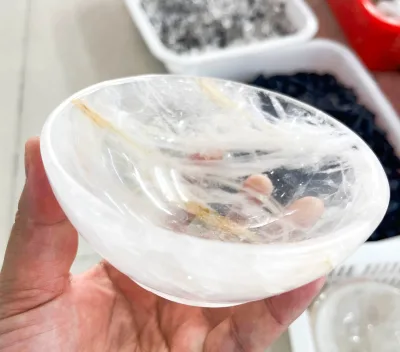
clear Crystal Bowl Larged Crystal Bowls Crystal Home Decoration Items
$38.00 - $40.00
MOQ: 1 kilograms
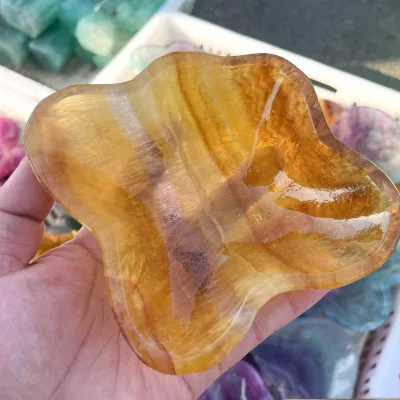
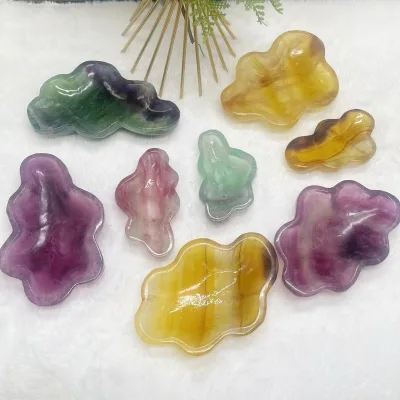
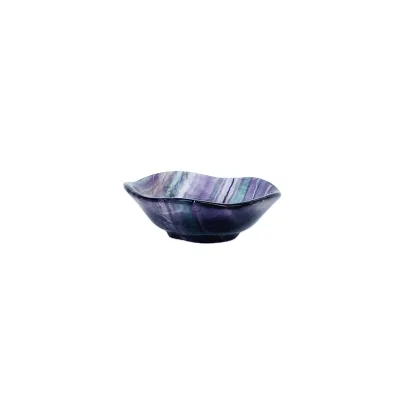
Green Fluorite Carving Larged Crystal Bowls Bowl Fluorite Crystal Fluorite Bowl
$35.00 - $40.00
MOQ: 1 kilograms


$0.30 - $0.56
MOQ: 1 Pieces


Comprehensive Sourcing Guide
Crystal Storage Bowl Sourcing Guide
Procurement professionals evaluating crystal storage bowls must first distinguish between decorative art pieces and functional daily-use containers. The market presents a wide spectrum of options, ranging from simple, eco-friendly enamel bowls with color-changing features to intricate crystal cubes designed for art and collectibles. Buyers should carefully review product attributes to ensure the material and style align with their specific operational needs, whether for feeding pets, storing food, or displaying decorative items.
Understanding the diverse listing signals is critical before initiating contact with suppliers. Observed data indicates significant variation in customization availability, with some items offering free samples and others requiring specific packaging requirements like color boxes or cartons. The origin of these products often traces back to specific manufacturing hubs in China, such as Linyi City or Jiangsu Province, which influences the production techniques ranging from handmade glazed methods to machine-made processes.
Product Scope and Observed Listing Signals
Buyers must analyze the functional scope of the product to avoid mismatches between intended use and actual capability. Listings reveal that some crystal storage bowls are explicitly designed for daily use and health care, featuring sealed functions to maintain freshness, while others are categorized strictly as art and collectibles with no functional sealing capabilities. This distinction is vital for procurement teams sourcing items for commercial kitchens or pet care facilities versus those purchasing for retail display or interior decoration.
The visual and stylistic signals in the market are equally diverse, requiring careful verification against brand identity requirements. Products appear in various styles, including simple, Chinese, Korean, and cartoon themes, with colors ranging from multicolor options to specific shades like green, red, and blue. Some items feature printed fancy designs or flower themes, while others maintain a plain aesthetic. Procurement teams should verify if the "Best Mommy" branding or specific model numbers like FFFB-009 align with their target demographic before placing orders.
Technical Specifications to Verify
Technical verification begins with confirming the dimensional standards and model numbers to ensure compatibility with existing storage systems. The market offers a wide range of sizes, typically specified in centimeters such as 10, 12, 14, 16, and 18 cm, or by standard bowl numbers like 10# through 28#. Buyers must cross-reference these specifications with their inventory requirements, as some products are defined by diameter while others use arbitrary model codes like TS-YX001 or P1188, which may not immediately indicate physical dimensions without a detailed datasheet.
Material composition and manufacturing methods are equally critical technical parameters that define the durability and aesthetic of the final product. While some listings describe items as handmade with glazed techniques, others are machine-made, which impacts consistency and production speed. The product type varies from standard bowls to crystal cubes, and the finishing techniques can include color-changing features or specific sealing mechanisms. Procurement teams must request detailed material certifications to confirm that the "crystal" designation meets the expected clarity and hardness standards for the intended application.
Compliance and Safety Documentation
Safety compliance is a non-negotiable aspect of sourcing food-contact or pet-feeding storage bowls, requiring rigorous documentation review. Buyers should verify that suppliers possess valid ISO certifications, which serve as a baseline indicator of quality management systems in place during production. Although specific test results for lead content or chemical leaching are not universally listed in general product summaries, the presence of "Eco-Friendly" and "Health Care" functional claims suggests that the products are intended to meet safety standards for direct contact with consumables.
Documentation regarding packaging and origin is essential for logistics planning and regulatory adherence in the destination market. Products often originate from specific regions in China, such as Shandong Province or Jiangsu, and are packed in various configurations ranging from single OPP bags to inner boxes and cartons. Buyers must ensure that the packaging standards, such as color gift boxes or standard cartons, meet the import requirements of their target region and that the origin declaration is accurate to avoid customs delays or misclassification issues.
Cost Drivers and Commercial Terms
Cost structures for crystal storage bowls are heavily influenced by the level of customization and the complexity of the manufacturing process. Items that offer custom designs, specific color requirements, or unique packaging solutions like color boxes typically command higher unit prices compared to standard, machine-made inventory. The observed price range in the market is broad, extending from low-cost basic units to premium items, reflecting the variance in material quality, decorative techniques, and the extent of personalization requested by the buyer.
Commercial terms, including minimum order quantities and sample policies, vary significantly across different supplier listings and product categories. Some suppliers offer free samples to facilitate quality assessment, while others may require a deposit or have a minimum order quantity ranging from a single unit to tens of thousands of pieces. Buyers must negotiate clear terms regarding lead times and shipping methods, as the choice between standard cartons and specialized gift packaging can impact both the total landed cost and the delivery schedule.
Supplier Qualification and Quality Control
Supplier qualification requires a thorough assessment of their production capabilities and consistency in delivering high-quality goods. Buyers should prioritize suppliers who demonstrate a clear understanding of the specific making methods, whether handmade or machine-made, and who can provide evidence of their ability to maintain consistent quality across large batches. The presence of specific model numbers and standardized sizes indicates a mature production line capable of meeting precise technical specifications without significant deviation.
Quality control protocols must be established to verify that the final products match the agreed-upon samples and design specifications. Given the variety of styles and themes, from simple daily-use bowls to complex art pieces, visual inspections are necessary to confirm that features like color-changing effects, printed patterns, and sealing functions perform as advertised. Procurement teams should implement a rigorous inspection plan that covers packaging integrity, dimensional accuracy, and surface finish to ensure that the delivered goods meet the expected standards for their intended market.
Long-Term Procurement Checks
Long-term procurement success depends on establishing a reliable supply chain that can adapt to changing market demands and volume requirements. Buyers should maintain open communication channels with suppliers to monitor production capacity and ensure that the supply of specific models, such as the 10-18 cm range or specific model numbers, remains consistent over time. Regular audits of the supplier's quality control processes and adherence to safety standards are essential to prevent disruptions in the supply of critical storage solutions.
Continuous evaluation of product performance and customer feedback is necessary to validate the suitability of the sourced items for their intended applications. As the market evolves, suppliers may introduce new styles, colors, or functional improvements, such as enhanced sealing or new eco-friendly materials. Procurement teams should stay informed about these developments and be prepared to adjust their sourcing strategies to incorporate innovations that enhance product value and meet the evolving needs of their end customers.
FAQs
What customization options are available for crystal storage bowls?
Customization is available for these products, allowing buyers to tailor specific attributes to their needs. Suppliers offer customized designs and styles, including simple or Chinese aesthetics. Features like eco-friendly materials and color-changing effects can be integrated. Buyers can request specific packaging, such as color boxes or cartons, to match their branding requirements effectively.
Can I get a free sample before placing a bulk order?
Yes, free samples are provided for these crystal storage bowls. This allows buyers to evaluate the product quality, such as the glazed technique or handmade details, before committing to a larger purchase. The sample process helps verify if the item meets your standards for daily use or art collection purposes without initial financial risk.
What are the standard specifications and sizes for these bowls?
The standard specifications include various sizes ranging from 10cm to 18cm in diameter. Models like FFFB-009 and TS-YX001 are available with different standard sizes. The products are categorized by size, such as small or large, and come in regular dimensions. These specifications ensure the bowls fit various storage needs, from daily use to decorative art purposes.
Which certifications do these crystal storage bowls hold?
These products hold ISO certification, indicating adherence to international quality management standards. This certification ensures that the manufacturing processes meet specific criteria for consistency and reliability. Buyers can rely on this credential when sourcing for markets that require verified quality standards for daily use items or decorative storage solutions.
How are these bowls packaged for shipping and protection?
Packaging options include color boxes, inner boxes, and cartons for bulk shipping. Individual items may be packed in OPP bags or custom requirements. The packaging is designed to protect the glazed or handmade surfaces during transit. This ensures the products arrive in pristine condition, whether they are intended for feeding, art, or daily storage use.
What are the primary features and functions of these bowls?
The primary features include eco-friendly materials, color-changing effects, and sealed functionality. They serve multiple functions such as daily use, feeding, and art collection. The bowls are designed to be health-care friendly and often feature printed or cartoon themes. These attributes make them suitable for both practical storage and decorative purposes in various settings.