Source Crystal White Glass Whisky Bottle for spirits, liquor, and vodka
Compare 30 listings for the Crystal White Glass Whisky Bottle designed for premium spirits, liquor, and vodka. Buyers can review capacities ranging from 500ml to 750ml, closure types, and customization options from verified suppliers in China.
Key considerations
Products List


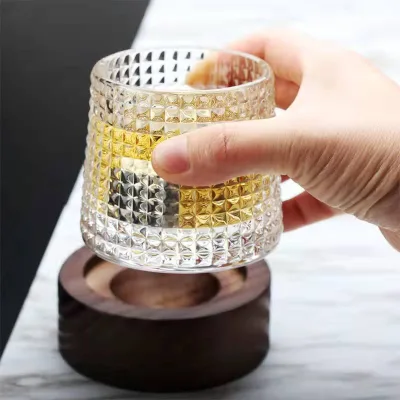


High Quality Thick Bottom Cylindrical Glass Bottle for Whiskey & Spirits
$0.38 - $0.65
MOQ: 12000 Pieces
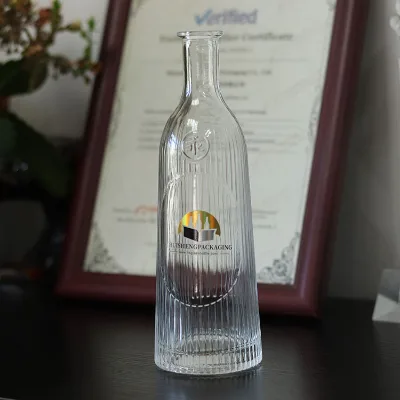
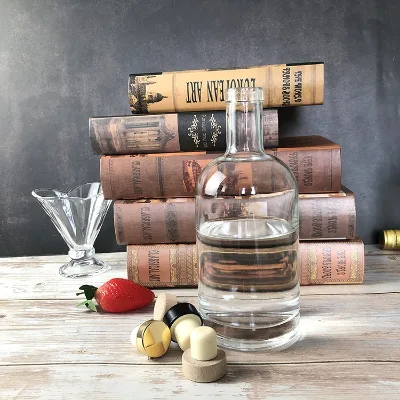


Custom Crystal Glass High Quality Empty Glass Bottle Whisky Wine Bottle
$0.39 - $0.59
MOQ: 10000 Pieces


Wholesale 750ml Glass Bottle for Gin Whisky Vodka Tequila Wine Glass Bottle
$0.36 - $0.46
MOQ: 6000 Pieces

Popular Customized Wholesale Alcohol Whisky Bottle Glass Bottle for Gin Rum Whisky
$0.30 - $0.50
MOQ: 6000 Pieces

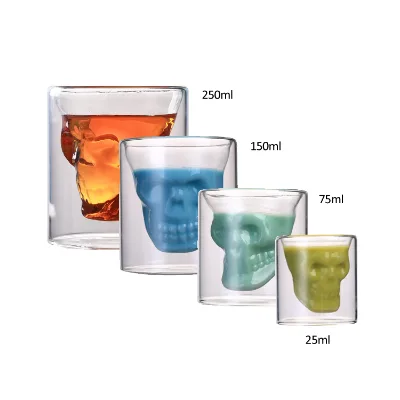

Champagne Glass Bottle Empty 750ml Wine Bottle Color Beer Bottles Glass
$0.28 - $0.42
MOQ: 5000 Pieces

Glass Champagne Bottle 100ml 250ml 375ml 500ml 750ml for Wine Beer Glass
$0.48 - $0.58
MOQ: 5000 Pieces
Comprehensive Sourcing Guide
Sourcing Guide for Crystal White Glass Whisky Bottles
Technical Specifications and Material Composition
When sourcing crystal white glass whisky bottles, the primary focus must be on the physical and chemical properties that define the container's integrity and aesthetic appeal. The core material for these products is glass, specifically formulated to offer high transparency and whiteness. This optical clarity is critical for showcasing the color and viscosity of premium spirits such as whisky, vodka, brandy, and rum. The observed market data indicates that these bottles are frequently categorized under specific model numbers, including JA-968, A-1892, and Lw-75006, which often correspond to distinct geometric designs ranging from classic to modern silhouettes.
Capacity is a defining specification that varies significantly across the supply base. Buyers will encounter standard volumes such as 500ml, 700ml, and 750ml, which align with international regulations for spirit packaging. Some suppliers offer a broader range, covering capacities from 100ml up to 800ml, with certain customizations extending beyond these standard tiers. The structural design often includes a "without handle" attribute, ensuring a sleek profile suitable for premium branding. The glass itself is described as having high transparency and whiteness, which distinguishes it from standard amber or green glass bottles often used for beer or wine.
The production process for these bottles is increasingly automated. Many manufacturers utilize fully automatic providing lines for bulk production, which ensures consistency in wall thickness and dimensional accuracy. This automation is essential for maintaining the "crystal" quality, as manual variations can introduce stress points or optical distortions. The standard packing dimensions observed in the market include configurations like 11.22.5M, which refers to the pallet or carton sizing used to optimize shipping volume. Understanding these dimensional constraints is vital for logistics planning, as the weight and fragility of glass require specific stacking and cushioning protocols.
Compliance, Certification, and Safety Standards
Ensuring that glass bottles are safe for direct contact with consumable liquids is a non-negotiable aspect of procurement. The supply chain for crystal white glass whisky bottles typically involves rigorous certification processes to verify that the materials do not leach harmful substances into the alcohol. Common certifications observed in the market include FDA approval, which indicates compliance with United States food safety standards, and RoHS, which restricts the use of specific hazardous materials in manufacturing. Additionally, SGS certification is frequently cited, providing third-party verification of product quality and safety.
Buyers must verify that the glass meets specific chemical stability requirements. While ISO9001 is a background standard often associated with quality management systems, the specific product certifications that matter most for food contact are FDA and SGS. These certifications confirm that the glass composition is inert and safe for storing high-proof spirits. It is important to note that while some listings mention ISOColor or general ISO standards, the concrete verification points for a buyer should be the specific food-grade certifications. The absence of these certifications should be treated as a red flag, as glass intended for alcohol must be free from lead and cadmium, which can be present in lower-quality glass formulations.
The labeling and decoration processes also require compliance checks. If the bottles are to be printed with logos or decorative elements, the inks and adhesives used must also be food-safe. The market offers options for various decoration techniques, including decal, frosting, spraying, screen printing, and general printing. Each of these methods introduces different chemical components to the final product. Procurement teams should request Material Safety Data Sheets (MSDS) for any applied decorations to ensure they do not compromise the safety of the contents. Furthermore, the closure types, such as cork stoppers or screw caps, must also be sourced from suppliers who can provide their own compliance documentation.
Cost Drivers and Pricing Dynamics
The pricing of crystal white glass whisky bottles is influenced by a complex interplay of factors, including volume, customization, and logistics. The observed price range in the market spans from approximately $0.17 to $5.90 per unit. This wide variance is not arbitrary; it reflects differences in glass thickness, bottle complexity, decoration requirements, and order quantity. The minimum order quantity (MOQ) is a significant driver of unit cost. Buyers may encounter MOQs ranging from as low as 48 units to as high as 50,000 units. Generally, higher volumes allow for better economies of scale, bringing the unit price closer to the lower end of the observed range.
Customization is a primary cost multiplier. While standard models like the 750ml or 500ml variants are often available at competitive rates, adding custom features such as specific molds, unique colors, or complex printing increases the cost. The "Customization: Available" attribute suggests that buyers can tailor the bottle shape or branding, but this flexibility comes with a premium. Additionally, the choice of closure type impacts the total landed cost. A bottle paired with a high-quality cork stopper will be more expensive than one with a standard screw cap.
Logistics and packaging also play a crucial role in the final cost. The standard packing methods include carton boxes, pallets with paper, and cases combined with pallets. The density of the packing, often standardized at dimensions like 11.22.5M, affects shipping efficiency. Buyers sourcing from China, specifically from regions like Shandong and Zhejiang, must factor in international freight costs, which can fluctuate based on fuel prices and container availability. The lead time, typically observed between 3 to 4 weeks, also influences cash flow and inventory planning. Rush orders may incur expedited shipping fees or higher production premiums.
Typical Applications and Market Segmentation
Crystal white glass whisky bottles are predominantly designed for the premium spirits market. The high transparency and whiteness of the glass make it an ideal canvas for showcasing the rich amber or clear hues of whisky, vodka, brandy, and rum. These bottles are frequently associated with "Premium Spirits," where the visual presentation is as important as the liquid quality. The "CLASSIC" style attribute suggests that these bottles often feature traditional shapes that evoke heritage and craftsmanship, appealing to consumers who value tradition in their spirits.
The applications extend beyond just whisky. The versatility of the crystal white glass allows for use in white wine, other spirits, and even premium non-alcoholic beverages. The "Party" occasion attribute indicates that these bottles are also suitable for events and gifting, where the aesthetic appeal of the packaging is paramount. The ability to apply a "Customized Logo" makes these bottles highly attractive for private label brands and distilleries looking to establish a unique market identity.
The market segmentation for these bottles is broad, catering to both bulk producers and boutique distilleries. Large-scale producers may opt for the fully automatic production lines to meet high-volume demands, while smaller brands might focus on the customization aspects, such as unique decal applications or specific color finishes. The "Any Color" attribute suggests that while white and transparent are standard, there is flexibility for colored glass if the buyer's branding strategy requires it. However, the core value proposition remains the clarity and purity of the crystal white glass, which enhances the perceived quality of the spirit inside.
Supplier Evaluation and Selection Criteria
Selecting the right supplier for crystal white glass whisky bottles requires a meticulous evaluation of their capabilities, history, and reliability. The geographic origin of the products is a key indicator, with major production hubs located in China, specifically in provinces like Shandong and Zhejiang. These regions have established glass manufacturing ecosystems, offering a balance of cost efficiency and technical expertise. Buyers should verify the specific location of the factory, as regional differences can impact quality control standards and logistics.
The production capacity of the supplier is another critical factor. Suppliers boasting "Fully Automatic Providing Line for Bulk Production" are better equipped to handle large orders with consistent quality. However, buyers must also assess the supplier's ability to handle smaller, customized orders. The presence of a "Sample: Free" policy is a positive indicator, allowing buyers to physically inspect the quality, weight, and finish of the bottle before committing to a large order. This step is essential for verifying the "High Quality" claims often made in product listings.
Certification verification is paramount. Buyers should not rely solely on the presence of certification badges on a website but must request valid, up-to-date documentation for FDA, SGS, and RoHS compliance. The supplier's response time and transparency regarding these documents are strong indicators of their professionalism. Additionally, the supplier's experience with specific closure types, such as cork stoppers or screw caps, should be evaluated. A supplier that specializes in glass but lacks experience with closures may struggle to provide a complete, leak-proof solution.
Quality Control and Long-Term Procurement
Maintaining quality over the long term requires a robust quality control (QC) framework. Given the fragile nature of glass, the primary QC focus should be on breakage rates during production and shipping. The "High Transparency and Whiteness" attribute must be consistently maintained across all batches. Buyers should implement a sampling plan that checks for optical defects, such as bubbles, stones, or uneven wall thickness, which can compromise the structural integrity of the bottle.
The labeling and decoration processes also require strict QC. Whether the bottles are "No Label" or feature a "Printed Label," the adhesion and durability of the label must be tested. For decorated bottles, the resistance of the decal, frosting, or screen printing to moisture and abrasion should be verified. The "Customizable" standard suggests that buyers should define clear acceptance criteria for any custom features before production begins.
Long-term procurement considerations include the stability of the supply chain and the supplier's ability to scale. The lead time of 3 to 4 weeks is a baseline; buyers should negotiate terms that account for potential delays. The "Pallet" and "Carton" packing standards should be standardized to ensure that the bottles arrive in perfect condition. Furthermore, the supplier's willingness to accommodate changes in order volume or design specifications is crucial for adapting to market fluctuations. Establishing a long-term partnership with a supplier who demonstrates reliability in meeting these criteria will ensure a steady supply of high-quality crystal white glass whisky bottles.
Comparison of Key Product Attributes
To assist buyers in making informed decisions, the following table summarizes the key attributes observed in the market for crystal white glass whisky bottles. This comparison highlights the variability in specifications and helps in aligning product choices with specific procurement needs.
| Attribute Category | Standard Observation | Variations & Options | Procurement Note |
|---|---|---|---|
| Material | Glass | Crystal White Glass, High Transparency | Verify food-grade certification (FDA/SGS). |
| Capacity | 500ml, 700ml, 750ml | 100ml - 800ml, Customized | Confirm exact volume tolerance for filling lines. |
| Closure Type | Cork Stopper, Screw Cap | Customizable | Ensure compatibility with the chosen closure. |
| Decoration | No Label, Printed Label | Decal, Frosting, Spraying, Screen | Request samples for print durability testing. |
| Packing | Carton, Pallet | Cases+Pallets, Paper | Check pallet dimensions (e.g., 11.22.5M). |
| Origin | China (Shandong, Zhejiang) | Various regions in China | Verify factory location for logistics planning. |
| MOQ | 48 - 50,000 pcs | 500 pcs (typical for samples/small runs) | Negotiate MOQ based on volume commitments. |
| Lead Time | 3-4 Weeks | Variable based on customization | Factor in buffer time for international shipping. |
This structured approach to sourcing ensures that buyers can navigate the complexities of the Crystal White Glass Whisky Bottle market with confidence, focusing on verified facts and practical procurement strategies.
FAQs
What certifications do crystal white glass whisky bottles have?
These bottles typically hold FDA, RoHS, and SGS certifications to ensure safety for direct contact with spirits. Buyers should verify specific documentation for food-grade compliance before ordering bulk quantities.
How much is the minimum order quantity for these bottles?
The minimum order quantity ranges from 48 to 50,000 units depending on the supplier and customization level. Standard models often start at 500 pieces, while custom orders may require higher volumes.
Which production locations supply these glass bottles?
Major production hubs are located in China, specifically in Shandong and Zhejiang provinces. These regions offer established manufacturing ecosystems with fully automatic production lines for bulk orders.
Can I get a customized logo on these bottles?
Yes, customized logos are acceptable and available through various decoration techniques like screen printing or decals. Buyers can choose from options including frosting, spraying, or decal applications for branding.
What is the typical lead time for production?
The standard lead time for production is approximately 3 to 4 weeks. This duration accounts for manufacturing, quality control, and packaging preparation before shipment from the factory.
What capacities are available for these whisky bottles?
Available capacities include standard sizes like 500ml, 700ml, and 750ml, with some options ranging from 100ml to 800ml. Customized capacity options are also available to meet specific branding needs.