Source Crystal Wind Chime for Meditation, Garden, and Home Decor
Find 30 Crystal Wind Chime options for meditation, garden decor, and home styling. Compare materials like glass and metal, check certifications such as CE and RoHS, and review MOQs ranging from 1 to 2000 pieces for bulk sourcing needs; compare the available evidence and request quotations based on your requirements.
Key considerations
Products List
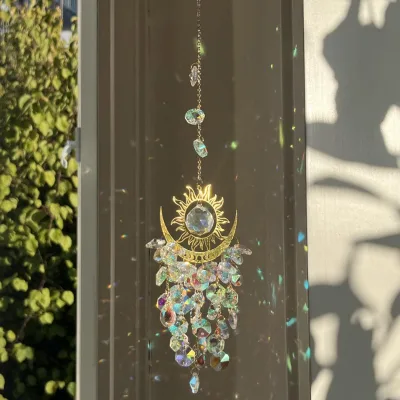


New Design Wholesale Solar Wind Chimes Metal Sun Wind Chime for Outdoor Light
$4.15 - $4.25
MOQ: 2000 Pieces


Sun Moon Solar Wind Chimes for Outside Crackle Glass Ball Waterproof Wind Chimes
$4.15 - $4.25
MOQ: 2000 Pieces


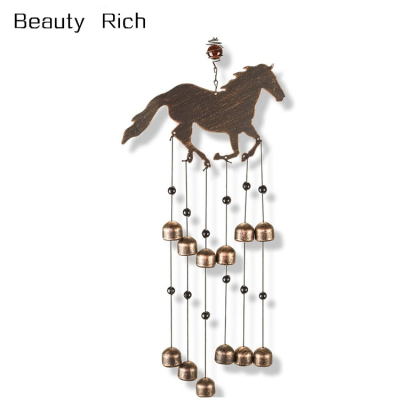
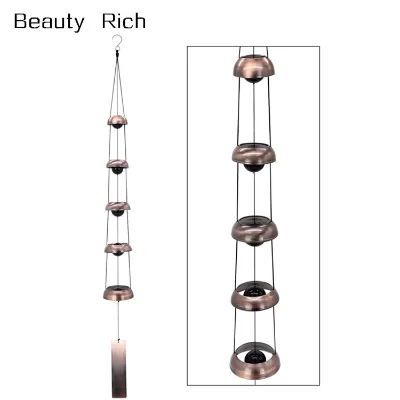
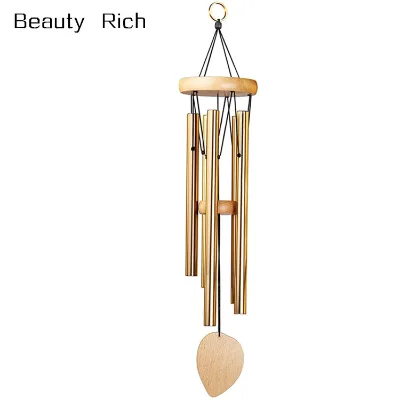
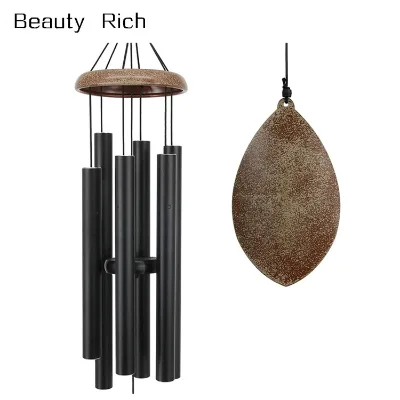
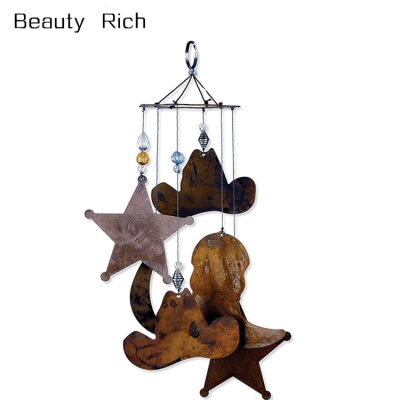
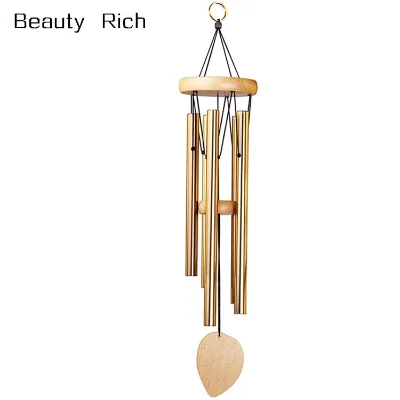


Jellyfish Crystal Wind Chime with Rainbow Sun Catcher for Outdoor Garden Decor
$15.60 - $15.90
MOQ: 100 Sets
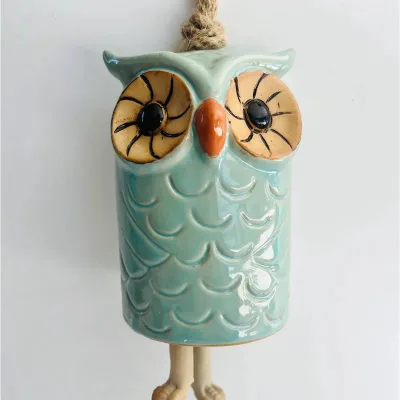
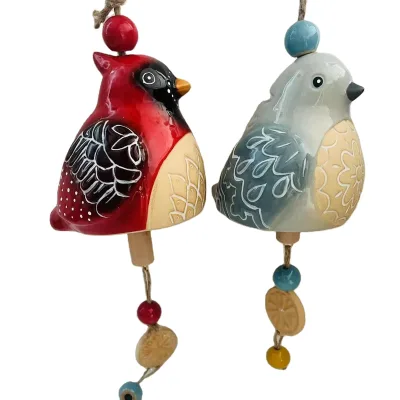
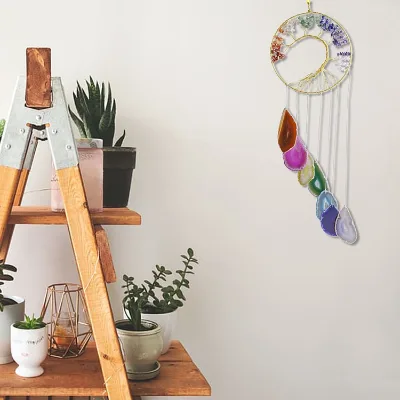
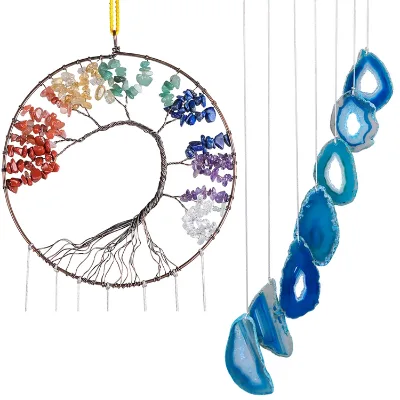
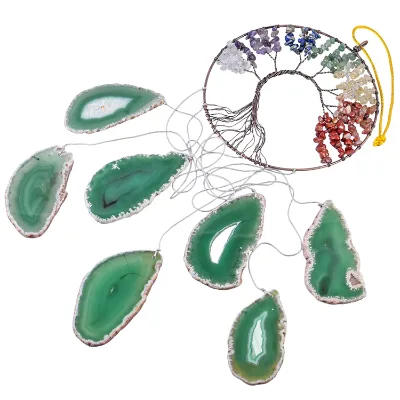

Natural Wind Chime Bamboo Wind Chime Outdoor Wooden Music Wind Chimes for Garden Windchime
$1.00 - $10.00
MOQ: 300 Pieces


Comprehensive Sourcing Guide
Crystal Wind Chime Sourcing Guide
Sourcing crystal wind chimes requires a nuanced understanding of material properties, aesthetic versatility, and functional performance. These decorative items serve dual purposes as ambient sound generators and visual focal points for gardens, patios, and meditation spaces. Buyers must distinguish between genuine crystal, glass, and metal variants, as each offers distinct acoustic qualities and durability profiles. The market presents a wide array of designs, from minimalist geometric shapes to intricate animal motifs, allowing for targeted procurement based on end-user preferences. Understanding these material distinctions is the first step in building a reliable supply chain that meets specific quality and aesthetic standards.
The procurement process involves evaluating multiple listing signals, including price ranges, minimum order quantities, and customization options. Observed data indicates a broad spectrum of offerings, with prices ranging from budget-friendly options to premium handcrafted pieces. Minimum order quantities vary significantly, starting from single units for sampling up to bulk orders of two thousand pieces for mass production. This variability allows buyers to scale their inventory based on demand forecasts and risk tolerance. Additionally, the availability of customized colors and designs enables brands to create unique product lines that stand out in competitive retail environments, provided the supplier has the necessary production capabilities.
Product Scope and Observed Listing Signals
The current market landscape for crystal wind chimes is characterized by diverse material compositions and design complexities. Listings frequently highlight materials such as crystal, glass, and metal, often combined in single units to enhance visual appeal and acoustic resonance. Craftsmanship is a key differentiator, with many suppliers emphasizing hand-made processes that ensure unique character and higher quality control. Products are often categorized by their intended use, ranging from home garden decor to promotional gifts and personal meditation aids. This broad scope requires buyers to carefully define their target audience and functional requirements before initiating supplier outreach, ensuring alignment between product capabilities and market needs.
Observed listing signals reveal significant variation in packaging, dimensions, and origin locations. Single package sizes are typically compact, facilitating efficient shipping and storage, while gross weights remain low to reduce logistics costs. Origins are predominantly reported from regions like Guangdong and Quanzhou in China, known for their manufacturing expertise in decorative goods. Suppliers often offer sample times ranging from one to seven days, allowing for rapid prototyping and quality assessment. These logistical details are critical for planning inventory turnover and managing cash flow, as they directly impact the speed to market and overall operational efficiency for the buyer.
Technical Specifications to Verify
Verifying technical specifications is essential to ensure the product meets functional and aesthetic expectations. Buyers should confirm the exact material composition, distinguishing between pure crystal, lead-free glass, and metal components, as this affects both sound quality and durability. Dimensions and weight are crucial for shipping calculations and display planning; for instance, some models specify heights around 99cm or 105cm, while others are smaller at 35cm. Packaging standards, such as bubble bags combined with inner boxes, help protect fragile items during transit. Clear specification sheets from suppliers prevent misunderstandings and ensure that the delivered goods match the approved samples in terms of size, weight, and structural integrity.
Acoustic and lighting features may also be relevant depending on the product variant. Some wind chimes incorporate energy-saving lamps and Ni-MH batteries, offering illumination for up to eight hours, which adds value for evening garden displays. Buyers must verify the IP rating and battery type to ensure safety and longevity, especially for outdoor use. Additionally, the presence of specific design elements, such as animal motifs or custom colors, should be confirmed against the supplier’s production capabilities. Detailed technical verification helps avoid discrepancies between marketing claims and actual product performance, ensuring customer satisfaction and reducing return rates due to mismatched expectations.
Compliance and Safety Documentation
Compliance with international safety standards is non-negotiable for decorative items, particularly those intended for children or outdoor use. Buyers must request and verify certificates such as CE, EN71-3, RoHS, and ASTM, which attest to the product’s adherence to strict safety and environmental regulations. These certifications ensure that materials are free from harmful substances and that the product poses no risk to users. Documentation should be current and issued by recognized testing bodies. Without proper certification, products may face customs delays, legal liabilities, or reputational damage in regulated markets. Ensuring compliance is a foundational step in establishing a trustworthy and sustainable supply chain.
Beyond regulatory compliance, buyers should assess the supplier’s commitment to quality assurance processes. This includes verifying the origin of raw materials and the manufacturing environment’s adherence to quality management systems. Suppliers who accept OEM orders and offer customized colors demonstrate flexibility and a customer-centric approach. However, buyers must ensure that customization does not compromise safety standards or material integrity. Clear communication regarding compliance requirements and quality expectations helps align supplier capabilities with buyer needs, fostering a collaborative relationship that prioritizes product safety and market readiness.
Cost Drivers and Commercial Terms
Cost drivers for crystal wind chimes include material selection, craftsmanship complexity, and order volume. Hand-made products typically command higher prices due to the labor-intensive nature of their production, while mass-produced items benefit from economies of scale. Minimum order quantities significantly influence unit costs, with lower MOQs often resulting in higher per-unit prices. Buyers should negotiate terms that balance cost efficiency with inventory flexibility, considering the trade-offs between bulk discounts and storage costs. Understanding these dynamics allows for more accurate budgeting and pricing strategies, ensuring competitive positioning in the target market without sacrificing profit margins.
Commercial terms such as sample times, payment conditions, and lead times also impact overall procurement costs. Suppliers offering sample times of one to seven days enable faster decision-making and quicker time-to-market. However, buyers must account for potential shipping costs and customs duties when calculating the total landed cost. Clear agreements on customization fees, tooling costs, and quality assurance procedures prevent unexpected expenses. By carefully evaluating these commercial terms, buyers can optimize their procurement strategy, ensuring that the total cost of ownership aligns with their financial goals and operational capabilities.
Supplier Qualification and Quality Control
Supplier qualification involves a thorough assessment of manufacturing capabilities, quality control systems, and past performance. Buyers should verify the supplier’s experience in producing crystal wind chimes, including their ability to handle customized orders and maintain consistent quality across batches. Requesting references or case studies can provide insights into the supplier’s reliability and responsiveness. Additionally, assessing the supplier’s facility for adherence to safety and environmental standards ensures a responsible supply chain. A qualified supplier not only delivers high-quality products but also supports the buyer’s brand reputation through ethical and efficient operations.
Quality control measures should be integrated into the procurement process to minimize defects and ensure product consistency. Buyers should establish clear quality standards and inspection protocols, including pre-shipment inspections and random sampling. Collaborating with suppliers to implement corrective action plans for any identified issues helps maintain high quality levels. Regular communication and feedback loops foster continuous improvement and strengthen the supplier-buyer relationship. By prioritizing supplier qualification and robust quality control, buyers can mitigate risks and ensure that their products meet the highest standards of excellence.
Long-Term Procurement Checks
Long-term procurement success depends on continuous monitoring of supplier performance and market trends. Buyers should regularly review key performance indicators such as on-time delivery rates, defect rates, and responsiveness to issues. Establishing a structured review process helps identify areas for improvement and reinforces accountability. Additionally, staying informed about changes in material costs, regulatory requirements, and consumer preferences allows for proactive adjustments to procurement strategies. This ongoing vigilance ensures that the supply chain remains resilient and adaptable to evolving market conditions, supporting sustained business growth.
Building a diversified supplier base can mitigate risks associated with single-source dependencies. Buyers should explore opportunities to engage with multiple suppliers, each offering unique strengths in terms of cost, quality, or customization. This diversification provides flexibility in sourcing and enhances bargaining power. Furthermore, fostering strong relationships with suppliers through regular communication and mutual support creates a collaborative environment conducive to innovation and problem-solving. By implementing these long-term checks, buyers can secure a stable and efficient supply chain that supports their strategic objectives and market competitiveness.
FAQs
What materials are used for these crystal wind chimes?
The products are crafted from crystal, metal, and glass materials. Some items feature a handmade process to ensure excellent quality. Buyers can choose from blue, golden, green, or colorful options depending on the specific model selected for their needs.
Can I order custom colors for these wind chimes?
Yes, customized colors are available for these wind chimes. The product listing confirms that customization is accepted with OEM services. Buyers can request specific designs such as animals or wind chime characters to meet their unique decoration requirements.
What is the minimum order quantity for these items?
The minimum order quantity varies significantly between different product listings. Some options start at just one piece, while others require orders of 800 or 2000 pieces. Buyers should check the specific model number to confirm the exact MOQ before placing an order.
How long does it take to receive a sample?
Sample delivery typically takes between one to seven days. This timeframe applies to the handmade production process described for these crystal wind chimes. Buyers can expect a quick turnaround for initial samples before committing to larger bulk orders.
Which certifications do these wind chimes hold?
These products hold several safety and quality certifications including CE, RoHS, ASTM, and En71-3. These standards ensure the items meet international safety requirements for home decorations. Buyers seeking compliant products can verify these certificates for specific models.
Where are these crystal wind chimes manufactured?
The products originate from manufacturing locations in Guangdong and Quanzhou City, China. These regions are known for producing high-quality handmade decorations. Buyers can expect the goods to be shipped from these specific Chinese locations.
What are the standard sizes for these wind chimes?
Standard sizes vary by model, with heights ranging from 35cm to 105cm. Some specific models have a height of 99cm while others are custom sized. The single package size is typically around 15 by 12 by 3 cm for smaller units.