Source Crystal Vibrating Dildo Vibrator for Retail and Wholesale
Explore 30 options for the Crystal Vibrating Dildo Vibrator, featuring TPE+ABS materials and waterproof designs. Compare specifications like vibration modes, battery types, and OEM services to find suitable adult novelty products for your inventory needs; compare the available evidence and request quotations based on your requirements.
Key considerations
Products List
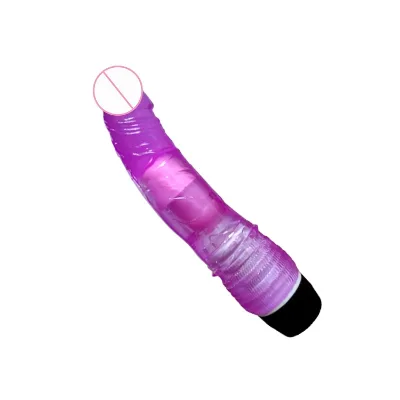


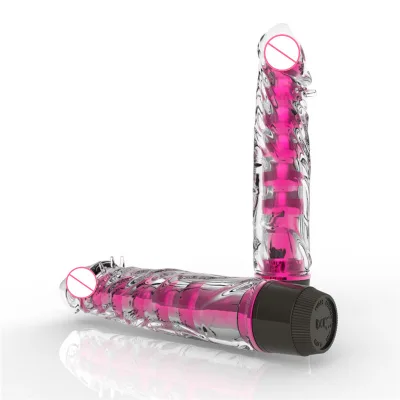


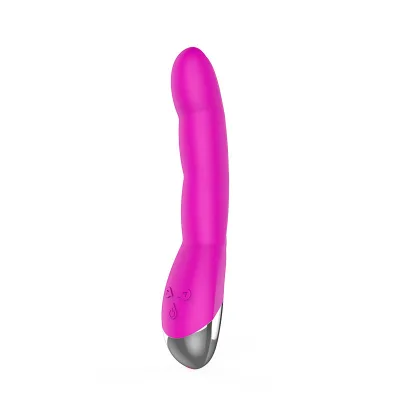


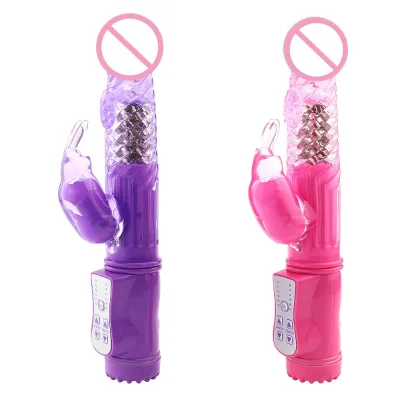


Comprehensive Sourcing Guide
Crystal Vibrating Dildo Vibrator Sourcing Guide
Procurement teams must first distinguish between the specific product attributes observed in the market, such as the TPE and ABS material composition, and the broader category of adult wellness devices. The observed listings indicate a product range that includes models powered by AAA batteries as well as those utilizing internal lithium batteries, requiring buyers to clarify the power source requirement before initiating any supplier engagement. This distinction is critical because the battery type directly influences the waterproofing capabilities and the overall operational runtime of the device.
Buyers should also note the variance in observed specifications, where some listings cite a single package size of 20x5x5 cm while others reference a maximum length of 23.5 cm. These discrepancies suggest that the "Crystal" descriptor may apply to the aesthetic finish rather than a uniform physical dimension across all suppliers. Consequently, the initial sourcing strategy must prioritize verifying the exact model number, such as VB043, against the requested dimensions to ensure the final product matches the intended design specifications for the target market.
Product Scope and Observed Listing Signals
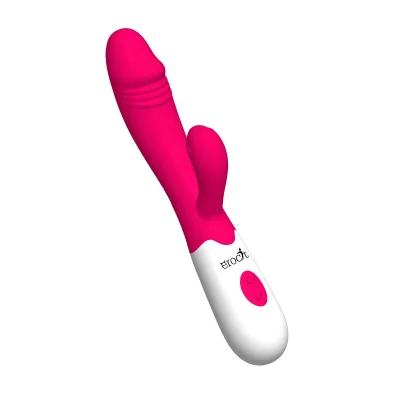
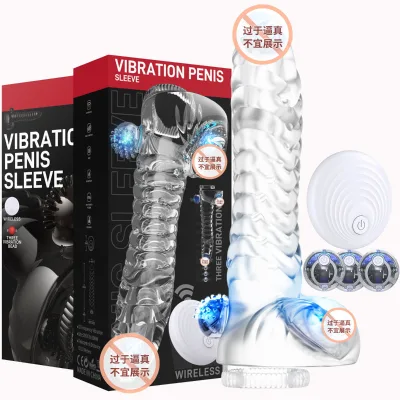
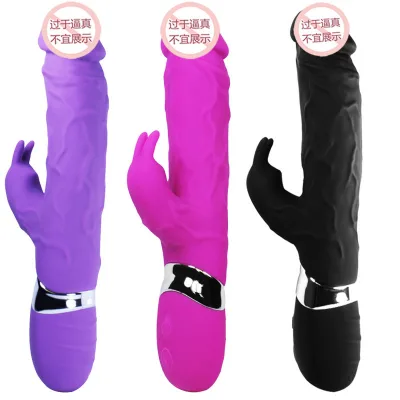
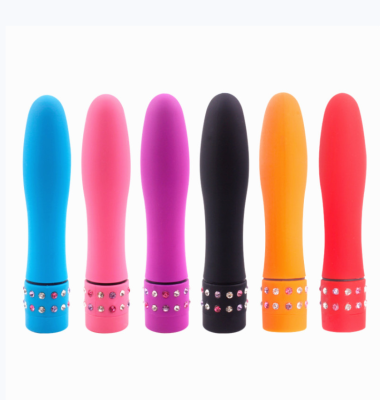
The market data reveals a diverse range of features including ten vibration modes, heating functions, and specific color options like pink, purple, and black. Buyers must carefully evaluate whether the "Crystal" branding refers to a specific texture or a visual finish, as the observed product names vary between "Crystal dildo vibrator" and "Automatic Sex Toys Vibrator." This variation in nomenclature indicates that suppliers may use similar keywords for different product lines, necessitating a strict review of the product images and detailed attribute lists to confirm the exact item being sourced.
Commercial signals also show a wide range in minimum order quantities, with observed values spanning from 1 to 1000 units, and delivery times ranging from 3 to 15 days. The availability of OEM services and customized packaging suggests that many suppliers are prepared to handle private label requests, but the lead time variability requires careful supply chain planning. Procurement teams should verify if the low MOQ of 10 pieces is a standard offering or a specific promotion, as this will significantly impact the initial inventory investment and the flexibility of the order structure.
Technical Specifications to Verify
Technical verification must focus on the waterproof rating, as observed listings cite both IPX6 and general "100% Waterproof" claims alongside "Daily Waterproof" descriptions. Buyers should request specific test reports to confirm the IP rating, as this determines the device's suitability for use in wet environments and its long-term durability against moisture ingress. The discrepancy between "IPX6" and "Daily Waterproof" highlights the need for precise definition of the water resistance standard required for the specific application and user safety expectations.
Power and runtime specifications also require rigorous validation, given the mix of AAA battery models and lithium battery models with a stated 50-minute run time. The charging time of 2.5 hours and sound level of less than 60dB are critical performance metrics that must be confirmed for the specific model selected. Since some listings mention a net weight of 173g while others list 800g, the physical weight and balance of the device must be verified to ensure it meets the ergonomic requirements for the intended user demographic.
Compliance and Safety Documentation
Safety compliance in this category relies heavily on the material composition, specifically the use of TPE and ABS plastics, which must be verified for phthalate-free status and body-safe certification. Buyers should demand material safety data sheets (MSDS) and proof of non-toxic testing to ensure the product meets the regulatory standards of the destination market. The absence of specific certification names in the observed data means that the procurement team must explicitly require third-party laboratory test results rather than relying on supplier self-declarations.
Documentation regarding electrical safety is equally important, particularly for models utilizing lithium batteries and charging mechanisms. The observed sound levels and battery types necessitate verification against regional electrical safety standards to prevent overheating or battery failure during operation. Procurement teams must ensure that the supplier provides evidence of compliance with relevant safety standards for electronic devices, including any specific requirements for the battery type and charging time observed in the product listings.
Cost Drivers and Commercial Terms
The cost structure is influenced by the complexity of the electronic components, such as the number of vibration modes and the inclusion of heating functions, which can significantly increase the unit price. The observed price range of 0.9 to 32 USD suggests a wide disparity in quality and feature sets, requiring buyers to align their budget with the specific technical requirements of the product. Understanding these cost drivers is essential for negotiating a price that reflects the desired feature set without compromising on material quality or safety standards.
Commercial terms must account for the variability in packaging options, ranging from standard gift boxes to customized packaging with logos. The availability of OEM services allows for brand differentiation, but this customization often incurs additional tooling or setup costs that must be factored into the total landed cost. Buyers should clarify the MOQ for customized orders and the lead time implications of adding custom branding to ensure the commercial terms align with the project timeline and budget constraints.
Supplier Qualification and Quality Control
Supplier qualification should prioritize manufacturers located in established industrial hubs like Zhejiang and Guangdong, which are known for their expertise in plastic molding and electronics assembly. The observed origin locations suggest a concentration of manufacturing capability in these regions, but buyers must verify the specific factory's capacity to handle the required order volume and quality standards. Establishing a direct relationship with a qualified manufacturer ensures better control over the production process and reduces the risk of supply chain disruptions.
Quality control protocols must be strictly defined to address the observed variations in product weight, dimensions, and performance. Implementing a pre-shipment inspection plan that checks for material consistency, waterproof integrity, and electronic functionality is essential to mitigate the risk of receiving substandard goods. Buyers should require a detailed quality control checklist that covers the specific attributes observed, such as the 10 vibration modes and the specific color options, to ensure every unit meets the agreed-upon specifications before shipment.
Long-Term Procurement Checks
Long-term procurement success depends on establishing a robust feedback loop to monitor product performance and customer satisfaction over time. Buyers should track return rates and customer complaints related to battery life, waterproofing failures, or material degradation to identify potential quality issues early. This data-driven approach allows for continuous improvement in the product specifications and helps maintain a high standard of quality across future production runs.
Regular audits of the supplier's production capabilities and quality management systems are necessary to ensure sustained compliance with safety and performance standards. As the market evolves, suppliers may update their models or change material suppliers, which could impact the product's safety profile. Procurement teams must maintain open communication channels with the supplier to stay informed about any changes in the manufacturing process and to ensure that the product continues to meet the evolving regulatory requirements of the target market.
FAQs
What materials are used for the crystal dildo vibrator?
The product is constructed from TPE and ABS materials to ensure safety and durability during use. This combination provides a soft texture while maintaining structural integrity for the vibrating functions required by female users.
How many vibration modes does this sex toy offer?
This vibrator features ten distinct vibration modes to provide varied stimulation for the user. The device allows for easy adjustment of intensity and pattern to suit different preferences and comfort levels during intimate moments.
Can the crystal vibrator be used in water?
Yes, the device is fully waterproof with an IPX6 rating, allowing for safe use in the shower or bath. This feature ensures that the internal electronics remain protected from water damage while the user enjoys the vibrating sensations.
What is the delivery time for orders of this item?
The standard delivery time for this product ranges from three to fifteen days after order confirmation. This lead time applies to the manufacturing and shipping process from the supplier location in Zhejiang, China to the destination.
Is OEM service available for custom branding on this toy?
OEM services are accepted and provided for this product, allowing for custom branding and packaging options. Buyers can request custom logos on the color package box to align with their specific brand identity and marketing strategies.
What is the minimum order quantity for this vibrator?
The minimum order quantity for this product is ten pieces per order. This low MOQ allows buyers to test the market or fulfill small orders without needing to commit to large inventory volumes immediately.
How is the product powered and what is the runtime?
The device operates using two AAA batteries which are not included in the package. Alternatively, some models utilize a lithium battery that charges in 2.5 hours and provides approximately 50 minutes of continuous runtime.
What are the dimensions and weight of the single package?
The single package size is 20 by 5 by 5 centimeters with a gross weight of 0.2 kilograms. The product itself has a net weight of 173 grams and measures 19 by 3.5 centimeters in size.