Source Crystal Wedding Finger Ring for Gifts and Decor
Explore 30 options for a Crystal Wedding Finger Ring suitable for engagements, parties, and daily wear. Compare styles including vintage, fashion, and geometric designs in materials like alloy and sterling silver. Evaluate customization, plating, and packaging details to find the right supplier match.
Key considerations
Products List

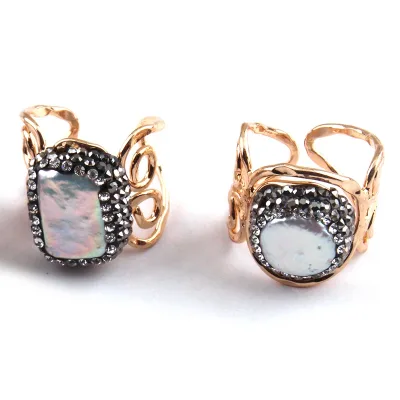


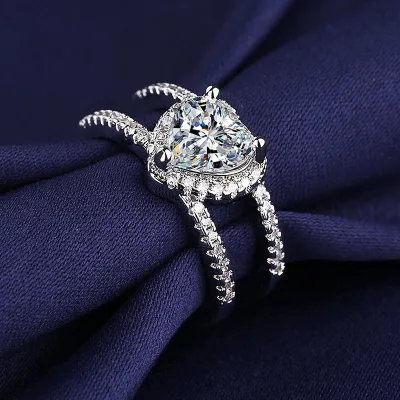
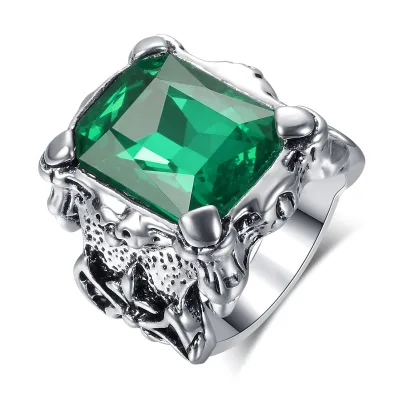
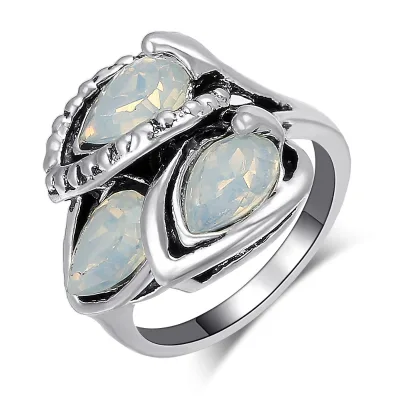


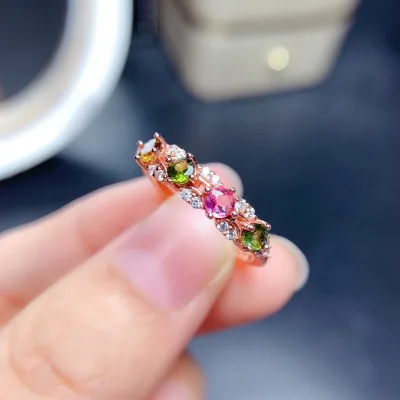
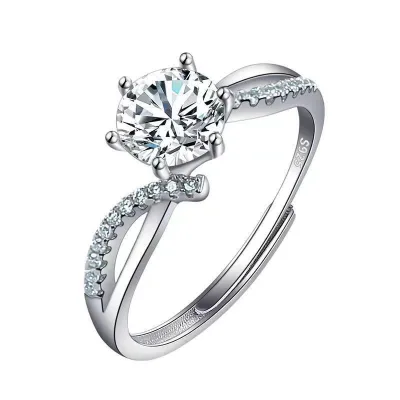
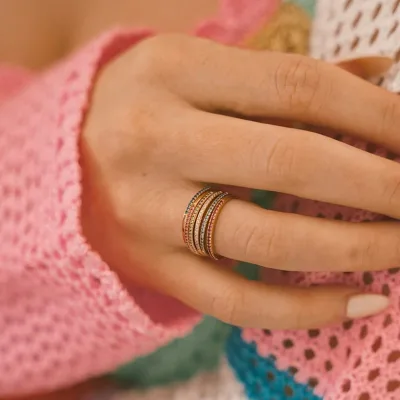


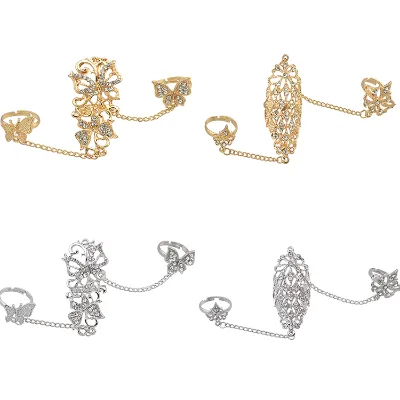
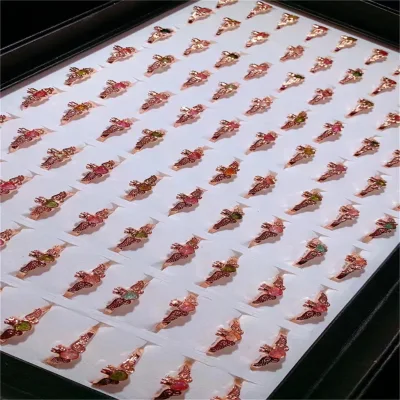
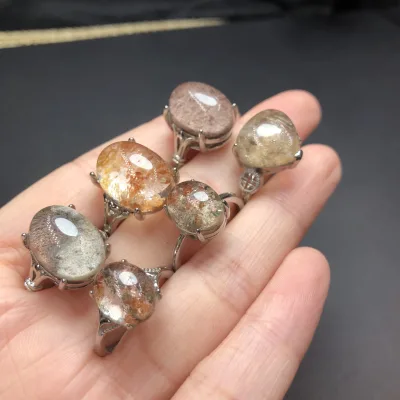

Elegant Versatile Vintage Stainless Steel Round Diamond Wedding Finger Ring
$0.80 - $9.00
MOQ: 50 Pieces

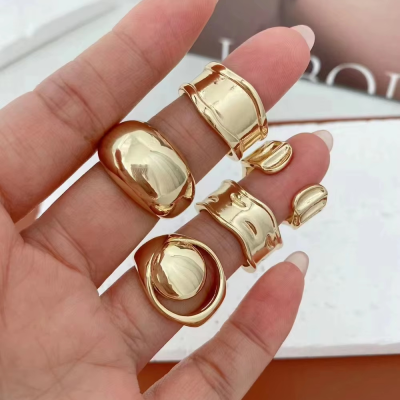
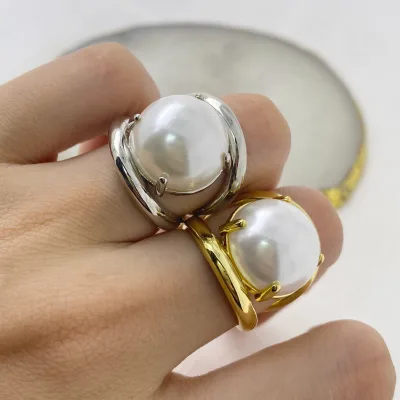
Long-Lasting Modern Stackable Stainless Steel Wedding Diamond Finger Ring
$0.80 - $9.00
MOQ: 50 Pieces

Comprehensive Sourcing Guide
Crystal Wedding Finger Ring Sourcing Guide
Sourcing crystal wedding finger rings requires careful attention to the specific design attributes observed in current listings, such as the availability of fashion-forward styles and vintage geometries. Buyers should prioritize suppliers who explicitly offer customization options for ring sizes and colors, as the market data indicates a strong demand for resizable bands and custom color finishes like gold, silver, and rhodium plating. The presence of multiple model numbers suggests a diverse inventory that can accommodate various aesthetic preferences, from simple bands to those featuring rhinestone settings.
Procurement teams must also evaluate the material composition carefully, as listings reveal a mix of alloy bases, 925 sterling silver, and crystal or rhinestone main stones. This variation impacts both the final price point and the durability of the jewelry, necessitating a clear definition of requirements before engaging with manufacturers. Understanding whether the product is intended for daily wear or specific ceremonial occasions like engagements and anniversaries will help narrow down the selection to items that meet the intended usage standards and quality expectations.
Product Scope and Observed Listing Signals
The current market for crystal wedding rings displays a wide range of price points, typically observed between 0.15 and 9.9 USD, reflecting differences in material quality and production complexity. Buyers should note that while some listings feature high-quality low-price capabilities, others emphasize large stock availability and fast shipping, which are critical factors for meeting tight event deadlines. The observed minimum order quantities vary significantly, ranging from single items to 1000 units, allowing flexibility for both small boutique orders and large-scale wholesale distribution.
Listing signals also highlight specific fabrication processes such as electroplating and wax setting, which are essential for achieving the desired finish and stone security. The product scope includes various shapes and patterns, with some items described as having a "New Fashion" design while others adhere to a "Vintage" aesthetic. These distinct styles cater to different consumer demographics, requiring buyers to verify that the specific design elements align with their target market's preferences before committing to a bulk purchase.
Technical Specifications to Verify
When verifying technical specifications, buyers must confirm the exact ring size availability, as listings show options ranging from standard sizes 7 through 11 to fully resizable bands. The standard weight of 8 grams is noted for certain models, but this should be validated against the specific alloy or silver content to ensure the piece meets the desired weight and feel. It is crucial to check the plating details, such as rhodium or gold finishes, to guarantee long-term color retention and resistance to tarnishing, which are common concerns for wedding jewelry.
Material verification is equally critical, as the supply chain offers both alloy and 925 sterling silver options, each with distinct properties regarding durability and hypoallergenic characteristics. Buyers should request detailed material certificates to confirm the purity of silver items and the quality of the crystal or rhinestone main stones used in the setting. Additionally, the packing method, whether standard OPP boxes or customized packaging, must be confirmed to ensure the product arrives in pristine condition for retail display or direct gifting.
Compliance and Safety Documentation
Compliance documentation is a non-negotiable aspect of sourcing, particularly when dealing with jewelry intended for sensitive skin contact during weddings and engagements. Buyers should insist on seeing valid SGS certificates to verify that the products meet international safety standards for heavy metals and chemical composition. This documentation ensures that the rings are free from harmful substances that could cause allergic reactions, a critical consideration for items worn daily or for extended periods during ceremonies.
In addition to material safety, buyers must verify that the manufacturing process adheres to relevant quality standards, such as the 8g standard mentioned in some listings, which may indicate a specific weight tolerance or quality benchmark. It is essential to confirm that the supplier maintains a factory presence, as this often correlates with better oversight of production quality and adherence to safety protocols. Ensuring that all products are 100% brand new and free from defects is also a key part of the compliance checklist to maintain brand reputation.
Cost Drivers and Commercial Terms
Cost drivers in this category are heavily influenced by the choice of material, with 925 sterling silver commanding a higher price point than alloy alternatives. The complexity of the design, including features like electroplating and wax setting, also adds to the production cost, as does the customization of colors and sizes. Buyers should analyze the trade-off between unit price and order volume, as the observed MOQ ranges from 10 pieces to 1000, allowing for strategic negotiation based on the total order value.
Commercial terms such as delivery time and shipping capabilities are significant factors in the total cost of ownership. Listings indicate a standard delivery time of 20-30 days, which must be factored into the procurement timeline to avoid delays for upcoming wedding seasons. Suppliers offering fast shipping and large stock availability may command a premium, but this can be offset by reduced inventory holding costs and the ability to fulfill urgent orders without compromising on the quality of the crystal wedding rings.
Supplier Qualification and Quality Control
Supplier qualification should focus on verifying the factory status and the capability to provide OEM/ODM services, which indicates a mature production infrastructure. Buyers must assess the supplier's ability to maintain high-quality standards while offering competitive pricing, as the market data suggests a balance between quality and cost is a key selling point. The presence of a factory in Yiwu or Zhejiang, China, provides a geographical context for logistics, but the actual quality control processes must be validated through on-site audits or third-party inspections.
Quality control measures should include rigorous testing of the plating adhesion and stone setting security, especially for rings intended for frequent wear. Buyers should request samples to verify the finish quality and ensure that the "High Quality in EU and Au" claims are substantiated by actual product performance. Establishing a clear communication channel for addressing defects and ensuring that the supplier can consistently deliver on the promised specifications is essential for building a reliable long-term partnership.
Long-Term Procurement Checks
Long-term procurement success depends on the supplier's ability to maintain consistent stock levels and adapt to changing fashion trends. Buyers should monitor the supplier's inventory of popular models like RING-01215 or Daily use-807D to ensure they can meet ongoing demand without significant lead time increases. The ability to offer customized packaging and colors is a valuable asset for maintaining brand identity, and suppliers should be evaluated on their flexibility to accommodate these requests over time.
Regular performance reviews are necessary to ensure that the supplier continues to meet quality and delivery standards as the business scales. Buyers should track the consistency of the 20-30 day delivery window and the reliability of the SGS certification for each batch. By maintaining a proactive approach to supplier management, buyers can mitigate risks associated with supply chain disruptions and ensure a steady flow of high-quality crystal wedding rings that meet the evolving needs of their customers.
FAQs
What materials are used for crystal wedding rings?
The rings are crafted from alloy and 925 sterling silver, featuring crystal or rhinestone main stones. Electroplating processes like rhodium plating enhance durability and shine. These materials ensure a high-quality finish suitable for fashion and vintage styles, providing a premium look for wedding and engagement occasions while maintaining structural integrity.
Can I customize the ring size and packaging?
Yes, customization is available for both ring sizes and packaging. Sizes range from 7 to 11, with some options being resizable. Packaging can be customized or provided in OPP boxes. This flexibility allows buyers to tailor products to specific market needs, ensuring the rings fit various customer preferences and branding requirements effectively.
What is the typical lead time for orders?
The delivery time is typically 20-30 days. This timeframe accounts for production and processing, including electroplating and assembly. Buyers should plan accordingly for large orders or custom requests. Fast shipping options may be available depending on stock levels, but standard production cycles require this duration to ensure quality control and completion.
Which certifications are provided for these rings?
SGS certification is provided for the products. This ensures that the materials and manufacturing processes meet specific quality and safety standards. Buyers can rely on this certification for compliance in international markets. The factory confirms high-quality standards, making these rings suitable for export to regions requiring verified material safety and production integrity.
What is the minimum order quantity for these rings?
The minimum order quantity is 10 pieces. This low MOQ allows buyers to test the market or order small batches for specific events. It supports flexibility for both new and established buyers. The factory offers large stock options, enabling faster fulfillment for standard items while accommodating custom orders with the specified minimum threshold.
Where are these rings manufactured?
The rings are manufactured in Yiwu, Zhejiang, China. This location is known for its robust jewelry production capabilities and supply chain efficiency. Buyers can source directly from factories in this region, benefiting from established manufacturing infrastructure. The origin ensures access to high-quality materials and skilled labor, supporting consistent production standards for global distribution.