Source Crystal Waterdrop Pendant for Decoration, Gifts, and Healing
Explore 30 listings for the Crystal Waterdrop Pendant, featuring options in K9 crystal and natural stone. Buyers can compare customization, sizes, and shipping methods to find suitable pieces for decoration, gifts, and spiritual uses.
Key considerations
Products List


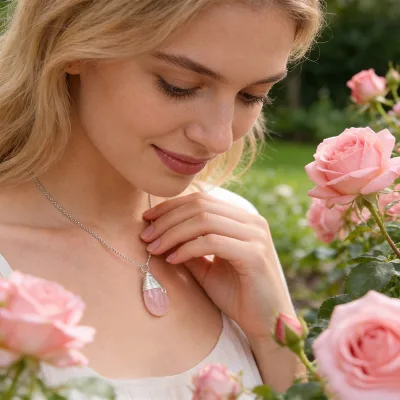
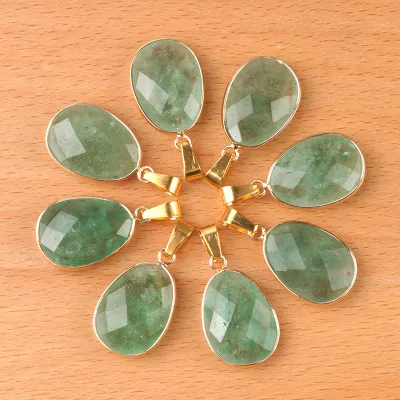
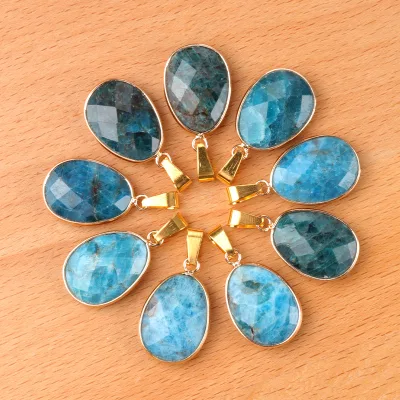
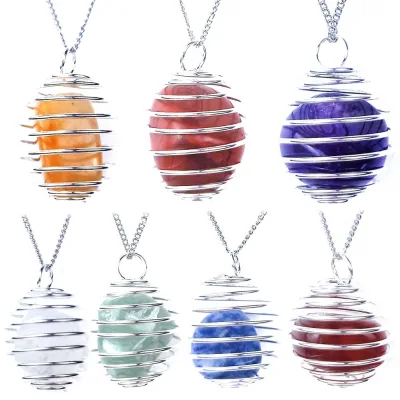





Comprehensive Sourcing Guide
Strategic Sourcing Guide for Crystal Waterdrop Pendants
Understanding Product Specifications and Variations
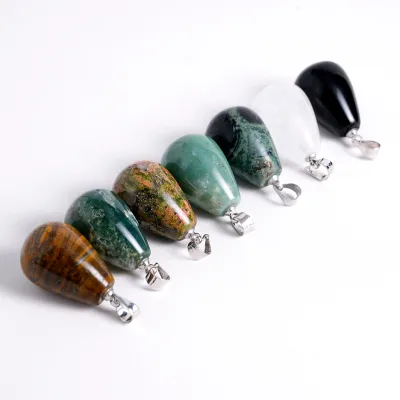
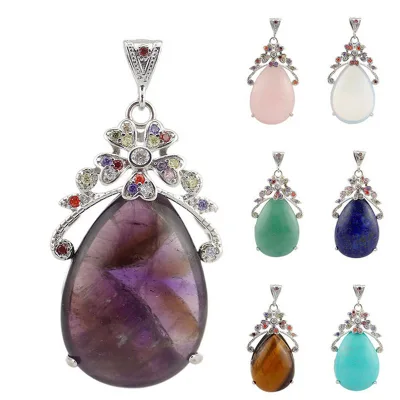
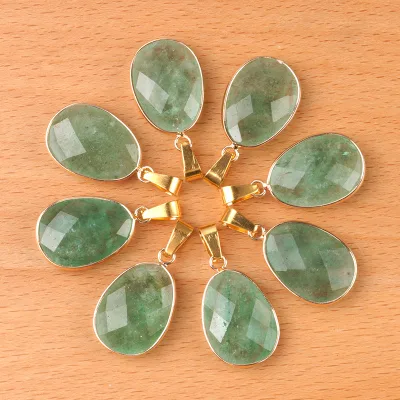
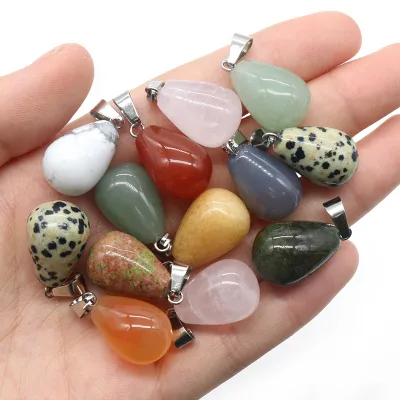
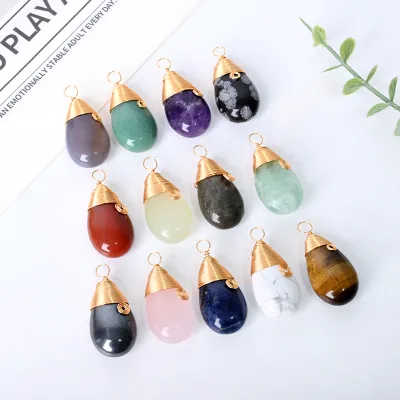
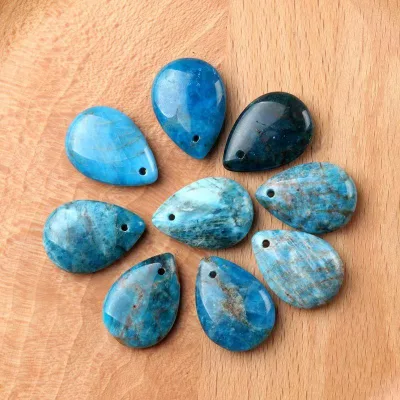
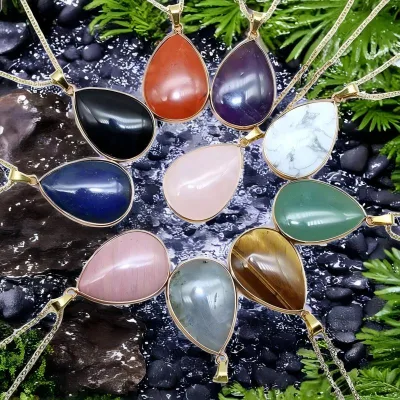
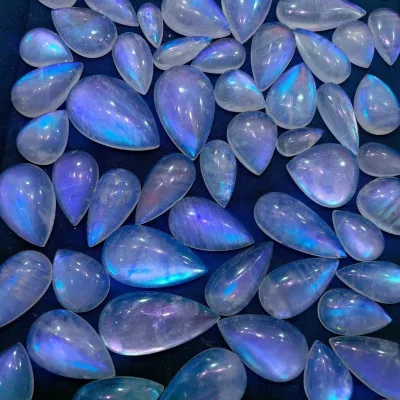
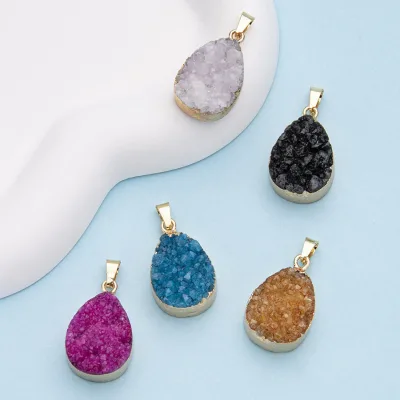
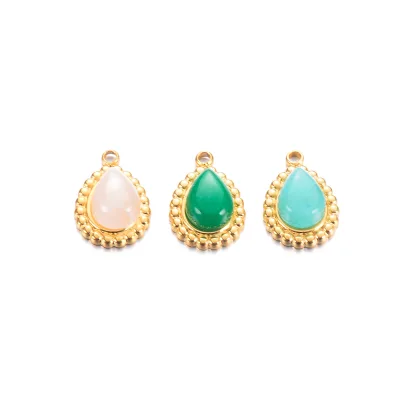
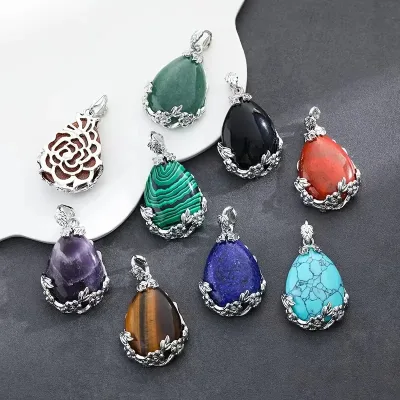
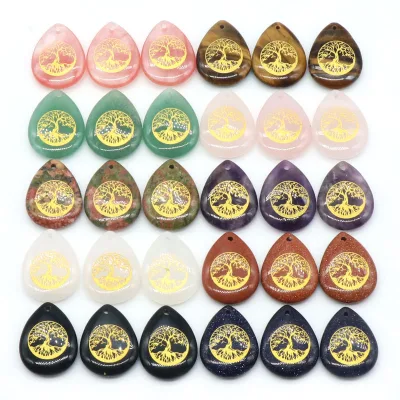
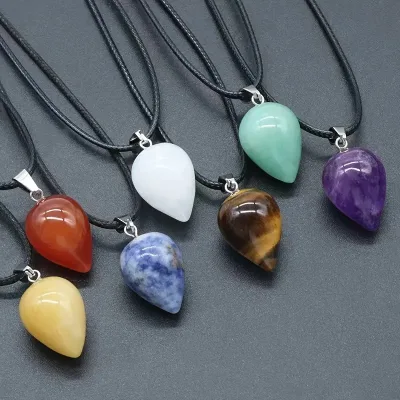
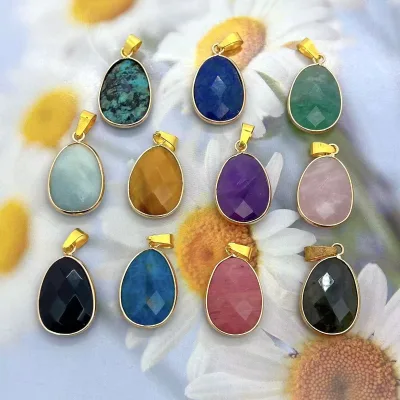
The market for crystal waterdrop pendants presents a diverse array of technical specifications that buyers must navigate to ensure alignment with their specific procurement needs. Based on available product data, the core material composition often centers on high-quality K9 Crystal or natural stone varieties. K9 Crystal is frequently cited as a premium option, offering high transparency and a diamond-like clarity that distinguishes it from standard glass. However, the supply chain also includes natural stone beads such as Amethyst, Agate, Citrine, Rose Quartz, Tiger Eye, and Lapis, which are often processed into waterdrop shapes for jewelry or decorative applications.
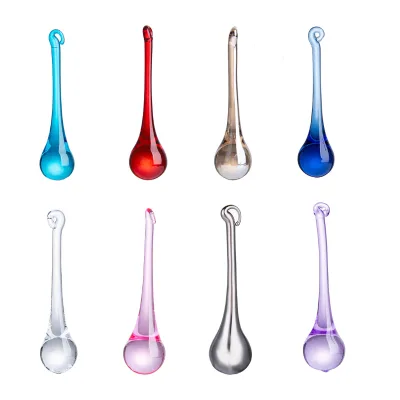
The physical dimensions of these pendants vary significantly across different suppliers. Observed specifications indicate a wide range of sizes, including specific measurements like 38mm, 50mm, 63mm, 76mm, and 89mm for individual drops. Other listings describe a standard length of 40cm or 45cm for finished strands or specific pendant configurations. The shape is consistently described as a waterdrop, with specific dimensions noted for certain models, such as 20mm by 78mm. Color options are extensive, ranging from transparent variants to specific hues like blue, lake blue, pink, purple, red, and champagne. Some suppliers offer a numbered color palette extending up to 21 distinct shades, while others focus on the natural coloration of the gemstones used.
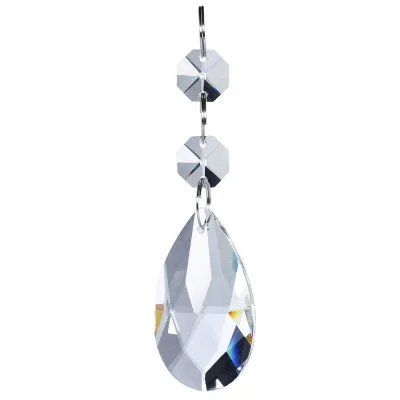
The manufacturing technique is a critical specification to verify. The majority of high-quality waterdrop pendants utilize a polishing technique to achieve a smooth, reflective surface that enhances light refraction. This is essential for applications involving suncatchers or chandeliers where light dispersion is the primary function. The design is typically categorized as a pendant, but the "Bead" shape is also a common classification in the broader crystal category. Buyers should note that while "One Size" is a common listing, the actual physical size is often customizable, with some suppliers offering "Customized Shapes" to meet specific design requirements.
Technical Compliance and Material Standards
When sourcing crystal waterdrop pendants, verifying compliance with material standards and safety certifications is paramount, particularly for products intended for personal wear or children. The product data indicates that these items are suitable for a broad demographic, including females, males, children, and the elderly. This wide suitability implies that the materials used must meet general safety standards for jewelry and decorative items. However, specific certification details such as REACH, RoHS, or specific lead-free guarantees are not explicitly provided in the general product listings.
Buyers must treat the listed material attributes as observations rather than universal guarantees. For instance, while "K9 Crystal" and "Natural Stone" are listed, the specific purity levels or the absence of harmful heavy metals in the dyeing or polishing processes must be confirmed through direct supplier inquiry. The "Eco-friendly" attribute mentioned in some listings suggests an environmental consideration, but without a specific standard reference, this should be verified against recognized environmental management systems or material safety data sheets (MSDS).
In terms of regional features, some products are associated with European markets, while the primary place of origin for many listings is Guangdong, China, with additional sourcing from Jiangsu, China. This geographic distribution suggests a mature manufacturing ecosystem in China, known for its ability to produce both synthetic crystals and process natural stones. Buyers should verify that the origin of the raw materials matches the claimed product type, especially when sourcing "Natural Stone" items, to ensure authenticity and ethical sourcing practices. The standard length of 45+5CM is a specific specification found in the data, which may apply to specific product models like BSXL-034, but buyers should not assume this applies to all waterdrop pendants without confirmation.
Cost Drivers and Pricing Structures
The pricing for crystal waterdrop pendants is influenced by several dynamic factors, including material quality, customization complexity, and order volume. The observed price range in the market spans from $0.21 to $13.89 USD. This significant variance indicates that the cost is not solely determined by the unit itself but by the aggregate value of the product, which may include the length of the strand, the complexity of the cut, or the inclusion of additional components like chains or settings.
The Minimum Order Quantity (MOQ) is a critical cost driver. Data shows an MOQ range from 1 to 1000 units, with specific listings citing MOQs as low as 3 pieces or 10 pieces. This flexibility allows buyers to test the market with small batches, but it also means that unit costs will be higher for smaller orders. As the order volume increases, the per-unit cost typically decreases, making larger orders more economical for established brands or bulk procurement needs.
Customization is a major factor in pricing. The availability of customization for shape, color, and packaging adds value but also increases the production cost. Suppliers offering "Customized Shapes" or specific color palettes beyond standard offerings will likely charge a premium. Additionally, the packaging method, such as OPP bags or master cases, impacts the final cost. While basic packaging is standard, "Safe Package" or customized branding solutions will incur additional fees. Buyers should also consider the shipping method, which can be via DHL, UPS, FedEx, or ocean freight. The choice of shipping directly affects the landed cost, with air freight being faster but more expensive than ocean shipping for bulk orders.
Typical Applications and Usage Scenarios
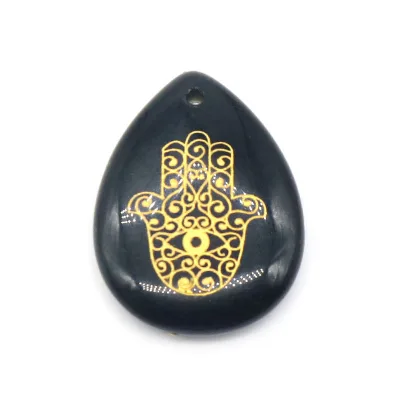
Crystal waterdrop pendants serve a multitude of applications, ranging from personal adornment to interior decoration and spiritual practices. The product attributes highlight usage in decoration, health, and religious contexts. In the decorative sector, these pendants are commonly used in suncatchers and chandeliers, where their ability to refract light creates aesthetic appeal. The "Angel" and "Love" styles suggest a strong presence in gift markets, where the pendant serves as a token of affection or a spiritual symbol.
The "Healing Crystal Spirit Energy" attribute points to a niche market focused on wellness and metaphysical properties. In this context, the specific type of stone, such as Amethyst for peace or Rose Quartz for love, is as important as the physical shape. The "Confidence Boost/Inner Peace/Self-Love" merit claims are often associated with these stones, making them popular for personal use or as therapeutic gifts. However, buyers should be aware that these are attribute observations and not scientifically verified medical claims.
For commercial buyers, the "Souvenir" and "Gift" usage categories are significant. The product name "Crystal Gift Items" and the "Use: Gift" attribute confirm their suitability for corporate gifting, wedding favors, and promotional events. The ability to customize the shape and color allows businesses to align the product with their brand identity. The "Single item" selling unit suggests that these pendants can be sold individually, making them versatile for retail environments that cater to impulse buys or specific design needs.
Supplier Evaluation and Sourcing Strategy
Evaluating suppliers for crystal waterdrop pendants requires a thorough assessment of their capabilities, reliability, and alignment with buyer requirements. The data indicates that suppliers are located primarily in Guangdong and Jiangsu, China, regions known for their manufacturing expertise in glass and crystal products. When selecting a supplier, buyers should verify the specific model numbers, such as LCP1, GP107, or BSXL-034, to ensure they are dealing with a specific product line rather than a generic listing.
Key evaluation criteria include the supplier's ability to handle customization, their packaging standards, and their logistics capabilities. The availability of "Customization" and "Other" packaging options suggests that suppliers are flexible, but buyers must confirm the lead times and costs associated with these custom requests. The "Brand Name: BUFAN" is a specific identifier found in the data, which can be used to trace the manufacturer or distributor, though buyers should not rely on a single brand without verifying the broader supply chain.
Payment terms are another critical factor. The observed payment methods include TT (Telegraphic Transfer), Western Union, and PayPal. Buyers should establish clear payment terms that protect their interests, such as using escrow services or negotiating milestone-based payments for large orders. Shipping options via major carriers like DHL, UPS, and FedEx indicate that suppliers have established logistics networks, but buyers should confirm the reliability of these services for their specific destination.
Quality Control and Inspection Protocols
Implementing a robust quality control (QC) protocol is essential when sourcing crystal waterdrop pendants to ensure consistency and durability. The "Polished" technique is a standard attribute, but the quality of the polish can vary. Buyers should inspect samples for surface imperfections, such as scratches, bubbles, or uneven cuts, which can detract from the aesthetic value and light-refracting properties of the crystal.
The "Single gross weight" of 0.050 kg and "Single package size" of 10x10x10 cm or 10x10x2 cm provide benchmarks for packaging efficiency. However, the "Safe Package" attribute requires verification to ensure that the pendants are adequately protected during transit. Crystal is fragile, and improper packaging can lead to breakage and financial loss. Buyers should request detailed packaging diagrams or videos to confirm that the internal cushioning and external box strength are sufficient for the intended shipping method.
For natural stone products, verifying the authenticity and consistency of the stone is crucial. Buyers should check for color consistency across batches, as natural stones can vary in hue and pattern. The "Color" attributes listing specific shades like "20*78 Water drop pendant transparent" suggest that color matching is a key quality metric. Establishing a color standard or physical sample for approval before mass production is a recommended practice to avoid discrepancies.
Long-Term Procurement and Relationship Management
Building a sustainable procurement strategy for crystal waterdrop pendants involves more than just a single transaction. It requires fostering long-term relationships with suppliers who can adapt to changing market demands and maintain consistent quality. The "Customization: Available" attribute suggests that suppliers are willing to collaborate on product development, which can be a valuable asset for buyers looking to differentiate their offerings.
Buyers should consider the scalability of their suppliers. With an MOQ range of 1 to 1000, suppliers appear capable of handling both small test orders and large-scale production runs. However, buyers must confirm the supplier's capacity to handle increased volumes without compromising quality or lead times. The "Lead time" is not explicitly stated in the data, so buyers must negotiate clear timelines for production and shipping to manage inventory effectively.
Environmental considerations are becoming increasingly important in procurement. The "Eco-friendly" attribute indicates that some suppliers are adopting sustainable practices. Buyers should inquire about the environmental impact of the manufacturing process, including waste management and energy usage, to align with their corporate sustainability goals. Additionally, the "Regional Feature: Europe" suggests that some products may already comply with European standards, which can be advantageous for buyers targeting that market.
In conclusion, sourcing crystal waterdrop pendants requires a balanced approach that considers technical specifications, cost drivers, and supplier capabilities. By carefully evaluating the available data and conducting thorough due diligence, buyers can secure high-quality products that meet their specific needs while building a resilient supply chain for the future.
FAQs
What materials are used for crystal waterdrop pendants?
These pendants are primarily made from K9 Crystal or natural stones like Amethyst and Rose Quartz. Some listings also specify Crystal as the base material. Buyers should verify the specific stone type for each order as natural variations exist.
Which sizes are available for crystal waterdrop pendants?
Available sizes include specific measurements like 38mm, 50mm, 63mm, 76mm, and 89mm. Some finished strands have a standard length of 40cm or 45cm. Customized shapes and sizes are often available upon request from the manufacturer.
Can I customize the color and shape of these pendants?
Yes, customization is available for both shape and color. Options range from transparent to specific hues like blue, pink, and purple. Buyers can also request specific gemstone beads such as Tiger Eye or Lapis for unique designs.
What is the minimum order quantity for crystal waterdrop pendants?
The minimum order quantity varies, with some suppliers requiring as few as 3 pieces while others set it at 10 pieces. The general observed range spans from 1 to 1000 units depending on the specific vendor and customization level requested.
How are crystal waterdrop pendants packaged for shipping?
Standard packaging typically involves OPP bags inside master cases or safe package options. Specific single package sizes are often around 10x10x10 cm. Customized packaging details can be arranged to ensure safe transit for fragile crystal items.
Where are Crystal Waterdrop Pendant manufacturers located?
Manufacturers are primarily located in Guangdong and Jiangsu, China. These regions are known for producing high-quality glass and crystal products. Buyers should confirm the specific place of origin for their chosen model to ensure alignment with sourcing needs.
What payment methods are accepted for these orders?
Accepted payment methods include TT, Western Union, and PayPal. Buyers should confirm the specific terms with the supplier before finalizing the transaction. These options provide flexibility for international B2B transactions involving crystal goods.