Source Custom Curtain Eyelet Punching Machine for banners, fabrics, and leather
Compare 30 listings for the Custom Curtain Eyelet Punching Machine to find options for flex banners, mesh, and vinyl materials. Buyers can review specifications like eyelet sizes, efficiency rates, and voltage requirements from verified suppliers in China.
Key considerations
Products List
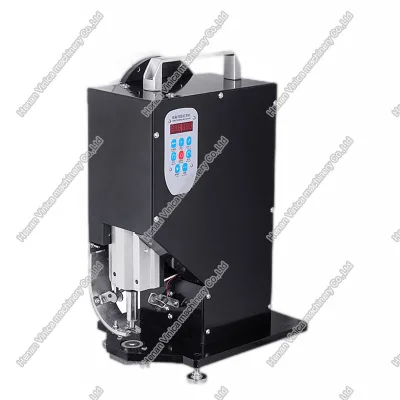


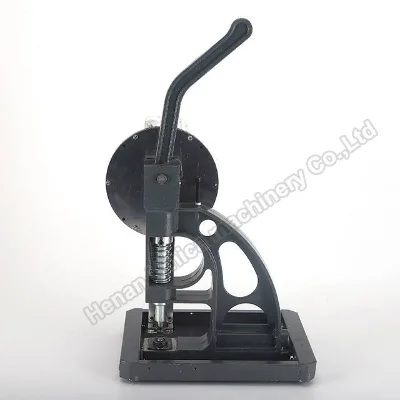
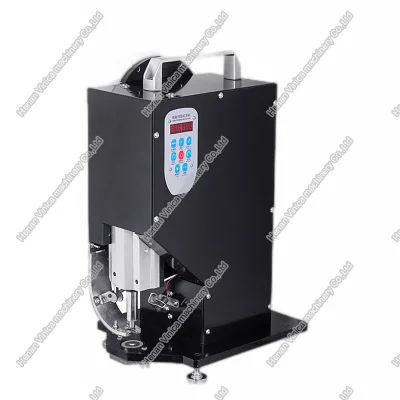
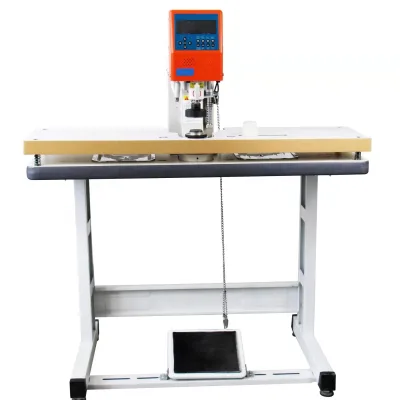
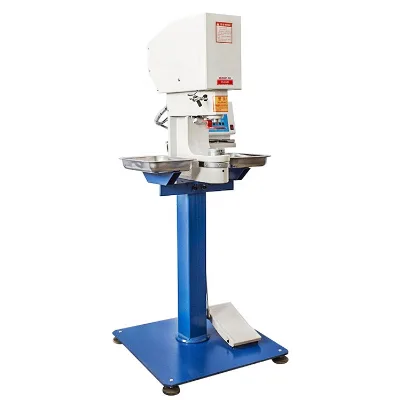
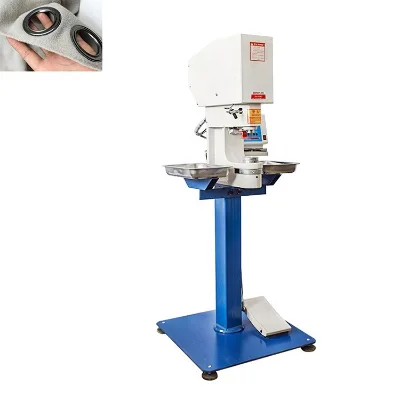
Wholesale High Quality Automatic Curtain Eyelet Punching Machine for Curtain Industry
$5800.00 - $6200.00
MOQ: 1 Sets

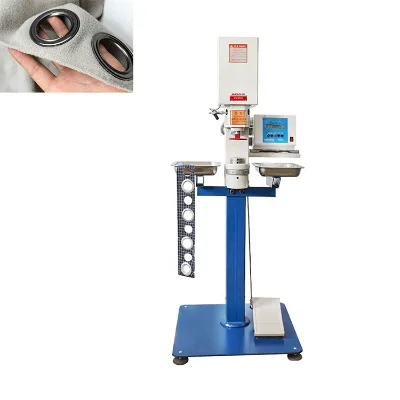
1 Year Warranty Curtain Eyelet Punching Machine Automatic Curtain Pressing Machine
$5850.00 - $6200.00
MOQ: 1 Pieces

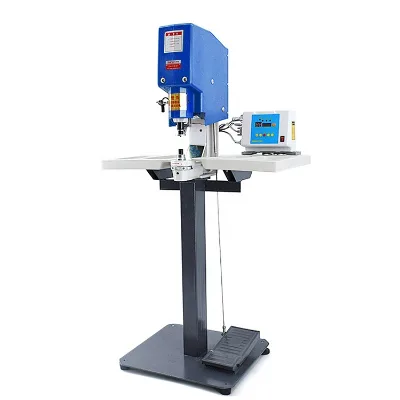
High Quality Automatic Wholesale Curtain Eyelet Punching Machine for Curtain Industry
$5800.00 - $6200.00
MOQ: 1 Sets


Automatic Hydraulic Curtain Fabrics Four Holes Eyelet Puncher Punching Machine
$3250.00 - $3400.00
MOQ: 1 Pieces


Curtain Ring Eyelet Snap Button Rivet Punching Machine / Press Eyelet Machine Price
$6000.00 - $7000.00
MOQ: 1 Pieces
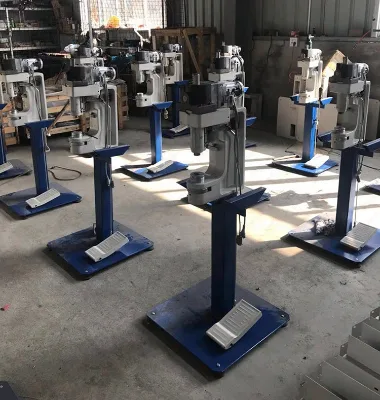


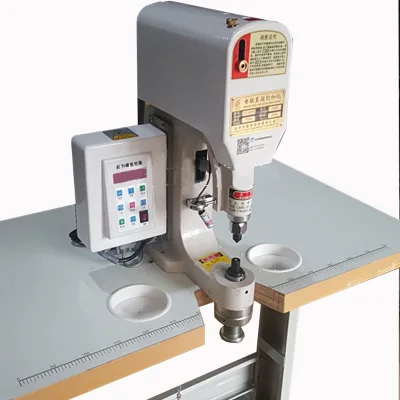
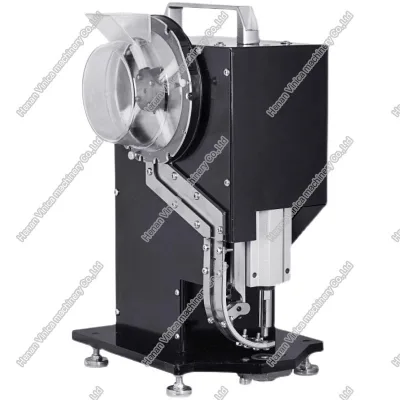
Comprehensive Sourcing Guide
Strategic Sourcing Guide for Custom Curtain Eyelet Punching Machines
Procuring industrial equipment for textile and soft signage applications requires a rigorous approach to technical verification and supplier due diligence. The market for custom curtain eyelet punching machines is characterized by a wide variance in specifications, ranging from manual operations to fully automated systems capable of high-speed production. For buyers seeking to integrate these machines into their manufacturing workflows, understanding the precise mechanical capabilities, certification requirements, and cost structures is essential. This guide synthesizes available market data to provide a structured framework for evaluating potential suppliers and selecting equipment that aligns with specific production needs.
Technical Specifications and Operational Capabilities
The core functionality of an eyelet punching machine lies in its ability to create precise holes and insert fasteners into various materials without damaging the substrate. When evaluating a machine for custom curtain applications, buyers must scrutinize the motor power, efficiency rates, and the range of supported eyelet sizes. Available data indicates that specific models in this category operate with a motor power of 0.75 kW, which is sufficient for processing materials such as flex banners, mesh, vinyl, inkjet cloth, leather, and standard curtain fabrics. The efficiency of these machines is a critical metric for production planning; observed performance metrics suggest capabilities of up to 70 pieces per minute for specific configurations.
The physical dimensions and weight of the machine are equally important for facility planning. While some compact units may have a single package size of approximately 47x28x62 cm and a gross weight around 32 kg, larger industrial variants can weigh significantly more, with some models listed at 400 kg. The internal throat depth and riveting height are also vital specifications; a throat depth of 65 mm and a riveting height of 25 mm are observed parameters that determine the maximum thickness of the material stack the machine can handle. Furthermore, the eyelet size compatibility is a primary decision factor. Standard models often support a range of eyelet diameters, including 3mm, 4mm, 5mm, 6mm, 8mm, 10mm, and 12mm. Buyers must verify if the specific model supports the exact eyelet diameter required for their curtain designs, as some suppliers may require direct confirmation for non-standard sizes.
Compliance, Certification, and Safety Standards
In the B2B procurement landscape, compliance with international safety and quality standards is non-negotiable. For machinery exported from China, certifications such as CE and ISO 9001 are standard expectations. The CE mark indicates conformity with health, safety, and environmental protection standards for products sold within the European Economic Area. Similarly, ISO 9001 certification, specifically the 2015 version, demonstrates that the manufacturer adheres to a recognized quality management system. However, buyers must exercise caution, as the availability of machinery test reports varies. In some instances, these reports may not be available, requiring the buyer to rely on the manufacturer's self-declaration or third-party verification upon delivery.
Safety features are another critical component of the machine's design. The frame construction is often highlighted as a key selling point, with "Safety" explicitly noted as a feature in several listings. This suggests the inclusion of guards, emergency stops, or interlocks designed to protect the operator. When evaluating a supplier, buyers should request detailed documentation regarding the electrical safety standards, particularly concerning the voltage requirements. The market shows a split between 110V and 220V systems, with some models requiring specific supplier confirmation for 110V operation. Ensuring the machine's voltage matches the local power grid is essential to prevent equipment failure or safety hazards. Additionally, the presence of a "Safety Frame" and adherence to the ISO 9001:2015 standard should be verified through official certificates provided by the supplier before finalizing the purchase.
Cost Drivers and Pricing Structure
The pricing of custom curtain eyelet punching machines is influenced by several factors, including automation level, motor specifications, and the complexity of the punching mechanism. The observed price range in the market spans from approximately $94.5 to $7,000 USD. This wide disparity reflects the difference between basic, semi-automatic units and advanced, fully automatic systems with higher throughput and precision. The lower end of the price spectrum typically corresponds to machines with simpler mechanical power sources and lower efficiency rates, while the higher end includes models with advanced control systems, higher motor power, and greater durability.
Minimum Order Quantity (MOQ) is another significant cost driver. Data indicates that MOQs for these machines can range from 1 to 2 units, suggesting that single-item purchases are often feasible. This flexibility is beneficial for small businesses or those testing new production lines. However, buyers should be aware that customization options, such as specific eyelet sizes or branding, may impact the final price. The "Customization: Available" attribute implies that suppliers can tailor the machine to specific needs, but this often incurs additional costs or longer lead times. When negotiating, buyers should clarify whether the quoted price includes the cost of the wooden crate packing, which is a common shipping requirement for heavy machinery to ensure safe transit.
Typical Applications and Material Compatibility
The versatility of the eyelet punching machine is a primary advantage for buyers in the signage, textile, and curtain manufacturing sectors. These machines are designed to handle a diverse array of materials, including flex banners, mesh, vinyl, inkjet prints, cloth, leather, and various curtain materials. The ability to process such a wide range of substrates makes these machines a valuable asset for companies that produce mixed product lines. The "Function" of the machine is typically described as "Punching & Pressing," indicating that it can perform both the hole creation and the eyelet insertion in a single cycle, which streamlines the production process.
The application of the machine extends beyond simple curtain manufacturing. In the signage industry, eyelet punching is essential for creating hanging points for banners and flags. In the textile industry, it is used for creating grommets in heavy-duty fabrics for tents, awnings, and outdoor curtains. The efficiency of up to 70 pieces per minute allows for high-volume production, making these machines suitable for both small-batch custom orders and large-scale manufacturing runs. Buyers should ensure that the machine's throat depth and riveting height are sufficient for the thickest materials they intend to process, as this directly impacts the machine's ability to handle specific applications without jamming or misalignment.
Supplier Evaluation and Quality Assurance
Selecting the right supplier is as critical as selecting the right machine. Buyers should prioritize suppliers who provide clear documentation regarding the machine's origin, certifications, and warranty terms. The place of origin for many of these machines is listed as Henan or Shandong, China, regions known for their manufacturing capabilities. However, the specific location should be verified to ensure it aligns with the buyer's logistical preferences. A key indicator of supplier reliability is the provision of a warranty; a standard offering of 1 Year on the machine is a baseline expectation. Buyers should also inquire about the availability of machinery test reports, as the absence of these reports may indicate a lower level of quality assurance.
Quality control measures should be established before the machine is shipped. This includes verifying the "Condition" of the machine, which should be listed as "New" for all new purchases. Buyers should also request detailed information regarding the "Single Package Size" and "Single Gross Weight" to ensure that the shipping logistics are feasible. The use of solid wooden cases or wooden crate packing is standard for protecting the machine during transit, and buyers should confirm that the packaging meets international shipping standards. Additionally, the "CNC or not" attribute is relevant; while some models are labeled as "Normal" (non-CNC), others may offer computerized control for enhanced precision. Buyers must determine if their production requirements necessitate CNC capabilities or if a mechanical system is sufficient.
Long-Term Procurement and Maintenance Considerations
Investing in a Custom Curtain Eyelet Punching Machine is a long-term decision that requires consideration of maintenance, spare parts availability, and operational longevity. The "Power Source" being mechanical for some models suggests a simpler design that may require less complex maintenance compared to fully electronic systems, but it also implies that the operator must manage the mechanical components carefully. The "Key Selling Points" often include "Easy to Operate," which is crucial for reducing training time and minimizing operational errors. However, buyers should verify the availability of spare parts, such as dies and punches, which are subject to wear and tear.
The "Customization" aspect of the machine also plays a role in long-term procurement. If a buyer requires specific eyelet sizes or unique features, they should ensure that the supplier can support these customizations over the life of the machine. The "Certificate: Provided" attribute suggests that the supplier is willing to offer documentation, which is essential for regulatory compliance and insurance purposes. Finally, buyers should consider the shipping options, which typically include air, sea, and land transport. The choice of shipping method will impact the lead time and the overall cost of the procurement. By carefully evaluating these factors, buyers can ensure that their investment in a Custom Curtain Eyelet Punching Machine delivers consistent performance and value over the long term.
Comparative Analysis of Machine Attributes
To assist in the decision-making process, the following table summarizes key attributes observed in the market for custom curtain eyelet punching machines. This comparison highlights the variance in specifications that buyers must navigate when selecting a supplier.
| Attribute | Observed Range/Value | Notes for Verification |
|---|---|---|
| Motor Power | 0.75 kW | Verify if higher power is available for heavy materials. |
| Efficiency | Up to 70 pcs/min | Confirm actual throughput under load. |
| Eyelet Sizes | 3mm to 12mm | Check if specific sizes (e.g., 8mm, 10mm) are standard. |
| Voltage | 110V / 220V | 110V often requires specific supplier confirmation. |
| Weight | 32 kg to 400 kg | Distinguish between compact and industrial models. |
| Certification | CE, ISO 9001:2015 | Request valid certificates for both. |
| Warranty | 1 Year | Confirm coverage details and exclusions. |
| Packaging | Wooden Box / Crate | Ensure packaging is suitable for international shipping. |
| Condition | New | Verify that no refurbished units are sold as new. |
| Origin | Henan, Shandong, China | Confirm specific factory location for logistics. |
This table serves as a checklist for buyers to ensure they are comparing apples to apples when evaluating different suppliers. The significant variance in weight and voltage highlights the importance of matching the machine to the specific facility constraints and power infrastructure. By systematically reviewing these attributes, buyers can mitigate risks and select a machine that offers the best balance of performance, compliance, and cost-effectiveness for their custom curtain production needs.
FAQs
What certifications do these machines typically hold?
Most units carry CE and ISO 9001:2015 certifications for safety and quality. Buyers should verify that the specific supplier provides valid certificates before purchase, as test reports may not always be available.
How fast can the machine punch eyelets per minute?
Efficiency reaches up to 70 pieces per minute for specific configurations. Actual throughput depends on the material thickness and the specific eyelet size selected, such as 6mm or 12mm models.
Can the machine handle different voltage requirements?
Yes, the system supports 110V and 220V power sources. Buyers must explicitly inform the supplier if they require 110V operation to ensure the correct electrical setup is provided.
Which eyelet sizes are supported by this equipment?
Standard models support sizes ranging from 3mm to 12mm including 6mm, 8mm, 10mm, and 12mm. Non-standard sizes require direct confirmation with the supplier to ensure compatibility.
What is the warranty period for the new machine?
The standard warranty period is 1 Year for new condition units. This coverage applies to core components like the motor, but specific terms should be confirmed with the vendor.
How much does the machine weigh and what are its dimensions?
Weights vary from 32 kg for compact units to 400 kg for larger industrial models. Dimensions also differ, with some single packages measuring 47x28x62 cm while others are significantly larger.
Can I customize the machine for specific production needs?
Customization is available for various requirements including specific eyelet sizes and branding. Buyers should note that custom orders may affect the final price and lead time compared to standard models.